Yesterday, ResearchGate alerted us that the paper ‘Midwives’ views towards women using mHealth and eHealth to self-monitor their pregnancy: A systematic review of the literature’ [1] had reached 40 citations! This paper has four Bournemouth University (BU) authors and one author, Prof. Gary Smith, who was FHSS Visiting Professor at the time of publication. This literature review, published in 2020, sought midwives’ perspectives on women self-monitoring their pregnancy using eHealth and mHealth.
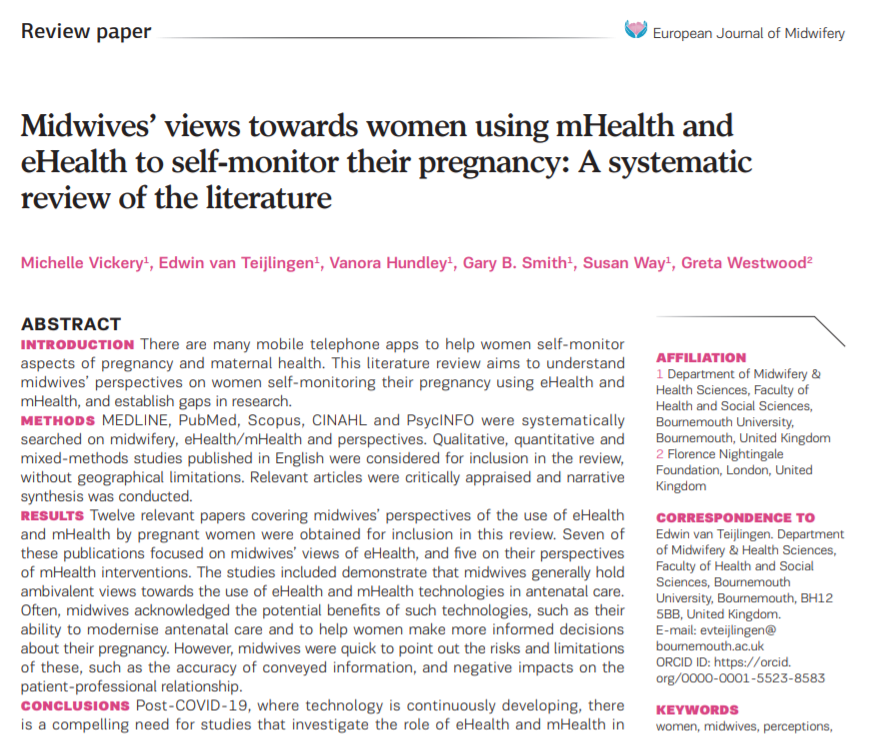 The paper fund that midwives generally held ambivalent views towards the use of eHealth and mHealth technologies in antenatal care. They acknowledged the potential benefits of such technologies, such as their ability to modernise antenatal care and to help women make more informed decisions about their pregnancy. However, midwives were quick to point out the risks and limitations of these, such as the accuracy of conveyed information, and negative impacts on the patient-professional relationship.
 This paper will contribute to our recently awarded NIHR funding to tackle inequalities in UK maternal healthcare as part of the NIHR Challenge Call: Maternity Disparities Consortium. Profs Vanora Hundley and Edwin van Teijlingen from the Centre for Midwifery and Women’s Health, and Prof. Huseyin Dogan and Dr. Deniz Cetinkaya from the Department of Computing and Informatics collaborate in MIHERC (Maternal & Infant Health Equity Research Centre). MIHERC is led by Prof. Hora Soltani at Sheffield Hallam University, and it is a partnership with Bournemouth University, the City of Doncaster Council and South Yorkshire Digital Health Hub as well as several charities and voluntary organisations. Prof. Dogan has recently been appointed the co-lead for the “Digital, data, monitoring, evaluation and implementation science” work stream of the NIHR Maternity Disparities consortium.

Reference:
- Vickery, M., van Teijlingen, E., Hundley, V., Smith, G. B., Way, S., Westwood, G. (2020). Midwives’ views towards women using mHealth and eHealth to self-monitor their pregnancy: A systematic review of the literature. European Journal of Midwifery, 4(Sept.), 1-11. https://doi.org/10.18332/ejm/126625


























 Verbal autopsy paper published two days ago
 ESRC Studentships for 2027 Entry: Opportunity Now Open
 SONAMONI contributions to Safety Conference 2026 in South Africa
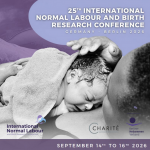 Three CMWH presentations at Berlin conference
 Horizon Europe Cluster 3 (Civil Security for Society) 2026 Calls Now Open
 MSCA Doctoral Networks 2026 Call Information Webinar
 ESRC Festival of Social Science 2026: Application Deadline Extended to Thursday 25 June 2026
 Reminder: Register for the ESRC Festival of Social Science 2026 Information Session
 ECR Funding Open Call: Research Culture & Community Grant – Apply now
 ERC Advanced Grant 2025 Webinar
 Update on UKRO services
 European research project exploring use of ‘virtual twins’ to better manage metabolic associated fatty liver disease