CQR is pleased to announce a series of appointments available to postgrad (Masters or PhD) and academic researchers considering using qualitative methods for their projects.
The half-hour sessions with Centre for Qualitative Research Director, Dr. Kip Jones, will take place over the summer at Royal London House, Lansdowne. Anyone who is thinking of using qualitative methods and would like more information, support from CQR members, or links to resources, are welcome to book a half-hour session to discuss their project and get feedback.
Too often research projects jump into using qualitative methods of research such as interviewing, observing, etc. without really having any background in the method or training for it. When it comes time for Vivas or publications, often these projects do not then meet expectations. What CQR hopes to do is ensure that qualitative projects of any kind carried out at BU are vigorous. This is the reason behind the surgeries (as well as plans for future Centre for Qualitative Research seminars and masterclasses).
It is easy to book a slot for a session. Simply email Kip (kipworld@gmail.com) stating the date of either a Tuesday (10-12 noon) or a Wednesday (1-3 pm) over the summer when you can be available. You will get an email back with your timeslot for the particular date.
CQR members have expertise in a wide range of methods. We hope through this surgery process to connect you up with a particular resourceful person.
Research as Film/Film as Research
Photo-elicitation
Grounded Theory
Performance Poetry
Ethics
Interviewing
Focus Groups
Ethnography
Participatory Action Research
Autobiography
Auto-ethnography
Biographic Narrative Interpretive Method
Appreciative Inquiry
Arts-based methods
Telephone interviews
Questionnaire design
NVIVO
Performance Poetry
Reflexivity
Performative Social Science
Research as Film/Film as Research
Photo-elicitation
Grounded Theory
Performance Poetry
Ethics
Interviewing
Focus Groups
Ethnography
Participatory Action Research
Autobiography
Auto-ethnography
Biographic Narrative Interpretive Method
Appreciative Inquiry
Arts-based methods
Telephone interviews
Questionnaire design
NVIVO
Performance Poetry
Reflexivity
Performative Social Science



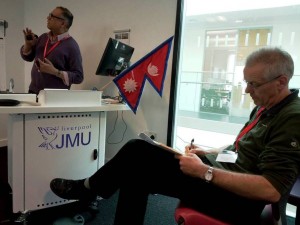

 The April issue of the Journal of Neonatal Nursing will publish the latest article written by a combination of Faculty of Health & Social Sciences staff and Visiting Faculty. The paper ‘Experiences of fathers with babies admitted to neonatal care units: A review of the literature’
  Our latest paper in the international journal BMC Pregnancy & Childbirth published late last month was highlighted yesterday in a
  Our paper is great example of interdisciplinary research, as celebrated at the forthcoming Interdisciplinary Research Sector Day on June 21st (
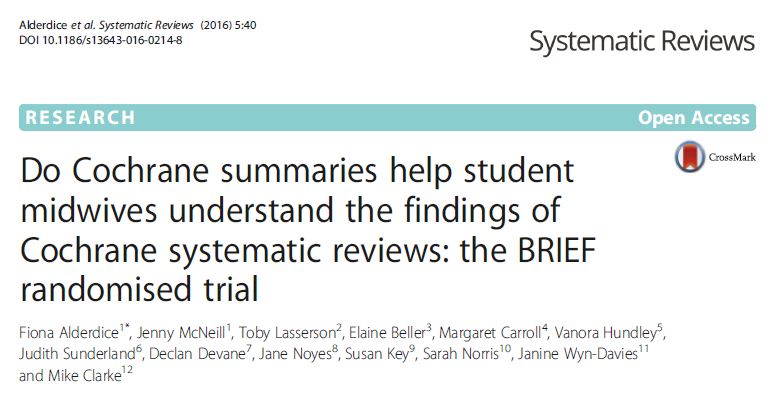 This first week of March has been a good week for FHSS publications. On March 1st CMMPH Prof. Vanora Hundley published her collaborative paper ‘Do Cochrane summaries help student midwives understand the findings of Cochrane systematic reviews: the BRIEF randomised trial’.[1] With colleagues based across the UK and Ireland she surveyed over 800 midwifery students at nine universities. This results of the study can be found in the journal
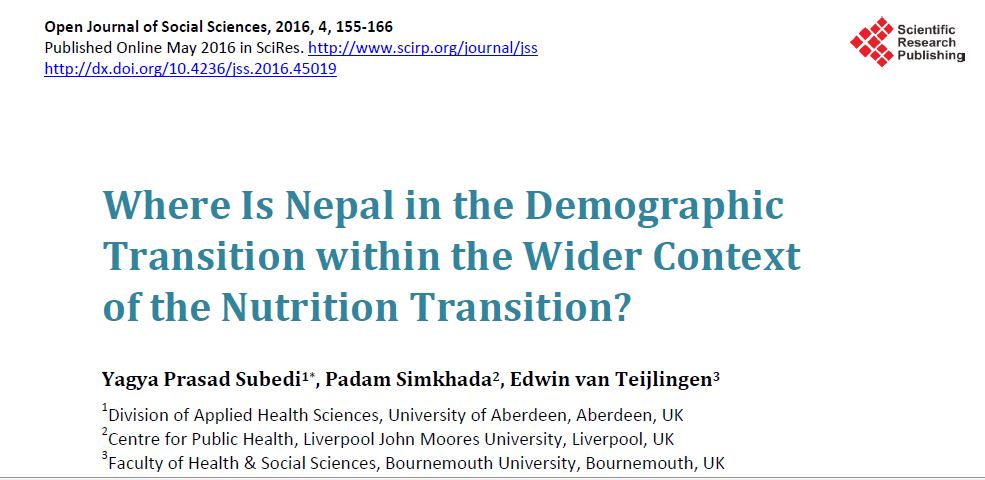
  The second FHSS publication is a chapter in a Kindle book on the Importance of public health in low- and middle- income countries, written by Dr. Puspa Raj Pant,CMMPH’s Prof. Edwin van Teijlingen, and BU Visiting Faculty Prof. Padam Simkhada.[2] Padam Simkhada is Professor of International Public Health and Associate Dean (Global Engagement) for the Faculty of Education, Health and Community at Liverpool John Moores University. The chapter is part of the Kindle book with the long title: Public Health for the Curious: Why Study Public Health? (A Decision-Making Guide to College Major, Research & Scholarships, and Career Success for the College Students and Their Parents) edited by Richard Lee Skolnik from Yale University, USA.






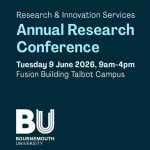 BU Annual Research Conference: Poster Exhibition Call for Applications
 Vitae Three Minute Thesis (3MT®) Competition: Applications Now Open
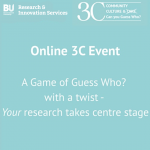 3C Online Social: Thursday 26 March 1–2pm – Research Culture, Community & Can you Guess Who?
 Four BU students at national midwifery conference
 INRC book roundtable/presentation by Drs Jonathan Cole and Catherine Talbot, Wednesday 22/04/2026, 13:00h, P426
 ECR Funding Open Call: Research Culture & Community Grant – Apply now
 ECR Funding Open Call: Research Culture & Community Grant – Application Deadline Friday 12 December
 MSCA Postdoctoral Fellowships 2025 Call
 ERC Advanced Grant 2025 Webinar
 Update on UKRO services
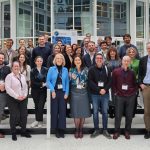 European research project exploring use of ‘virtual twins’ to better manage metabolic associated fatty liver disease