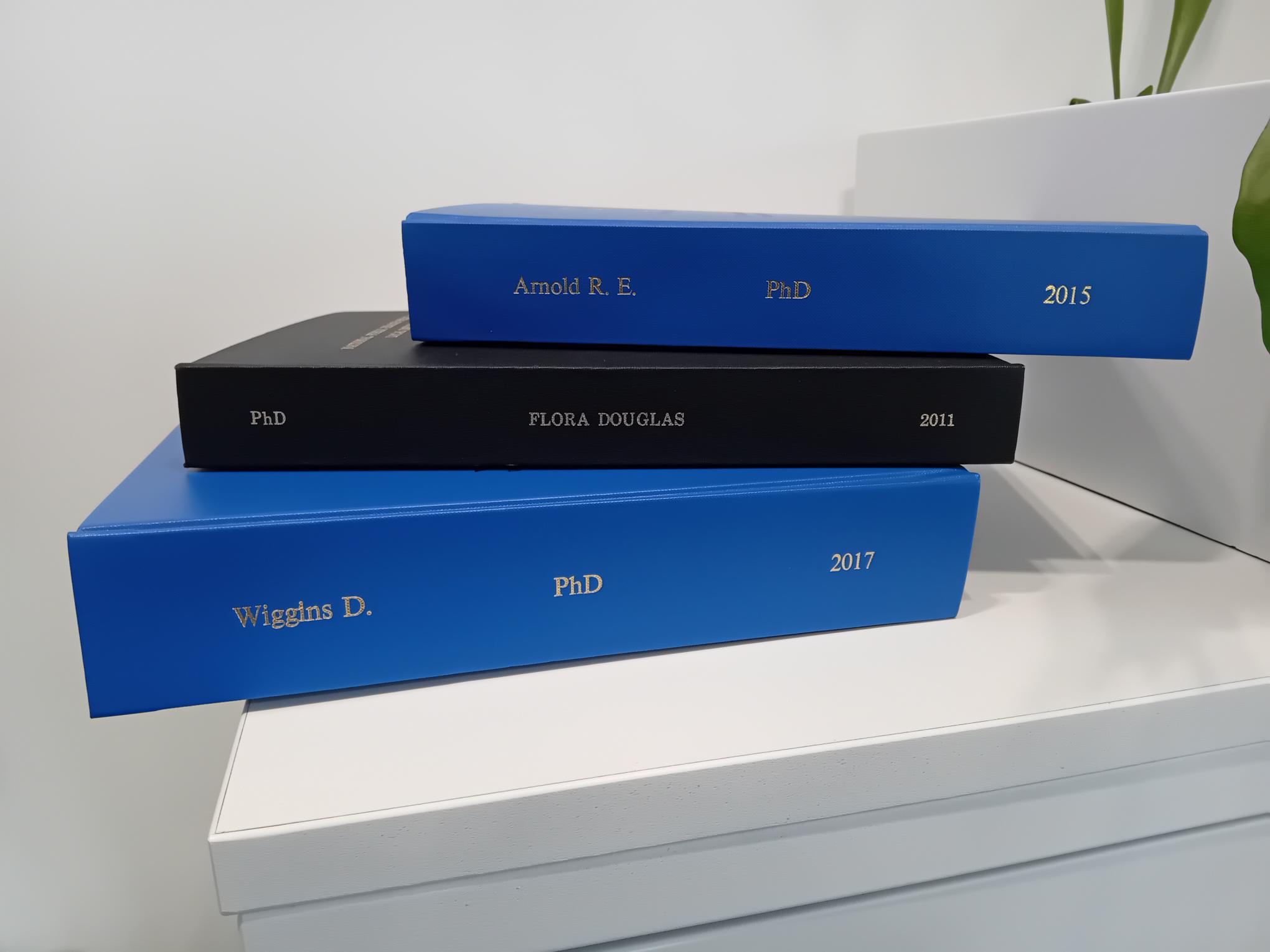
Postgraduate students, especially PhD students dramatically expand a university’s research capacity. They contribute significantly to data collection, analysis, the day-to-day management of research projects, and publications that might otherwise be impossible to sustain. Postgraduate students are central to progressive research-active communities. PhD student also frequently serve as mentors to undergraduate researchers or Masters’ students, creating a cascade of learning that benefits all participants.
Beyond individual projects, postgraduate students help build research infrastructure through their contributions to lab management, protocol development, the exchange of innovative ideas, and so on. These contributions create lasting benefits to staff as well as higher education institutions. Academic communities with PhD students often promote collaboration, provide emotional and intellectual support, and create spaces where ideas can be tested and analyses refined before wider dissemination.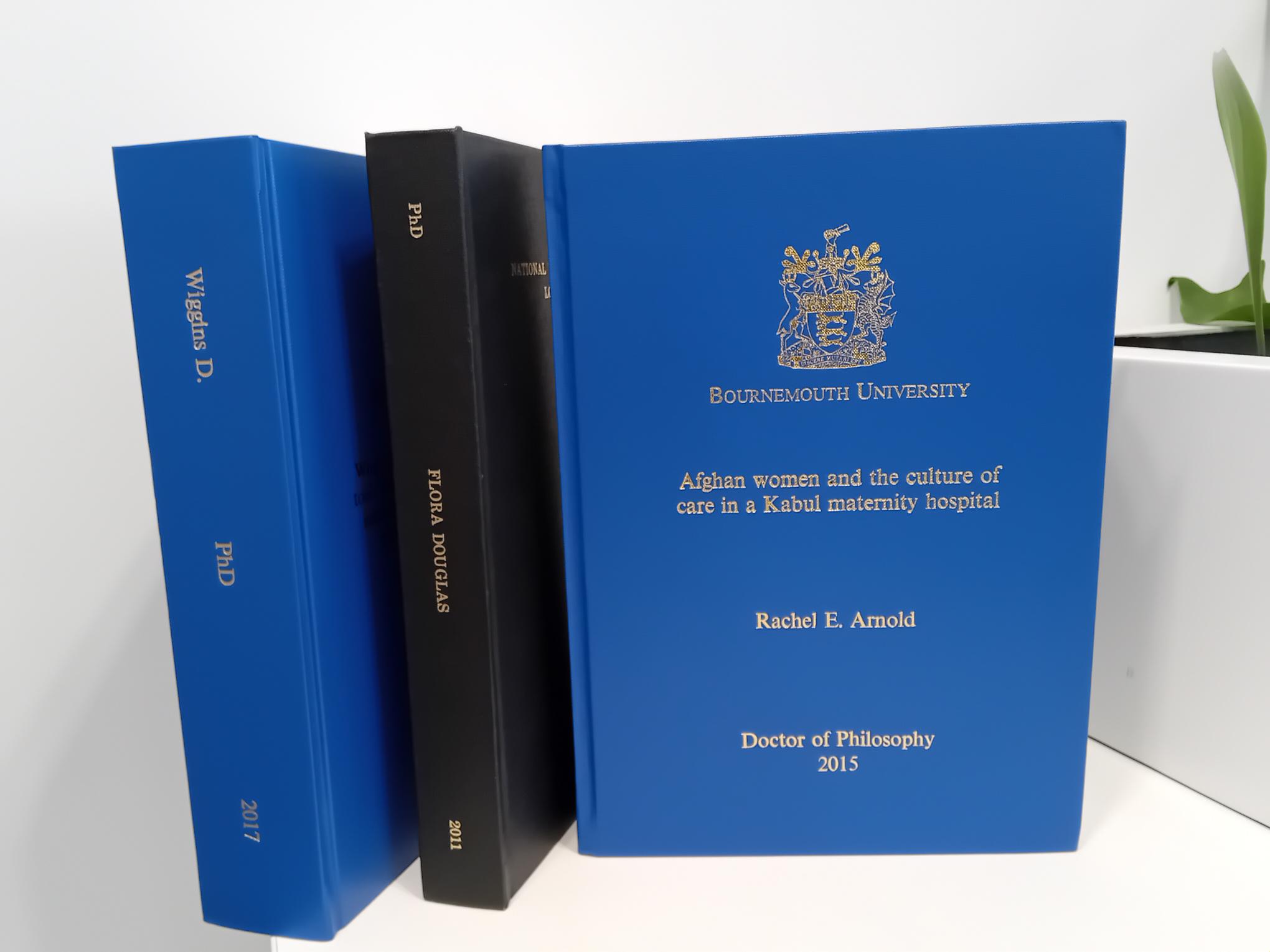
This expanded capacity allows universities to pursue more ambitious research agendas and respond to complex challenges requiring multidisciplinary approaches. The postgraduate journey requires carefully planned mentorship, giving students increasing autonomy, and ownership of their scholarly contribution. This apprenticeship model has proven remarkably effective in preparing the next generation of academics for centuries.
This blog was created as part of the Professional Discourse in the Age of AI: an interactive writing workshop facilitated by Prof. Debbie Holley and Prof. Carol Clark in the Faculty of Health & Social Sciences at Bournemouth University. Since last week’s workshop was on the topic, we have used the help of AI in the writing of this BU Research Blog!
Dr. Kathryn Collins, Prof. Vanora Hundley & Prof. Edwin van Teijlingen



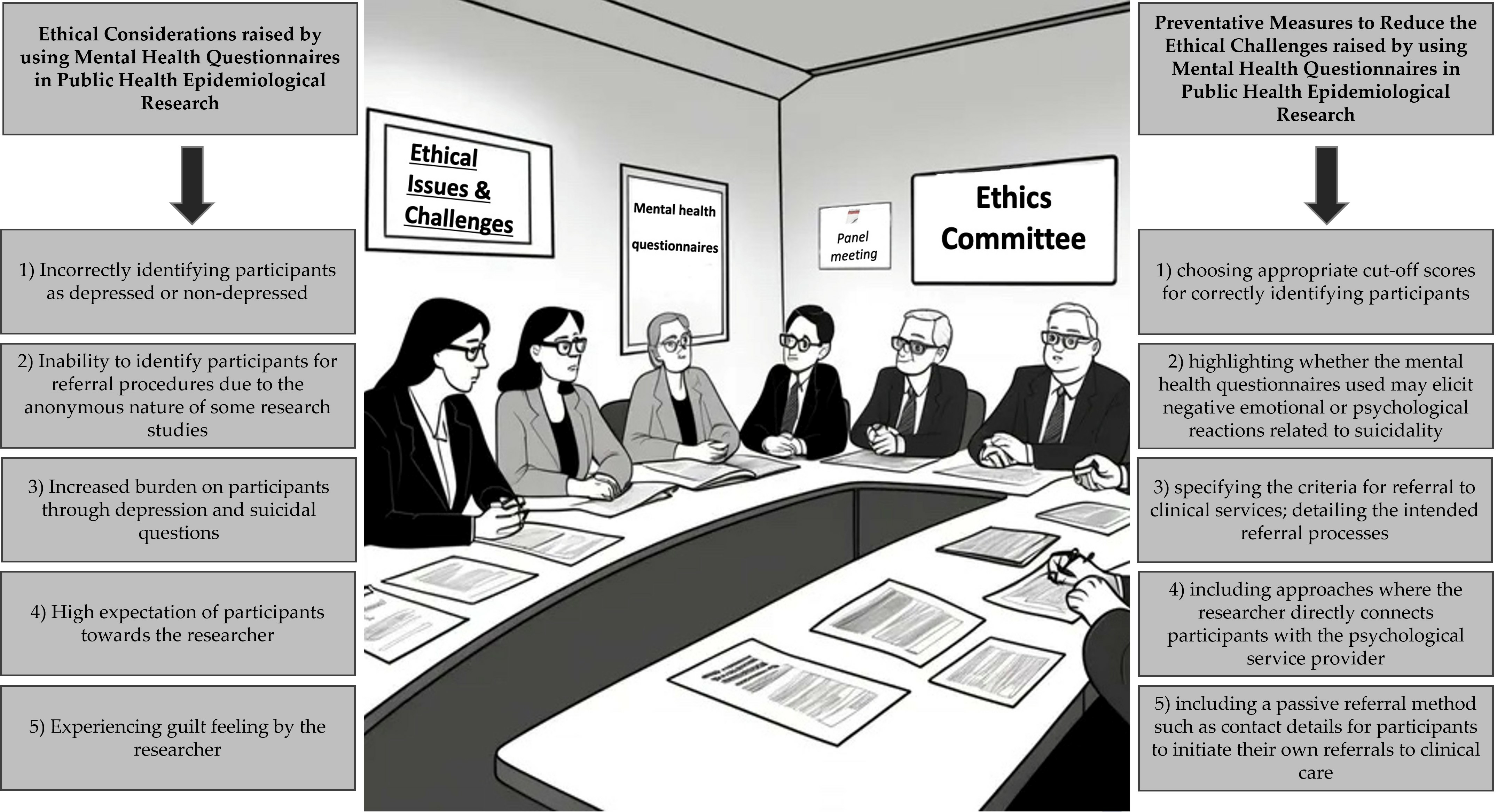 Preventative measures to reduce these challenges include choosing appropriate cut-off scores for correctly identifying participants; highlighting whether mental health questionnaires used may elicit negative emotional or psychological reactions related to suicide ideation; specifying the criteria for referral to clinical services; detailing the intended referral processes; including approaches where the researcher directly connects participants with a psychological service provider; and including a passive referral method such as contact details for participants to initiate their own referrals to clinical care. The authors offer a guide for researchers aiming to collect data on mental health through questionnaires, and they conclude that ethical challenges should be considered and reviewed at all stages of the research project.

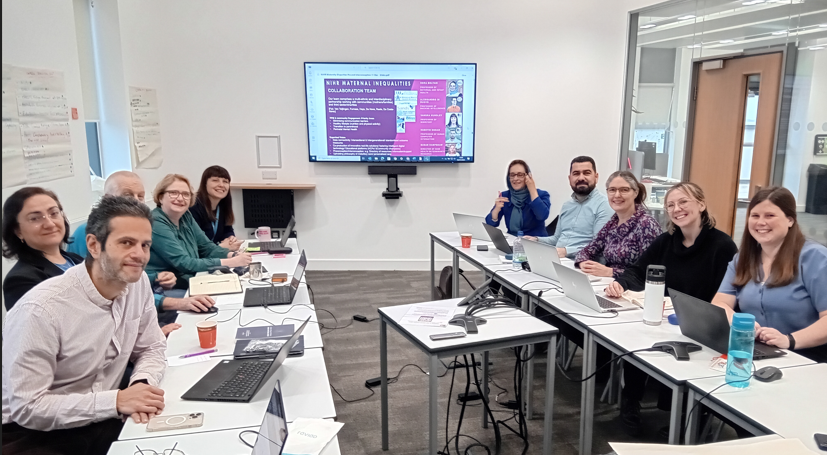


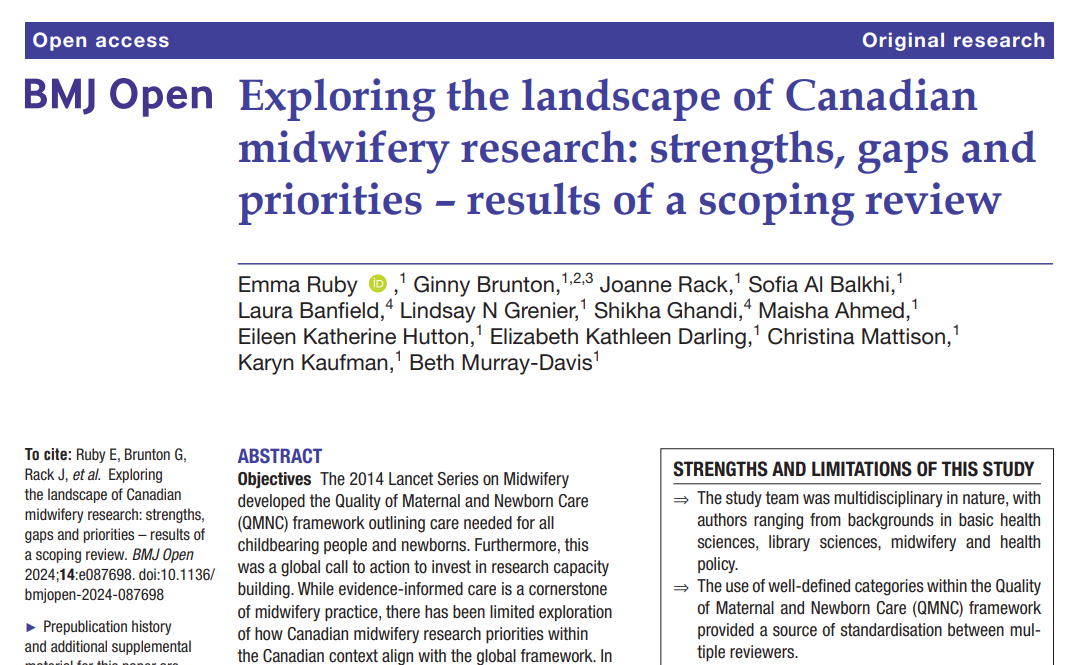


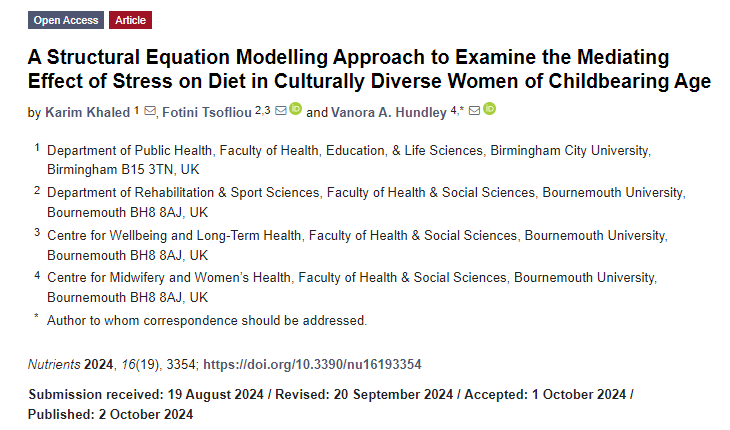
 This edition includes news items and stories related the successes of CMWH staff and students. For example, about Drs. Dominique Mylod and Daisy Wiggins who both secured innovative NIHR funding for undergraduate student internships. Or about the recently awarded National Institute for Health and Care Research (NIHR) funding for ‘INSIGHT: Inspiring Students into Research’. This innovative three-year programme started this summer as part of the NIHR Academy’s portfolio of career support for health and social care professionals. The programme supports the NIHR aim to develop a highly skilled research workforce capable of advancing the best research which improves health and care, and benefits society and the economy.







 Reminder: Recharge Your Research Routine Next Week for World Wellbeing Week
 Boost Your Research Toolkit: Digital Confidence & AI Literacy Workshop – Friday 26 June 10am-12pm
 BU students’ publishing success
 BU presentation at the University of Bristol
 Art and Design: History, Practice and Theory academics – would you like to get more involved in preparing our next REF submission?
 Horizon Europe Cluster 3 (Civil Security for Society) 2026 Calls Now Open
 MSCA Doctoral Networks 2026 Call Information Webinar
 ESRC Festival of Social Science 2026: Application Deadline Extended to Thursday 25 June 2026
 Reminder: Register for the ESRC Festival of Social Science 2026 Information Session
 ECR Funding Open Call: Research Culture & Community Grant – Apply now
 ERC Advanced Grant 2025 Webinar
 Update on UKRO services
 European research project exploring use of ‘virtual twins’ to better manage metabolic associated fatty liver disease