
Here’s the new CEMP research bulletin – several projects underway and some new opportunities included.
Usual terms apply, contact Julian or Richard in CEMP or the CEMP Fellow in your group or CEL to chat about anything here.
Latest research and knowledge exchange news at Bournemouth University
Here’s the new CEMP research bulletin – several projects underway and some new opportunities included.
Usual terms apply, contact Julian or Richard in CEMP or the CEMP Fellow in your group or CEL to chat about anything here.
 The MS Society is looking for members to join their Grant Review Panels. For the Grant Review Panel for Care and Services Research they are also recruiting a new Chair.
The closing date for expressions of interest is 12 noon on Thursday 11 December. Please email research@mssociety.org.uk with your CV and a brief cover letter outlining your experience and how that will positively contribute to the work of the grant review panels.
Areas of Expertise Required
Members of the Panels would normally serve for a period of three years. They are looking for people from a variety of backgrounds, covering research, health and social care expertise.
If you possess the necessary skills, knowledge, experience and motivation to help ensure the MS Society funds high quality, relevant research then contact them ASAP. This is also a great development opportunity for you, as knowing how a review panel works can inform how you write and present bids.
For the GRP1 panel, they are encouraging applications from those with an expertise in the following areas:
– Immunology
– Stem Cells
– Animal Models
– Genetics
For the GRP2 panel, they are encouraging applications from those with an expertise in the following areas:
– Psychology
– Statistics
– Health economics
About the grant review panels
MS research work is driven by a strategy agreed with the Board of Trustees and which reflects the perspectives of the whole MS community – people affected by MS, clinicians, research scientists and others.
To help guide their research work they work with the advice and support of a Research Strategy Committee (RSC) and two Grant Review Panels (GRP). The RSC looks at the strategic picture, providing advice on broad areas of research, setting priorities and scrutinizing the larger, ongoing research programmes. The RSC does not decide which specific projects we should or should not fund. That more detailed work is carried out by our Grant Review Panels, one for Biomedical Research (GRP1) and one for Care and Services Research (GRP2).
The third book in Professor Tom Watson’s edited world history of public relations series, Middle Eastern and African Perspectives on the Development of Public Relations: Other Voices, has arrived.
Ten chapters from Turkey to South Africa and the Arab Gulf to Nigeria are covered by 14 authors.
The next book in the series, Latin American and Caribbean Perspectives, is due for online publishing by Palgrave Macmillan in its Pivot series next week. The hard copy will follow in 3-4 weeks’ time.
And the manuscript on Western European Perspectives will be submitted next week, too.
Busy times for PR history scholarship and publishing!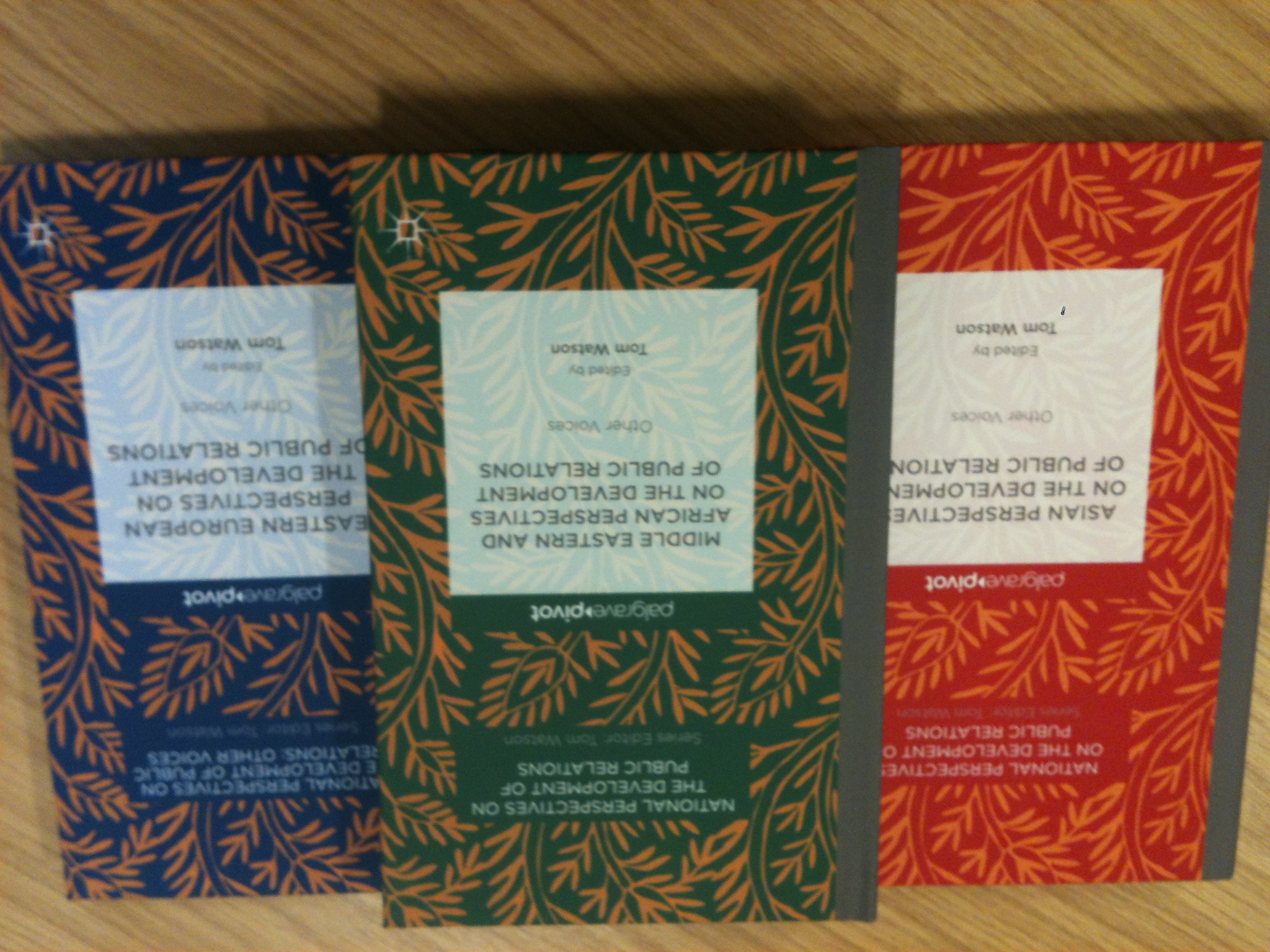

Now available for December, the Digital Business Briefing is compiled by the Knowledge Transfer Network (KTN) in partnership with Innovate UK, Catapults, Tech City, Nesta, and Horizon2020. The briefing highlights funding, support, events and training relevant to those working in the digital industries.
Sign up to receive regular updates “Join the creative industries community”
The Dorset Clinical Commissioning Group (CCG) and Local Authorities, supported by the Public Health team, are very keen to build on the success of the 2012 Olympics in Dorset and have developed a legacy fund to provide a significant resource for investment in innovative and evidence based local projects in Dorset, Bournemouth and Poole.
The aim of the legacy fund is to create a legacy and inspire communities by investing in projects that focus on the particularly vulnerable, marginalised and deprived communities in order to address health inequalities which exist in Dorset.
Projects will:
For more information click here.
(BUDI were successful in round 1 with 2 projects awarded through this fund – Bournemouth Symphony Orchestera and Dorset Fire & Rescue Service. Click here for funded awards to date project reference 36 & 43 – PDF at the bottom of the page.)
Have you heard about Knowledge Transfer Partnerships (KTP)? Or wanted to work on one?
Introduction to KTP
KTP is a part-funded government scheme to encourage collaboration on innovative projects between academia and business. KTP is managed by Innovate UK (formerly the Technology Strategy Board) and further information can be found here.
Themed Calls
Innovate UK has a number of funding priorities which they highlight through dedicated competitions throughout the year. Currently there are 3 competitions where extra funding has been allocated for projects relating to agri-food, space and user experience.
The reason for this call is to improve the competitiveness, resilience and responsiveness of the agri-food supply chain – from primary production, including aquaculture, through to retail.
All projects must use expertise from outside the space sector. “Upstream” projects need to be generally aligned with the National Space Technology Strategy and “downstream” projects need to link to a defined market/end product.
The aim of this call is to encourage new, enhanced forms of interaction between computing systems and the people who use them. Proposals may address technologies that contribute to these new forms such as sensing information about the user or those that improve specific type of experience, such as mobile and wearable devices.
To find out more about KTP or further information on these calls, please contact Rachel Clarke, Knowledge Exchange Adviser (KTP) on 61347 or email clarker@bournemouth.ac.uk

 Every BU academic has a Research Professional account which delivers weekly emails detailing funding opportunities in their broad subject area. To really make the most of your Research Professional account, you should tailor it further by establishing additional alerts based on your specific area of expertise. The Funding Development Team Officers can assist you with this, if required.
Research Professional have created several guides to help introduce users to ResearchProfessional. These can be downloaded here.
Quick Start Guide: Explains to users their first steps with the website, from creating an account to searching for content and setting up email alerts, all in the space of a single page.
User Guide: More detailed information covering all the key aspects of using ResearchProfessional.
Administrator Guide: A detailed description of the administrator functionality.
In addition to the above, there are a set of 2-3 minute videos online, designed to take a user through all the key features of ResearchProfessional. To access the videos, please use the following link: http://www.youtube.com/researchprofessional
Research Professional are running a series of online training broadcasts aimed at introducing users to the basics of creating and configuring their accounts on ResearchProfessional. They are holding monthly sessions, covering everything you need to get started with ResearchProfessional. The broadcast sessions will run for no more than 60 minutes, with the opportunity to ask questions via text chat. Each session will cover:
Each session will run between 10.00am and 11.00am (UK) on the fourth Tuesday of each month. You can register here for your preferred date:
These are free and comprehensive training sessions and so this is a good opportunity to get to grips with how Research Professional can work for you.
Monday
Postgraduate Loans
The Chancellor is expected to outline plans for government funded loans to cover the cost of one-year postgraduate degrees as part of the Autumn Statement. University fees: George Osborne plans new postgraduate loans (Telegraph).
Which? Report
A new report on HE by the consumer group, Which? has called for tougher regulations to encourage higher standards and to punish failings. The report also questions the workload of students with one in four undergraduates saying they get away with doing little private study. Universities that fail should be punished, says Which? (BBC), Students gaining good degrees with ‘little or no work’, says Which? (Telegraph).
Tuesday
Extremism on campus
New powers for the home secretary to order universities to ban extremist speakers from their campuses are to be included in a new counter-terrorism bill. This comes as the government prepares for the publication on Tuesday morning of the official inquiry into the murder of Fusilier Lee Rigby last year. Theresa May announced that the legislation would also place a statutory duty on; schools, colleges, prisons and local councils to help prevent people from being drawn into terrorism. Terror bill requires universities to ban extremist speakers (The Guardian), Universities could be forced to ban ‘extremists’ under new law (Times Higher Education).
Graduate Employability
A research study conducted by the IPPR on behalf of the jobs website totaljobs.com has found that Graduates and A-level students are three times more likely to be jobless a year after finishing their courses than apprentices. The report also finds that employers are increasingly struggling to fill entry-level jobs as graduates and school-leavers are often lacking key skills with one in seven firms having been unable to fill an entry-level vacancy in the past three years. One in seven jobless after graduation, says IPPR (The Times).
Wednesday
Degree Apprenticeships
The government is to unveil a range of courses allowing young people to complete a full honours degree while working, without having to pay fees. Two-thirds of the course costs of the “degree apprenticeships” will be covered by the government, up to a maximum cap which has yet to be decided. Employers will cover the rest, while also paying the apprentice a wage. The first degree apprenticeships will start in September 2015, and will be co-designed by a range of employers and universities. Degree apprenticeships to offer ‘no-fee HE’ (Times Higher Education).
Thursday
Postgraduate Loans
The government may seek to limit a new postgraduate loans system to students in; science, technology, engineering and mathematics subjects as it prepares for an announcement in next week’s Autumn Statement. However, some in the sector believe that Mr Osborne is likely to express an ambition for a loans scheme rather than outline a specific system, and to state that details will be finalised only after further rounds of discussion and possibly not until after the general election in May. Postgraduate loans may be limited to students in STEM fields (Times Higher Education).
Friday
Student Numbers
Having been constrained for so long by government quotas, the lifting of the cap on student numbers next year will offer British universities the opportunity to expand rapidly if they wish, and to compete more aggressively with other institutions for the brightest and the best – as well as for tuition fee income. This article examines arguments for and against expansion. Is bigger better for universities? (Times Higher Education).
Greg Clark- Universities Minister
An opinion piece by The Independent discusses Greg Clark’s lack of presence amid talks around tuition fees and student protests. The article compares his presence with that of his predecessor, David Willetts and suggests that Greg Clark needs to start a public dialogue about what education can realistically achieve. Amid tuition fees, strikes and protests, where is Universities Minister Greg Clark? (The Independent).
The Bournemouth University and Poole Hospital research team who developed a medical device to make epidurals safer and more effective, were celebrating being shortlisted for the THE Awards 2014 in London last night.
The project was nominated for Outstanding ICT initiative of the Year and – although pipped to the post by the Open University – being shortlisted for an award of this calibre is an incredible achievement and honour.
BU’s Pro Vice-Chancellor for Research and Innovation Professor John Fletcher was at the ceremony. He said: “Congratulations to the NHS-BU team for being shortlisted. We were very worthy contestants. I felt privileged and proud to share the evening with such a successful team.”
 The clinical project was initially proposed by the senior consultant anesthetist at Poole Hospital, Professor Mike Wee. The device was developed by Dr Neil Vaughan for his PhD, supervised by Professor Wee and Dr Venky Dubey. Dr Richard Isaacs – now at Southampton General Hospital – was also part of the research team. All four, pictured here, were at the awards ceremony, along with colleagues from across the university who have supported this innovative and important project.
Comedian Jack Dee hosted proceedings, sharing his unique and entertaining take on the Higher Education sector!
A full list of categories and winners can be viewed on the THE website. The event organisers also took over £9000 in donations for the Institute of International Education’s ‘Scholar Rescue Fund’; a charity that has led global efforts to rescue threatened scholars and students.
Congratulations to all nominees and winners and thank you to THE for such organising such a fabulous evening!
Image: (Top left clockwise) Dr Venky Dubey, Dr Neil Vaughan, Dr Richard Isaacs, Professor Mike Wee.
The events were organised by Christchurch and East Dorset County Councils to enable the Dorset business community to hear comments from public and private strategists and investors in Dorset’s economy. Run throughout the month of November a number of staff across the university attended and took part in discussions and round table events in addition to exhibiting alongside partners such as The Dorset Growth Hub and The Dorset LEP.
Guest speakers included : Anna Rosier, Managing Director of Organix – very much a local business success story starting in Christchurch 16 years ago (now based in Bournemouth). Gordon Page, Chair of Dorset Local Enterprise Partnership provided an update on the Dorset LEP growth deal and its progression so far. Apart from highlighting the million pounds worth of investment that the LEP has so far secured from central government for the improvement of the Dorset economy, Mr Page also highlighted the need for strong and united partnerships across Dorset in order to secure more funding. He also emphasised the importance of partnership between both public and private sectors in Dorset as an essential element to Dorset’s economic growth and success.
Councillor Claire Bath, Portfolio Holder for Economy for Christchurch and Councillor Simon Tong, lead member for the Economy Growth Plan, also presented at the events. Both Councillors stressed the need for feedback from the Dorset business and general community, so that the long term benefits of the growth investments can be both communicated and realised.
Thank you to Jayne Codling (R&KEO), Claire Main (School of Tourism), Mark Painter (CfE and Business School) , David Parker, Lucy Rossiter (Cyber Security), Norman Stock (SciTech) and Liam Toms (Media School) who took the opportuntity to network with a number of local businesses and highlight how Bournemouth University can support the “Going for Growth” vision.

Position: 2 full-time freelance contracts available for 3 months each
Day rate: £100 plus travel expenses
Location: Dorset
Silicon South is working on behalf of the Dorset Local Enterprise Partnership to develop a strategy for boosting the digital creative economy in Dorset. Silicon South has committed to undertake a series of research and feasibility studies which together will inform a full-scale investment strategy setting out how this growth can be achieved.
Silicon South is looking for two freelance full-time researchers to assist in the development of the strategy by undertaking research and analysis on a range of projects related to the creative and digital sector. Working to the Director of Silicon South, you will undertake a combination of primary and secondary data analysis and research on a variety of topics relevant to Silicon South’s strategy.
Informal enquires about the post are welcomed. Please contact Anthony Story on 07702 103872.
Please send a CV and covering letter detailing your experience to: paul.webster@siliconsouth.org.uk
Closing date: Noon, 8 December 2014.
Click here for more information including application details.
The deadline for proposals is fast approaching, so if you would like to be run an event at the Festival of Learning, submit your proposal by 12:00 noon on 19th December deadline, don’t miss out!
Thinking of an event to run may be a bit tricky, which is why we are giving you some inspirational ideas, to broaden your horizons and give you the opportunity to be a part of this ever growing festival.
Have you thought about running an event to target the older generation?
As we all know, the use of ipads, tablets and smartphones has absolutely hit the streets with younger generations this last decade. Awkwardly for grandparents, even their grandchildren can access and use a tablet at a much more advanced level then some older members of their family.
So could you run an event that gives a simple how to guide and lesson to tablets and smartphones aimed for the older generation?
Click here  to see a link to a story on BBC that shows when younger people buy an older family member a computer or an iPad, they aren’t around to show them how to use it.
This story shows that Silver Training, which is a tutoring service aimed at older consumers have 31 tutors in the UK helping them with basic training with a range of tasks in to how to use a mouse and keyboard, to setting up email, sending attachments and saving documents.
Could you see yourself running an event at the Festival aimed at teaching the older generation on how to use technology that can make their day to day lives and tasks that bit easier?
I am proud to have been part of the first two Festivals both as an event owner and working during the event as part of the Research and Knowledge Exchange team. As the third Festival of Learning (FoL) is on the horizon (11th – 17th July 2015), I wanted to bring this remarkable event to your attention.
FoL is a fantastic opportunity to you to share your research with the public and run activities to showcase your research to different audiences. Who knows what you might get out of it!
An example of an academic who engaged with the Festival last year is Raian Ali, Senior Lecturer in Computing, SciTech. As a group effort with his colleagues, they ran three events during FoL 2014 to engage audiences in their areas of research and expertise. As a direct result of each event, they received new collaborations with business. This included a match-funded PhD on the topic of Digital Addiction and 4 final year Computing projects in the areas of Crowdsourcing and Gamification where the students can work closely with businesses who attended these events to address their needs. This could be developed in the future to larger scale collaborations such as KTP projects.
These new collaborations demonstrate the benefit of sharing research to external audiences, so what can your research area offer the public? It could be an hour lecture, 2 hour workshop, full day event…why not try something different and host a chat show style event? We are looking for proposals that showcase the fantastic research that we do here at Bournemouth University.
The closing date for proposals is Friday 19th December and further information about proposals can be found here. If you would like to speak to someone about your proposal before submitting, please contact the Festival of Learning team on 01202 961342 or email fol@bournemouth.ac.uk
Try it! See what happens…
Changing attitudes: 3 Paralympians’ perspectives on disability
Speakers: Kate Grey: Swimmer and Sky Sports Living for Sport Mentor/BBC sports reporter. Ben Rushgrove: Sprinter. Lucy Shuker: Tennis player
12 December 2014 13:30-14:30
Since the 2008 Beijing Olympics, there has been an increasing interest in the Paralympics, which resulted in the highest level of interest so far for London 2012, the 2014 Winter Olympics in Sochi and this year’s Commonwealth Games in Glasgow. The impact of the Paralympics and, in particular, London, suggests the games have had a positive impact and have helped improve public attitude towards disability within Britain.
At this event, three Paralympians, from the disciplines of athletics, swimming and tennis, will share their reflections on disability and reflect on the following questions:
To book your place please visit: https://www.eventbrite.co.uk/e/changing-attitudes-3-paralympians-perspectives-on-disability-tickets-14105163925
The use of video within social media (such as YouTube, Facebook, and Twitter) is providing researchers with novel ways of disseminating the findings of research. This is inspiring researchers to think outside of traditional academic approaches, and enabling research to extend to new and wide-ranging audiences. This paper focuses on the Living Well with Dementia project, which was designed to utilise video to raise awareness and challenge gaps in perceptions and understanding of dementia. The project involved filming and disseminating a video featuring people with dementia and carers talking about what it means to live well with dementia. Obtaining the views of people with dementia and carers was considered crucial in terms of portraying the real-life experiences of living with dementia, and enabling these often marginalised voices to be heard. Participants were asked ‘what is your experience of living with dementia?’ and in their responses drew upon diagnosis, treatment, lifestyle, social activities and family relationships. The finished video was disseminated through YouTube. After viewing the video, members of the public were invited to complete a short survey to establish whether watching the video challenged their understanding of dementia. This paper showcases the Living Well with Dementia video, as well as exploring the ethical and practical challenges of capturing the experiences of people with dementia on video. Preliminary results from the survey are also presented, in order to explore the role of video within social media as a method to raise awareness and challenge gaps in perceptions and understanding of dementia.
Facilitated by: Dr Michelle Heward & Dr James Palfreman-Kay
Wednesday 10th December 2014 10:00-11:00
Student Hall, Talbot House, Talbot Campus
To book your place, please e-mail Organisational Development od@bournemouth.ac.uk
 People with dementia get by with a little help from their friends, and anybody can become a Dementia Friend. It’s just about understanding a bit more about dementia and the small things you can do to help people with the condition. People with dementia want to carry on going about their daily lives and feeling included in their local community, but they sometimes need a helping hand to do so. Dementia Friends learn a little bit about what it’s like to live with dementia and turns that understanding into action. This could be helping someone find the right bus or being patient in a till queue if someone with dementia is taking longer to pay. Every action counts. Being a Dementia Friend isn’t about volunteering or fundraising (though you can do that too if you want). Just come along to this session to become a friend and get a simple introduction to Dementia, and how you can help.
Facilitated by: Dr Ahmed Romouzy Ali & Dr Michelle Heward
Tuesday 9th December 2014 10:00-11:00
EB303, Executive Business Centre, Lansdowne Campus
To book your place please visit: https://staffintranet.bournemouth.ac.uk/workingatbu/staffdevelopmentandengagement/staffengagement/disabilityhistorymonth2014/dementiafriendssession/
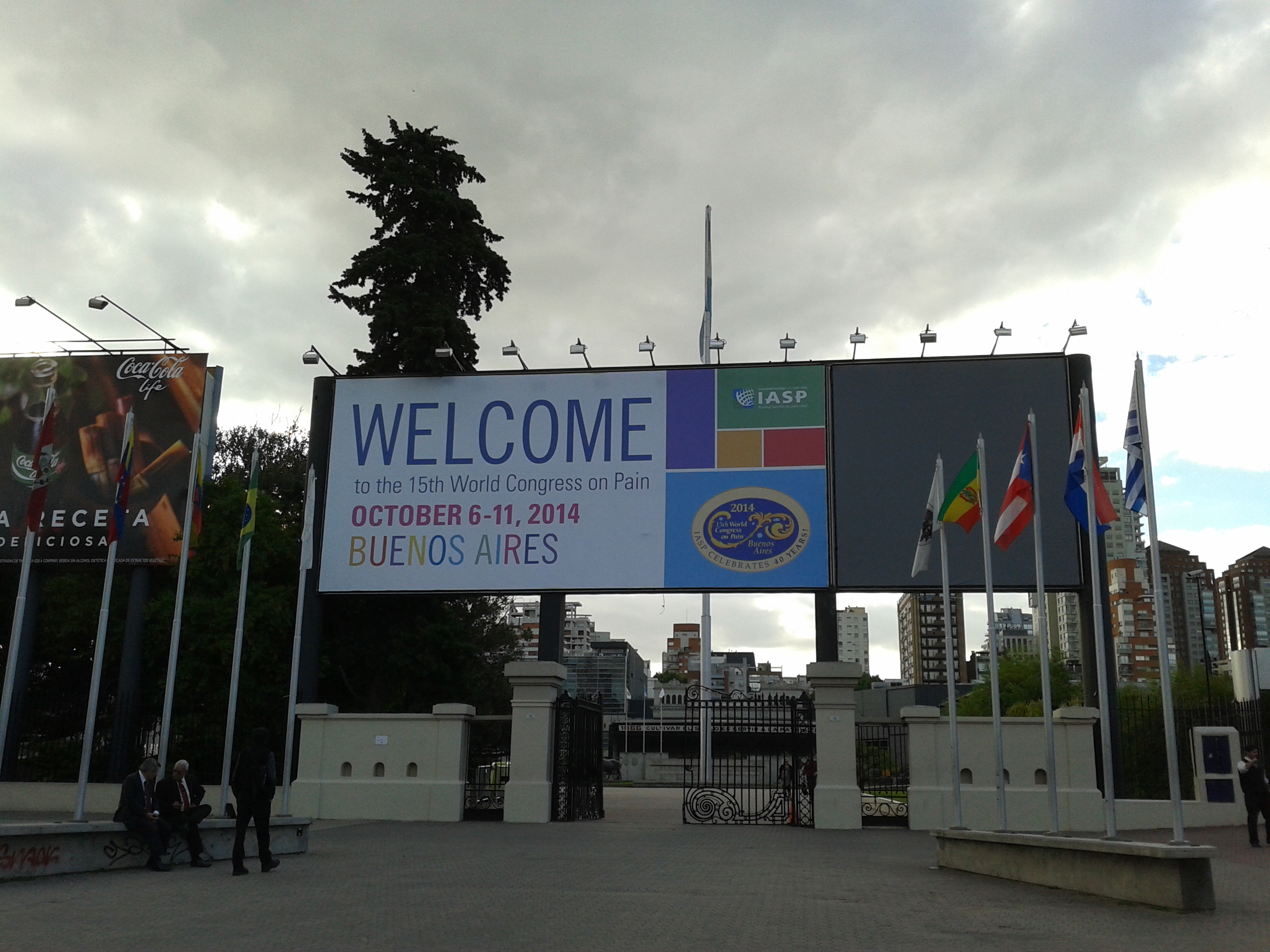
Colleagues from HSC at BU and the AECC delivered their abstract at the 15th World Congress on Pain – hosted by the International Association for the Study of Pain. The pilot study investigated perceptions of movement in the lower back in those with chronic low back pain. The findings in this small sample revealed that those with back pain were more sensitive to movement than those without back pain. Aspects of this study are being continued as part of a match funded PhD project.
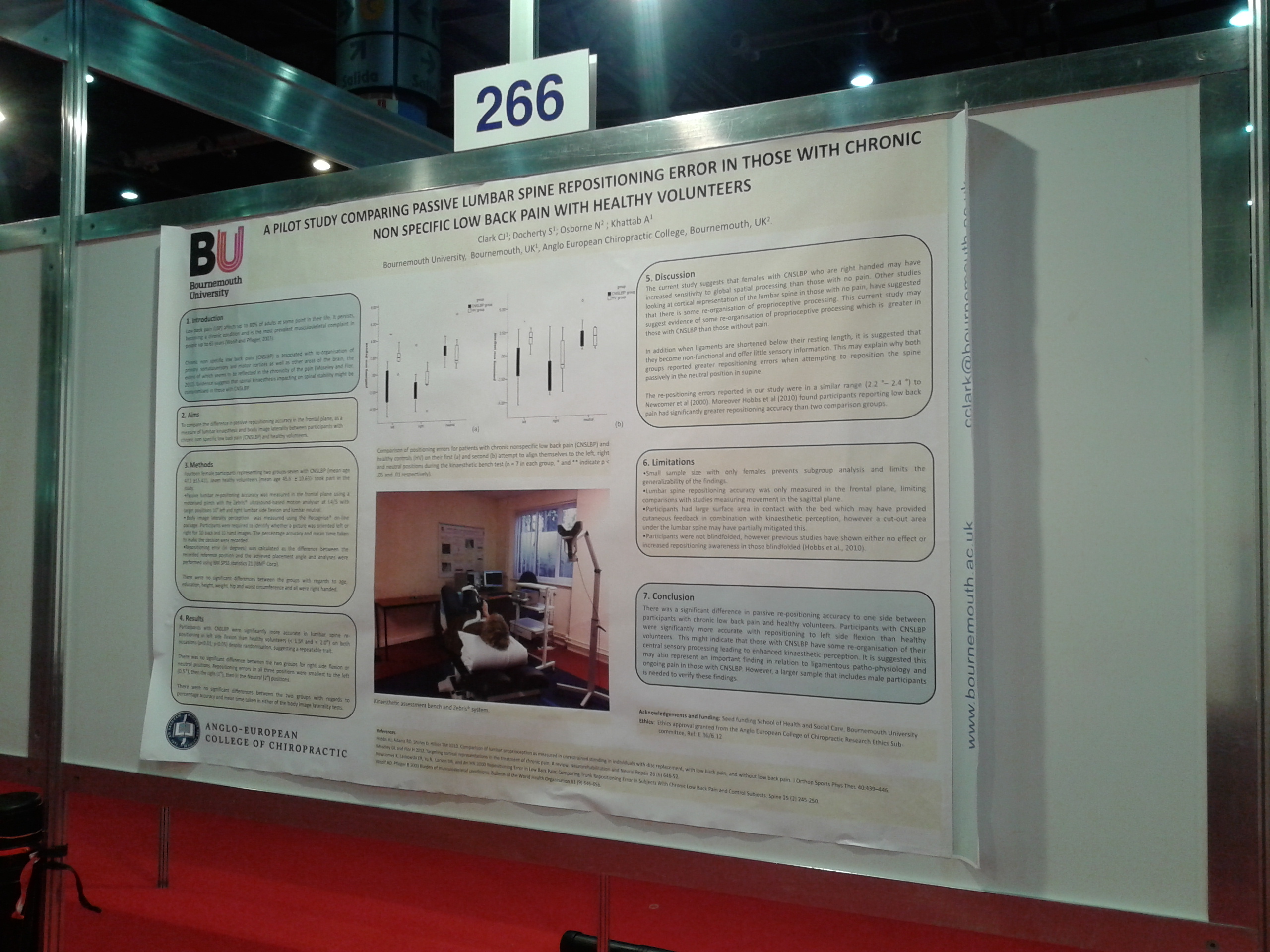 The project team consist of: Dr. Carol Clark (BU), Dr. Neil Osborne (AECC), Dr. Sharon Docherty (BU), Dr Dave Newell (AECC), Professors Ahmed Khattab (BU), Jeff Bagust (AECC & BU) and PhD student Sara Glithro.
You can access the conference abstract here: https://brian.bournemouth.ac.uk/viewobject.html?id=186189&cid=1
You can access the journal paper here: Clark, C.J., Doherty, S, Osborne, N, Khattab, A 2014. A pilot study to compare passive lumbar spine re-positioning error in those with chronic low back pain. International Musculoskeletal Medicine 36 (3) 105-110
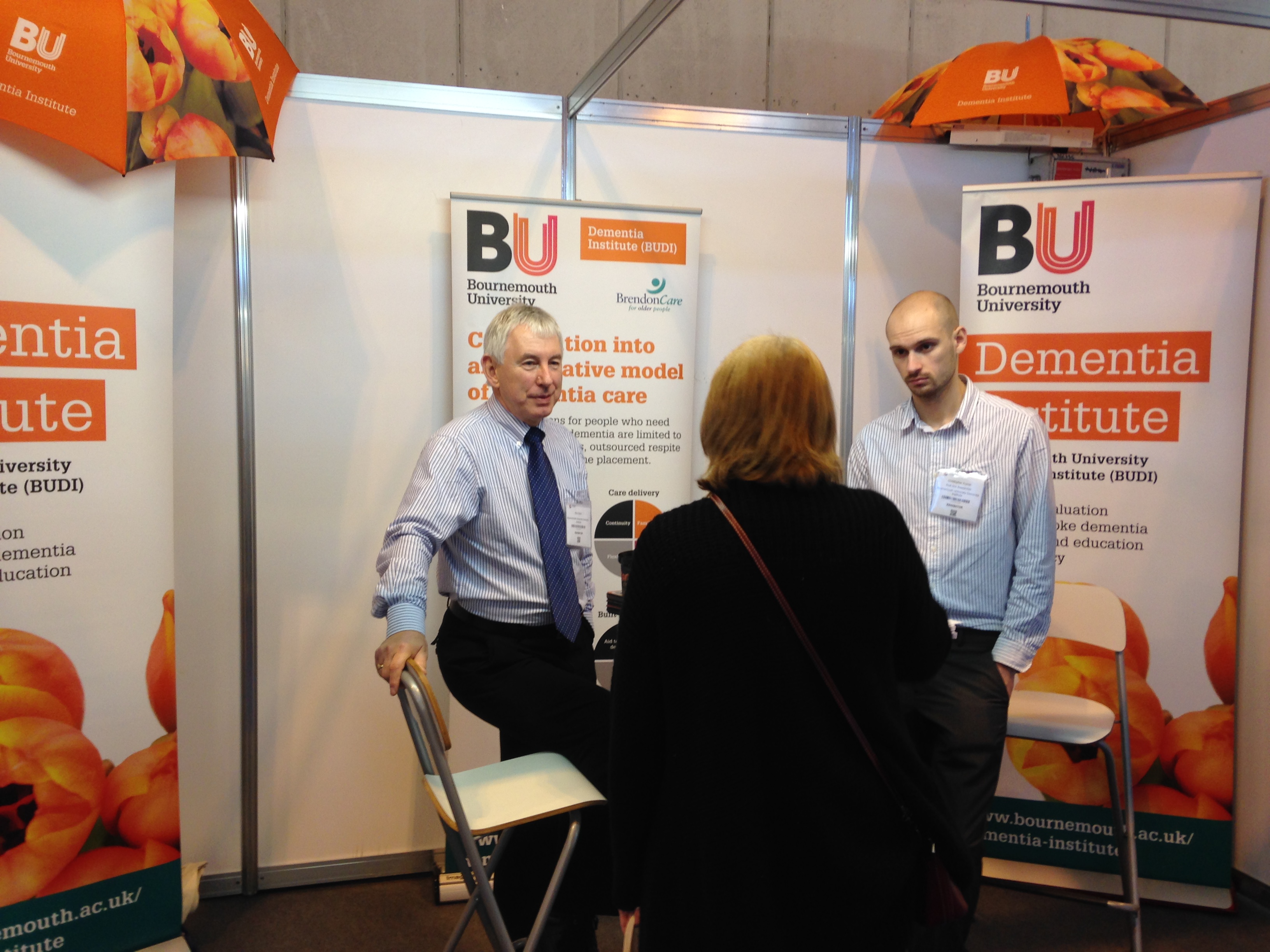
On the 4th and 5th of November, I represented Bournemouth University Dementia Institute (BUDI) at the Birmingham Care Show with my colleagues Clare Cutler and Dr Rick Fisher. This show attracted over 350 national exhibitors from many sectors of the care industry, including care home providers. This was a fantastic opportunity for BUDI to network and meet a range of potential collaborators. During the event we met over 200 delegates, many were interested in our bespoke educational services and our forthcoming MSc Applied Dementia Studies programme (due to start in September 2015 subject to validation).
The event demonstrated the current focus on making services and products within the care industry ‘dementia friendly’. Many of the displays were heavily influenced by a medical perspective of dementia care, such as medicine compliance aids and monitoring technologies. However, I also noticed small businesses promoting a more psycho-social approach, including one organisation who delivered drama sessions to help carer’s gain an empathetic understanding of what living with dementia is like. The experience was, for me as a PhD student within BUDI, a good opportunity to meet practitioners in the field of dementia care, and to see first-hand the range of products and services on offer to people affected by dementia.
Chris Poyner, PhD student, BUDI
BU staff can login below:







 ESRC Festival of Social Science 2026: An Opportunity to Engage New Audiences
 New HIV paper by BU PhD student
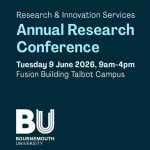 BU Annual Research Conference: Poster Exhibition Call for Applications
 Vitae Three Minute Thesis (3MT®) Competition: Applications Now Open
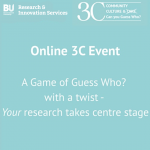 3C Online Social: Thursday 26 March 1–2pm – Research Culture, Community & Can you Guess Who?
 ECR Funding Open Call: Research Culture & Community Grant – Apply now
 ECR Funding Open Call: Research Culture & Community Grant – Application Deadline Friday 12 December ECR Funding Open Call: Research Culture & Community Grant – Apply Now
 MSCA Postdoctoral Fellowships 2025 Call
 ERC Advanced Grant 2025 Webinar MSCA Postdoctoral Fellowships 2025 Call ERC Advanced Grant 2025 Webinar MSCA Postdoctoral Fellowships 2025
 Update on UKRO services
 European research project exploring use of ‘virtual twins’ to better manage metabolic associated fatty liver disease
 Research Information Network