About SDRC
Studies of surface wear mechanisms and integration of sustainable development issues within advanced engineering components and systems is the underlying principle of this research centre. Issues of tribology (friction, wear and lubrication) are studied to help understand their influence on product durability and energy consumption. SDRC has significant industrial funding and partnership in research into structural integrity in terms of corrosion, corrosion condition monitoring and prediction, nano coatings, oil condition monitoring, renewable technology & rolling contact failure.
The activities of SDRC include four areas
- Tribology
- Renewable Technology & Sustainable Design
- Structural Integrity and
- Design Education.
The Centre has extensive experimental and analytical resources to assess wear mechanisms of rolling and sliding contacts, corrosion simulation, renewable technology and surface analyses. These include rotary tribometer, micro-friction machine, corrosion simulation chamber, solar-thermal heat transfer & thermal expansion bench testing, 2D and 3D surface analysis techniques.
We have formed strong partnerships with multinational companies such as SK&F (Netherlands), Oakland Ridge National Laboratories (USA), Royal National Lifeboat Institution (RNLI), Future Energy Source Ltd, Defence Science & Technology Laboratory (DSTL) Ministry of Defence, Schaeffler, Energetix, Smith & Nephew plc, The Tank Museum, Poole Tidal Energy Partnership, Balmain Trust and have secured funding from The Royal Academy of Engineering and EPSRC.
Collaborative work is also being carried out with other universities such as Oviedo University in Spain, County Carlow Institute of Technology in Ireland, University of Wisconsin Milwaukee USA, PES Institute of Technology Bangalore India and National Institute of Technology Srinagar India.
Research Themes within SDRC
Tribology
Design for Whole Life Cycle managed Programme titled “Sustainable Development of Mechanical Systems using replacement environmental acceptable refrigerants” (£110K EPSRC plus £8K in kind from BP Castrol Technology Centre) was completed in this area of research. This research theme was further developed by another EPSRC funded studentship (£45K) with BP Castrol and Plint and Partners as industrial collaborators.
EPSRC previously funded two industrial CASE projects, “Sustainable design of lifeboat launching systems”, (£65K) and “Tribology Tests Using Oil Condition Monitoring Techniques” (£130+704K + 4K) with the Royal National Lifeboat Institution. This research is looking to identify a non-invasive condition monitoring approach that is suitable for the RNLI mode of operations and maintenance environment.
A BU funded research looking into Sustainable Design of Domestic Micro Combined Heat and Power (CHP) systems was recently completed. Micro CHP systems are very efficient and effective in generating electricity and in producing heat and hot water simultaneously.
SK&F Engineering and Research Centre (The Netherlands) have fully funded 3 PhD studentships (£38K, £54K and £57K), one fellowship (£70K) and a number of short-term projects (£16K).
Schaeffler is match funding a PhD studentship (£24K plus £41K in kind) looking into Electroplated composite coatings with incorporated nano particles for tribological systems with a focus on water lubrication. Schaeffler develops and manufactures precision products for machines, equipment, vehicles and aerospace applications. Schaeffler is a leading manufacturer of bearings worldwide and a renowned supplier to the automotive industry.
Renewable Technology & Sustainable Design
It is envisaged that further expansion of this research area, in conjunction with a large commercial partner could potentially produce a substantive portfolio of academic activity.
Renewable Technology has been identified as a BU cross-school and cross-disciplinary area within the BU’s Technology & Design Theme. The research engagement and funded projects have significantly increased in a short period of time. SDRC has been actively engaged with Poole Tidal Energy Partnership. Students led projects in mechanical current turbine and heat pumps have been completed in partnerships with the local community interest groups and stakeholders in renewable technology.
This theme has led to strong collaborative links with industry interested in renewable technology. Future Energy Source is fully funding (£49K plus in kind support £50K/year lab staff over four years, £10K/year estates costs over four years & £20K lab equipments in solar-thermal simulation and thermodynamics expansion lab) PhD research in “Research and development in novel alternative renewable energy technology” and a second project (£48K) in “Experimental investigation and mathematical modelling of dynamic equilibrium of novel thermo fluids for renewable technology applications”. In addition another short term research project looking into quantitative assessment of existing bench testing in Renewable Technologies (£3600) is funded by Future Energy Source Ltd.
Significant partnerships have been established with cross-channel academic and industrial partners within renewable technology in mechanical current turbines (tidal and fluvial) to work towards the EU strategy of renewable technology. AmpereWave has shown interest in research collaborations with SDRC. Balmain Charitable Trust is match funding (£30K) PhD in “An optimised tidal energy design for Poole harbour”.
SDRC is actively working with industry and continues to support renewable technology and sustainable design projects in the form of enterprise, short courses and consultancy.
The Centre has completed a Knowledge Transfer Partnership (KTP) projects with Electronic Technician Limited. The partnerships were to improve the competitiveness and productivity of the companies through the better use of knowledge, technology and skills.
Structural Integrity
The Tank Museum at Bovington is one of the world’s largest museums which has over 300 historic military vehicles. These vehicles are subject to structural deterioration through corrosion, corrosion fatigue, stress corrosion cracking and mechanical failures. The Tank Museum at Bovington match funded (£25K + £3600) a PhD research programme in “Sustainable Methodology of Conserving Historic Vehicles”. This project provided an understanding of military vehicle preservation from a predominantly technical viewpoint with aspects of project management and ethics of museum artefacts. The interesting aspects of this project with the Tank Museum are the requirements to run and operate large and heavy vehicles after periods of non-use in various humidity and temperature environments.
The current research in collaboration with the Tank Museum has made significant contributions to knowledge creation and exchange through coupling research in UG and PGT live projects with The Tank Museum. The outcomes to date have been disseminated through prestigious international journals (Insight: Non-Destructive Testing and Condition Monitoring, Journal of Materials Performance and Characterisation, Engineering (ASTM) & Tribology Transactions), commercial articles and international conferences as invited keynote speaking at Cranfield University, Oxford University, Cardiff University, The Institute of Physics and Time Higher Education.
The findings have also attracted international industrial players in corrosion, structural deterioration and materials’ characterisation, who have been involved through in-kind support such as NASA Materials Testing and Corrosion Control Branch (joint research publication). BAE Systems, Technology Design Limited, PANalytical Ltd, Analatom, PMI Analytical, Carl-Zeiss Cambridge and West-Dean Chichester (in kind £21K in total) in experimental resources.
Defence Science and Testing Laboratories (DSTL), Ministry of Defence is match funding (£22.5K) PhD studentship in “In-situ corrosion health monitoring and prediction in military vehicles.
Design Education
Teaching development based on research was the basis of the successful grant from the Royal Academy of Engineering grant in Sustainable development to second a visiting professor (£98K over five years). This activity has resulted in learning and teaching resource used for teaching all levels of design group programmes and by other UK and European universities.
The historical research area of the SDRC, as evidenced by the themes above, has revolved around the highly technical aspects of sustainable design, namely the techno-centric dimension. However, more recently, the research of the SDRC has expanded to encompass the socio-cultural aspects of sustainable design. Initially, this developed from the area of sustainable design education with the awarding of an HEA grant to build a web-based learning resource for the socio-centric dimension, however, this has now expanded through consultancy work currently being undertaken, and through current bidding for funding, for example, to investigate how product life spans may be extended by re-designing products with a focus on product attachment.
SDRC has established long standing collaborations with University of Wisconsin Milwaukee USA, PES Institute of Technology Bangalore India, National Institute of Technology Srinagar India and Oviedo University Spain.
SDRC has visiting professors from PES Institute of Technology Bangalore India, National Institute of Technology Srinagar India and visiting research fellows from Oviedo University Spain
Current PGRs & Research Projects
| Surname |
First Name |
Project Title |
| ALKHATEEB |
Maryam |
Element, Use and Meaning: Between the Vernacular and Current Interiors in Saudi Arabia, Eastern Region. |
| ANAND |
Mayank |
A Condition Based Approach to the Tribology of RNLI Marine Systems |
| AWAN |
Abdul Waheed |
Defect Tolerance Assessment of Silicon Nitride in Rolling Contact |
| MAHER |
Carmel |
Practice Based Design Research: Development of research models, methodologies and evaluation criteria appropriate to its intellectual culture. |
| MORGAN |
Alan |
Optimisation of Braking Systems and Sustainable Design in Traction Drive Passenger and Goods Lifts |
| NASSEF |
Iman |
A Market Driven Standard for a High Quality Graduate |
| SAEED |
Adil |
Sustainable Methodology of Conserving Historic Vehicles |
| WEN |
Zheming (Bruce) |
Research and development in novel alternative renewable energy technology |
| NAZIR |
Mian Hammad |
In-situ corrosion health monitoring and prediction in military vehicles |
| BAJWA |
Rizwan |
Electroplated composite coatings with incorporated nano particles for tribological systems with the focus on water lubrication |
| HÜSEYN UTKU |
Helvaci |
Experimental investigation and mathematical modelling of dynamic equilibrium of novel thermo fluids for renewable technology applications |
Public Engagement
http://blogs.bournemouth.ac.uk/research/2013/05/23/renewable-energy-and-renewable-technology-public-engagement-event/
SDRC Membership
- Ben Thomas
- Christine Keenan
- Clive Hunt
- Franziska Conrad
- Gary Underwood
- Kamran Tabeshfar
- Mark Hadfield
- Nigel Garland
- Sarah Palmer
- Tania Humphries
- Tilak Ginige
- Zulfiqar Khan
Contact Us
For research, enterprise or professional practice inquiries within SDRC themes please contact
Dr Zulfiqar Khan (Associate Professor)
Director SDRC
zkhan@bournemouth.ac.uk










 maternity report. The session, funded by the Wellcome Trust, was held at the Royal College of Obstetricians and Gynaecologists in London – an appropriate place given the balance of power at the time of the report. BU Professors Vanora Hundley and Edwin van Teijlingen were invited to attend as part of the selected audience at the session.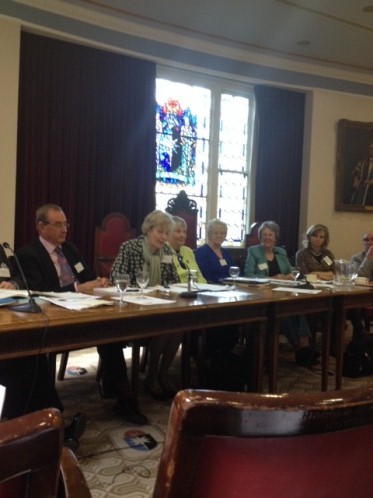







 New BU Physiology paper
 Gender and street names
 Help Shape the Future of Research at BU: Postgraduate Research Experience Survey 2026 Now Open
 3C Event: Research Culture, Community & Cherry Blossom – Tuesday 14 April
 REMINDER: 3MT® Competition – Deadline 9am Monday 20 April
 New academic paper on Nepal
 ECR Funding Open Call: Research Culture & Community Grant – Apply now
 ECR Funding Open Call: Research Culture & Community Grant – Application Deadline Friday 12 December
 MSCA Postdoctoral Fellowships 2025 Call
 ERC Advanced Grant 2025 Webinar
 Update on UKRO services
 European research project exploring use of ‘virtual twins’ to better manage metabolic associated fatty liver disease