British Chiropractic Association Autumn Conference 2015, Bournemouth
I was delighted to have been invited to speak at the British Chiropractic Association’s Autumn Conference 2015, at the Marriot hotel, Bournemouth, perfectly situated to watch the sun glistening on the Channel. The beautiful weather was fitting for a particularly celebratory occasion with chiropractors travelling from all over the world to gather and celebrate 90 years of the BCA and 50 years of AECC. To be included as a speaker alongside some of the top researchers in the musculoskeletal field, and sharing the stage with no less than Professor Alan Breen, was slightly nerve-racking but also a very great honour.
Look Inside: MRI and quantitative fluoroscopy in the future

Photo taken by Stephen Perle DC
Alan Breen first started experimenting with what is now known as quantitative fluoroscopy (QF), taking measurements from motion x-rays, in the 1980s but it was not until the 2000s that computing power was sufficient to make this a reality. QF has since been found to be accurate and reliable in the measurement of inter-vertebral motion in both the cervical (my PhD work) and lumbar spines, and has been commercialised in the United States. It should start appearing in European hospitals within the next few years – watch this space. What will be possible with QF is a more accurate measurement of spinal stability to better inform surgical decisions and also the potential to better guide conservative treatment. The examples given from a case series during the presentation included showing that suspected lumbar instability is often not confirmed (therefore the potential to avoid unnecessary fusion surgery) and where it is present there is perhaps an increased chance of good surgical outcomes. Also, manipulation/mobilisation might be better targeted at identified segmental restrictions, and exercise therapy better directed where hypermobile or lax joint motion is present.
Alan’s part of the presentation included discussing what was possible with an open-MRI. Aside it being preferable for claustrophobic patients, the ability to image patients weight-bearing has meant the identification of disc hernia in some patients that would have been missed if imaged lying-down, therefore open-MRI is likely to play an important role in improving the diagnosis of persistent radicular pain. He also touched on diagnostic ultrasound which is showing value particularly in the diagnosis of soft-tissue injury of the extremities.
We are only at the beginning of finding out if the potential of QF (and other imaging techniques) will be fully realised, that of improved outcomes for patients with neck and back pain. Its use, like that of MRI, is likely to be restricted to those patients with particularly problematic spinal pain, but it (and open-MRI/diagnostic ultrasound) is a welcome addition to the diagnostic armamentarium of the chiropractor and other musculoskeletal professionals. And it was developed, not by a massive multinational corporation, but by a member of the BCA at AECC, a partner college of BU. Now that is worth celebrating.
Dr Jonathan (Jonny) Branney
Lecturer in Adult Nursing
Faculty of Health and Social Sciences
NB: This is a truncated version of a longer blog that can be found here






 Today I attended a contract-signing meeting at the Department of Health, Physical and Population Education at Nepal’s oldest university, Tribhuvan University (TU).
 Midwives (ANMs) about the key mental health issues in pregnancy and in the months after birth. A local charity Green Tara Nepal (GTN) will support the work through some of the curriculum design, sensitising UK volunteers to live in rural Nepal, assisting in translating, as well as helping to recruit the local health workers. The two UK universities have a long history of working with GTN as well as its sister organisation Green Tara Trust (GTT), a Buddhist charity based in London. The new project will be based in Nawalparasi in the sub-tropical part of the country bordering India. The target population consists of grassroot health care practitioners since there are no doctors in these rural villages.
 2016 (15-16 Feb.).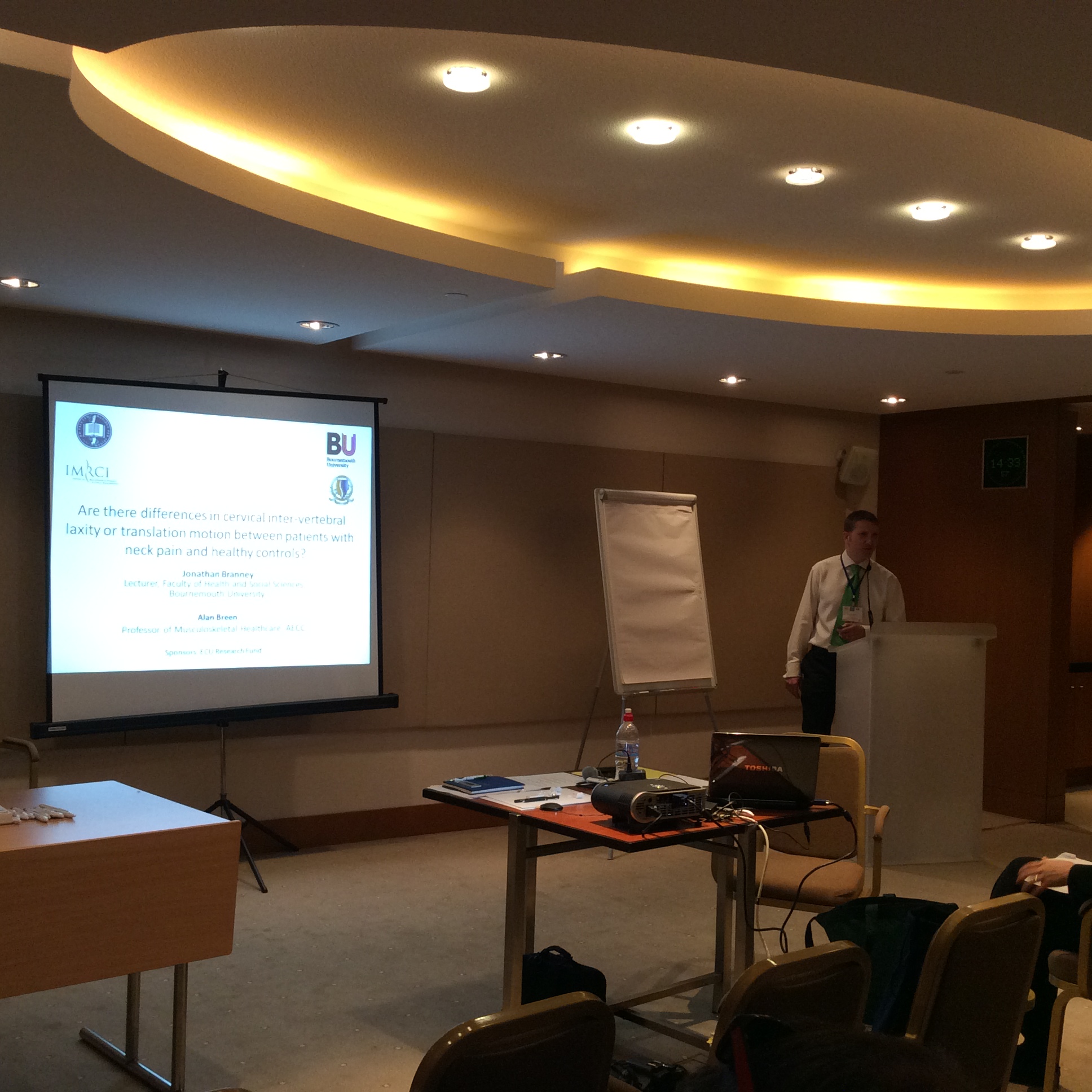









 Emily Rosenorn-Lanng Research Assistant
 Rebecca Johnson Research Assistant
![FullSizeRender[1]](http://www.ncpqsw.com/wp-content/uploads/2015/01/FullSizeRender1-150x150.jpg) Sarah Wincewicz Research Admin Assistant
Sarah Wincewicz Research Admin Assistant

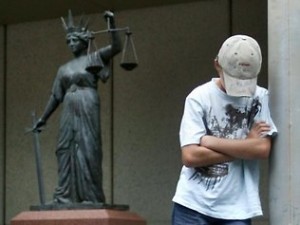 Thanks to Fusion Investment Funding, the developing Forensic Psychology group in SciTech will be working on an international project aimed at improving the UK’s management of child suspects of crime.
 Young offenders have been shown to have increasingly delayed neuro and socio-cognitive development in comparison to their non-offending peers, leading to deficits in inhibition, attention, time-perception, perspective-taking and interpersonal abilities (Al-Attar, 2010). These additional developmental delays mean that the established age-related difficulties experienced by children in interview are likely to be greatly exaggerated in suspects. Without additional precautions to account for these extended (but often well-hidden) difficulties, evidence from child suspect interviews can be inaccurate or misleading, resulting in the potential for serious miscarriages of justice. With a suspect’s testimony often being key to their own prosecution, its reliability as evidence is central to a fair trial – a basic human right.










 New interdisciplinary paper on Nepal
 National Postdoc Appreciation Week 2026: The Changing Landscape of Postdoc Careers
 NIHR Insight South West Central Conference 2026 at Bournemouth University
 BU PhD student presented at World Safety Conference in South Africa
 Horizon Europe Cluster 3 (Civil Security for Society) 2026 Calls Now Open
 MSCA Doctoral Networks 2026 Call Information Webinar
 ESRC Festival of Social Science 2026: Application Deadline Extended to Thursday 25 June 2026
 Reminder: Register for the ESRC Festival of Social Science 2026 Information Session
 ECR Funding Open Call: Research Culture & Community Grant – Apply now
 ERC Advanced Grant 2025 Webinar
 Update on UKRO services
 European research project exploring use of ‘virtual twins’ to better manage metabolic associated fatty liver disease