The long awaited 10-year health plan for England emphasises the use of digital technologies and the aspiration to “make the NHS the most AI-enabled health system in the world”. This requires expertise in artificial intelligence and data science, but interdisciplinary collaboration is also essential if we are to make this a reality.
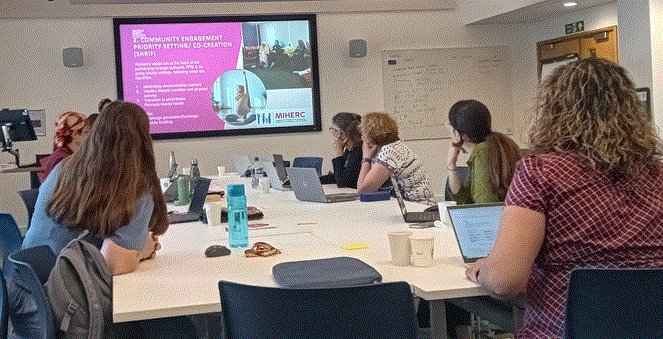
The Maternal and Infant Health Equity Research Centre (MIHERC) aims to do this by bringing together experts in maternal health, behavioural science, AI and digital health to help drive innovative solutions through co-production and real partnership, ensuring better outcomes for all women and babies. MIHERC is led by Professor Hora Soltani at Sheffield Hallam University (SHU) in collaboration with key partners including Bournemouth University (BU), the City of Doncaster Council and South Yorkshire Digital Health Hub.
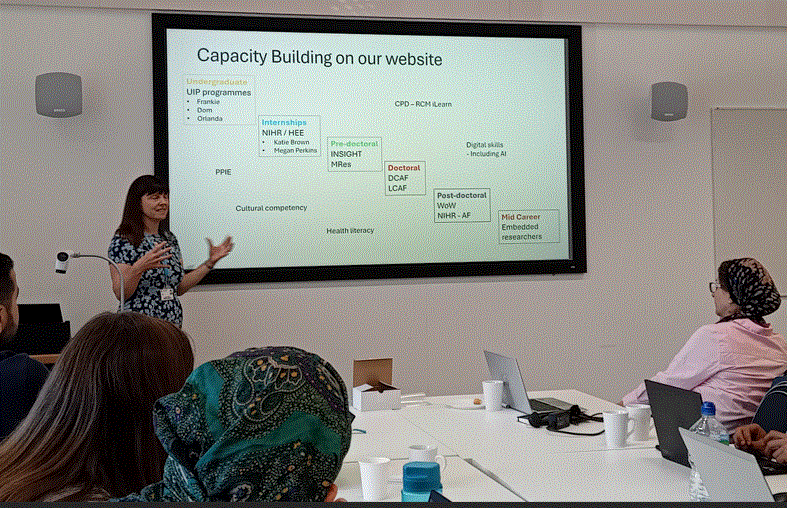
Alongside Professor Vanora Hundley, who has been appointed as a Capacity Training and Development Lead, Professor Huseyin Dogan and Prof Alessandro Di Nuovo from MIHERC will be co-leading the cross-cutting workstream titled “digital, data, monitoring, evaluation and implementation science” as part of the NIHR Maternity Disparities consortium. This workstreams aims
– to identify and test trusted, reliable AI technologies for deployment by the NHS to help reduce disparities;
– to develop and refine equity monitoring, real-world evaluation and implementation science methods for use in maternity disparities research, with a focus on enhancing their robustness and practical application;
– to embed advanced analytic and digital tools and implementation frameworks into maternity disparities research to improve the rigor and impact of studies on equity; and
– to build a community of practice within and external to consortium to develop analytical, methodological, and implementation science capacity.
The BU key academics are: Huseyin Dogan, Vanora Hundley, Edwin van Teijlingen, and Deniz Çetinkaya. Please do get in touch with the MIHERC team for further information.


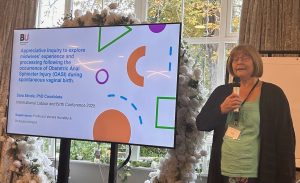 Sara was presenting her doctoral work where she has used appreciative inquiry to explore midwives’ experience and processing following the occurrence of Obstetric Anal Sphincter injury (OASI) during spontaneous vaginal birth. Sara said that she found the conference and networking opportunities “inspiring and helpful for her PhD.”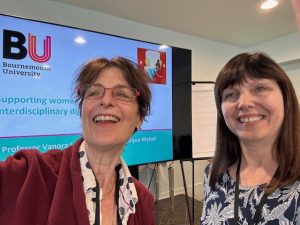
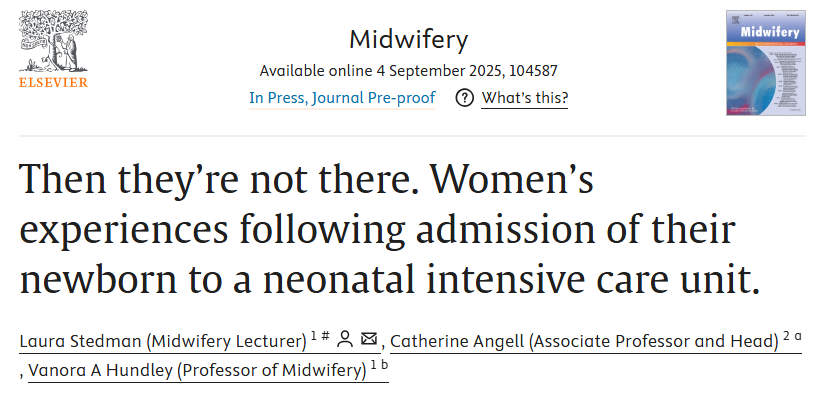
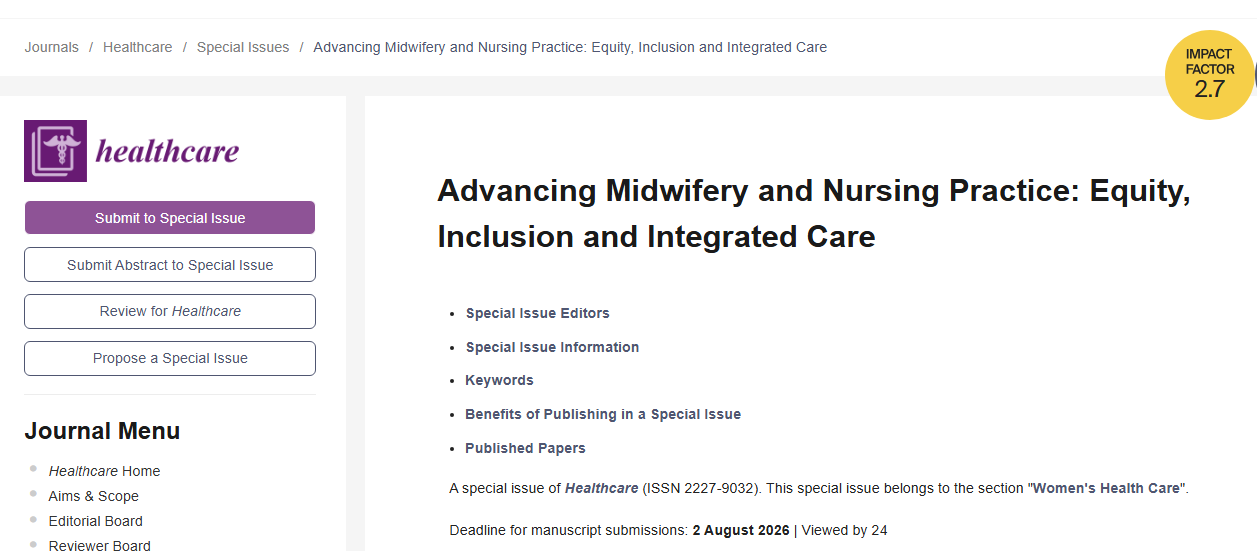




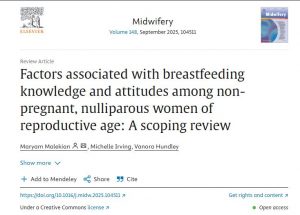 Malekian M, Irving M, Hundley V (2025) Factors associated with breastfeeding knowledge and attitudes among non-pregnant, nulliparous women of reproductive age: A Scoping review. Midwifery, vol 148, September, 104511

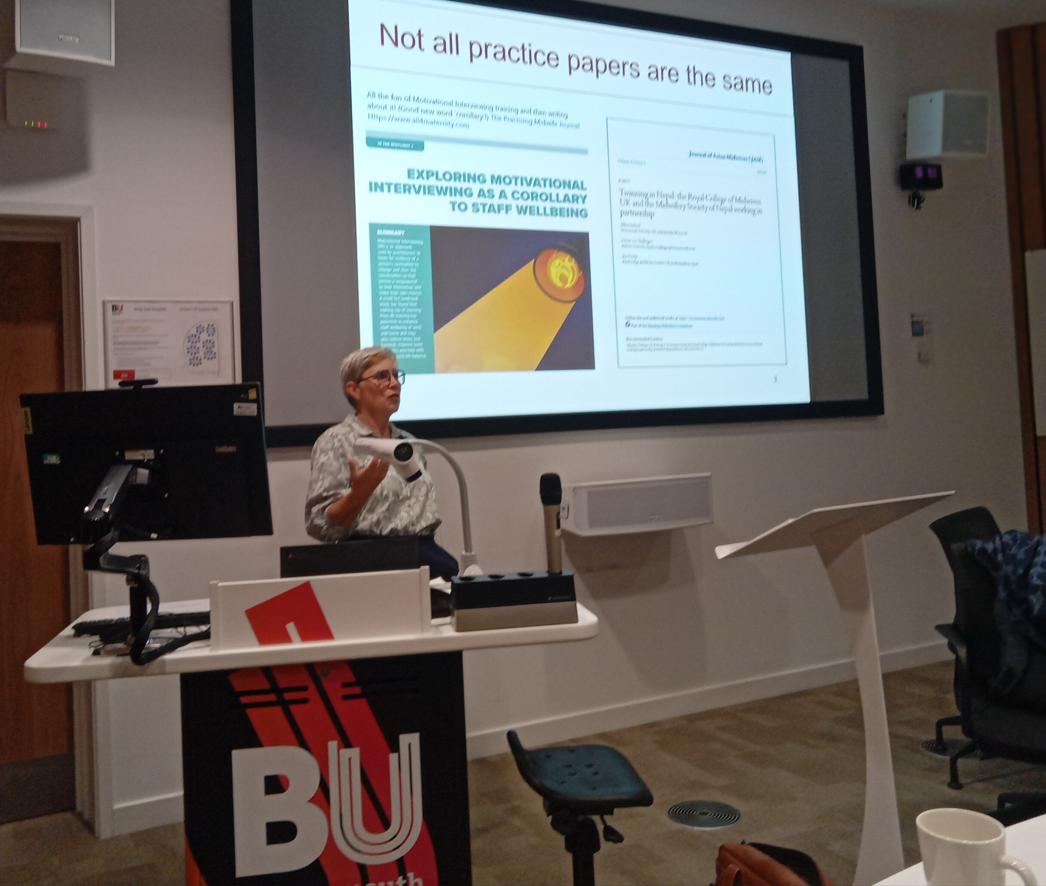
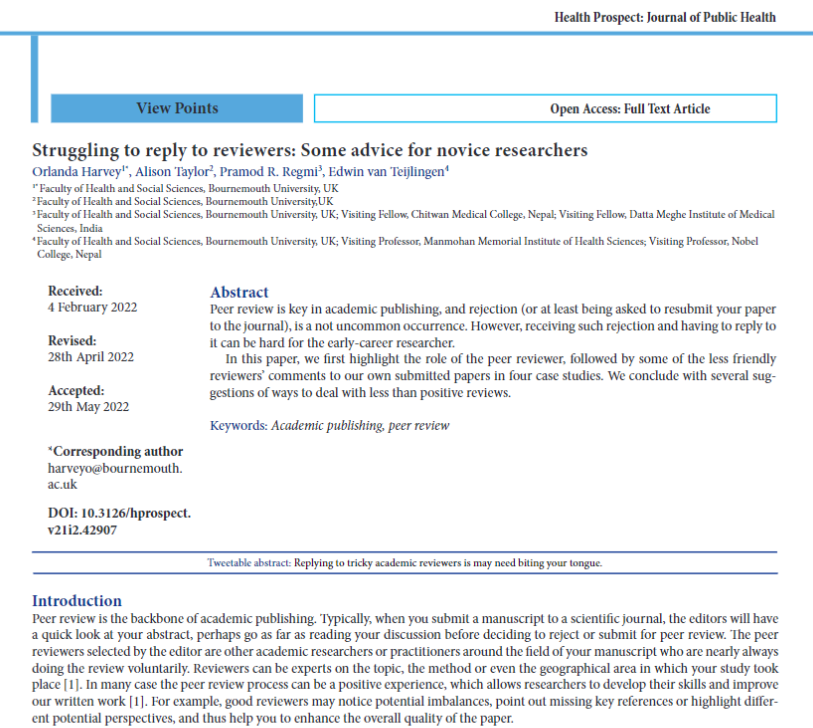
 The latest issue of
 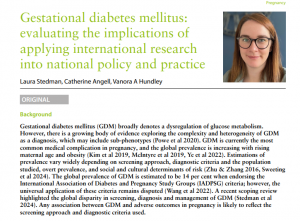 Laura Stedman reports on the global variance in screening approaches and diagnostic criteria for gestational diabetes mellitus (GDM). She explores the impact of these differences on policy recommendations and practice. Without a universally accepted screening criterion, the variance in approaches makes accurately calculating the prevalence of GDM difficult. Untreated GDM results in women being more likely to experience pre-eclampsia, caesarean birth or stillbirth, while babies are more likely to be born prematurely, macrosomic or large for gestational age.
 Also in this issue, Maryam Malekian, a MRes student in CMWH, has had her scoping review protocol published. Maryam has recently completed the review looking at knowledge and attitudes of nulliparous women regarding breastfeeding. She presented this work at the Maternal, Parental and Infant Nutrition and Nurture Unit (MAINN) Conference in April and has submitted the findings for publication.







 Verbal autopsy paper published two days ago
 ESRC Studentships for 2027 Entry: Opportunity Now Open
 SONAMONI contributions to Safety Conference 2026 in South Africa
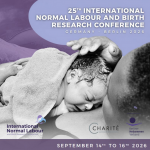 Three CMWH presentations at Berlin conference
 Horizon Europe Cluster 3 (Civil Security for Society) 2026 Calls Now Open
 MSCA Doctoral Networks 2026 Call Information Webinar
 ESRC Festival of Social Science 2026: Application Deadline Extended to Thursday 25 June 2026
 Reminder: Register for the ESRC Festival of Social Science 2026 Information Session
 ECR Funding Open Call: Research Culture & Community Grant – Apply now
 ERC Advanced Grant 2025 Webinar
 Update on UKRO services
 European research project exploring use of ‘virtual twins’ to better manage metabolic associated fatty liver disease
Explore our work, meet our partners, and find out how you can collaborate with us by clicking here! MIHERC is led by Sheffield Hallam University, with Bournemouth University as a key partner and the important funding coming from NIHR (National Institute for Health and Care Research) Maternity Challenge Initiative. The BU key academics are: Huseyin Dogan, Vanora Hundley, Edwin van Teijlingen, and Deniz Çetinkaya. Please share with all who may be interested.