Category / Social work

Insights into patient voices on digital access to health care – Journal of Community Nursing

Mel Hughes, associate professor in social work and deputy director of the Research Centre for Seldom Heard Voice; Stevie Corbin-Clarke, research assistant based within the National Centre for Post Qualifying Social Work and Research Centre for Seldom Heard Voices; and Peter Greensmith, chair, NHS England South West Transformation Patient Reference Group and previous chair of Weymouth and Portland Patient Participation Groups (PPGs) have had their paper ‘Insights into patient voices on digital access to health care’ published in the Journal of Community Nursing.

The paper analyses research that was conducted around the impact of digital exclusion on people at risk of marginalisation. Read this paper and others in the August/September edition issue, here: https://www.jcn.co.uk/journals/latest-issue/jcn

The research, commissioned by National Voices (a coalition of 170 health and care charities in England), also informed a national report exploring the impact of digital exclusion on access to services. You can find the report, here: https://www.nationalvoices.org.uk/publications/our-publications/unlocking-digital-front-door-keys-inclusive-healthcare

Congratulations to Dr. Orlanda Harvey on her latest paper

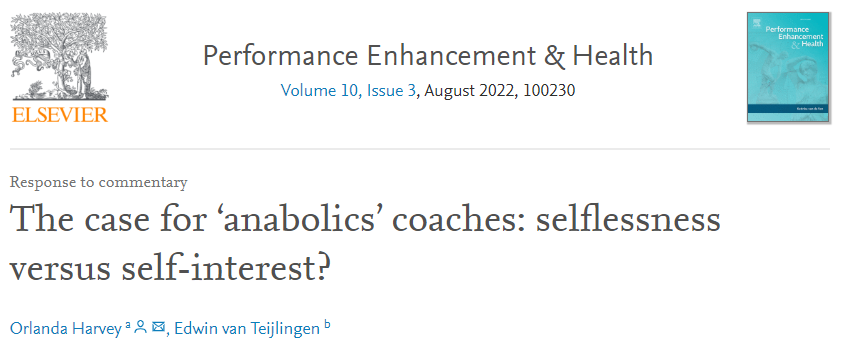
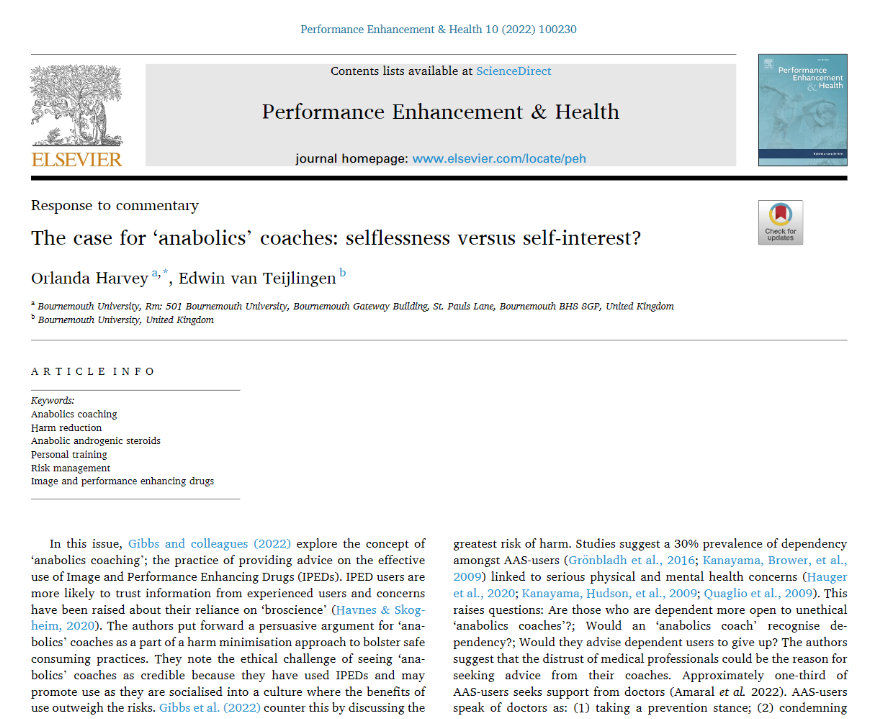
This week the journal Performance Enhancement & Health published Orlanda’s latest paper.  This time a Response to a Commentary under the title ‘The case for ‘anabolics’ coaches: selflessness versus self-interest?’ [1].   It is good to see Orlanda making her name in this research field, and the invitation by the journal to write this Response is evidence of this. Dr. Harvey is Senior Lecturer in the Department of Social Sciences & Social Work.

The authors highlight that in the UK AAS (Anabolics Androgenic Steroid) are classified as Class C substances and supplying AAS, including via online from outside the UK, sharing or giving them away free, is unlawful and can lead to a jail sentence. However,Despite being banned in many sports, the use of AAS per se is not illegal and, therefore, health promoters should offer advice, information and support to users as a pragmatic, although not perfect, solution. Since an ‘informal’ structure already exists, health promotion agencies should consider using ‘anabolics coaches’ in their endeavours. If ‘anabolics coaches’ could bring together the prevention-focused medical profession, a harm-minimisation approach, and those from the users’ subculture to develop a platform whereby they can take an inter-disciplinary approach then an opportunity exists to do a lot of good.

References:

  1. Harvey, O., van Teijlingen, E. (2022) The case for ‘anabolics’ coaches: selflessness versus self-interest? Performance Enhancement & Health, 10(3) August, 100230

Pokhara workshop on academic writing 2022

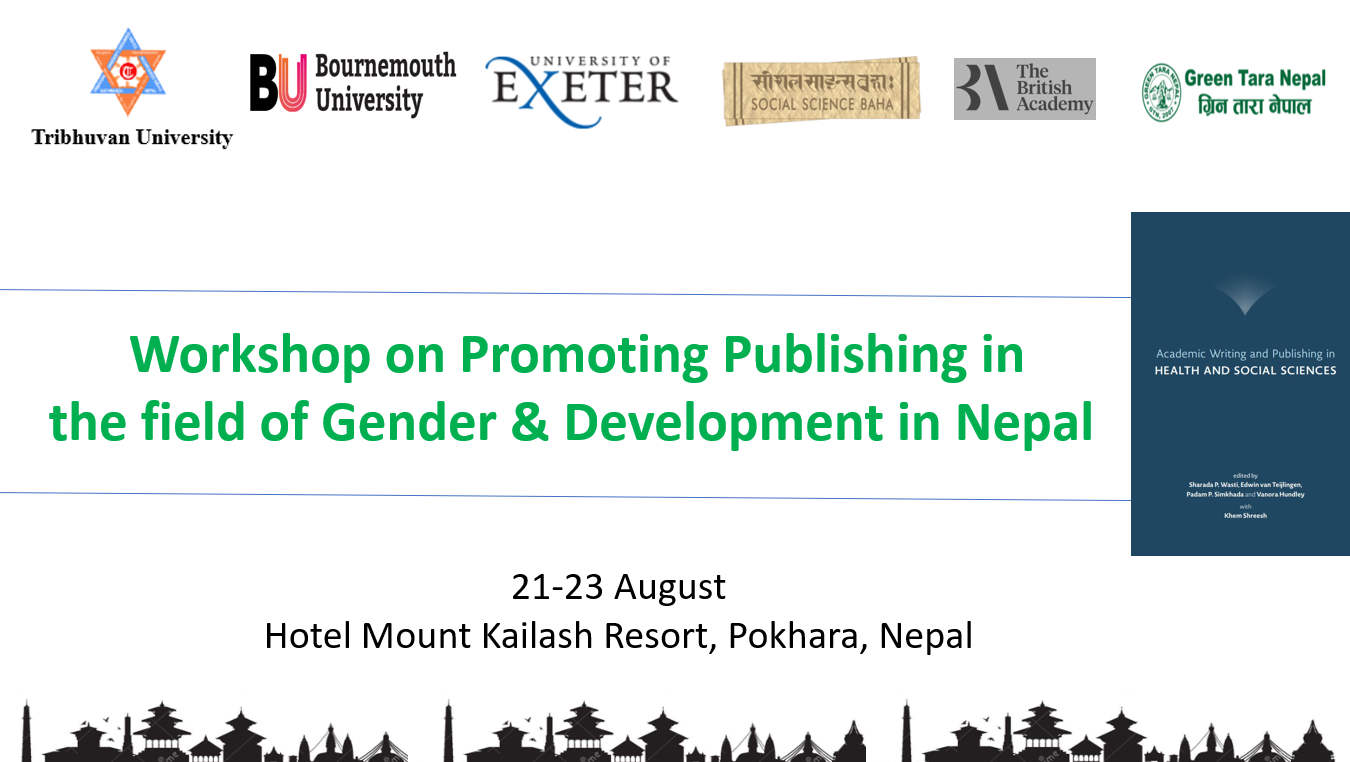
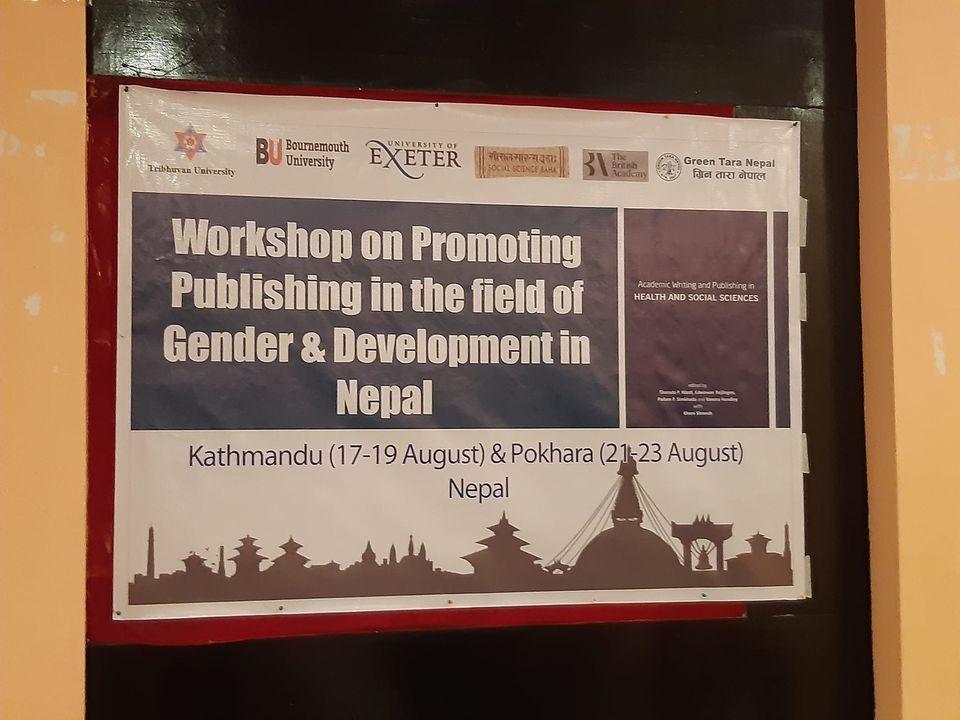
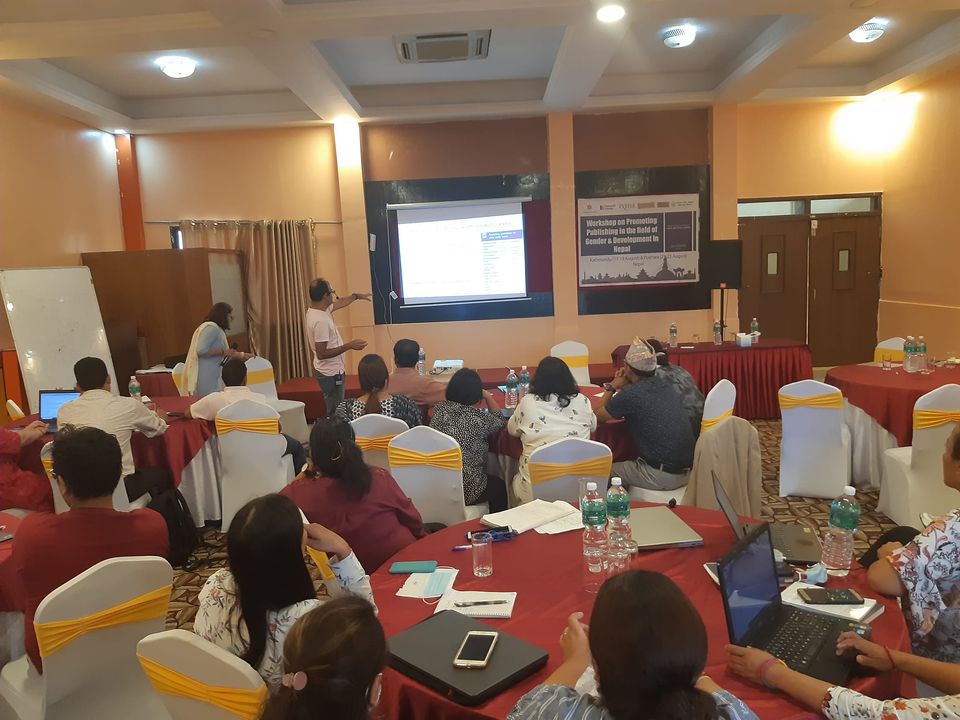
This week from Sunday till Tuesday (21-23 August) Hotel Mount Kailash Resort hosts a three-day writing and publishing workshop for academics and researchers.  The workshop is led by Dr. Shovita Dhakal Adhikari, Dr. Pramod Regmi and Prof. Edwin van Teijlingen all three from Bournemouth University in the south of England, Dr. Emma Pitchforth from the University of Exeter in the west of England, and Dr. Rashmee Rajkarnikar from the Central Department of Economics at Tribhuvan University.  Shovita highlighted: “As sociologist and a female researcher I think it is very important to address gender issues in all part of society, including academic writing and publishing.”

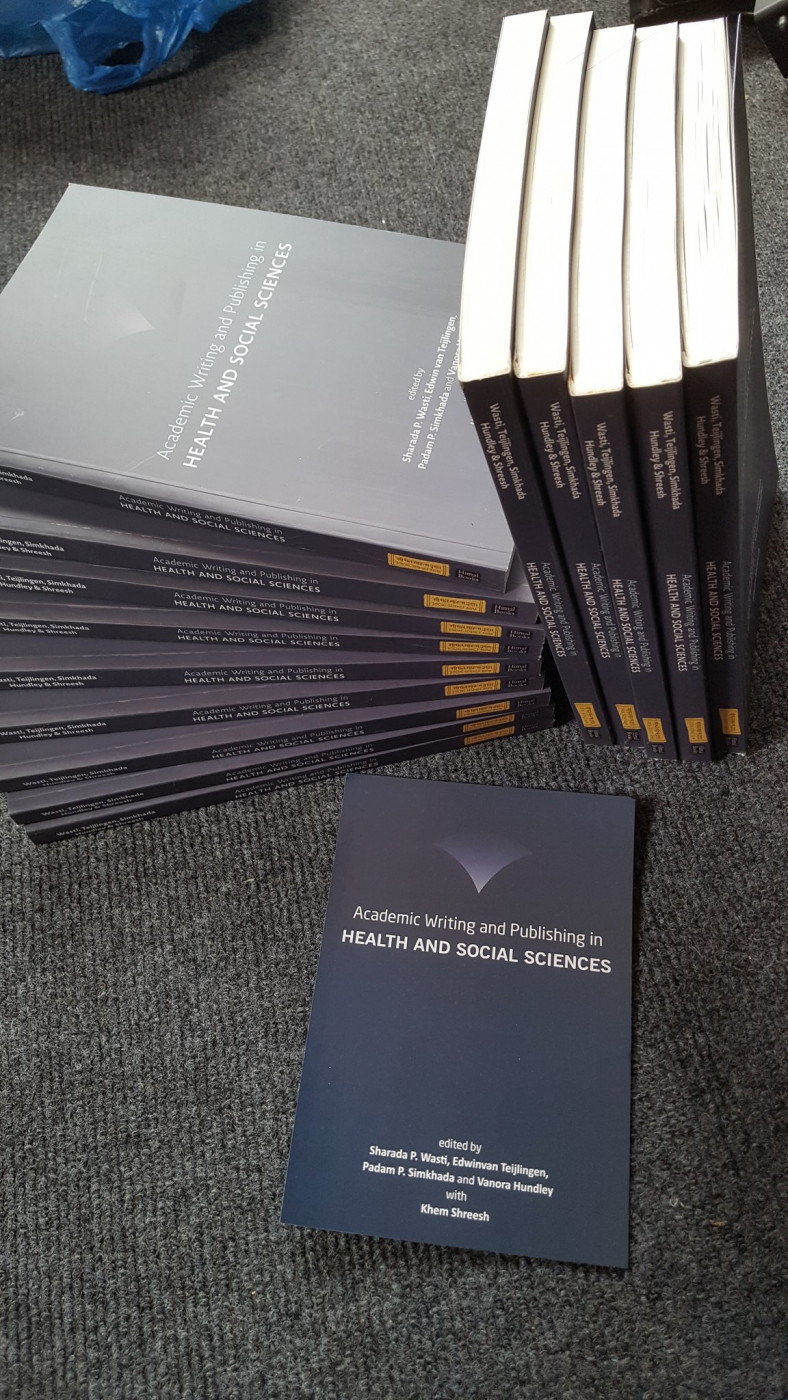
This workshop targeting young academics in and around Pokhara and it is funded by The British Academy.  The project builds research capacity of early career researchers researching gender in Nepal-based higher education institutions by improving their chances of getting published in international journals in English.   In Nepal the workshop is further supported by Social Science Baha and Green Tara Nepal.  The workshop centres around the 23 chapters of the textbook ‘Academic Writing and Publishing in Health and Social Sciences’ was published this year by Social Science Baha and Himal Books in Kathmandu. 

Dealing with difficult reviewers

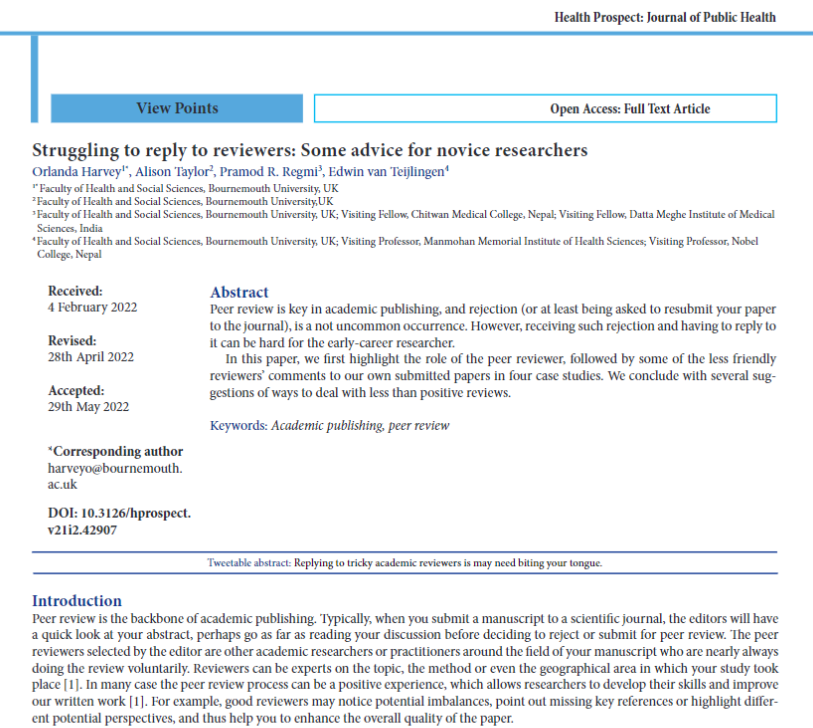
This week saw the publication of another Bournemouth University paper on academic writing and publishing.  This latest paper ‘Struggling to reply to reviewers: Some advice for novice researchers‘ has been published in the scientific journal Health Prospect: Journal of Public Health.  This  journal is published in Nepal and it is Open Access, hence freely available across the globe.

Peer review is the process by which academic journals assess and regulate the quality of content they publish, by inviting academic experts to review your submitted manuscripts.  It is a process of quality control. Once you have submitted your paper to a journal the editor will select potential peer reviewers within the field of research to peer-review your manuscript and make recommendations. In many case the peer review process can be a positive experience for you as it allows you to develop your skills and improve your written work.  For example, good reviewers may notice potential imbalances, point out missing key references or highlight different potential perspectives, and thus help you to enhance the overall quality of the paper.  On some occasions, however a reviewer can be a complete pain in the neck!

The paper is written by a multidisciplinary team based in the Department of Nursing Sciences (Dr. Regmi), the Department of Social Sciences and Social Work (Dr. Harvey), and the Department of Midwifery & Health Sciences (Dr. Taylor & Prof. van Teijlingen).  The authors bring their combined expertise in midwifery, social work, health education, sociology and health services research to offers the readers advice how to deal with the more difficult reviewers.


Reference:

  1. Harvey, O., Taylor, A., Regmi, P.R., van Teijlingen, E. (2022) Struggling to reply to reviewers: Some advice for novice researchers Health Prospect: Journal of Public Health 21(2):19-22

Important update – NIHR name change – 6th April 2022


The National Institute for Health Research changed its name yesterday (6th April 2022). To emphasise the enduring commitment to social care research, from today the NIHR will officially become the ‘National Institute for Health and Care Research’. The acronym ‘NIHR’ will remain unchanged.

This will bring them in line with the Department of Health and Social Care, the National Institute for Health and Care Excellence, Health and Care Research Wales and others.

Linked to this announcement are a range of investments and commitments to future work designed to deepen and broaden the range of social care research the NIHR supports.

  • An increase in spending of £5m a year has been dedicated to social care research, some of which will go towards funding an additional call run through the Research for Social Care programme. They will now be running two calls a year.
  • More good news – the RfSC will also start to fund research in the area of social care for children and young people, working in partnership with the Dept of Education.
  • There are also increases in funding to RfSC, HSDR and HTA for Social Care research.

Prof. Lucy Chappell, Chief Executive of the NIHR, said:

“It is our hope that today’s name change will inspire not just current and future generations of social care researchers, whose talent and expertise can revolutionise the social care sector, but also people who need care and support, carers, the public and those working in social care. The involvement of all these groups will be key to getting the right research to the right places in the right way.”

Your local branch of the NIHR RDS (Research Design Service) is based within the BU Clinical Research Unit (BUCRU)

We can help with your grant application. We advise on all aspects of developing an application and can review application drafts as well as put them to a mock funding panel (run by RDS South West) known as Project Review Committee, which is a fantastic opportunity for researchers to obtain a critical review of a proposed grant application before this is sent to a funding body.

Contact us as early as possible to benefit fully from the advice

Feel free to call us on 01202 961939 or send us an email.

The ‘Other Side of the Story: Perpetrators in Change’ (OSSPC) project

The ultimate aim of the ‘Other Side of the Story: Perpetrators in Change’ (OSSPC) project is a 2.5 year project which has aimed to prevent further violence and change violent behavioural patterns by increasing the capacity of professionals to support DVA perpetrators to change. The OSSPC project is a European Commission funded project between partners in the UK, Romania, Cyprus, Greece, and Italy. The UK team is a partnership between Dr Jade Levell at the University of Bristol, and Dr Jane Healy, Dr Orlanda Harvey, Dr Terri Cole, Professor Colin Pritchard at Bournemouth University. Our local front-line partner is The Hampton Trust, who deliver perpetrator interventions across Hampshire and Dorset. We are grateful to the CEO Chantal Hughes for supporting this work tremendously. The national and international reports from the first two phases of the project can be found here.

We are now in phase 3 of the project and will be leading a free Event on 6th June 2022.

Event booking

Other Side of the Story: Perpetrators in Change Training & Networking Event Tickets, Mon 6 Jun 2022 at 09:30 | Eventbrite
The event will share findings from an ongoing research project exploring the dynamics of Domestic Violence and Abuse (DVA) perpetration. It will provide an opportunity for professionals from health, social work, the charity sector and criminal justice agencies to explore and discuss the barriers and challenges working with perpetrators of DVA as well as include training sessions on key elements of perpetrator work. This event will be of particular interest to professionals working in the fields of health, social work and criminal justice.

This event is framed around the delivery of specialised training modules developed in partnership and led by our project partners in Italy (CAM). We are also thrilled to announce we will have the manager of RESPECT Make a Change, the national umbrella body who oversees quality and best practice for perpetrator services across the UK. ‘Make a Change’ is their flagship early intervention arm. The manager Rebecca Vagi will be our special guest in this event. We will also aim to have several front-line victim support services offering lunchtime stalls to promote their services.
We will have a range of modules and topics covered throughout the day, including dynamics of domestic abuse, engaging with perpetrators, working in a coordinated community response network. We will be using a blend of large discussion to smaller facilitated breakout rooms to promote multi-agency engagement throughout the day.

Please feel free to share this event within your wider professional networks.

New BU social sciences and social work publication

Congratulations to Jane Healy and Rosslyn Dray, both in the Department of Social Sciences & Social Work on their publication today in The Journal of Adult Protection.  Their paper’ Missing links: Safeguarding and disability hate crime responses’ considers the relationship between disability hate crime and safeguarding adults [1]. It critically considers whether safeguarding responses to disability hate crime have changed following the implementation of the Care Act 2014. Historically, protectionist responses to disabled people may have masked the scale of hate crime and prevented them from seeking legal recourse through the criminal justice system (CJS). This paper investigates whether agencies are working together effectively to tackle hate crime.  The authors conclude that raising the profile of disability hate crime within safeguarding teams could lead to achieving more effective outcomes for adults at risk: improving confidence in reporting, identifying perpetrators of hate crimes, enabling the CJS to intervene and reducing the risk of further targeted abuse on the victim or wider community.

Well done!

Prof. Edwin van Teijlingen

CMMPH


Reference:

  1. Healy, J.C.,Dray, R. (2022), Missing links: safeguarding and disability hate crime responses, The Journal of Adult Protection, Online first ahead of print. https://doi.org/10.1108/JAP-09-2021-0030

New BU publication on academic writing

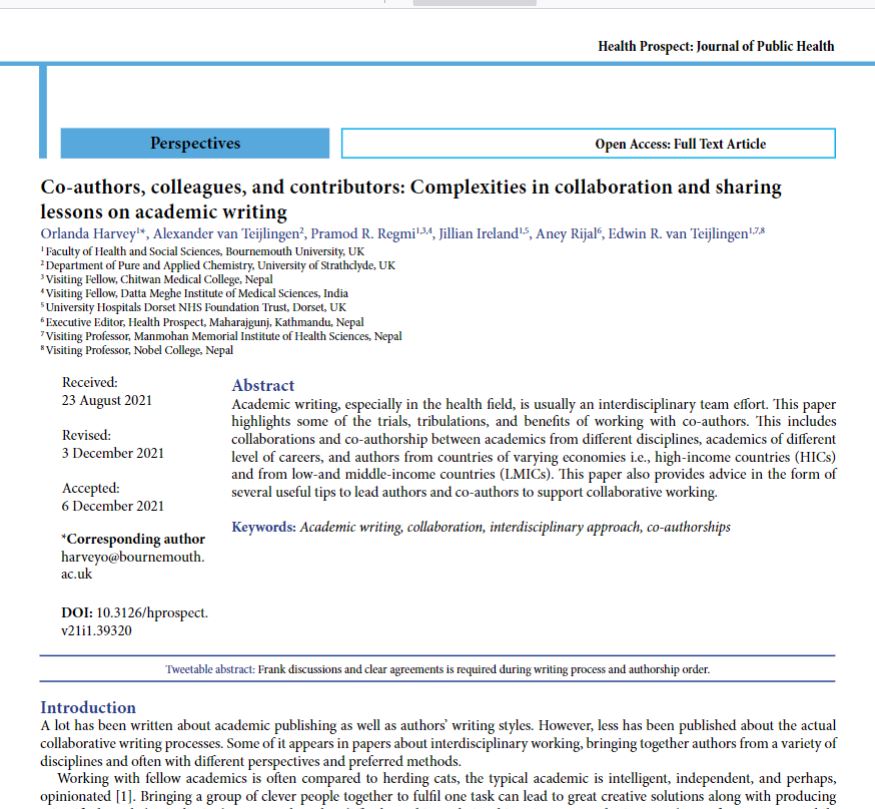
Congratulations to Dr. Orlanda Harvey in the Department of Social Sciences & Social Work, Dr. Pramod Regmi in the Department of Nursing Science and FHSS Visiting Faculty Jillian Ireland, Professional Midwifery Advocate in Poole Maternity Hospital (UHD/University Hospitals Dorset NHS Foundation Trust) whose paper ‘Co-authors, colleagues, and contributors: Complexities in collaboration and sharing lessons on academic writing‘ was published today.[1] 

The paper argues that academic writing, especially in the health field, is usually an interdisciplinary team effort. It highlights some of the trials, tribulations, and benefits of working with co-authors. This includes collaborations and co-authorship between academics from different disciplines, academics of different level of careers, and authors from countries of varying economies i.e., high-income countries (HICs) and from low-and middle-income countries (LMICs). This paper also provides advice in the form of several useful tips to lead authors and co-authors to support collaborative working.  Our other co-authors are: Aney Rijal, postgraduate student and Executive Editor of the journal Health Prospect based in Nepal, and Alexander van Teijlingen postgraduate student in the Department of Pure and Applied Chemistry (University of Strathclyde, Glasgow, Scotland).


Prof. Edwin van Teijlingen

Centre for Midwifery, Maternal & Perinatal Health


Reference:

  1. Harvey, O., van Teijlingen, A., Regmi, P.R., Ireland, J., Rijal, A., van Teijlingen, E.R. (2022) Co-authors, colleagues, and contributors: Complexities in collaboration and sharing lessons on academic writing Health Prospect 21(1):1-3.

NIHR Supporting Social Care Research in South Central Workshop 26th May 2021

Developing a Strategy for Addressing NIHR Priorities

Our RDS colleagues at South Central are hosting a one-day workshop for those interested in social care research. If you are a social care researcher or practitioner, a user, commissioner or provider of social care services and have ideas about how to develop and support social care research in South Central, please join them for the day.

Find out more

Your local branch of the NIHR RDS (Research Design Service) is based within the BU Clinical Research Unit (BUCRU)

We can help with your application. We advise on all aspects of developing an application and can review application drafts as well as put them to a mock funding panel (run by RDS South West) known as Project Review Committee, which is a fantastic opportunity for researchers to obtain a critical review of a proposed grant application before this is sent to a funding body.

Contact us as early as possible to benefit fully from the advice

Feel free to call us on 01202 961939 or send us an email.


Graduation: End of an Era

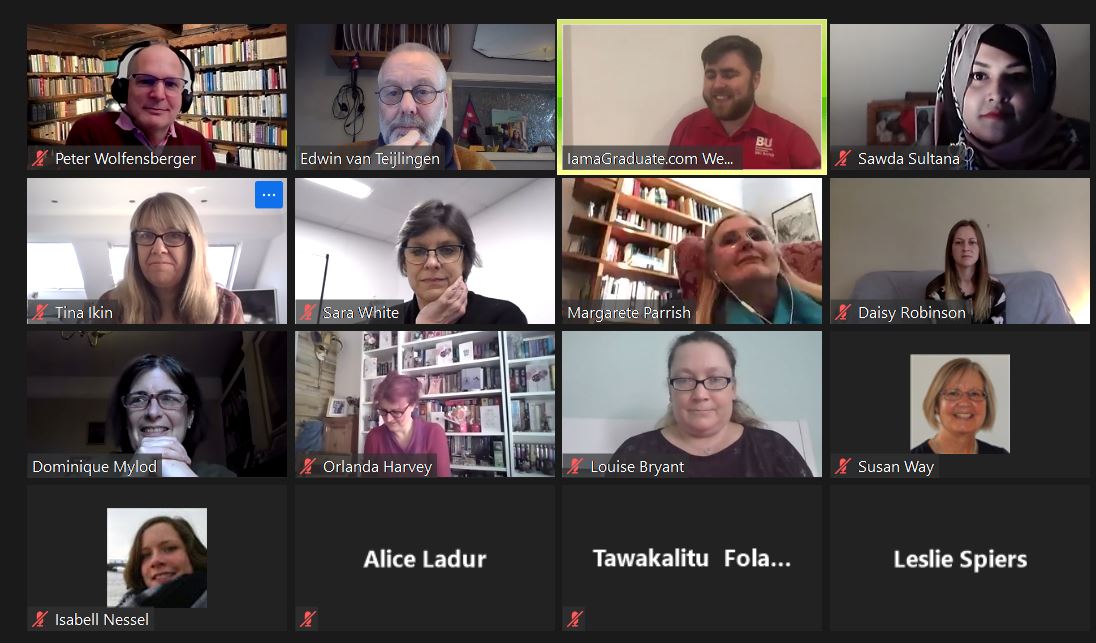
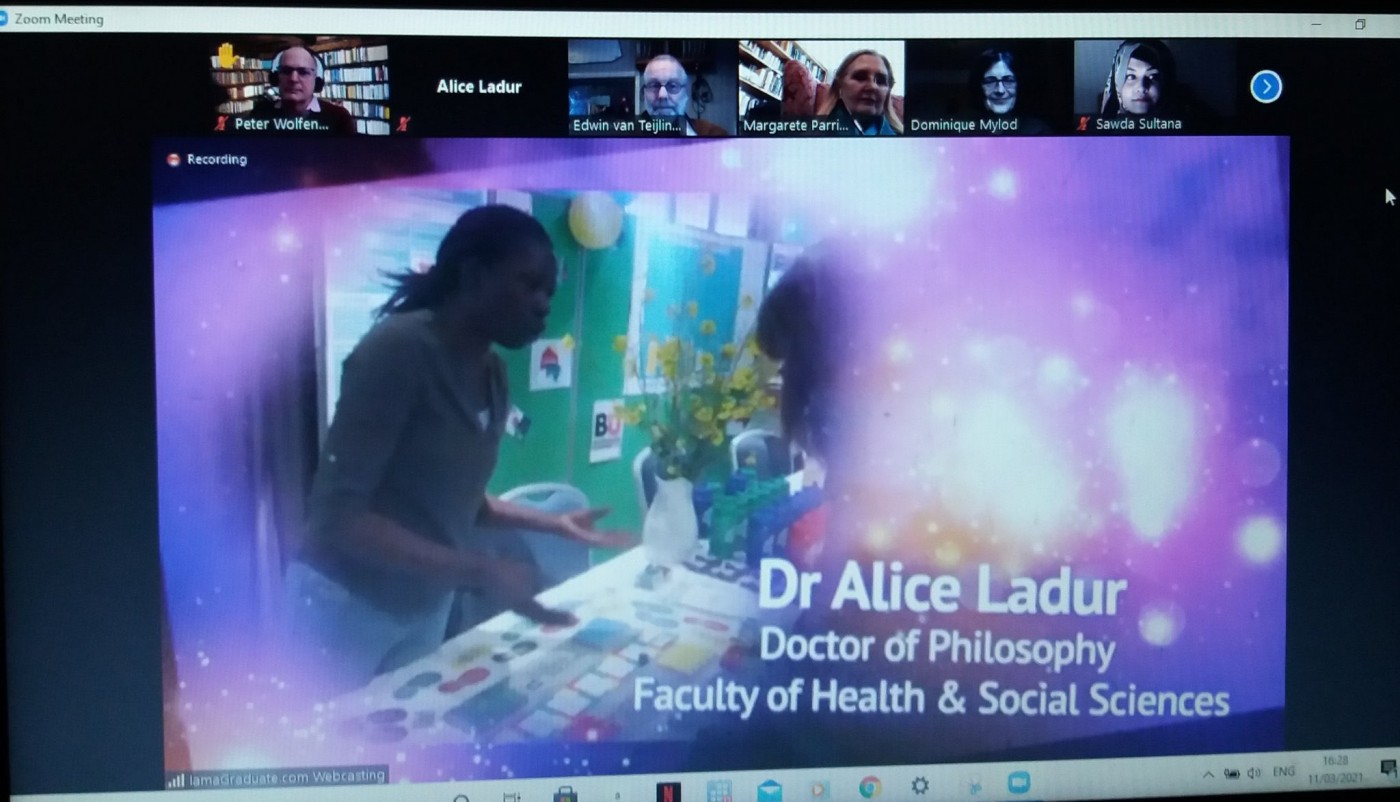
Four PhD students, whom I had the pleasure of supervising, graduated yesterday with a Ph.D.  I never had so many Ph.D. students graduating at the same time.  Not all of these four students started at the same time.  Moreover, two I was invited as a supervisor after the student had started, and for most I was not the lead/first supervisor .  All four students have an internationally focused thesis:

Alice Ladur with her Ph.D. focusing on: Male involvement in facilitating the uptake of maternal health services by women in Uganda.

Peter Wolfensberger with his Ph.D.: Creating meaning- Understanding the experiences of people living with mental illness in Switzerland- A Qualitative Study.

Shaqaieq AShrafi Dost with her thesis: Factors that affect the management capacity, leadership and employee performance in the Ministry of Public Health (MoPH), Afghanistan: A single embedded single-case study.

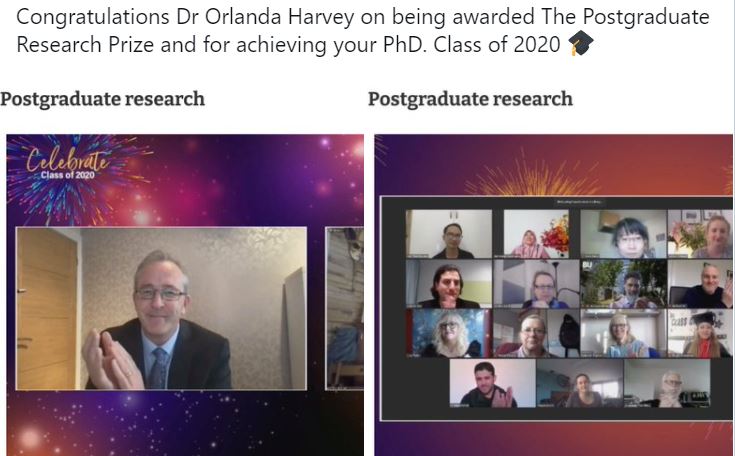
Orlanda Harvey with her Ph.D. study under the title: Male anabolic androgenic steroid-users: A mixed-methods study -The voice of the AAS-user.

Orlanda is a good ambassador for Bournemouth University’s PhD Integrated Thesis.  The newly introduced Integrated Thesis allows Ph.D. candidates to incorporate papers in their thesis (e.g. instead of a chapter).  Papers can be included that have been published or submitted for publication to an academic peer-reviewed journal. As the first BU student to submit an Integrated Thesis Orlanda paved the way with BU library staff to sort out the finer details around, for example, copyright issues and thesis formatting (https://blogs.bournemouth.ac.uk/research/2020/08/27/supporting-integrated-theses-at-bu/ ).

In this COVID-19 year the graduation was on ZOOM, something I didn’t think would work as well as it did.   I love the British-style graduation with the big audience, the ceremony, the gowns, the band, etc.  In previous years I had always looked forward to ceremony in the BIC, the Bournemouth International Centre.  This year because it was on ZOOM the event was smaller, shorter and more personal.  This offered the opportunity to talk to students and colleagues which is otherwise nearly impossible in the hustle and bustle of thousands of people in the BIC.

Being a graduation it is also the end of an era for the student and the supervisor, and the beginning of a new one.


Prof. Edwin van Teijlingen

CMMPH (Centre for Midwifery, Maternal & Perinatal Health)

Two new COVID-19 papers in FHSS

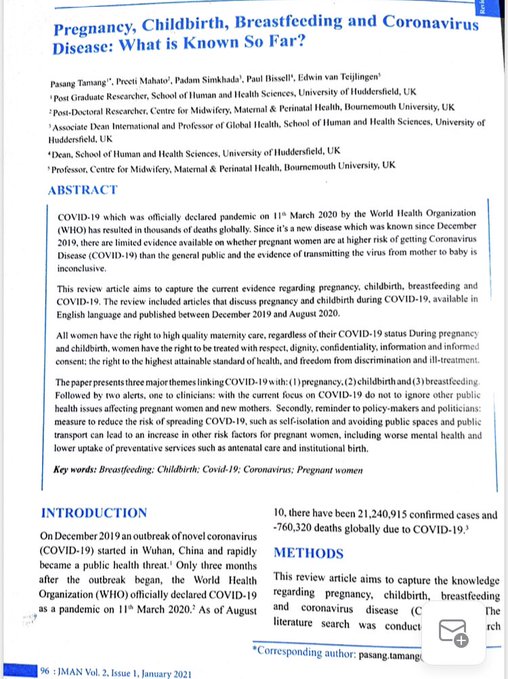
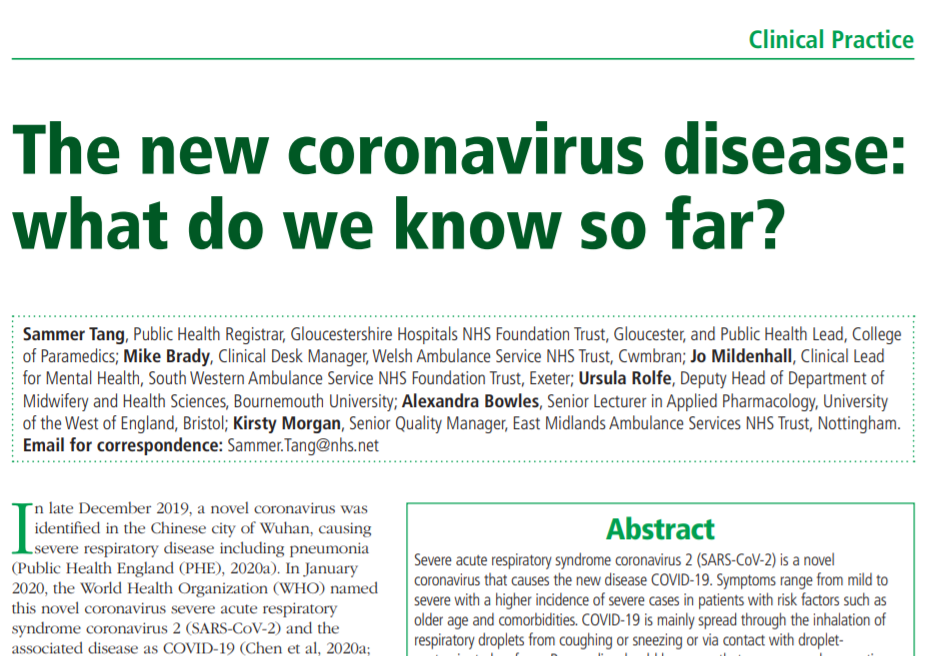
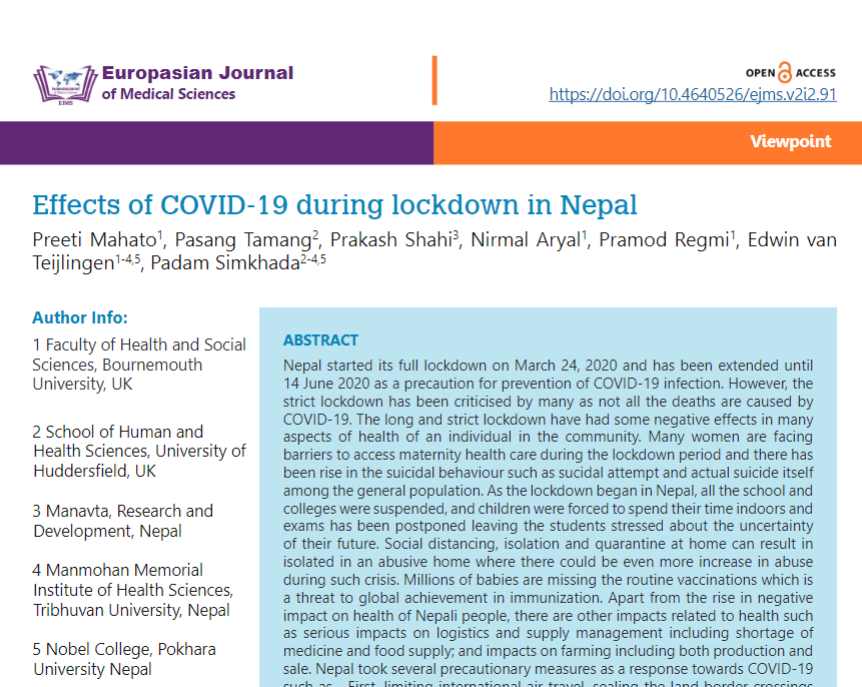
Today FHSS Prof. Jonathan Parker published an article (online first) on structural discrimination and abuse associated with COVID-19 in care homes in The Journal of Adult Protection [1].  Whilst Dr. Preeti Mahato, Prof. Edwin van Teijlingen and FHSS Visiting Professor Padam Simkhada had a COVID-19 paper published in the Journal of Midwifery Association of Nepal (JMAN) in late-January 2021 [2], although an electronic copy only reached their email inbox today.


  1. Parker, J. (2021) Structural discrimination and abuse: COVID-19 and people in care homes in England and Wales, The Journal of Adult Protection, Online ahead-of-print. https://doi.org/10.1108/JAP-12-2020-0050
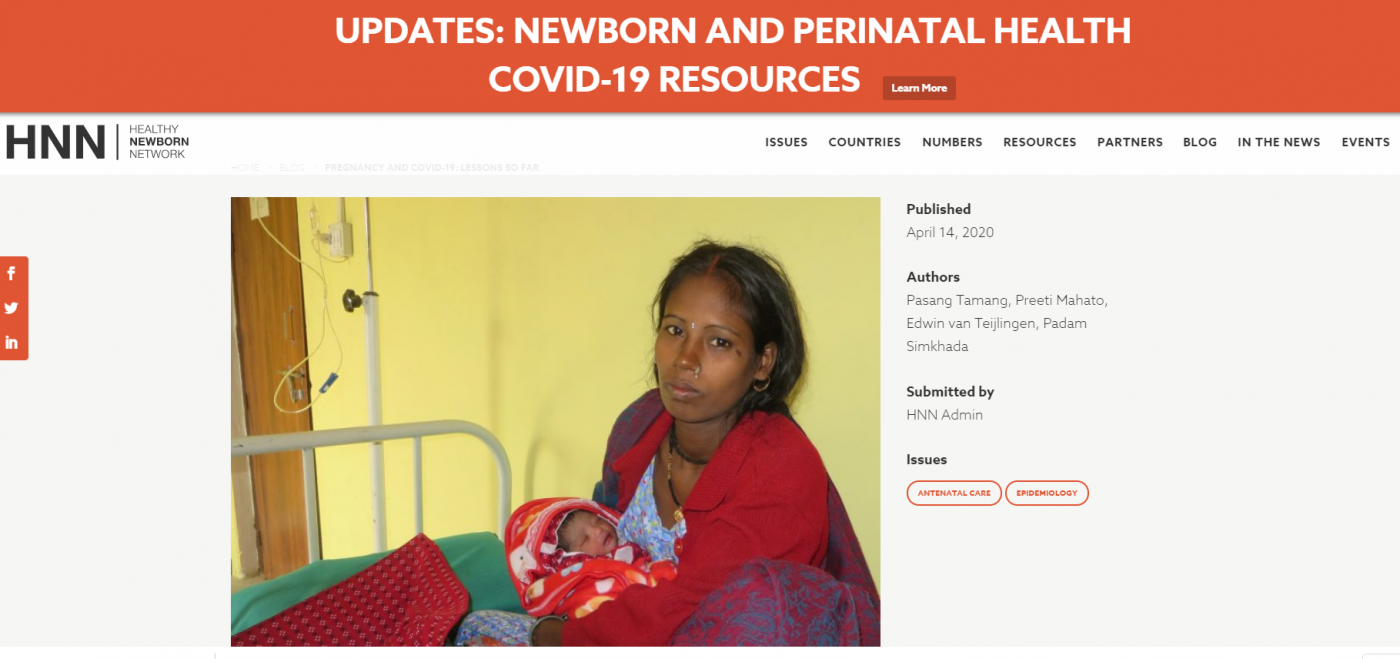
  2. Tamang, P., Mahato, P., Simkhada P., Bissell, P., van Teijlingen, E. (2021) Pregnancy, Childbirth, Breastfeeding and Coronavirus Disease: What is known so far? Journal of Midwifery Association of Nepal (JMAN) 2(1): 96-101.

New publication Dr. Orlanda Harvey

Congratulations to Social Work Lecturer Dr. Orlanda Harvey on the acceptance of a paper by the journal Drugs: Education, Prevention & Policy. This latest academic paper ‘Libido as a motivator for starting and restarting non-prescribed anabolic androgenic steroid use among men: a mixed-methods study’ [1] is based on her Ph.D. research.  Previous papers associated with her thesis covered aspects of non-prescribed anabolic androgenic steroid use [2-3] as well as her wider Ph.D. journey [4].


References:

    1. Harvey, O., Parrish, M., van Teijlingen, E, Trenoweth, S. (2021) Libido as a reason to use non-prescribed Anabolic Androgenic Steroids, Drugs: Education, Prevention & Policy (accepted).
    2. Harvey, O., Keen, S., Parrish, M., van Teijlingen, E. (2019) Support for people who use Anabolic Androgenic Steroids: A Systematic Literature Review into what they want and what they access. BMC Public Health 19: 1024 https://doi.org/10.1186/s12889-019-7288-x https://rdcu.be/bMFon
    3. Harvey, O., Parrish, M., van Teijlingen, E., Trenoweth, S. (2020) Support for non-prescribed Anabolic Androgenic Steroids users: A qualitative exploration of their needs Drugs: Education, Prevention & Policy 27:5, 377-386. doi 10.1080/09687637.2019.1705763
    4. Spacey, A., Harvey, O., Casey, C. (2020) Postgraduate researchers’ experiences of accessing participants via gatekeepers: ‘wading through treacle!’  Journal of Further and Higher Education 2: 1-18.


The impact of COVID-19 on workforce stress and resilience – Parliamentary Health and Social Care Committee Publication

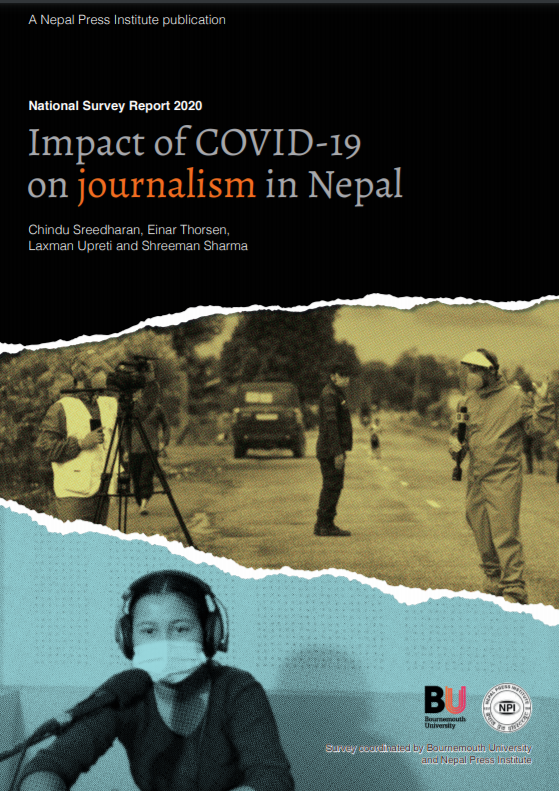
The COVID-19 pandemic has created major upheaval across the world, and for frontline practitioners in social work, this led to sudden changes in working practices alongside homeworking. In the summer of 2020, Parliament started to conduct an inquiry exploring workforce burnout and resilience in the NHS and social care as a result of the COVID-19 pandemic. As part of this they put out a call for evidence from interested parties, and were particularly interested into early research findings. Areas of interest to the inquiry included the impact of the COVID-19 pandemic on resilience, levels of workforce stress, and burnout across the NHS and social care sectors and the impacts of workforce burnout on service delivery, staff, patients and service users across the NHS and social care sectors.

At the beginning of the COVID-19 pandemic in March 2020 Professor Lee-Ann Fenge and Emily Rosenorn-Lanng from Bournemouth University developed a collaborative research project with Tilia Lenz from the Pan-Dorset and Wiltshire Teaching partnership (PDWTP) to explore the impact of COVID-19 on practitioners and managers, and to date this has been completed by 146 participants. We submitted evidence to this inquiry based on our preliminary findings, and this has now been published by the Health and Social Care Committee.

https://committees.parliament.uk/work/494/workforce-burnout-and-resilience-in-the-nhs-and-social-care/publications/written-evidence/?page=3

This publication recognises the importance of the research undertaken by BU and the PDWTP during COVID-19, and the contribution this makes to understanding how practitioners have responded to the unprecedented challenges created by the pandemic.