BUDI’s January 2016 Newsletter
Latest research and knowledge exchange news at Bournemouth University
Conducting mixed-methods research has become very popular over the past decade especially in the health research field.1-4 This development ties in with the growth in inter-disciplinary and multi-disciplinary research. Many grant applications, PhD project and the resulting papers especially in the health field apply a mixed-methods approach, where in the past a single approach would have dominated. This interest in combining methods seems to be the case even in the more traditional quantitative field of clinical effectiveness and randomised controlled trials. Whilst I find this development encouraging as a mixed-methods social scientist, it also makes me wonder whether the applicants putting forward a mixed-methods project have thought about the disadvantages or at least the opportunity costs of using such approach.
A mixed-methods approach is ‘simply’ combining two or more research methods to address a research question, i.e. what the label suggests. It is often perceived as the combining of qualitative with quantitative methods, but it can technically also be a mix of quantitative methods or a combination of qualitative methods. The advantage of a mixed-methods approach is that the different methods in the mix address different aspects of the research question and that combining these methods offers a synergetic effect. So what are the possible limitations of or barriers to mixed-methods research?
First, using a mixed-methods approach means you need an understanding of two different philosophies and how to bring the findings of these two different methods together.4-6 One requires expertise in two different research approaches, either as individual or in the team as well as someone who can do the combining of the findings. For the latter you really need someone in the team who understand the pragmatic approach commonly used in mixed-methods approaches. Otherwise there is a great risk that the original mixed-methods study will be analysed and reported as two or more separate papers each based on data from one of the methods applied in the mixed-methods study.
Secondly, you can spend your money only once, hence there are opportunity costs. Thus if the maximum grant is £200,000 or £300,000 you can’t spend the full amount on the designing a large-scale quantitative study/survey, as you need to spend a proportion of your money and your attention and time on your qualitative study.
Thirdly, and related the above, both quantitative and qualitative methods have ‘rules’ about sampling and sample-size.5 Just because you have two methods this does not mean you can necessarily do a study with a smaller sample. The sample size calculations will still say you need at least xxx participants. Similarly, although perhaps not so rigidly you need a certain number of interviews or focus groups to do you qualitative study appropriately.
Fourthly, a common mistake seems to be to add a bit of qualitative research to a larger quantitative study, perhaps a bit tokenistic.7 Often it is so obvious in a grant application that the qualitative research is an add-on, an afterthought perhaps from a reviewer in the previous failed grant application.
Finally, not all mixed-methods studies are the same, in fact each mixed-methods study is more or less unique in the way in the way it mixes and matched individual research methods.3 So although mixed-methods may be the best way to address a particular research question, your particular proposed mixed of quantitative and qualitative research might not be the most appropriate to answer the overall research question.8
As with all research methods and research proposals my recommendation is if in doubt go and find an expert for advice.6 If necessary get an expert on your team of researchers to strengthen your application.
Professor Edwin van Teijlingen
CMMPH
References:
The Faculty of Health and Social Sciences is holding a Writing Week between 4th-8th January 2016 aimed at supporting staff to find time in their busy academic diaries to prioritise writing grant applications and papers for publication.
The Bournemouth University Clinical Research Unit offers methodological and statistical collaboration for all healthcare researchers in the area. It supports researchers in improving the quality, quantity and efficiency of research across Bournemouth University and local National Health Service (NHS) Trusts. It incorporates the Dorset office of the National Institute for Health Research (NIHR) Research Design Service who offer free methodological support to researchers who are developing research ideas in the field of health and social care.
BUCRU will be supporting Writing Week in HSS by holding two drop-in sessions on Tuesday 5th January and Thursday 7th January 12-2pm in R508 Royal London House. We would also like to extend the invitation across the other Faculties for anyone who feels we may be able to support them. For those unable to attend the drop-in sessions, we would be delighted to arrange an alternative appointment.
Please see further information here, contact our adminstrator Louise Ward on 01202 961939 / bucru@bournemouth.ac.uk or visit our website. We look forward to seeing you!
The origins of the EU – a coal and steel free trade agreement – lie elsewhere; however Europe’s creative industries are likely to be an increasingly important part of its economic future. Creative industries provide jobs that are highly skilled and more resistant to automation, jobs that are therefore more likely to be sustainable. [1] Understanding them is therefore of strategic importance.
A challenge in thinking about creative industries at a European level has been the absence of comparable statistics across the countries of the EU. Nesta’s report by Max Nathan, Andy Pratt and Ana Rincon-Aznar, published today, helps address this by providing consistent estimates of employment in the creative industries of the EU’s 28 member states and, where data has allowed, the wider ‘creative economies’ of 20 member states (the ‘creative economy’ consists of jobs inside the creative industries and creative jobs in other industries, for example a designer working for a car manufacturer).
For more information on this report click here.
If this is the type of information you would find interesting why not sign up to receive updates into your inbox from Nesta
In April 2015, the UK Intellectual Property Office (UKIPO) published three reports reflecting a legal and empirical study into the intellectual property (IP) implications of 3D printing. The project – commissioned by the UKIPO – was awarded to Bournemouth University and was led by Dr. Dinusha Mendis.
Together with Dr. Mendis, the research team consisted of Dr. Davide Secchi (Southern University, Denmark; previously Bournemouth University at the time of conducting the research) and Dr. Phil Reeves (Econolyst Ltd – now Stratasys Strategic Consulting Ltd).
All three reports can be found here and further information about the project, including research findings and recommendations for the UK Government, Industry and Intermediaries can be found here.
Since the publication of the reports, Dr. Dinusha Mendis, Co-Director of the Centre for Intellectual Property Policy and Management (CIPPM) has been invited to deliver a number of talks in UK and Abroad, thereby reflecting the impact of the research.
This blog-post, highlights the invited talks in EU. For the dissemination of research in UK, please see here.
34th ECTA Conference, Hamburg, Germany
On 12 June 2015, Dr. Mendis was invited to present the research at the European Communities Trade Mark Association 34th Annual Conference in Hamburg. The Conference took place from 10-13 June 2015 and Dr. Mendis spoke on the copyright implications of 3D printing based on the findings from the UKIPO project.
Dr. Mendis spoke on the topic as part of a Panel exploring the challenges to copyright law, which also included Professor Ian Hargreaves, Professor of Digital Economy, Cardiff University UK and author of the Hargreaves Review 2011.
For further information, please see here.
MAPPING Project, First General Assembly, Hannover, Germany
From 22-23 September 2015, the First General Assembly of the FP7-funded MAPPING Project was held in Hannover, Germany at the Hannover Congress Centrum.
MAPPING – Managing Alternatives for Privacy, Property and Internet Governance brought together stakeholders from three key areas including Internet Governance, Privacy and Intellectual Property.
Dr. Mendis was invited to speak in the Intellectual Property Panel titled ‘The EU IP Reform: Unlocking Culture, Stimulating Progress’. As part of the talk, Dr. Mendis was invited to speak on the UKIPO 3D Printing project.
Further information about the event can be found here.
OHIM Enforcement Conference, Alicante Spain
In November (18-20 November 2015) Dr. Mendis was invited by the Office for Harmonisation in the Internal Market (OHIM) in Alicante Spain. The 3-day event organised by OHIM, Europol and Eurojust explored issues on tackling enforcement in relation to the infringement of copyright and design law.
The event was attended by policy makers, law makers, customs and border protection officials, investigators, criminal analysts and industry experts amongst others.
Dr. Mendis presented at this conference together with with Dr. Davide Secchi (co-author of Study 1 of the UKIPO Project) and member of the research team which carried out the Commissioned work for the UKIPO.
Dr. Mendis and Dr. Secchi presented the research carried out particularly for Study 1 of the UKIPO project, but also took the opportunity to speak on next steps and future projects – in taking forward the UKIPO Project.
In this regard, Dr. Mendis spoke briefly about the work being carried out for the newly funded project considering a legal and empirical case study on 3D printing, 3D scanning and mass customisation of ancient and modern jewellery.
For more information about the new project, please see here. For further information about OHIM’s event, please see here.
FORUM Institut Management GmbH, 3D Printing and IP, Munich, Germany
On 1 December 2015, FORUM Institüt fur Management GmbH hosted an international conference exploring 3D Printing and IP Rights. The conference brochure including further details and speakers can be found here.
Dr. Mendis was invited to speak on the UKIPO Project with a particular focus on the implications for IP as a result of 3D online platforms as well as its impact on the industrial sector.
The presenters were drawn from industry, professional practice and academia thereby providing for a vibrant discussion.
In April 2015, the UK Intellectual Property Office (UKIPO) published three reports reflecting a legal and empirical study into the intellectual property (IP) implications of 3D printing. The project – commissioned by the UKIPO – was awarded to Bournemouth University and was led by Dr. Dinusha Mendis.
Together with Dr. Mendis, the research team consisted of Dr. Davide Secchi (Southern University, Denmark; previously Bournemouth University at the time of conducting the research) and Dr. Phil Reeves (Econolyst Ltd – now Stratasys Strategic Consulting Ltd).
All three reports can be found here and further information about the project, including research findings and recommendations for the UK Government, Industry and Intermediaries can be found here.
Since the publication of the reports, Dr. Dinusha Mendis, Co-Director of the Centre for Intellectual Property Policy and Management (CIPPM) has been invited to deliver a number of invited talks in UK and Abroad, thereby reflecting the impact of the research.
This blog-post highlights the invited talks in UK. For dissemination of research in the EU, please see here.
Plymouth Law School, One Day Workshop on CSR
On 28 August 2015, Plymouth Law School held a one-day workshop, titled, ‘Valuing Knowledge, Creativity and Innovation: Relating Corporate Social Responsibility to Copyright Law’.
The workshop considered the prospect of practising Corporate Social Responsibility (CSR) in relation to copyright, where similar ideas of corporate social awareness have already applied to other areas of intellectual property protection.
Dr. Mendis explored the issue from the angle of emerging technologies and gave a presentation titled ‘Printing the Future: Is there a Need for Regulation? The Copyright Implications of 3D Printing’.
Other invited speakers on the day included, amongst others, Professor Charlotte Waelde, Professor of Intellectual Property, Exeter University and Dr. Abbe Brown, Reader and Deputy Head of the Law School, University of Aberdeen.
Please see here for further information.
EPIP Conference 2015, CREATe, University of Glasgow
From 2-3rd September 2015, CREATe, the RCUK Centre for Copyright and New Business Models in the Creative Economy at the University of Glasgow hosted the 10th Annual Conference of European Policy for Intellectual Property (EPIP). The event explored intellectual property from an economic, legal and political perspective considering its impact in the creative economy with a focus on copyright, data and the changing economics of the digital world.
Dr. Mendis presented and led a panel titled ‘A Legal and Empirical Study into the Intellectual Property Implications of 3D Printing – Findings, Conclusions and Recommendations’. The panel consisted of the research team, which carried out the research for the UKIPO Project, with a Panel member from the UKIPO outlining the next steps in relation to policy in the area of 3D printing and IP Law.
Together with Dr. Mendis, other Panel members included Dr. Davide Secchi (University of Southern Denmark), Ms. Sophie Jones (for Dr. Phil Reeves) (Stratasys Strategic Consulting) and Ms. Pippa Hall of the UK Intellectual Property Office.
Further information this event can be found here and further information about the conference including presentations from both days can be found here.
IPAN Event, London
On 11 November 2015, the Intellectual Property Awareness Network (IPAN) hosted an evening event, which explored 3D printing from an industry perspective as well as from a legal (IP) perspective. IPAN is a non-profit organisation working to improve understanding of patents, trademarks, designs, copyright and other IP rights and their value to society.
IPAN is chaired by CIPPM Associate Director, Professor Ruth Soetendorp.
Dr. Mendis was invited to deliver a talk highlighting the research findings, conclusions and recommendations of the UKIPO Project and its implications for IPAN’s membership. Dr. Mendis spoke alongside Mr. Paul Gately, EMEA Manager of 3D Systems.
3D Printing Panel and Poster Presentation at University of Liverpool
On 11 December 2015, Dr. Mendis will form part of a panel exploring the topic of 3D printing and its implications for IP law, from a broader perspective at the University of Liverpool.
The Faculty of Health and Social Sciences is holding a Writing Week between 4th-8th January 2016 aimed at supporting staff to find time in their busy academic diaries to prioritise writing grant applications and papers for publication.
The Bournemouth University Clinical Research Unit offers methodological and statistical collaboration for all healthcare researchers in the area. It supports researchers in improving the quality, quantity and efficiency of research across Bournemouth University and local National Health Service (NHS) Trusts. It incorporates the Dorset office of the National Institute for Health Research (NIHR) Research Design Service who offer free methodological support to researchers who are developing research ideas in the field of health and social care.
BUCRU will be supporting Writing Week in HSS by holding two drop-in sessions on Tuesday 5th January and Thursday 7th January 12-2pm in R508 Royal London House. We would also like to extend the invitation across the other Faculties for anyone who feels we may be able to support them. For those unable to attend the drop-in sessions, we would be delighted to arrange an alternative appointment.
Please see further information here, contact our adminstrator Louise Ward on 01202 961939 / bucru@bournemouth.ac.uk or visit our website. We look forward to seeing you!
Horizon 2020 Secure Societies – protecting freedom and security of Europe and its citizens
The webcast for the Horizon 2020 Secure Societies Event held in London on 3rd November 2015 is now available online. You might also find it useful to join Innovate UK’s Knowledge Transfer Network – Defence and Security to keep up to date with events, such as the International Cyber Security Forum meeting on 25 & 26 January 2016 in Lille, as well as funding opportunities in this area.
Calls announced in the Horizon 2020 Secure Societies Work Programme 2016-2017 are now being opened. Follow the links to main call page or the specific call, where this is already open. The date given is the funder’s closing date and time (Brussels):
CALL: DIGITAL SECURITY FOCUS AREA
DS-01-2016:Assurance and Certification for Trustworthy and Secure ICT systems, services and components OPEN 12 April 2016 17:00:00
DS-02-2016:Cyber Security for SMEs, local public administration and Individuals 25 August 2016 17:00:00
DS-03-2016:Increasing digital security of health related data on a systemic level OPEN 16 February 2016 17:00:00
DS-04-2016:Economics of Cybersecurity 25 August 2016 17:00:00
DS-05-2016:EU Cooperation and International Dialogues in Cybersecurity and Privacy Research and Innovation 25 August 2016 17:00:00
DS-06-2017:Cryptography 25 April 2017 17:00:00
DS-07-2017:Addressing Advanced Cyber Security Threats and Threat Actors 24 August 2017 17:00:00
DS-08-2017:Privacy, Data Protection, Digital Identities 24 August 2017 17:00:00
SEC-01-DRS-2016:Integrated tools for response planning and scenario building 25 August 2016 17:00:00
SEC-02-DRS-2016:Situational awareness systems to support civil protection preparation and operational decision making 25 August 2016 17:00:00
SEC-03-DRS-2016:Validation of biological toxins measurements after an incident: Development of tools and procedures for quality control 25 August 2016 17:00:00
SEC-04-DRS-2017:Broadband communication systems 24 August 2017 17:00:00
SEC-05-DRS-2016-2017:Chemical, biological, radiological and nuclear (CBRN) cluster 24 August 2017 17:00:00
SEC-06-FCT-2016:Developing a comprehensive approach to violent radicalization in the EU from early understanding to improving protection 25 August 2016 17:00:00
SEC-07-FCT-2016-2017:Human Factor for the Prevention, Investigation, and Mitigation of criminal and terrorist acts 25 August 2016 17:00:00
SEC-08-FCT-2016:Forensics techniques on: a) trace qualification, and b) broadened use of DNA 25 August 2016 17:00:00
SEC-09-FCT-2017:Toolkits integrating tools and techniques for forensic laboratories 24 August 2017 17:00:00
SEC-10-FCT-2017: Integration of detection capabilities and data fusion with utility providers’ networks 24 August 2017 17:00:00
SEC-11-FCT-2016:Detection techniques on explosives: Countering an explosive threat, across the timeline of a plot 25 August 2016 17:00:00
SEC-12-FCT-2016-2017:Technologies for prevention, investigation, and mitigation in the context of fight against crime and terrorism 25 August 2016 17:00:00
SEC-13–BES–2017:Next generation of information systems to support EU external policies 24 August 2017 17:00:00
SEC-14-BES–2016:Towards reducing the cost of technologies in land border security applications 25 August 2016 17:00:00
SEC-15-BES–2017:Risk-based screening at border crossing 24 August 2017 17:00:00
SEC-16-BES–2017:Through-foliage detection, including in the outermost regions of the EU 24 August 2017 17:00:00
SEC-17-BES-2017:Architectures and organizations, big data and data analytics for customs risk management of the international goods supply chain trade movements 24 August 2017 17:00:00
SEC-18-BES–2017:Acceptance of “no gate crossing point solutions” 24 August 2017 17:00:00
SEC-19-BES-2016:Data fusion for maritime security applications 25 August 2016 17:00:00
SEC-20-BES-2016:Border Security: autonomous systems and control systems 25 August 2016 17:00:00
SEC-21–GM-2016-2017:Pan European Networks of practitioners and other actors in the field of security 25 August 2016 17:00:00
CALL: CRITICAL INFRASTRUCTURE PROTECTION
CIP-01-2016-2017:Prevention, detection, response and mitigation of the combination of physical and cyber threats to the critical infrastructure of Europe 25 August 2016 17:00:00
If you are interested in applying for any of these calls, please contact Emily Cieciura, RKEO, Research Facilitator: EU & International for further assistance.
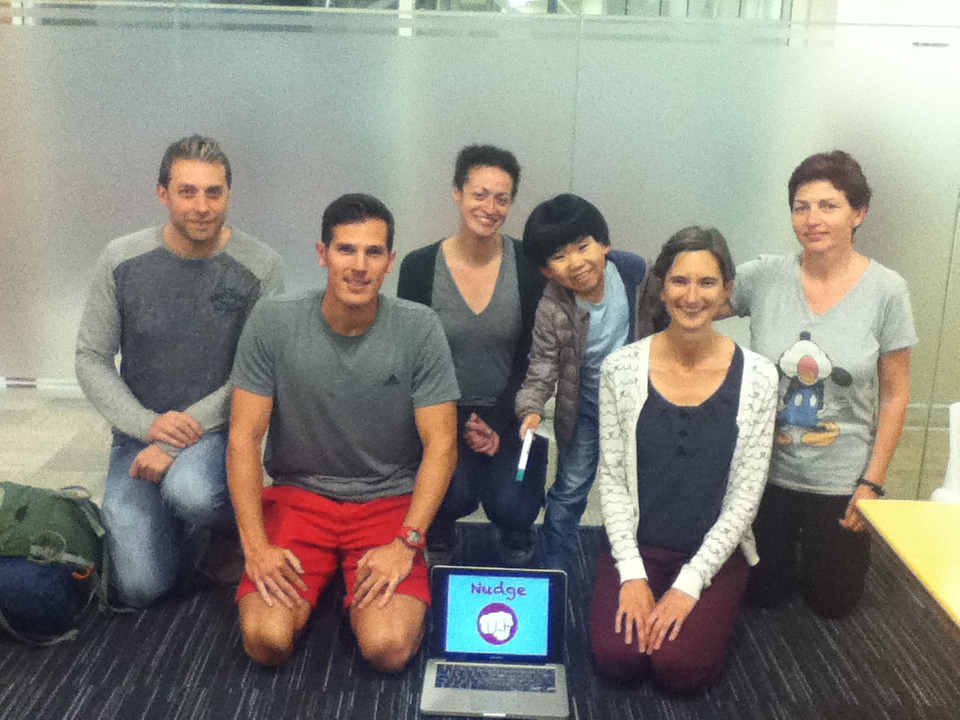
Well done to Team BU who has been shortlisted for Sport England Sports Technology Hackathon Awards 2016.
On October 30th the European Union launched a call for proposals making €38.7 million of EU funding available under the Connecting Europe Facility (CEF) through grants to improve the interoperability and interconnectivity of the European digital service ecosystem.
In the framework of this call, €4.5 million are allocated to Public Open Data: generating value through re-use of public sector information.
Interested applicants from all EU Member States plus Iceland and Norway may submit their proposals through the call open until 19 January 2016.
Applicants should submit their proposal through the link on the call page.
A Virtual Info Day on all the 2015 CEF Telecom calls for proposals will take place on 23 November 2015. You can register online and ask your questions ahead of the event in the registration form.
This Info day will provide the participants with a background policy briefing and an introduction to the Innovation and Networks Executive Agency, who is managing the call for proposals and the grant implementation. Details on the evaluation process and tips on writing a good proposal will also be on the agenda. Participants have the opportunity to send questions on the calls beforehand via the registration form, and this input will serve as a basis for the discussion. They will also be able to ask their questions via the twitter hashtag #CEFtelecomdayduring the event.
Free registration for the event is open until Wednesday 18 November 17:00. After registration, you will be sent the webstreaming link.
All sessions will be accessible online via webstreaming. Sessions will be recorded, and presentations will be published after the event on INEA’s website.
Bournemouth’s biomedical research features in this season’s Kidney Research UK ‘Update’ magazine (page 13). We share this issue with Lauren Laverne (sort of)!
KRUK is one of Britain’s leading kidney research charities and has awarded us an Innovation Award to identify genes that underpin the development of chronic kidney disease (CKD) in diabetes. The innovative part of the research is that it uses the fruit fly Drosophila – a novel tool in the research armoury that has helped us understand the genetic basis of human development and behaviour as well as cardiovascular disease. Research at Bournemouth will use unique genetic tools to establish how insulin signalling maintains the expression of evolutionarily conserved genes that regulate kidney function in both flies and humans. This simple model organism has enormous power to help us identify new pathways of clinical significance to CKD – a condition that affects and kills thousands of people every year in the UK.
If you are keen to learn more about the research – email me at phartley@bournemouth.ac.uk


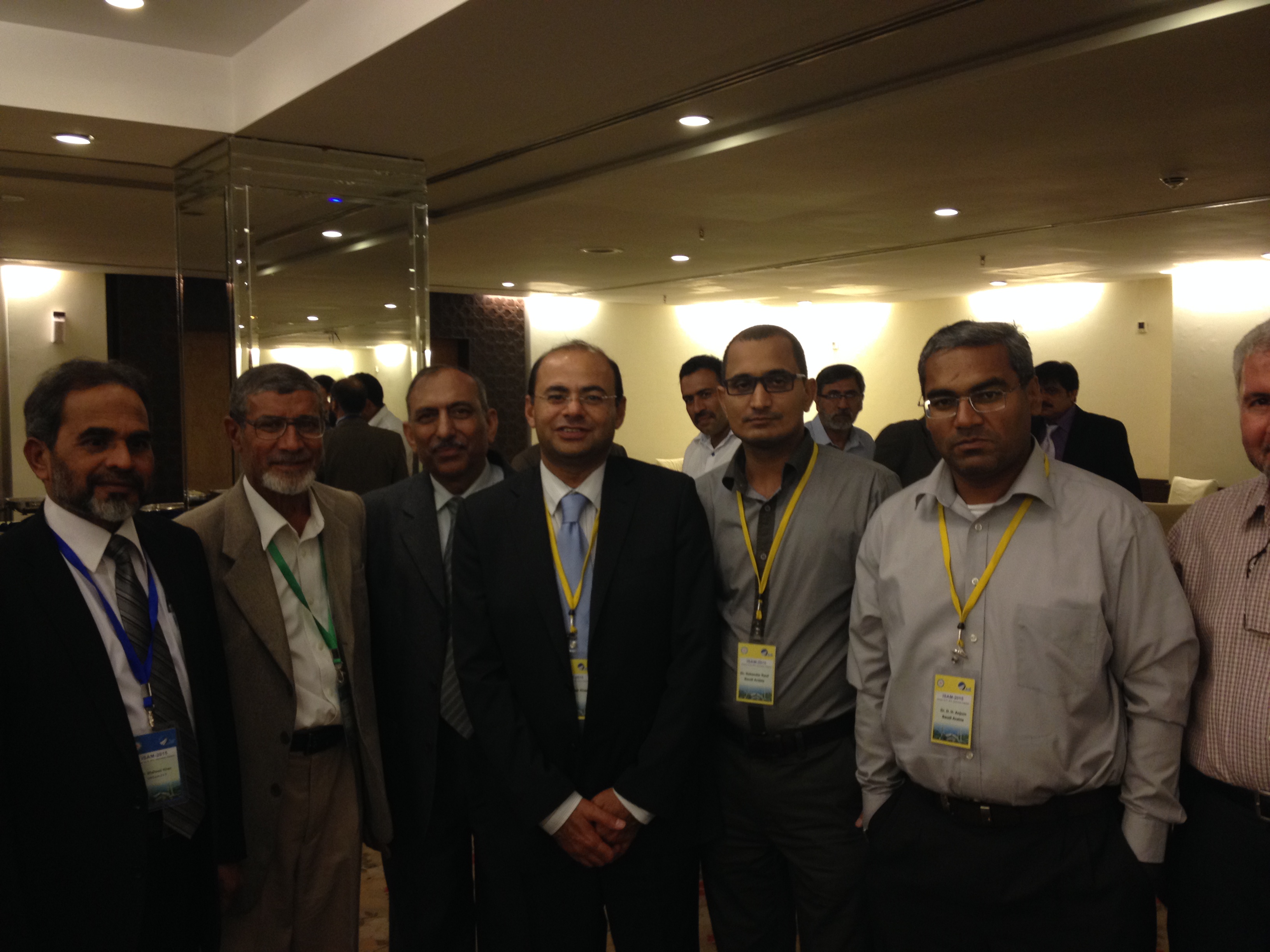
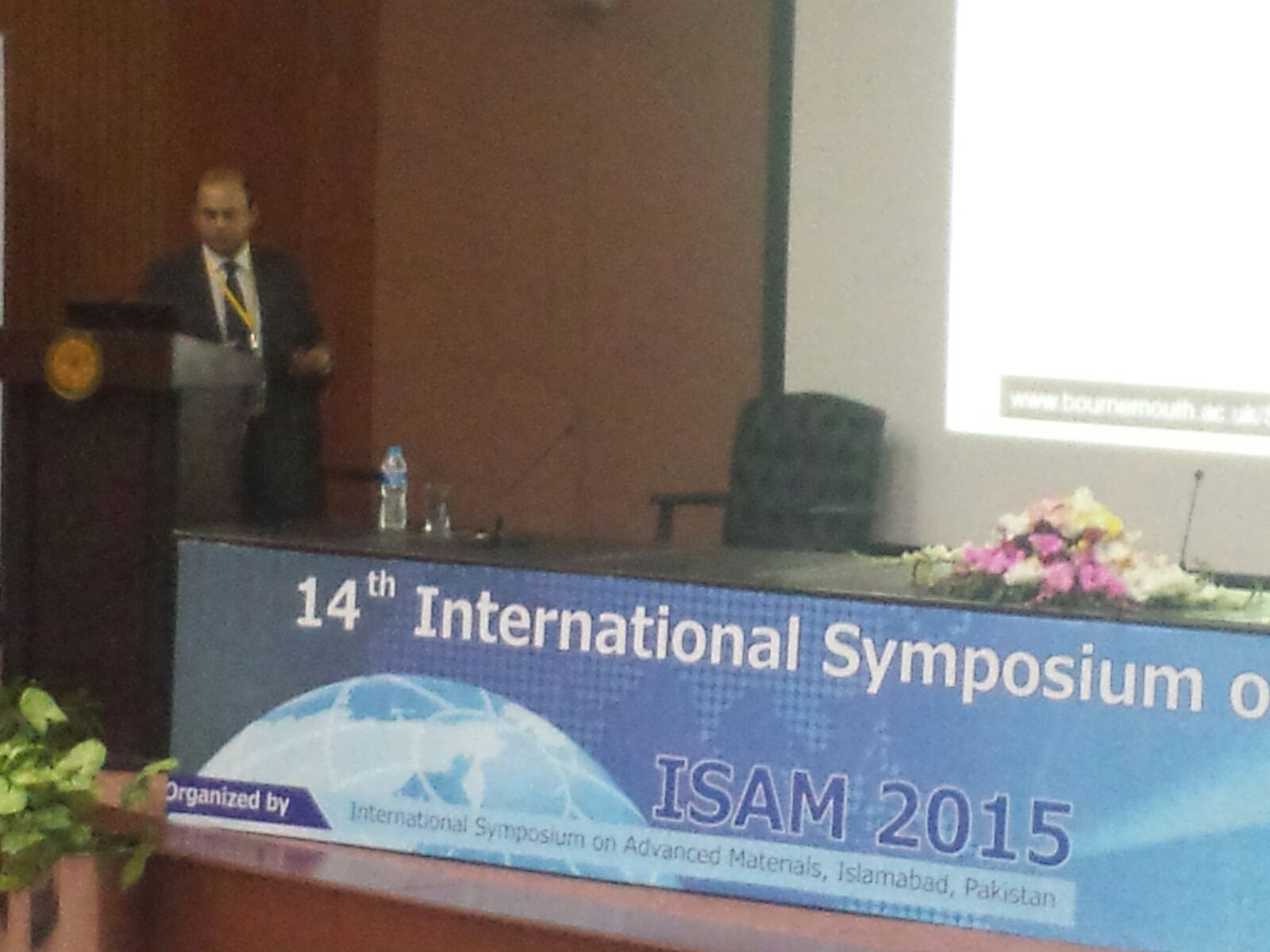
Dr Zulfiqar Khan was recently selected by invitation by the Pakistan President’s Highly Qualified Professionals (HQPs) Programme, part of PPQP, managed and administered by the Ministry of Federal Education & Professional Training Government of Pakistan.
This programme funded Zulfiqar’s participation in the 14th International Symposium on Advanced Materials Oct 2015 held at National Centre for Physics Islamabad as invited
speaker and guest speaking at key universities and research institutes.
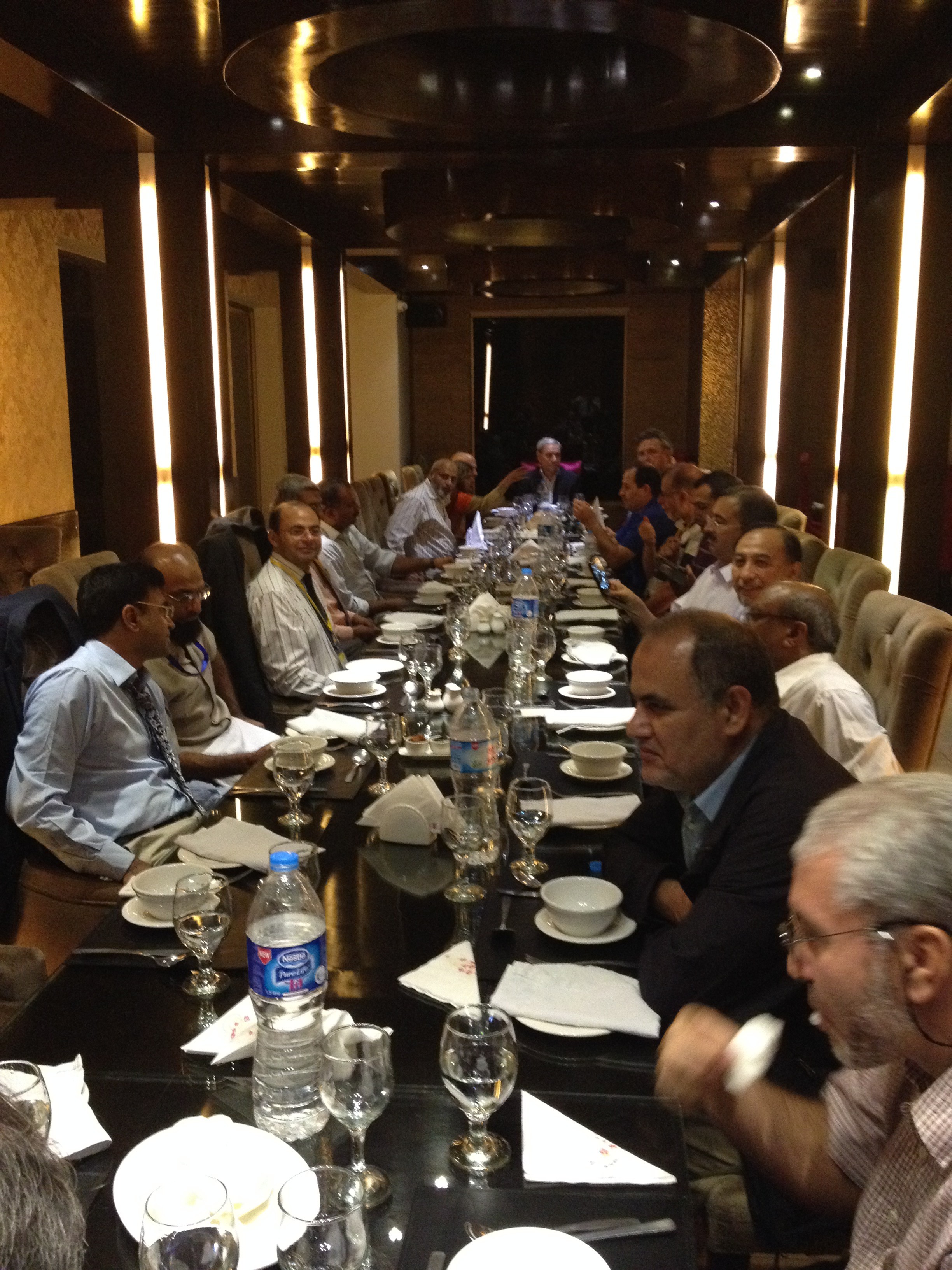
This conference is held every two years and has been successfully running for the last 28 years. This conference attended by high profile researchers from Bangladesh, China, Egypt, Germany, Japan, Jordan, Malaysia, Pakistan, Saudi Arabia, Singapore, Serbia, Turkey, UK (Bournemouth and Leeds) and US. The conference provided and excellent platform for disseminating latest research findings, exchange of ideas, networking and initiating research collaborations.
Zulfiqar presented latest findings in Surface Engineering through nano coatings (thin films 300-400 nm and up to 5 μm) incorporating corrosion. This research is conducted at the Sustainable Design Research Cluster with PGRs (Parisa Pashaei, Rizwan Bajwa and Hammad Nazir).
He also led the discussion panel on Surface Engineering & Ceramics as Panel Chair.
The Federal Minister for Planning, Development & Reform Professor Ahsan Iqbal spoke at the closing ceremony of the 14th International Conference on Advanced Materials ISAM 2015. He informed the conference delegates on the Government strategy for research & development.
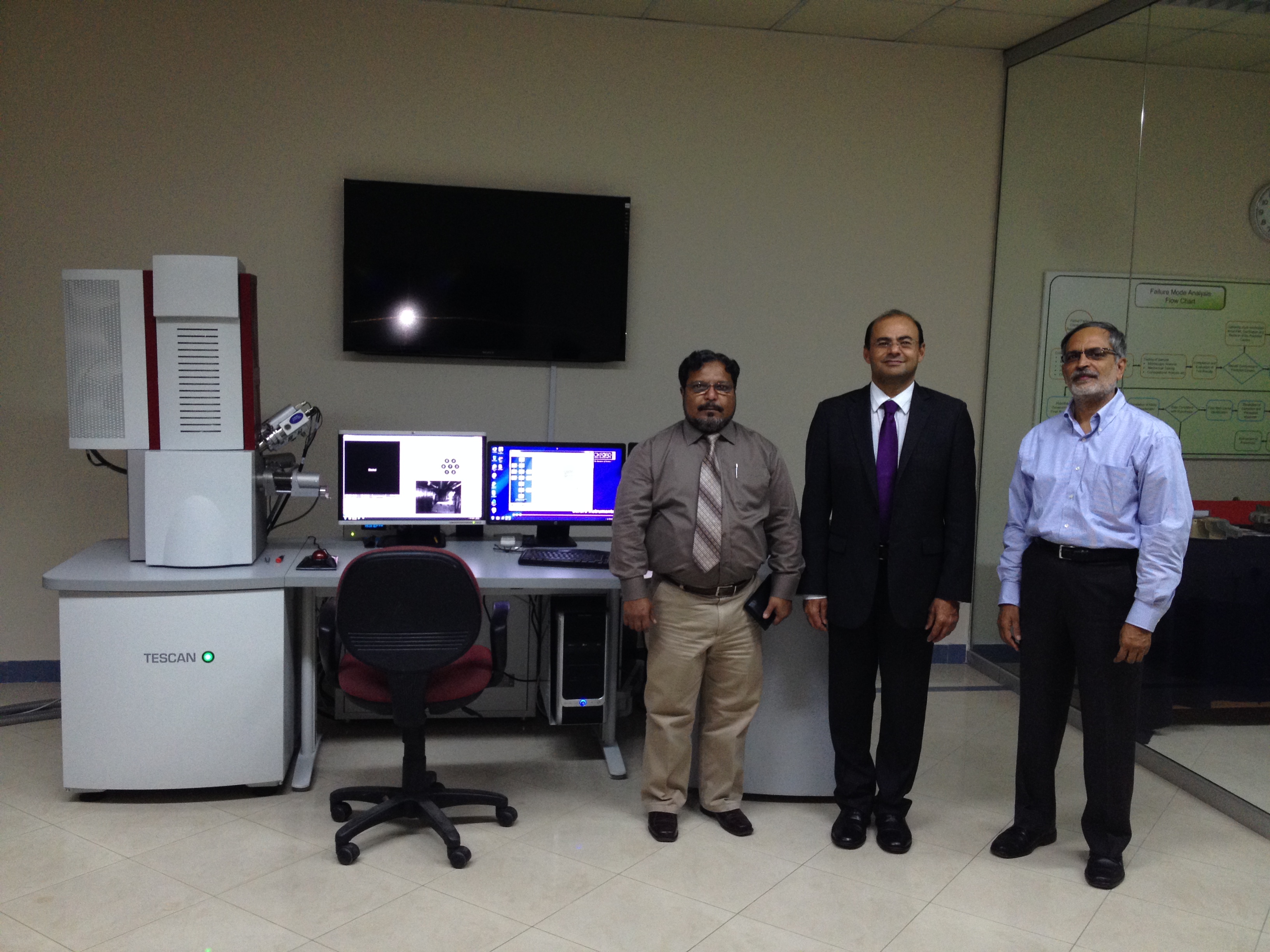
This programme also included Zulfiqar’s invited guest speaking at key Universities and research institutes as Institute of Space Technology, National Institute of Vacuum Science & Technology NINVST, National Centre for Physics NCP and National University of Sciences & Technology NUST. He also held meetings with key staff including DG NINVAST, Director NCP, Deans NUST Mechanical and Chemical & Manufacturing Engineering, Rector GIK (Ghulam Ishaq Khan Institute of Engineering Sciences & Technology), researchers and students.
His participation in the ISAM 2015 and invited guest speaking has provided a platform for incubating international research and education collaborations and promoting BU as an international leader in nano materials & corrosion research.
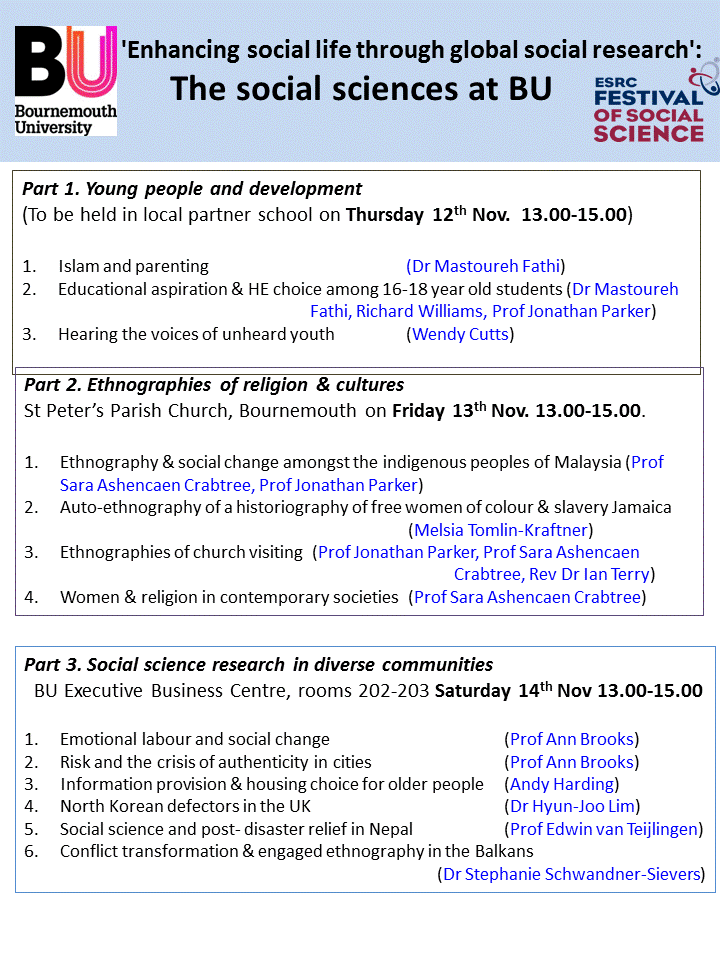
Get some of these interesting presentations in your diary now ‘Enhancing social life through global social research’:The social sciences at BU. For details click here!
Three sessions:
Part 1. Young people and development
Part 2. Ethnographies of religion & cultures
Part 3. Social science research in diverse communities
Prof. Edwin van Teijlingen
CMMPH
A smartphone device for monitoring sensation loss in patients with diabetes has been nominated for three awards at the Institute of Engineering and Technology Innovation Awards. The device, developed by Bournemouth University, the Royal Bournemouth and Christchurch NHS Foundation Trust and Poole Hospital Trust enables patients to self-monitor their symptoms and wirelessly transmit their results to their consultants.
Over time, people with diabetes can develop nerve damage, caused by prolonged exposure to high blood glucose levels. Sensation loss needs to be monitored by medical professionals to try and limit further damage. The severity of the nerve damage will dictate the frequency of hospital visits, but it can be as often as monthly which is quite time intensive for both patient and consultant.
The device, created by Dr Venky Dubey and his Postdoctoral Researcher Dr Neil Vaughan, involved the development of a smartphone app and a 3D probe fitted to the phone. The 3D probe is designed to vibrate, according to the intensity set by the app, which helps to analyse the levels of sensation loss in a patient. This data, along with basic details such as weight and height, are recorded by the app and can be transmitted to a GP or consultant who can monitor the need for further treatment or check-ups. As well as being a considerable time saver for both patients and medical professionals, the device also helps to give patients more control over their care.
Commenting on the nomination, Dr Dubey said, “I’m very pleased that our device has been nominated for three awards as it recognises the hard work that went into the project and its potential to make a difference to patient care. Looking to the future, we hope to run clinical trials to test the device and gain patient feedback so that we are able to improve it further before its commercial potential is realised.”
The smartphone app and 3D probe have been nominated for three awards at the Institute of Engineering and Technology Innovation Awards. The categories the team have been nominated for are communication, healthcare technologies and measurement in action. The awards ceremony will be held on 18th November in London.
29-30 January 2016
Thanks to Fusion Investment funding I will be co-running with Dr Paul Stapleton (QUB) a symposium exploring Interagency in Technologically-Mediated Performance. Despite a growing community of people creating digital musical instruments and a growing associated academic field, there has been little recognition within these communities of the associated approaches to a Philosophy of Technology that examines human-technology interactions from a variety of social, political and philosophical perspectives.
This event will bring together researchers and industry representatives from the fields of Philosophy of Technology and Digital Musical Instrument (DMI) design to establish an overview of best practice of new musical instrument creation and set out a road map for future research in this area. The symposium will feature talks by five keynote speakers that are all internationally recognised experts in their fields. Workshop and discussion will form a large part of the symposium in order to have time to fully establish an overview of best practice and to define the future research agenda.
The symposium will run 29th and 30th of January 2016. There will soon be a call for attendance, places will be limited so sign up quick if you are interested. There will also be a short concert on Friday 29th Jan from 17:30- 18:30 attendance for this is open to everybody.
Tom Davis
The ESRC website lists its Festival events for 2015 and amongst the interetsing events is a record number of BU events! The full list can be found on the ESRC webpages, click here!
Pathways to impact: part deux!
This event aims to engage participants who attended a previous one-day ESRC Festival of Science event which took place in 2012 entitled, “Pathways to Impact: ageing, diversity, connectivity and community”.
Children will have the chance to take part in a creative mapping exercise using coastal artefacts and pictures to create their own sensory and emotional maps of the topic, starting with the question of ‘how does it make me feel to be here?’
Older people are increasingly at risk of falling victim to financial scams that target vulnerable people, including mass marketing fraud via post, telephone or email and doorstep fraud.
This event will give practitioners, agencies and members of the public, the opportunity to come together to learn more about the threats posed.
This event asked the question:
Bournemouth University Dementia Institute (BUDI) will bring dementia awareness to life through running creative activities including a performance from the BUDI Orchestra – made up of people affected by dementia and musicians – poetry and technology such as IPads and Nintendo Wii.
Are British children disadvantaged compared to children in other Western countries? An analysis of data from global sources compares the standards of mortality, poverty and health funding for children and adults in Britain vs. those in 20 other Western countries.
One year ago, in October 2014, the UK Government introduced major changes to the Copyright Law with the aim of promoting innovation and creativity. These included a range of exceptions and limitations benefiting users as well as educational and cultural institutions.
These exhibitions run over the course of three days presenting a showcase of Bournemouth University research projects demonstrating our research impacts on social and community wellbeing and our concern for diverse groups and work with a wide variety of stakeholders.
A group of researchers from Bournemouth University are researching the lived experience of students entering higher education from and in ‘non traditional’ contexts. By bringing together research, educational practice and students as research co-creators, a unique lens is created through which to observe the question.
The 5-a-day campaign went global after a recommendation from the World Health Organisation that we should all be eating a least 400g of fruit and vegetables per day. Variations on this message are repeated in countries all across the world. But does the message cause more confusion than good?
These exhibitions run over the course of three days presenting a showcase of Bournemouth University research projects demonstrating our research impacts on social and community wellbeing and our concern for diverse groups and work with a wide variety of stakeholders.
Prof. Edwin van Teijlingen
CMMPH

It is estimated that some 30% of airline engines worldwide are analysed using PA’s current-generation technologies to detect fan blade defects
A team from the Faculty of Science and Technology, led Professor Siamak Noroozi and Dr Richard Gunstone, have successfully obtained a Grant Offer Letter (GOL) for a high-impact KTP working with Precision Acoustics Limited (Dorset).
In this blog post we discuss some of the background to this KTP, and objectives.
Precision Acoustics (PA) manufactures acoustic measurement products for the medical and Non Destructive Testing (NDT) industries and is well established as a major supplier of equipment for the (MHz) ultrasound markets world-wide. PA has a close working relationship with the National Physical Laboratory, London, and academic establishments across the UK to further R&D.
The company’s core products are acoustics measuring devices. The company already has a significant share of the world market in this area, and is now embarking on innovative industrial NDT systems working on a number of precursor projects including with Rolls Royce. The longer term objective can only be achieved if PA introduces a software capability able to devise, maintain and develop a development process that has the expected attributes of resilience, performance and integrity, supporting product deployment. This is the principal focus for the KTP, capitalising on the capability in systems design, software, and assurance within BU.
The diagnostic systems work at PA are being developed and used in numerous applications, including malaria detection. It is estimated that some 30% of commercial airliners globally use the technologies developed by PAL for analysing defects in engine fan blades, for example. Due to the inherent nature of NDT systems and the potential application areas, these application areas are likely to have societal relevance and high-impact.
A great deal of effort has been spent in designing the project to be flexible and comprehensive. This has been made possible by the capable contribution of Norman Stock, the Faculty Business Relations Officer. He has worked closely with the academic staff and also the company to present a suitable proposal to Innovate UK, who are part-funding the collaboration.
In terms of project design, the KTP incorporates the new “KTP laydown” of an integrated MRes opportunity for the Associate, combined with expectations of research activity leading to co-authored papers. This provides a route for knowledge transfer of expertise from the university to the company, in a way that delivers advantages for all stakeholders.
We look forward to providing further reports on our collaboration with PA as time progresses.
In terms of advice for others considering KTP funding, Richard highlights a few relevant points:
“Engage early with the Business Relations Officer for your Faculty. Make sure deadlines are adhered to, including submission windows with Innovate UK. Finally, clarify the project plan as early as possible, including what is achievable in the project timescale – scoping is key”
This is a monthly publication that provides a digest of useful information about funding, financing, support and events to assist creative, digital and design businesses with their innovation and growth strategies.
You can sign up to receive the newsletter in your inbox or alternatively follow the Knowledge Transfer Network group on social media.
This is a great way to get a quick heads up on what is happening in these sectors with links to further information.
Click here for more information.