Category / Digital and technological futures

Research seminar and tech showcase 12.02.25: ICONIC (Intergenerational Co-design Of Novel technologies In Coastal communities) project

The Ageing and Dementia Research Centre are welcoming colleagues from Plymouth University to talk about the ICONIC project (see more details below) and showcase some of the technologies they have created.

 The team are interested in talking to any BU colleagues who work on co-design/digital health or immersive technologies and AI so please do come along (and let Michelle mheward@bournemouth.ac.uk know if would like to give a short presentation about your research).

 12th February 2025

11-1pm (presentations will be first and then tech showcase)

P222, Poole House, Talbot Campus

ICONIC Project

The ICONIC (Intergenerational Co-design Of Novel technologies In Coastal communities) project is exploring how co-design of novel technologies can support digital inclusion in Cornwall and Devon. The project recruited 99 participants to join intergenerational co-design workshops to create technologies that support access to environment, heritage, and community resources. The technologies include a social game, immersive heritage and underwater experiences, and a voice AI system accessed via a telephone call. The research team will be sharing their insights from the co-design process for each technology and discuss the effects of participation on digital inclusion.

  • Dr Rory Baxter is a Research Fellow at the Centre for Health Technology, University of Plymouth, working on the EPSRC funded Intergenerational Codesign Of Novel technologies In Coastal communities (ICONIC) project to address digital exclusion in Cornwall and Devon. The project involves the intergenerational co-design of technologies for supporting access to heritage, environment, and community resources. His previous work includes the ESRC funded GOALD and ERDF funded EPIC projects, which focused on digital health innovation co-design and evaluation to support healthy ageing. Prior to that he completed an EPSRC funded iCASE PhD, exploring human navigation and search behaviour, during which Rory developed VR-based experimental tasks using Unity, which were adapted for online platforms during the COVID-19 pandemic.
  • Dr Oksana Hagen earned a BSc in Electrical and Computer Engineering from NCTU (Taiwan), MSc in Computer Vision and Robotics through the Erasmus Mundus ViBOT program, and a PhD in Computing at the University of Plymouth. After a brief period in industry, Oksana joined Aldebaran AI Lab (France) under a Marie Curie Fellowship to focus on research in machine learning. She subsequently contributed to social robotics research for AgeIn project at the University of Plymouth. Currently, she is part of the ICONIC project, developing VoiceAI and underwater telepresence applications through co-design. Her research interests include machine learning, robotics and HCI.
  • Dr Marius Varga’s expertise sits at the intersection of game technology and user experience, with a focus on serious games and immersive experiences. Currently, a Research Fellow part of the ICONIC project, using a co-design approach, Marius leads the development of a multiplayer Social Game focused on seagrass conservation and for Extended Reality (XR), he is developing an immersive heritage experience in partnership with National Trust. Marius is also involved in digital health projects such part of Bridging project – focused on using XR training with autistic employees and employers and Glider project – addressing challenges in frailty through robotics, play and immersive technology.
  • Dr Linan Zhang holds an MA in East Asian Studies (Japanese) and an MSc in International Development from the University of Edinburgh. She later earned a PhD with Transtechnology Research at the University of Plymouth, where she developed a philosophical framework to ease the paradigm conflicts in knowledge sharing, drawing inspiration from an international health collaboration, a global health crisis, and the development discourse. She is currently an Associate Lecturer for i-DAT, a Research Fellow in Orbital Science, and the Media and Admin officer for the ICONIC Project at the University of Plymouth. Additionally, she serves as an Associate Editor for Leonardo Review.

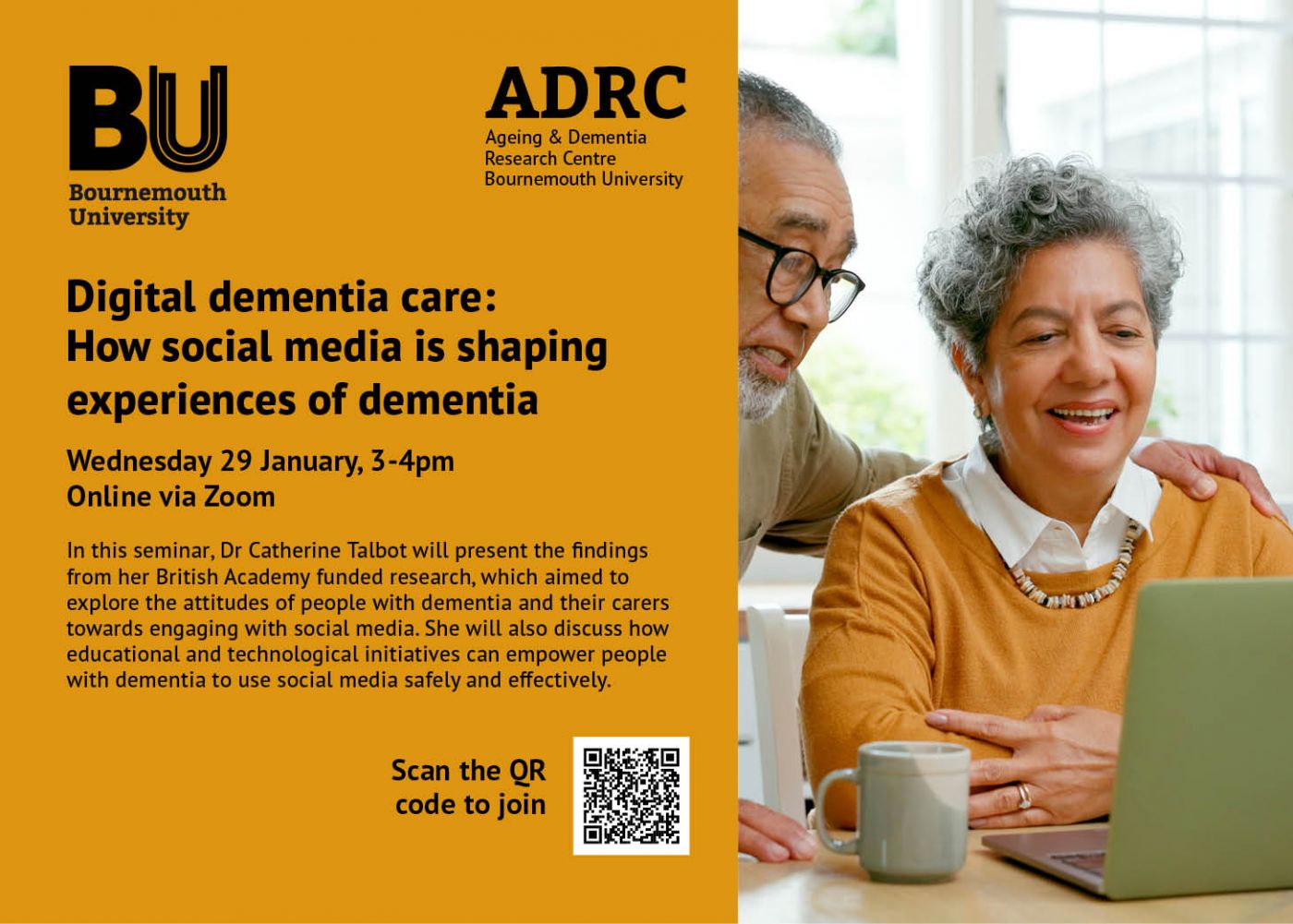
Digital dementia care: How social media is shaping experiences of dementia

We’re thrilled to invite you to the second online seminar in the new ADRC series. This session will feature Dr. Catherine Talbot from Bournemouth University, presenting: Digital dementia care: How social media is shaping experiences of dementia.

With a rapidly growing population of people affected by dementia and increasing global emphasis being placed on early and timely diagnosis, it is vital to explore creative ways of supporting those affected. Social media has potential to mitigate some of the challenges associated with dementia, by facilitating social connectivity and access to information. Despite these possibilities, research in this area is scarce, and social media platforms are not designed with the specific needs of people with dementia or their carers in mind. In this talk, Dr Catherine Talbot will present the findings from her British Academy funded research, which aimed to explore the attitudes of people with dementia and their carers towards engaging with social media. She will also discuss how educational and technological initiatives can empower people with dementia to use social media safely and effectively.

The seminar is open to all Bournemouth University staff, students, community organisations, and anyone interested in the topic.
Please keep an eye out for upcoming seminars throughout 2025!
See you there!
Join Zoom Meeting
https://bournemouth-ac-uk.zoom.us/j/88106186753?pwd=G65UYAra4oQjjNN76HauXxsBmI0oib.1
Meeting ID: 881 0618 6753
Passcode: $30@u6Af

New research published on Artificial Empathy in the Metaverse

Dimitrios Buhalis new research published on Artificial Empathy in the Metaverse

Assiouras, I., Laserer; C., Buhalis, D., 2025, The Evolution of Artificial Empathy in the Hospitality Metaverse Era, International Journal of Hospitality Management, Volume 126, April 2025, 104063 https://doi.org/10.1016/j.ijhm.2024.104063

Highlights

  • Artificial empathy of intelligent agents can be strengthened in the metaverse.
  • The experimental nature can hinder the development of artificial empathy.
  • The interoperability is critical for the development of artificial empathy.
  • Enhanced empathy of AI agents in metaverse will improve customers’ reactions.
  • Opportunities and challenges arise in the development of human empathy.

Abstract

As hospitality enters the metaverse era, artificial empathy becomes essential for developing artificial intelligence (AI) agents. Using the empathy cycle model, computational empathy frameworks and interdisciplinary research, this conceptual paper proposes a model explaining how artificial empathy will evolve in the hospitality metaverse era. The paper also addresses customer empathy and responses towards AI agents and other human actors within the hospitality context. It explores how metaverse characteristics such as immersiveness, sociability, experiential nature, interoperability, blended virtual and physical environments as well as environmental fidelity will shape computational models and the evolution of artificial empathy. Findings suggest that the metaverse enables AI agents to form a seamless cycle of detection, resonation, and response to consumers’ affective states, facilitating the evolution of artificial empathy. Additionally, the paper outlines conditions under which the artificial empathy cycle may be disrupted and proposes future research questions that can advance our understanding of artificial empathy.


Impact of virtual reality on the well-being and travel experiences of people affected by dementia

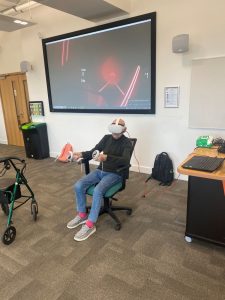
I am undertaking a research placement as part of my studies on the MSc Foundations of Clinical Psychology. In my role as a research assistant, I have been working on a project that aimed to introduce the idea of travelling using Virtual Reality headsets for people with dementia and their caregivers/ family members. Virtual reality (VR) technology presents a promising means of bridging geographical divides and empowering individuals with dementia to participate in their communities in ways that were not possible prior to diagnosis. Additionally, research has demonstrated the value of virtual reality in helping people with dementia remember their past, revisit their hometown, or most treasured vacation spots. The purpose of this project is to evaluate how virtual reality can support people with dementia with travel and explore the impact on their wellbeing.

This is a collaborative pilot research study involving BU staff from the Ageing and Dementia Research Centre (ADRC) (Dr. Michelle HewardDr. Catherine Talbot, Dr. Michele BoardDr Aisling Flynn, Lyndsey Bradley) and the International Centre for Tourism and Hospitality Research (ICTHR) (Dr. Daisy Fan, Prof. Dimitrios Buhalis) alongside colleagues from PramaLife (Sue Warr and Jo Keats) and is funded with QR funding from the Department of Psychology. We collected data on campus, and I was able to support this and had an opportunity to engage with the participants. The participants were asked to come to 2 sessions. The first session consisted of a session in the Blended Learning Interactive Simulation Suite, also known as the BLISS room. In this room, the participants and their caregivers were given the chance to play interactive VR games of their choice on the walls or visit different parts of the UK, such as London and Oxford. The second session consisted of using the VR headsets, where the participants were able to use the headsets themselves, which allows them to virtually experience other parts of the world, by looking around and having access to a 360 view, of a location of their choosing, whether that be somewhere they had never been to or reminisce about places they have been.

Given this immense opportunity to relive and reminisce about their previous experiences around the world, and their respective homes, the reception was overall a positive one. The participants left feeling positive about having virtually visited places from their past and having engaged with places they have never been to or would like to go to in the future. They provided some useful insights and feedback to inform future research in this area. We now move towards analysing and publishing the data.

Roshin Sibu

For more information about this project please email Michelle mheward@bournemouth.ac.uk

DNS staff share their virtual reality research at AHSN Wessex

on behalf of Professor Debbie Holley

I am delighted to report that Dr Michele Board, Dr Heidi Singleton and I were invited to share our virtual reality research as part of the Wessex Academic Health Science Network webinar on 16.03.2023. Dr Board presented her work on ‘walk through dementia’, which brings the reality of lived experiences places the viewer in the shoes of the person with dementia. More information about this projects and the collaboration with the Alzheimer’s Society are available from the ADRC website.

Dr Singleton and I presented on our work on the mental health 360 video scenarios we created for student nurse education which have been embedded within the curriculum.

Evaluated via Focus group discussions (n=6 students) and an online survey (n=33 thus far); with 94% of nursing students reporting that the videos were extremely or very useful for their learning.  

“It flags up potential extra considerations in practice that you wouldn’t anticipate with just the theoretical teaching. You can better visualise.” (Student Nurse 31) 

“It made me feel confident in how to interact with an individual who may be having a mental health breakdown.” (Student Nurse 15) 

“It showed me that you can take time and check the correct information and repeat steps when assessing and treating a patient.” (Student Nurse 8) 

The learning resources mean that students can link theory to practice and can repeat the activity at any point during their course and from any location.

Thanks to the wider team Ursula Rolfe, John Moran, Emma Collins and our former colleague Jasmine Snowden,


Success in HEIF funding: VR Igloo

VR Igloo: Developing and evaluating a novel interactive virtual reality intervention for children with eczema

Team: Dr Heidi Singleton, Yaqing Cui, Dr Xiaosong Yang, Dr Emily Arden-Close, Professor Steven Ersser, Professor Debbie Holley, Dr Sarah Thomas, Richard Glithro, John Moran, Dr Andy Hodder and Amanda Roberts (Nottingham Support Group for Carers (NSG) of Children with Eczema).

Aim: To co-create a complex VR health intervention based on the guided imagery approach to treating eczema (Ersser et al., 2014); targeted at children (aged between 7 and 11 years of age) (complex intervention development). This intervention is not a medical device but addresses a clinical issue and can be used at hospital or in the home. Our processes and outputs will be congruent with some of the staging of complex intervention development advised by the Medical Research Council (2021).

Evidence from our small-scale PPI project (Singleton et al. 2022), points to the need for an interactive VR innovation that provides an immersive experience to distract from itchy eczema with minimal requirements for contact with the child’s face or hands. To tackle this problem, we will design and develop a prototype system of an interactive “mini-VR igloo headset”. We will work with the Department of Design and Engineering to design and develop the prototype.

In keeping with a person-based approach these ideas will be discussed with our PIER group and will form part of the developmental work with our Nottingham based charity stakeholder partner.

This Open Call HEIF funding will enable this cross faculty team to work together, with some additional paid staff, to accelerate and maximise the development of a complex intervention to enhance its potential for impact of this well-established VR Eczema project. It will also provide us with several prototypes to test at BU events.

Heidi, Steve and Debbie research as part of the Centre for Wellbeing & Long-Term Health, follow us at Twitter CWLTH_BU

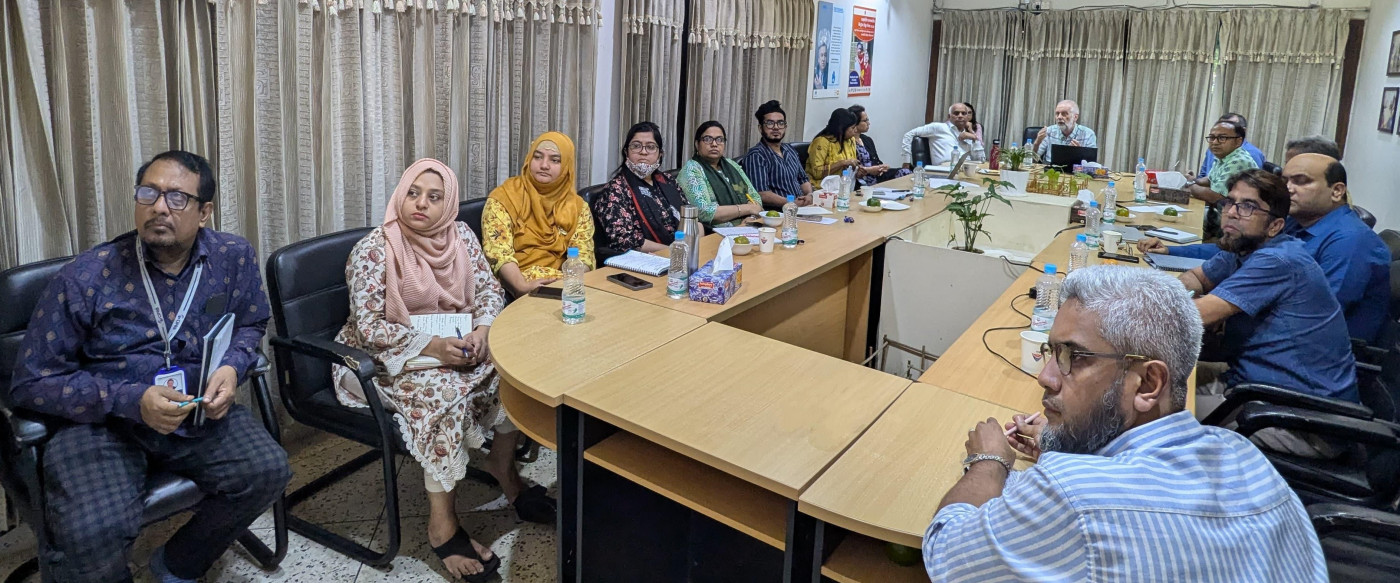
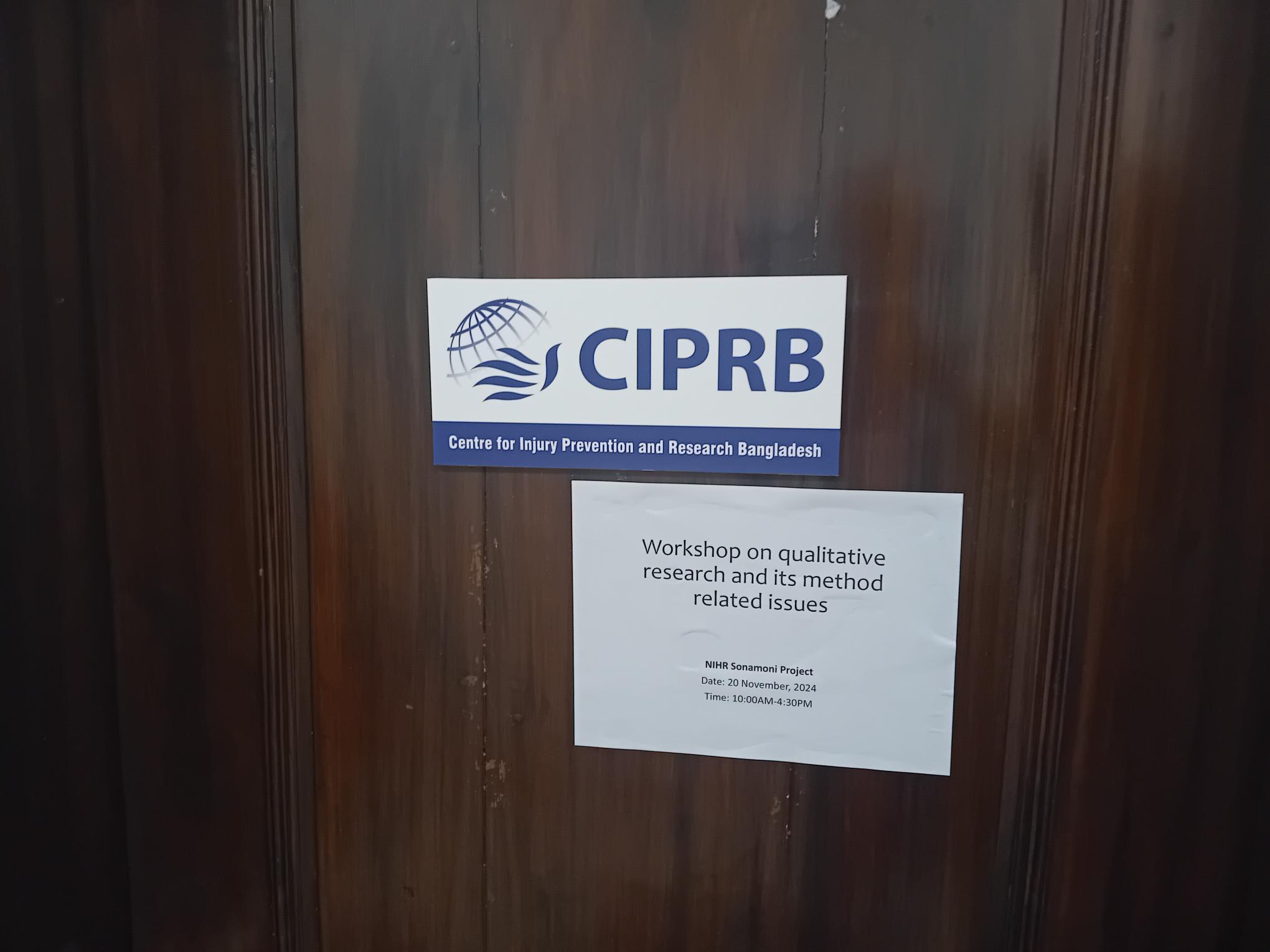
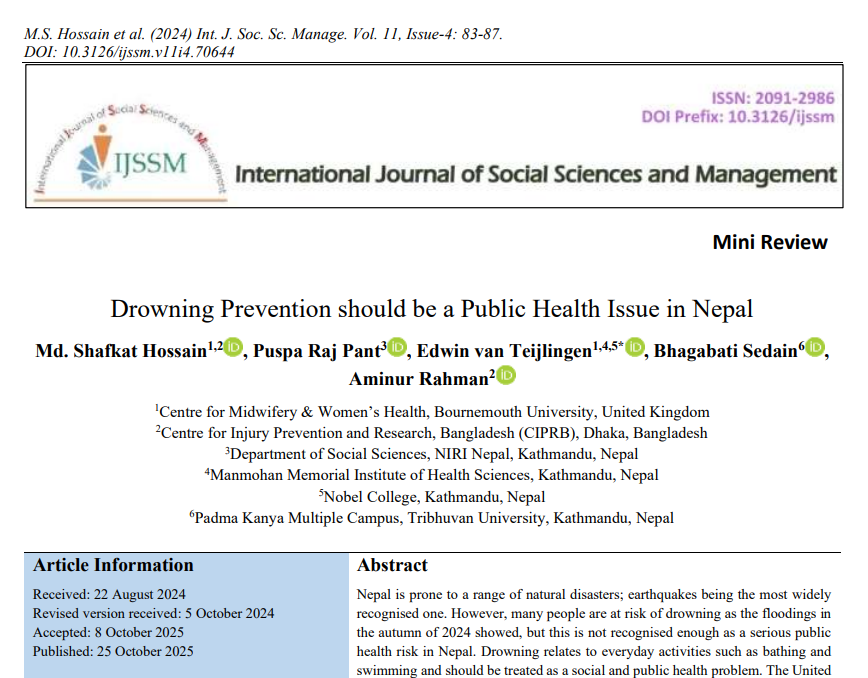
Drowning prevention meeting for NIHR-funded study

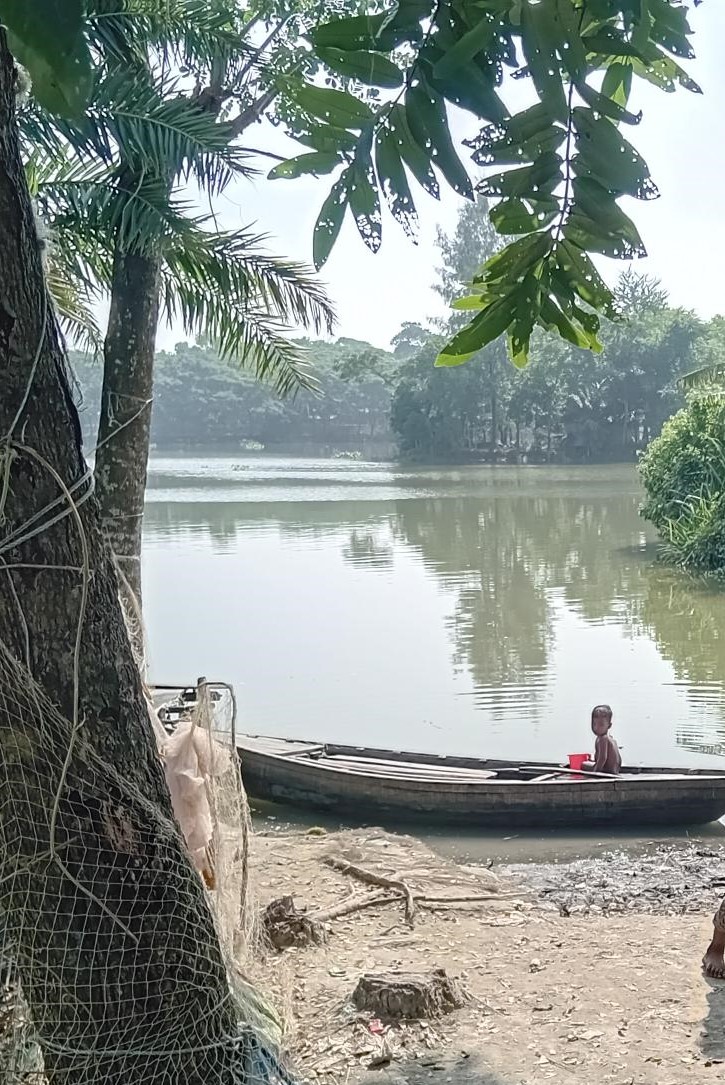
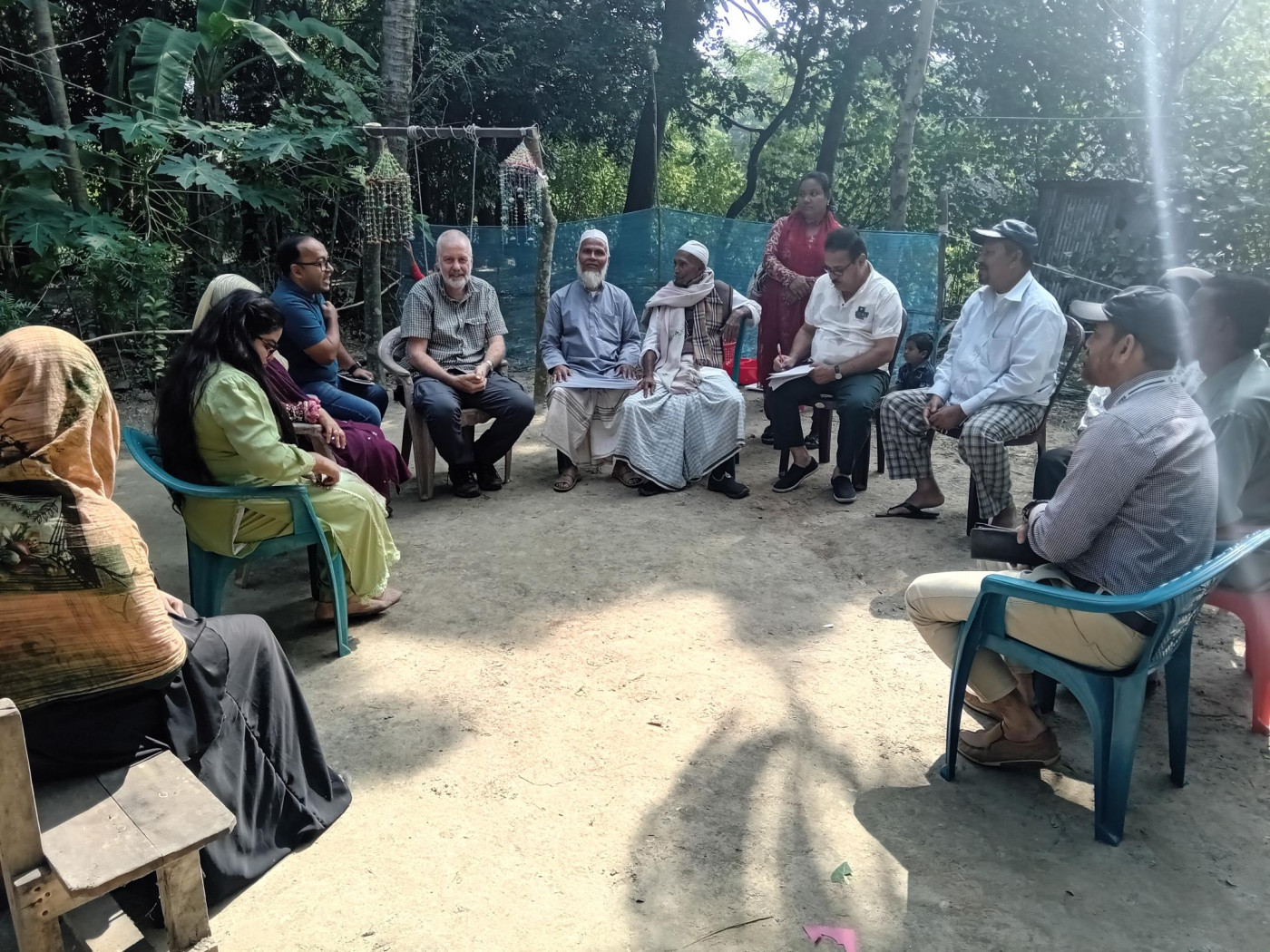
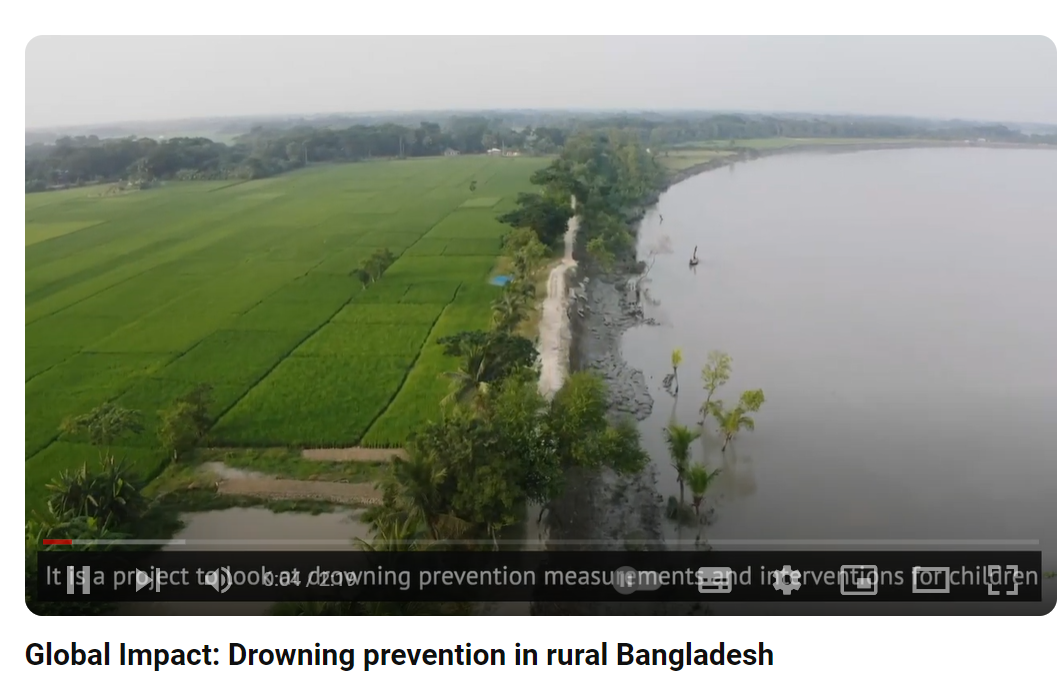
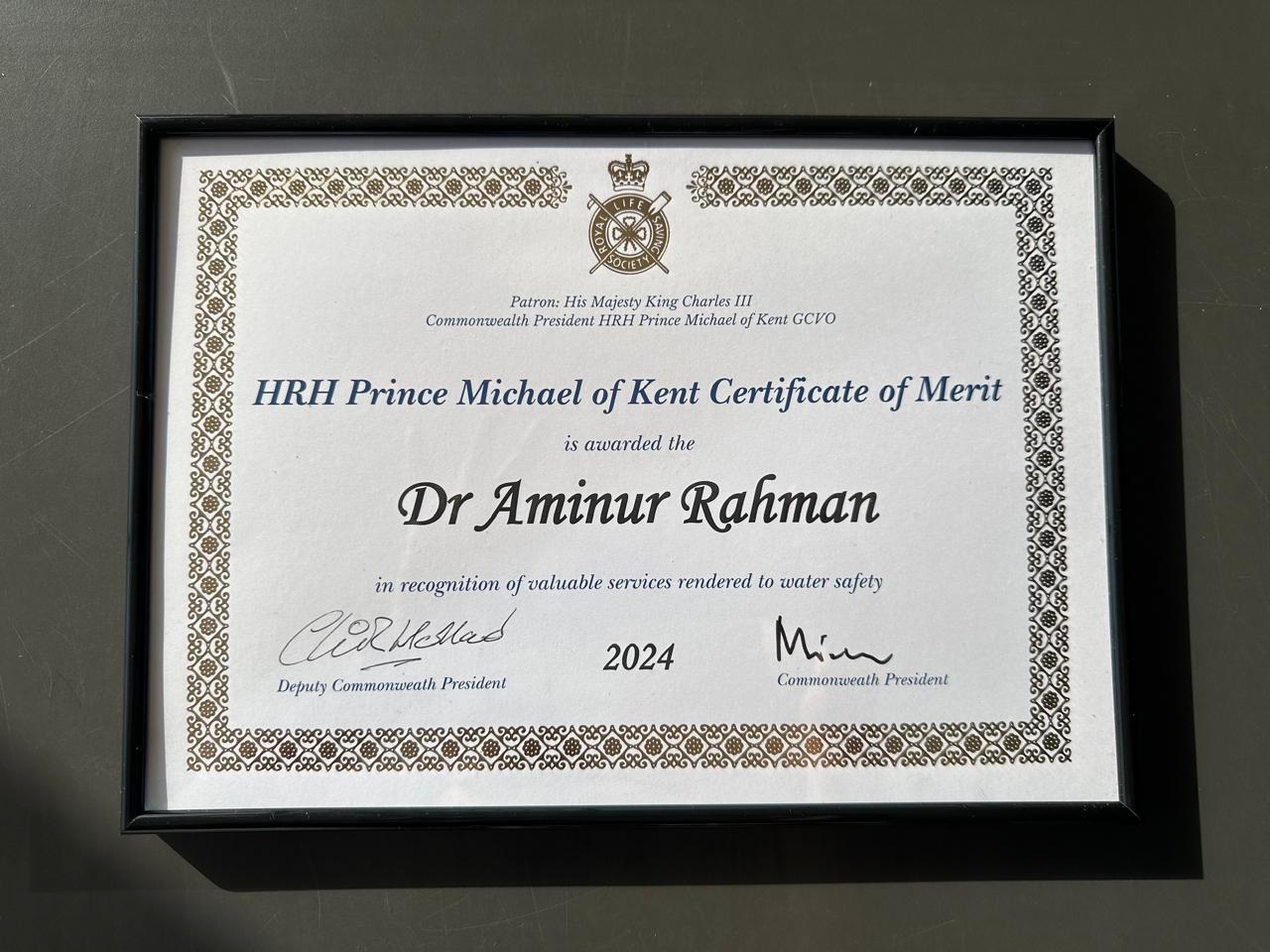
This week our collaborators on the Sonamoni project traveled from Bangladesh and Uganda to Dorset for a set of research planning meetings.  The visitors represented CIPRB (The Centre for Injury Prevention and Research, Bangladesh) and DWB (Design without Borders).  They were hosted by colleagues from Bournemouth University, the RNLI (Royal National Lifeboat Institute) and from the University of Southampton.  Since Monday we managed to have an intensive week of design workshops, reviewing and incorporating local-community prioritised interventions for child drowning prevention (aged <2years) in Bangladesh.  I say ‘we managed’, but I have been at home all week with COVID-19.  The past few days I was beginning to feel quite well again, so I was unpleasantly surprised that I was still positive when I tested yesterday, and even more so this morning.  Consequently, missing the whole week working with our visiting collaborators.

The Sonamoni project recently presented its own video recording on YouTube,which you can watch here!

Sonamoni is a public health project is funded by the National Institute for Health and Care Research (NIHR) through its Research and Innovation for Global Health Transformation programme. For more information, visit the NIHR website.


Prof. Edwin van Teijlingen

Centre for Midwifery & Women’s Health (CMWH)

Prof. John Oliver receives European media award

Prof.John Oliver was presented with the European Media Management Association’s highest award for “excellence in media management scholarship and practice” at the annual conference in The Netherlands.

The award also recognises Prof. Oliver’s contribution to the development of the association where he served on the Executive Board for many years and as the President between 2021-23.

Prof. Oliver commented that “whilst it is an honour to be presented with an individual award, it is also in recognition of the many people that have helped me develop my research and the contribution that many of the association’s members have made over the years”.

2023-4 New Media Writing Prize and Unconference Success

The 2023-24 New Media Writing Prize, directed by BU’s Lyle Skains and judged by BU practitioners and researchers Dalia Elsheikh, Jim Pope, and Brad Gyori has drawn to a close after a bright and exciting two days of creative “Unconferencing”, a brilliant and thought-provoking keynote on generative AI and electronic literature from Professor Anastasia Salter, and the announcement of all winners for this year’s prizes. The keynote and awards ceremony are available on YouTube for anyone who missed them.

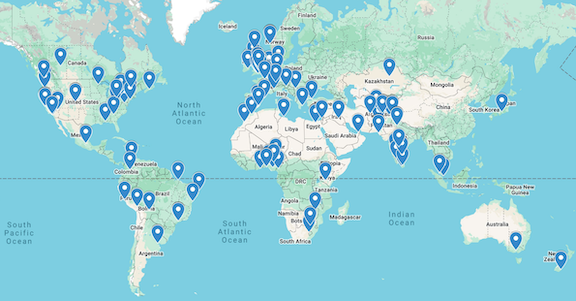
This year the events were moved to May from January to fit better with semester timetables and activities around the Bournemouth Writing Prize. This move proved fortunate as we saw our entries nearly double this year over previous years, with 194 eligible works submitted from 45 different countries. Our judges certainly needed the extra time to review and debate the wealth of high quality submissions of interactive digital narrative and journalism.

world map showing pins in 45 different countries

Geographical origins for 194 entries to the 2023-24 New Media Writing Prize

The Awards

All works are accessible on the 2023 NMWP website.

Chris Meade Memorial Main Prize

Our judges shortlisted eight works for the main prize; Florence Walker’s I Dreamt of Something Lost topped the category:

  • WINNER – I Dreamt of Something Lost by Florence Walker
  • A Condensed History of Australian Camels by David Thomas Henry Wright, Louis Pratt, Karen Lowry, Chris Arnold
  • Congee by Rebecca Chui
  • Infinite Eddies by Siobhan O’Flynn
  • L and the Empress of Sand by Jon Stone
  • Musselled Out by Dolly Church, Elinor Kirchwey, Eamon Foreman, Niall Tessier-Lavigne
  • The Hotline by Kasey Gambling
  • Voices by Christine Wilks

Writers Online Student Prize

  • WINNER – Polterkicks by Emma Husa
  • An Undecided Fate by Drew Ott
  • I Dreamt of Something Lost by Florence Walker
  • Meow Memoir by Brynna Hosszu
  • What Remains? by Vegard Fotland
  • Words So Much Like Ivy by Chris Pang

Social Good Prize

2023-24 marks the very first year this prize has been awarded; it is supported entirely by the associated NMWP Unconference. The focus on interactive digital narrative for the purposes of social good or addressing global challenges (such as the UN Sustainable Development Goals) is drawn from Lyle Skains’ research into the creation and efficacy of interactive narrative to inspire attitude and behaviour change on topics of socio-cultural, medical, and ecological importance.

  • WINNER – Musselled Out by Dolly Church, Elinor Kirchwey, Eamon Foreman, Niall Tessier-Lavigne
  • A Condensed History of Australian Camels by David Thomas Henry Wright, Louis Pratt, Karen Lowry, Chris Arnold
  • The Hotline by Kasey Gambling
  • Tree-Person by Talita Bedinelli
  • Voices by Christine Wilks

Opening Up Prize

  • WINNER – all the borders I crossed without you by Rosalind Fielding
  • Crowbar by Dylan Spicer
  • Infinite Eddies by Siobhan O’Flynn
  • Memory Eternal (Вічная Пам’ять) (2023) by the Decameron Collective
  • The Hotline by Kasey Gambling
  • Voices by Christine Wilks

FIPP Media Journalism Prize

  • WINNER – SOS – SAVE OUR SOILS by Marius Münstermann
  • Choking Kurdistan by Tom Brown
  • Terraforming Singapore: Is the future made of sand? by Zafirah Zein
  • The illusion of prosperity by Katerina Afanasyeva

Unconference Report

Anastasia Salter’s keynote (viewable on YouTube) capped off the Unconference and transitioned us to the awards ceremony. Their insights on generative AI and how it is already influencing electronic literature (another wave of software reproducing social bias and inequality) even while offering the next step in the evolution of creative tools were both concerning and exhilarating—perhaps a perfect note to strike in an Unconference themed around inclusivity.

Our second annual Unconference unfolded over two days leading up to the NMWP Award Ceremony. 40 creatives, academics, and students attended from across the world, including the UK, USA, Canada, India, Norway, and Mexico.

As a more creatively-focused event, the Unconference focuses on workshops and performances, with relevant academic talks dispersed throughout. We learned fundamentals of programming, how to create a GitHub website, and considerations for creating interactive digital narratives with purpose (such as wellbeing).

We were also treated to electronic poetry, a preview of the very first Indian anthology of electronic literature, Instagram storytelling, and discussions of art and health.

We played together in netprov (improvisational, collaborative online storytelling), spitballed approaches to teaching electronic literature and making it more accessible, and became Wikipedia editors as we seek to grow elit’s representation on this foundational site of knowledge.

Successful Bid-generating Sandpit designed and facilitated by BU academics Catalin Brylla and Lyle Skains

image with sandpit title, facilitator names, and sponsor logos27 early career academics from ten universities came together 30 April-1 May in Bournemouth for a two-day sandpit funded by The British Academy Early Career Researcher Network and organised by Dr. Catalin Brylla (Centre for the Study of Conflict, Emotion, and Social Justice) and Dr. Lyle Skains (Centre for Science, Health, and Data Communication Research). The participants specialise in a variety of disciplines such as performance, media, business management, environmental sciences, anthropology, computing, architecture, law, engineering, tourism, and health studies. They brought their interests in a sustainable world and society (as represented by the UN Sustainable Development Goals) to the sandpit for networking, team-building, and funding and project development workshops, many of which were based on the successful and innovative NESTA-developed ‘Crucible’ programme (no longer online, but see the Welsh Crucible).

image of 27 people seated in two rows of chairs facing one another, talking animatedlyThe success of the sandpit’s activities is highlighted by the culmination of six projects proposed to a panel of subject experts from Bournemouth University: Prof. Amanda Korstjens (ecology), Prof. Adele Ladkin (business), Prof. Huseyin Dogan (computing), Dr. Lyle Skains (arts practice and interdisciplinarity), Dr. Catalin Brylla (media practice) and Zarak Afzal (research development). These experts provide mentorship and feedback on the projects as they develop toward funding proposals. Two sandpit follow-up sessions will also aid the participants in developing their funding proposals.

A group of people around a table, writing notes, talking animatedly to one another. Other similar tables are in the background.This is the first ‘crucible’ sandpit of its kind offered through the BA ECRN, though plans are under development for further offerings in both the Southwest and other regional hubs.

To receive news of further sandpits and development opportunities, join the BA ECRN.