Category / Communities, Cultures and Conflicts

Successful academic writing, publishing and collaboration workshop at BU

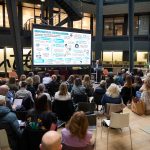
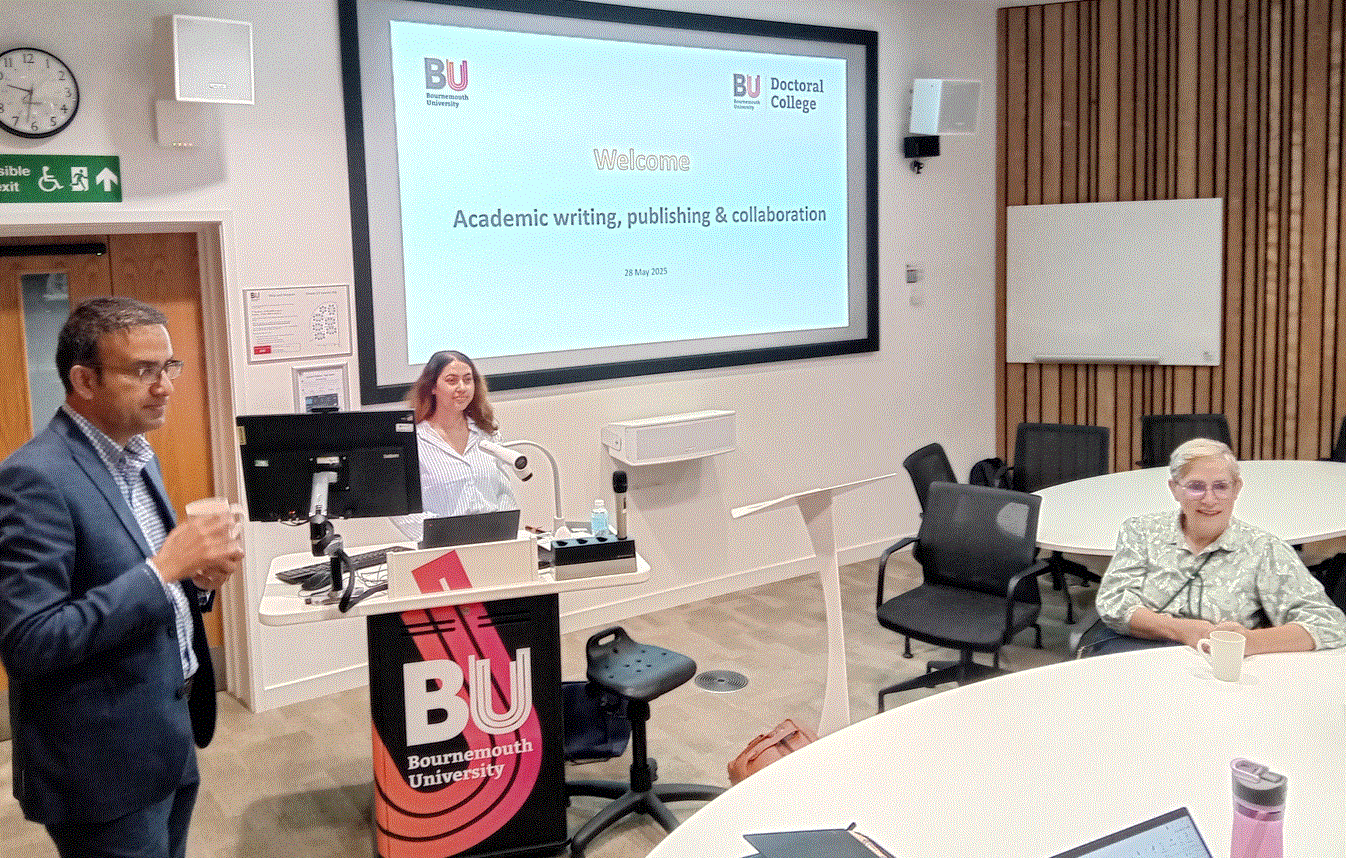
Last week’s workshop on ‘Academic Writing, Publishing & Collaborating’ held at Talbot Campus organised by Mrs. Anjana Paudyal, Ph.D. student in FHSS (Faculty of Health & Social Sciences) was very engaging and very well attended.  This event was part of the Doctoral College’s Research Culture and Community workshop series.  The workshop was opened by Anjana, who spoke about publishing her first PhD paper in the first half year of her part-time PhD journey.

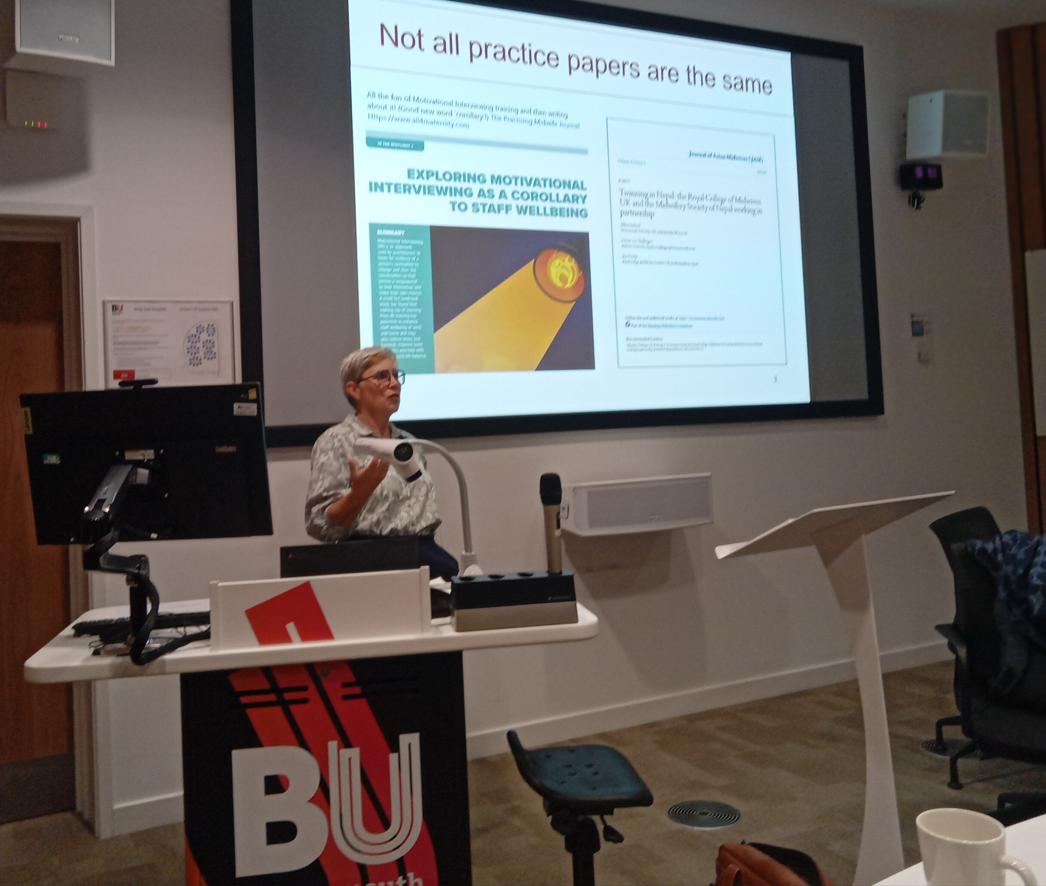
Key sessions in this interactive workshop included presentations from Ms. Jillian Ireland based at UHD (University Hospitals Dorset NHS Foundation Trust) and academics based at BU.  Jillian spoke about her experience of publishing in practice journals as well as publishing papers about practice in academic journals.

Whilst Dr. Pramod Regmi, Principal Academic in International Health in FHSS stressed the importance of paying attention to publishing metrics and identifiers, including h-factors, impact factors, and social media use in academic publishing.

Prof. Edwin van Teijlingen, Research Culture Champion in FHSS outlined ideas for turning PhD chapters in papers and he also highlighted BU’s unique option of doing a so-called ‘Integrated thesis‘.  The integrated thesis format allows students to incorporate papers into their thesis.  These can be published papers, papers accepted for publication, papers submitted, prepared but not submitted papers and other unpublished papers or reports.

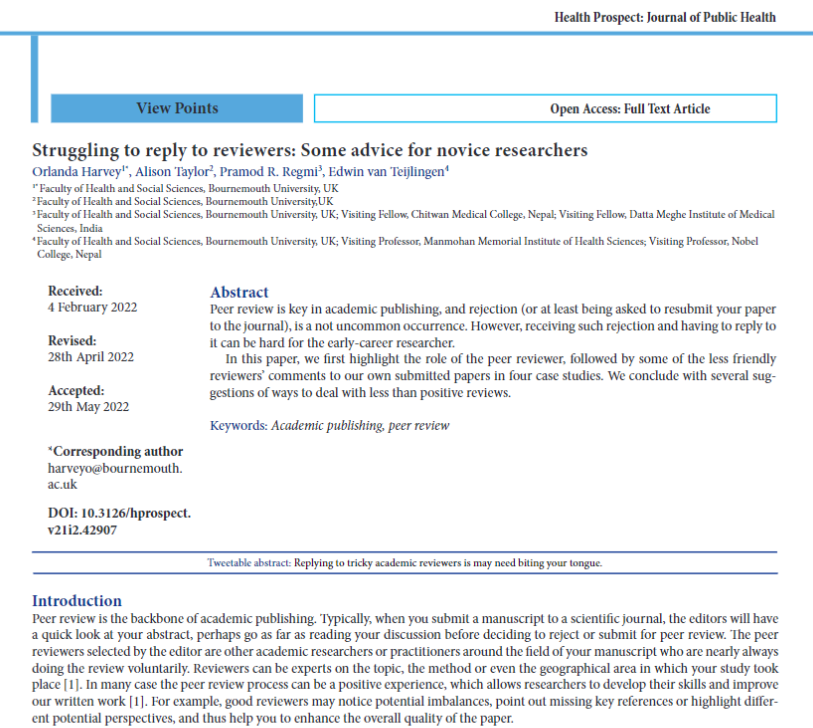
Dr. Orlanda Harvey is a senior lecturer in Social Work at BU, specialising in Developing Professional Relationships and Leadership, she presented replying to reviewers.   The Question & Answer session was lively and engaging.

Last, but not least, Anjana Paudyal, the organiser, and presenters would like to thank the Doctoral College for supporting this important event!

Inaugural research meeting for British Academy grant

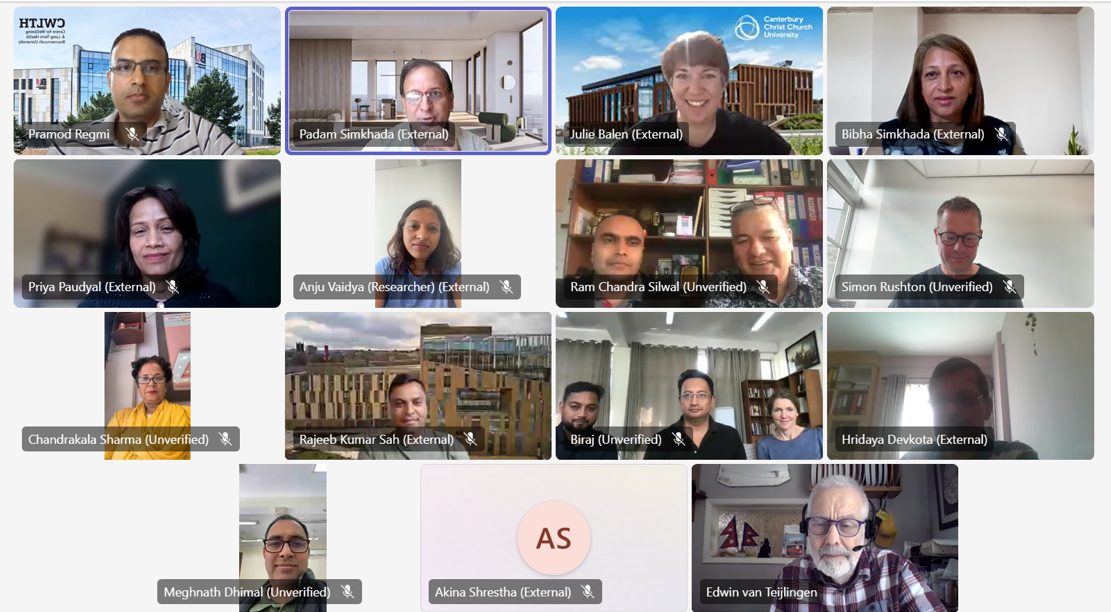
Today we had the introductory meeting of our recently funded ‘British Academy Project on Evidence-Informed Policymaking in Nepal’, the project is coordinated by the University of Huddersfield by Prof. Padam Simkhada, who is also Visiting Professor in Bournemouth University’s (BU) Faculty of Health & Social Sciences.  The co-investigator at BU is Dr. Pramod Regmi (Principal Academic in International Health), with other co-applicants based at the Keele University, Canterbury Christ Church University, the University of Sheffield, the University of Chester, the Nepal Health Research Council (NHRC), Kathmandu University and the research-based charity Green Tara Nepal.

This one year grant is officially starting next month (1st June).  The plans for this project were laid some time ago, and expressed in our 2022 paper ‘Nepal urgently needs a National Evidence Synthesis Centre‘ [1].   Our funded project will focus on the activities of: (1) formative research; (b)  capacity building including evidence synthesis; (c) the establishment of a National Evidence Synthesis Centre; and (d) the evaluation of sustainability planningThe British Academy see this award also as providing a developmental opportunity, enabling award holders to build connections within the cohort and critically beyond that as well.


Prof. Edwin van Teijlingen

Centre for Midwifery & Women’s Health

Reference:

  1. Simkhada, P., Dhimal, M., van Teijlingen, E., Gyanwali, P. (2022) Nepal Urgently Needs a National Evidence Synthesis Centre, Journal of Nepal Health Research Council, 20 (3): i-ii.


Congratulations to Dr. Shanti Farrington & colleagues

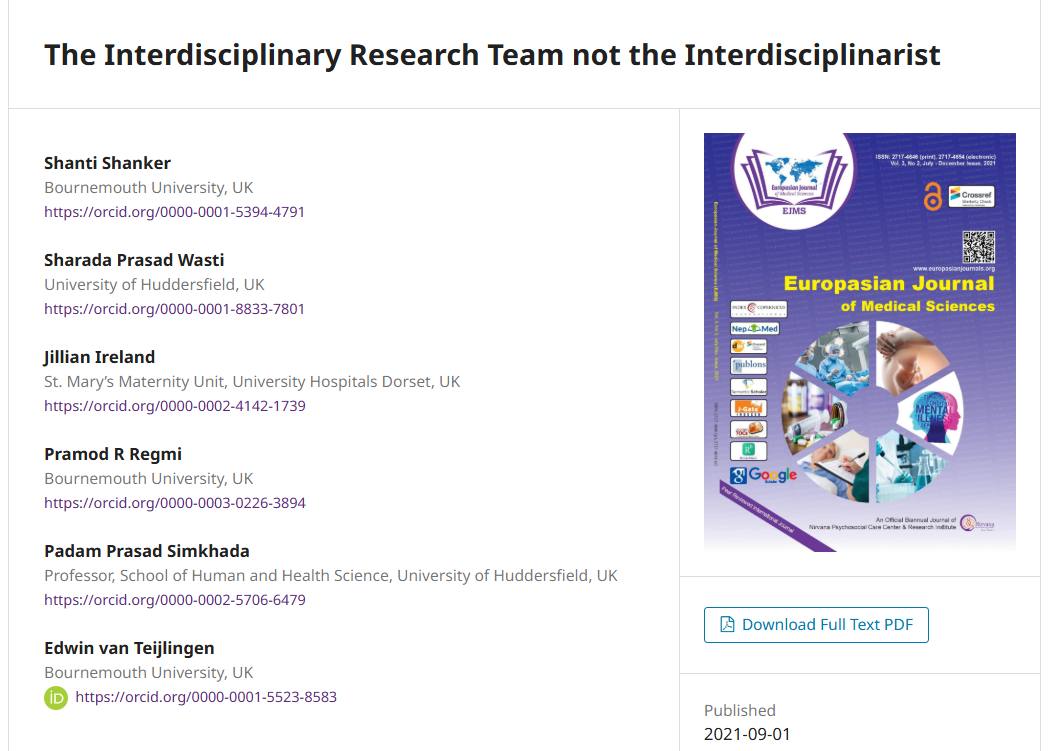
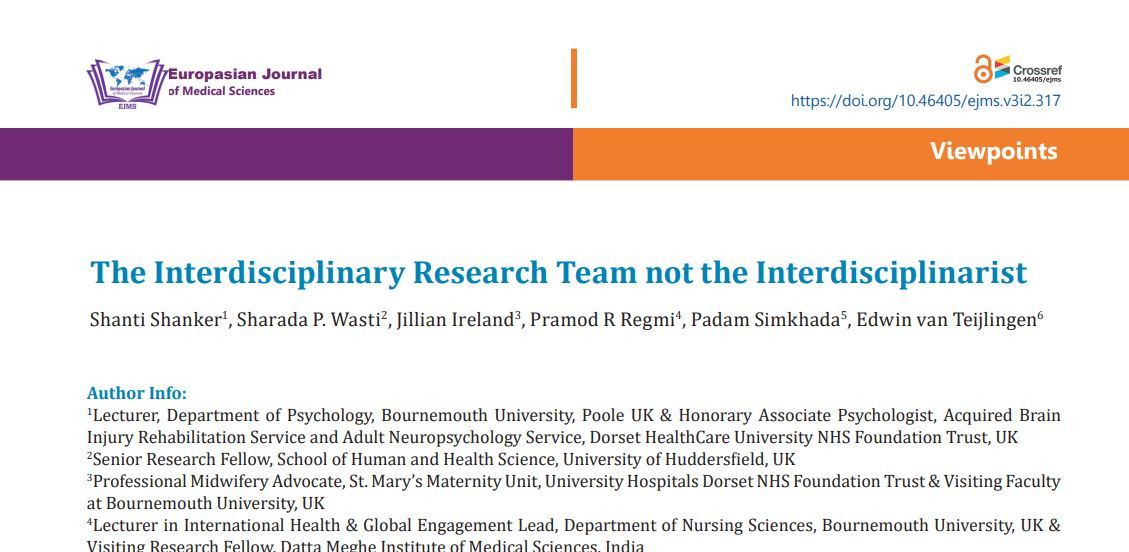
Today ResearchGate announced that the paper ‘The Interdisciplinary Research Team not the Interdisciplinarist’ [1] has been read 3,000 times.  The paper, with psychologist Dr. Shanti Farrington (previously Shanker) as lead author, was written with colleagues from (a) the Faculty of Health & Social Sciences, namely Dr. Pramod Regmi and Prof. Edwin van Teijlingen; (b) the NHS, Ms. Jillian Ireland, Professional Midwifery Advocate in University Hospitals Dorset NHS Foundation Trust; (c) the University of Huddersfield, namely Prof. Padam Simkhada, who is also Visiting Professor at BU; and (d) the University of Greenwich, in the person of Dr. Sharada P. Wasti (previously based at the University of Huddersfield).

This methods paper addresses some of the pitfalls and barriers to being an interdisciplinary researcher. Being involved in interdisciplinary research is not an easy option for an individual discipline expert. It requires individual skills, ability to see beyond one’s discipline and perhaps personality characteristics such as a great team player. Interdisciplinary research may involve a mixed-methods approach underpinned by conflicting, and according to some, incommensurable research philosophies.

This paper on working interdisciplinary is part of a suit of academic papers on the topic written by some of the same authors [2-3].  All papers are fully open access and hence freely accessible across the globe to anyone with an internet connection.


References:

  1. Shanker, S., Wasti, S.P., Ireland, J., Regmi, P., Simkhada, P., van Teijlingen, E. (2021) The Interdisciplinary Team Not the Interdisciplinarist: Reflections on Interdisciplinary Research, Europasian Journal of Medical Sciences 3(2): 1-5. https://doi.org/10.46405/ejms.v3i2.317
  2. van Teijlingen, E., Regmi, P., Adhikary, P., Aryal, N., Simkhada, P. (2019). Interdisciplinary Research in Public Health: Not quite straightforward. Health Prospect, 18(1), 4-7. https://doi.org/10.3126/hprospect.v18i1.19337
  3. Wasti, S. P., van Teijlingen, E., Simkhada, P. (2020) Public Health is truly interdisciplinary. Journal of Manmohan Memorial Institute of Health Sciences, 6(1):21-22.


NIHR Global Health Research Academy 2025

The 2025 NIHR Global Health Research Academy Member event will take place on Tuesday 13th and Wednesday 14th May.  The NIHR recognizes that career progression is a common challenge for early-career researchers. This year the event’s theme is ‘Empowering Early-Career Researchers: Navigating Careers in Global Health’. This two-day online event aims to equip participants from across the globe with the skills and knowledge to navigate and build a career in global health research.

Bournemouth University staff and students participating in the NIHR Research and Innovation for Global Health Transformation Call 4: Drowning Prevention for newly mobile infants under 2 years in Bangladesh programme have been invited.  This NIHR-funded project is called Sonamoni and BU’s student Md. Shafkat Hossain, whose PhD assessed the work in Bangladesh, is one the participants, as is our colleague from Bangladesh Notan Dutta.  In the afternoon BU’s Edwin van Teijlingen who will be chairing a session on ‘Funding & Grant Writing’.

Sonamoni is being coordinated by Bournemouth University in collaboration with the Centre for Injury Prevention and Research (CIPRB) in Bangladesh as well as the University of the West of England, Bristol, the University of Southampton, Design Without Borders (DWB) in Uganda, and the Royal National Lifeboat Institution (RNLI). This project, with Prof. Dr. Aminur Rahman (at CIPRB) as Bangladesh lead,  includes the above mentioned BU-based PhD project.  The interdisciplinary team at Bournemouth University covers three faculties through: Dr. Mavis Bengtsson, Dr. Kyungjoo Cha, Dr. Mehdi Chowdhury, Dr. Yong Hun Lim, Mr. John Powell, and Prof. Edwin van Teijlingen.

TikTok’s return can’t erase the cross-community alliances sparked by RedNote’s rise

Imagine abandoning one social media app only to find yourself at the center of an unexpected global movement against racism. That’s exactly what happened when American TikTok users, temporarily locked out of their favorite platform due to the U.S. ban in January this year, migrated en masse to the Chinese social media site RedNote. They called themselves “TikTok refugees”. But no one predicted what came next: this mass shift became an unlikely force for dismantling racism, particularly anti-Chinese sentiment. RedNote, instead of just being a backup app, turned into a rare space for cultural exchange, solidarity and cross-community support.

Some anti-racism strategies are universal across social media—sharing personal stories, expressing anger, frustration, or grief. One of the most powerful moments came from a video titled “我们是一家人 WE ARE THE WORLD” by Chinese user roxycat 猫姐(内敛优雅版). In the video, she breaks down in tears recalling past and present experiences of racism, pleading for “less discrimination and more understanding”. Posted on January 19, the video amassed 149K likes and 18K comments by March 18—not just from Chinese users, but from Americans and other western users who actively engaged with her message. This wasn’t just another viral video. It was a digital reckoning which forced people to acknowledge racism head-on.

On TikTok, anti-racism discussions usually follow a pattern: victims share experiences, and allies respond with support or calls to action. But RedNote—perhaps because it’s a Chinese-centric space—created a different dynamic. Instead of simply reacting, non-Chinese users became active participants in cultural exchange. They were not just acknowledging racism; they were learning, engaging and reshaping their own perceptions.

Take Chinese food, for example. Instead of the tired, racist stereotypes that have long plagued perceptions of Chinese cuisine, new non-Chinese RedNote users started cooking traditional dishes, sharing their attempts online, and celebrating them. A stark contrast to the COVID-19 era, when Chinese restaurants faced boycotts and xenophobic attacks.

Then, there was humour. If there’s one way to deflate a racist narrative, it’s to mock it. The U.S. government justified the TikTok ban over national security concerns—so what did users do? They leaned in. A viral video by user Conner Frost joked about reuniting with a “Chinese spy” on RedNote, to which Chinese users cheekily responded that they were only interested in stealing pictures of American users’ pets. This playful subversion of xenophobic narratives underscores how humour can be a tool for dismantling harmful stereotypes rather than reinforcing them.

The question now is: does this camaraderie have staying power? Two months on from the ban, will American users stick around or will they ditch RedNote now that TikTok is back in full force? Right now, engagement is holding strong. As of March 18, the hashtag #tiktokrefugee had racked up 44.8 million posts on RedNote, with many users openly stating they have no plans to leave. Even users from countries with no TikTok bans, like the UK and Italy, are jumping on board. But at the same time, RedNote’s ‘For You’ page is shifting back to its usual content rather than being dominated by posts from the new users, suggesting the novelty might be wearing off. Will this be a lasting migration or just a temporary detour?

One thing is certain: the walls between Chinese social media and the rest of the world have cracked open. And that matters. Social media is often blamed for fueling division, but RedNote has proven it can also be a bridge. The challenge now is to take this beyond the screen—to turn fleeting digital moments into long-term change.

The migration to RedNote started as a reaction to political and economic chaos, but it became something far more powerful. It showed what happens when communities connect—not because an algorithm tells them to, but because of genuine curiosity and shared human experience. If we’re smart, we won’t let that go to waste.

Dr. Xin Zhao, Principal Academic in Media and Communication at Bournemouth University
Paper on Nepal reaching 5,000 readers

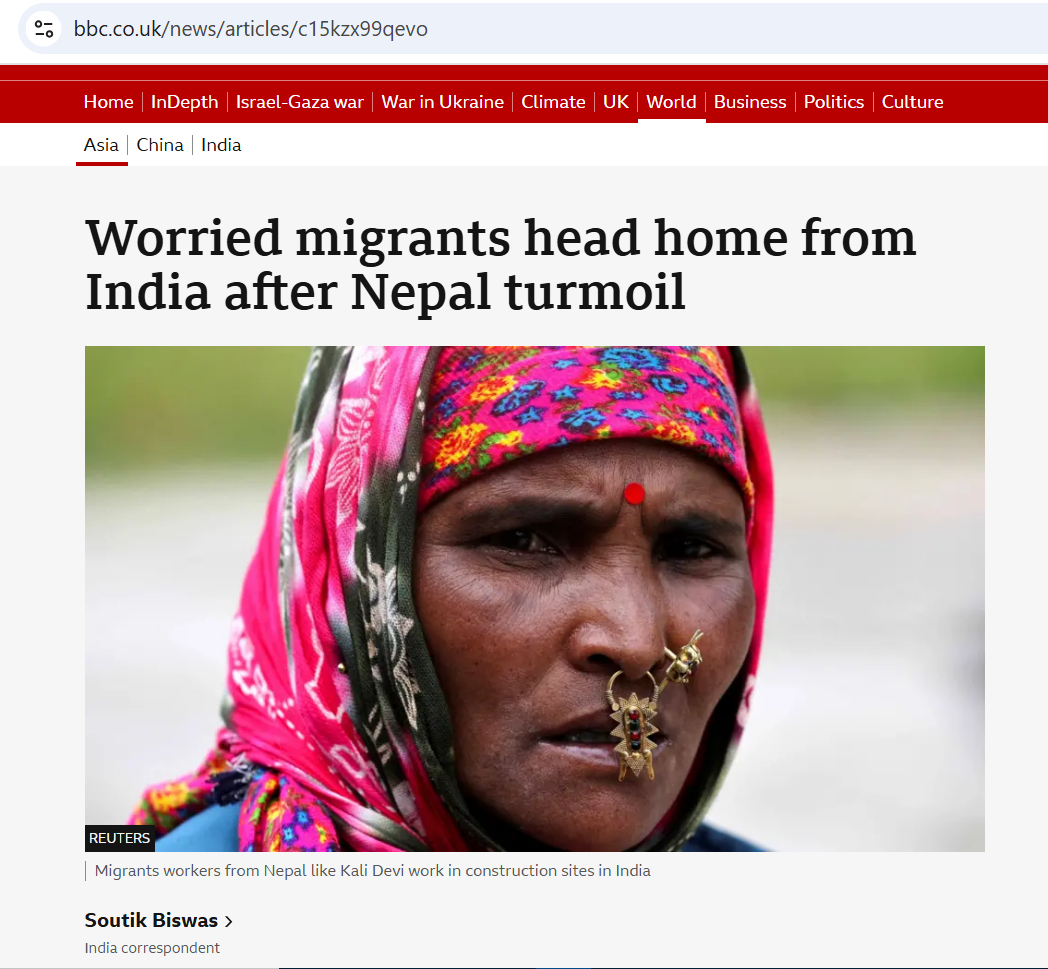
Today ResearchGate informed us that our 2010 paper ‘Women’s autonomy in household decision-making: A demographic study in Nepal[1] has been read 5,000 times.  This academic paper published in the international journal Reproductive Health is Open Access, hence available to anybody globally with internet access. The study explored the links between women’s household position in Nepal and their autonomy in decision making.  Using existing data (n = 8,257)  from the Nepal Demographic Health Survey (NDHS) 2006 we (Dr. Pramod Regmi and Prof. Edwin van Teijlingen with colleagues from other UK universities) focused on four types of household decision making: (1) women’s own health care; (2) making major household purchases; (3) making purchase for daily household needs; and (4) visits to her family or relatives.

We found that women’s autonomy in decision making is positively associated with their age, employment and number of living children. Women from rural area and Terai region (the southern part of Nepal bordering India) have less autonomy in decision making in all four types of outcome measure. There is a mixed variation in women’s autonomy in the development region across all outcome measures. Western women are more likely to make decision in own health care (1.2-1.6), while they are less likely to purchase daily household needs (0.6-0.9). Women’s increased education is positively associated with autonomy in own health care decision making (p < 0.01), however their more schooling (school-leaving certificate and above) shows non-significance with other outcome measures. Interestingly, rich women are less likely to have autonomy to make decision in own healthcare.


Reference:

  1. Acharya, D.R., Bell, J.S., Simkhada, P., van Teijlingen, E., Regmi, P. (2010) Women’s autonomy in household decision-making: a demographic study in NepalReproductive Health 7, 15   https://doi.org/10.1186/1742-4755-7-15

Promoting Human-Centred Design in Drowning Prevention

The Department of Design and Engineering at Bournemouth University has a reputation for its Human-Centred Design (HCD) work.  In our interdisciplinary Sonamoni project we have HCD at its centre.  The Sonamoni project is coordinated by Bournemouth University in collaboration with the University of the West of England (Bristol), the University of Southampton, and the Royal National Lifeboat Institution (RNLI), Design Without Border (DWB) in Uganda and Centre for Injury Prevention and Research, Bangladesh (CIPRB). The interdisciplinary team at Bournemouth University covers three faculties and six academics: Dr. Mavis Bengtsson, Dr. Kyungjoo Cha, Dr. Mehdi Chowdhury, Dr. Yong Hun Lim, Mr. John Powell, and Prof. Edwin van Teijlingen.

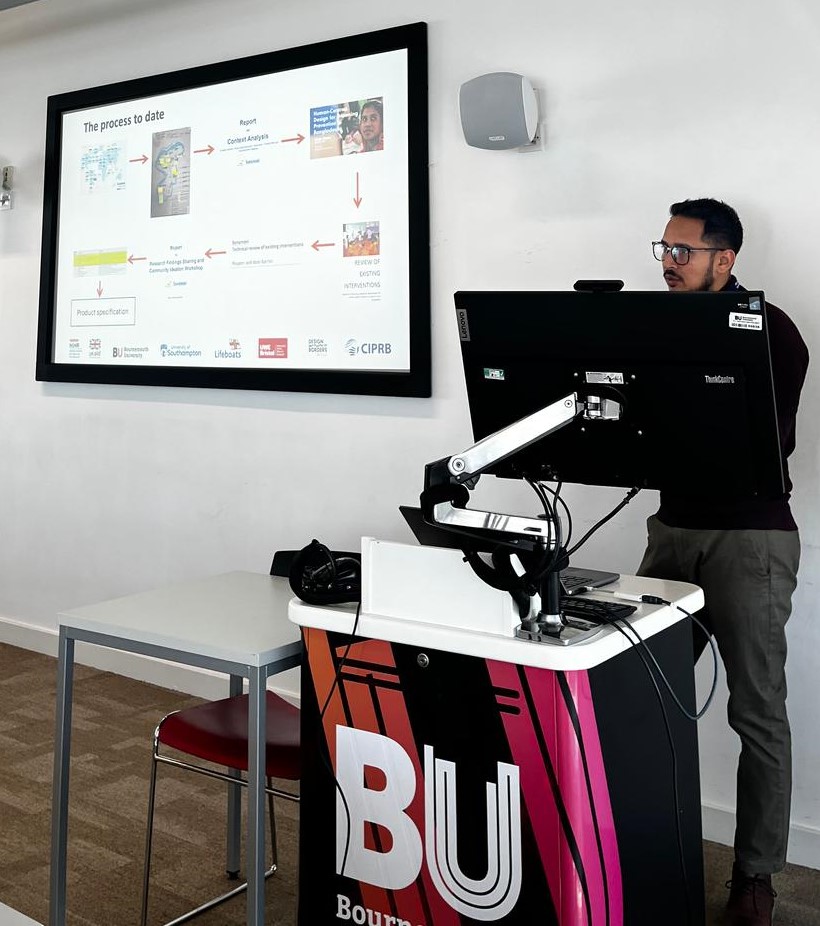
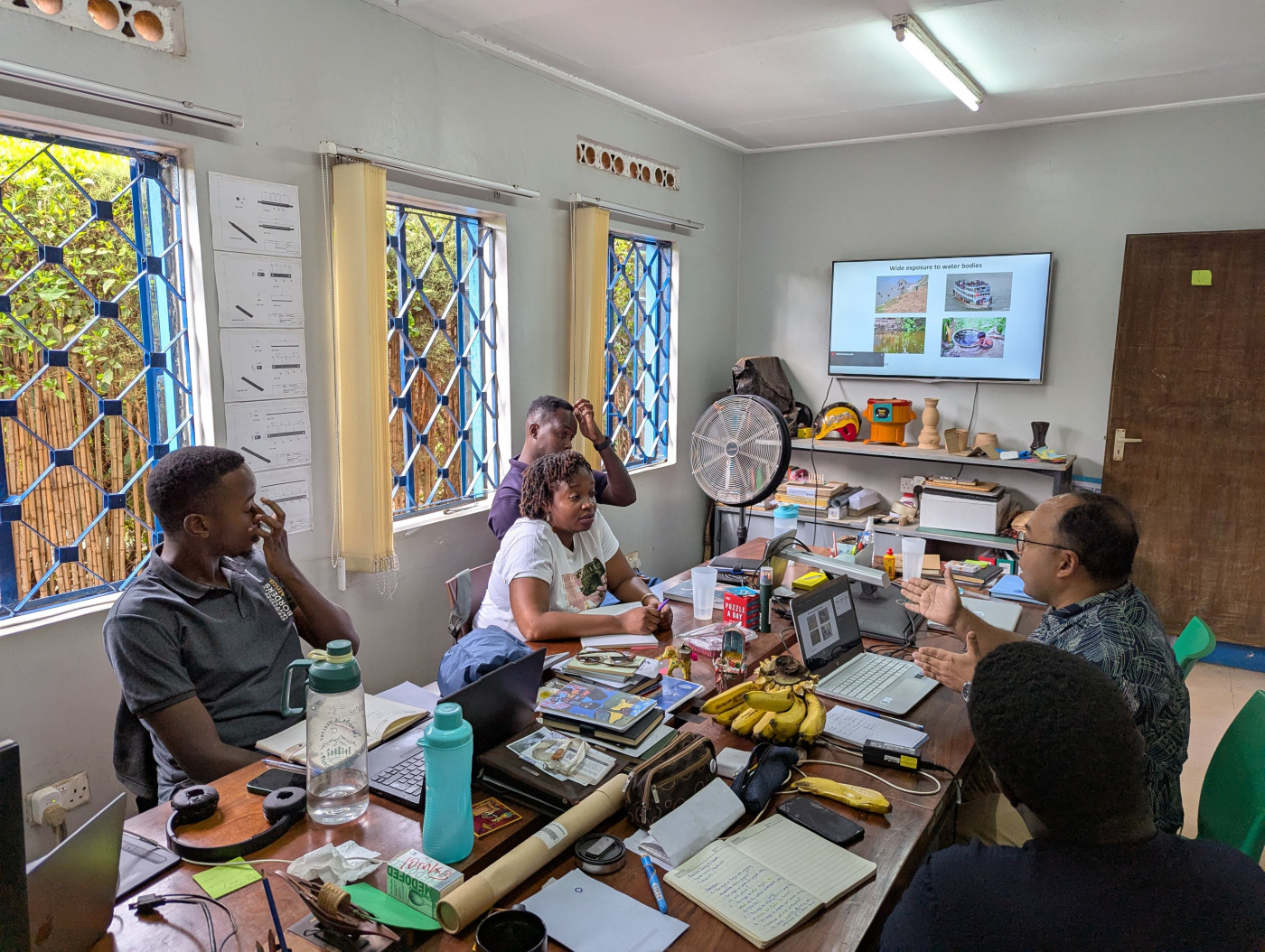
Last month two staff from CIPRB, Notan Chandra Dutta and Mirza Shibat Rowshan visited DBW in Uganda, as part of so-called South-South learning. Their objective was to share (1) knowledge and experience of using HCD techniques and (2) best practices of drowning prevention in both countries. Utilizing HCD techniques, Sonamoni is working to identify and prioritize potential solutions, develop prototypes, and assess the acceptability of the interventions to reduce drowning deaths among old children under two in Bangladesh.

During the visit, Notan and Shibat participated a four-day ideation workshop with the fisher community near Lake Victoria, organized by DWB. In the workshop, different HCD tools were used along with other group activities to generate and refine ideas for the solutions. The generated ideas were recorded by visualization tools. Notan and Shibat also attended a session on the principles of creative facilitation of HCD, including the need to understand the problem, role of the facilitator and other stakeholders.  Various visualization tools were discussed, e.g.  ‘journey maps’, ‘stakeholder map’, ‘context map’ and different types of sketches.  Notan shared CIPRB’s experiences of managing the best drowning prevention practices and its challenges from Bangladesh context.

This international project funded by the National Institute for Health and Care Research (NIHR) through their Research and Innovation for Global Health Transformation programme, also includes a BU-based PhD student, Mr. Md. Shafkat Hossein.  Last week Shafkat presented our Sonamoni project in lecture to BU Engineering students at Talbot campus.


Prof. Edwin van Teijlingen

Centre for Midwifery & Women’s Health

Reading about Positionality

This week ResearchGate informed us that the paper ‘The Importance of Positionality for Qualitative Researchers‘ by Bournemouth University M.Res. student Ms. Hannah Gurr has been read over 800 times.  The co-authors are Hannah’s supervisors Dr. Louise Oliver, Dr. Orlanda Harvey and Prof. Edwin van Teijlingen in the Faculty of Health & Social Sciences (FHSS), and one of Nepal’s foremost sociology of health and illness researchers Prof. Madhusudan Subedi. 
The paper is of particular interest for qualitative and mixed-methods researchers as these researchers are especially required to be critically reflective and explain to readers their positionality on their work. This account can be relatively straightforward, but there are occasions when this process of reflection and outlining one’s positionality is much more complicated. This method-paper explains this process. It outlines, using examples of different occasions and situations, where and why such complications may arise, for example, around values and personal experiences. It concludes with further practical advice on writing the section on positionality for novice social scientists.  The journal in which this methodological paper is published is Open Access and therefor freely available to read for anybody across the globe.


Reference:

  1. Gurr, H., Oliver, L., Harvey, O., Subedi, M., van Teijlingen, E. (2024) The Importance of Positionality for Qualitative Researchers, Dhaulagiri Journal of Sociology and Anthropology 18(1): 48-54,

New Social Work Education paper published

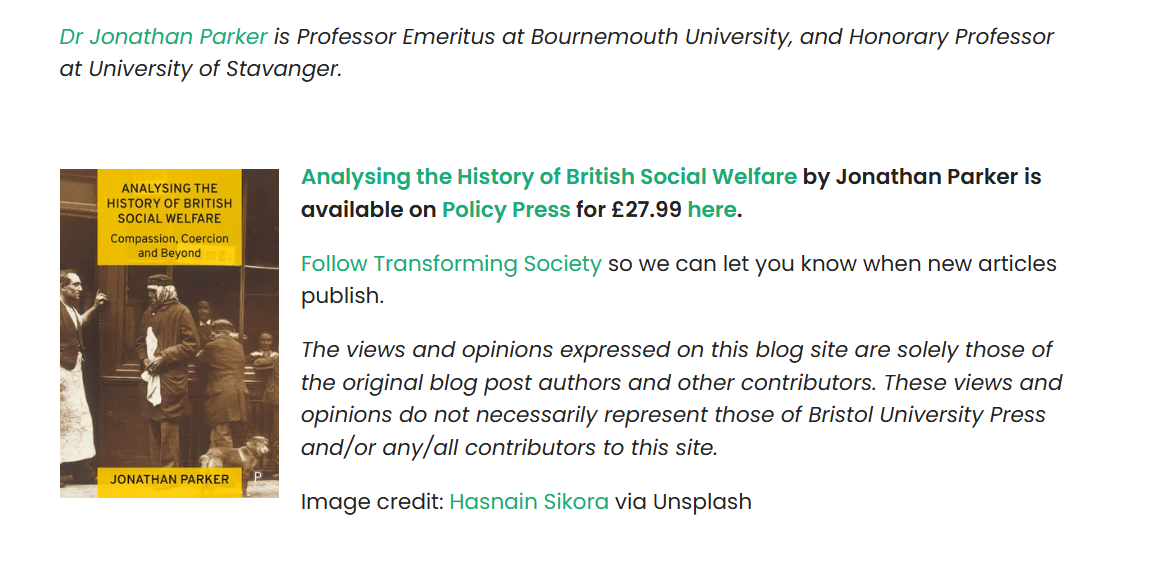
Congratulations to Dr. Alex Fry (Senior Lecturer in the Sociology of Health & Illness) and Professor Emeritus Jonathan Parker who were part of a project researching the use of creative methodologies in pedagogy. Their latest paper ‘Using the arts in social work education for short-term European mobility: evaluating student experiences on an Erasmus+ blended intensive programresulting from this work was published last month in the journal Social Work Education (a Routledge journal) [1].
Well done!
Prof. Edwin van Teijlingen
Faculty of Health & Social Sciences
Reference:
  1. Frampton, M., Schiller, U., Parker, J.,  Hartogh, T., Arlinghaus, G.A., Fry, A.D.J., Autio, K., Ndhlovu, N. (2025): Using the arts in social work education for short-term European mobility: evaluating student experiences on an Erasmus+ blended intensive program, Social Work Education, DOI: 10.1080/02615479.2025.2466707  

Promoting South-South collaboration and learning

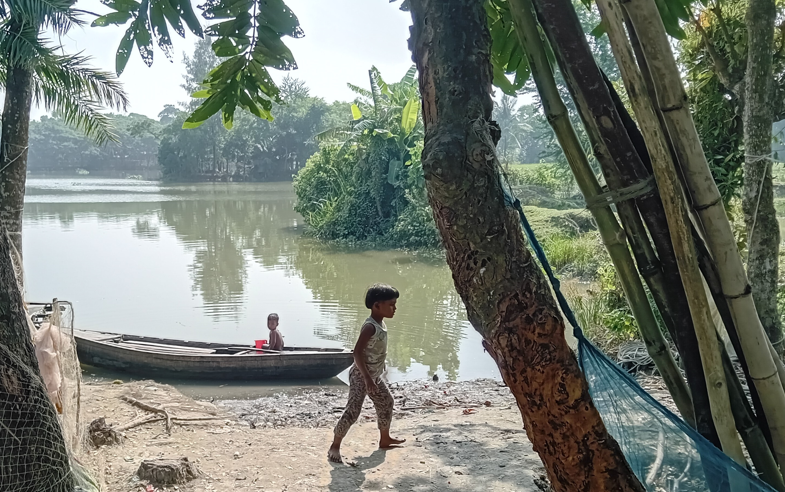
The Sonamoni Project is working with communities in rural Bangladesh utilizing human-centered design (HCD) techniques. These design principles have been applied for many years in designing consumer products and, more recently, in the fields of health and social systems. The research project is identifying solutions to reduce the number of drowning deaths in newly mobile children (6-24 months), developing prototype, and assessing the acceptability and usability of potential  interventions. This interdisciplinary project is coordinated by Bournemouth University in collaboration with the Centre for Injury Prevention and Research, Bangladesh (CIPRB), the University of the West of England, the Royal National Lifeboat Institution (RNLI), the University of Southampton, and Design without Borders Africa (DwB) from Uganda. Our Sonamoni project has been made possible thanks to a grant from the National Institute for Health and Care Research (NIHR) through their Research and Innovation for Global Health Transformation programme.
As part of the Sonamoni project we arranged some serious South-South learning by facilitating a visit to DwB in Uganda in early march by two of our Bangladesh-based team, namely Notan Chandra Dutta, Research Manager and Mirza Shibat Rowshan, HCD Specialist.  DwB applies HCD approaches to complex challenges faced by communities in low and middle-income countries. To gain greater insights into HCD activities the researchers from Bangladesh visited one site near Lake Victoria to observe data collection with fishermen, transporters, and local leaders. Notan and Shibat co-facilitated a four-day long Design Community Advisory Board (DCAB) workshop on the “Enhancing Fisherfolk Safety” project where fishermen, boat owners, transporters, traditional weather forecasters, health workers were the participants. To prevent drowning, HCD was applied in the workshop to generate ideas and share solutions of the lake site community from Lake Victoria of Mayuge district. Lessons learnt from the visit by two staff of CIPRB can further enrich the Sonamoni Project implementation in Bangladesh.  The NIHR really values research capacity building and South-South learning in its funded projects, as well as North-South leaning, of course.


Prof. Edwin van Teijlingen

The order of things: Starting an M.Sc. after your Ph.D.

In the 1990s after I had completed my Ph.D. in Medical Sociology my first lectureship was in Public Health at the University of Aberdeen where my job title included that of coordinator of the B.Sc. Health Sciences.  At the time I was required to do a variety of training modules and workshops on education at university level. Since there was the option to register for the Master of Education (M.Ed.) in the Department of Education at the University of Aberdeen, I thought I might as well gain more insight into education and learning than the required basic training and get a degree out of it at the same time.  For a long time, I considered myself as odd, starting a lower degree after having completed a higher one.  I bit like the guy I met thirty years ago who had completed to Ph.D.’s, one in Chemistry and then afterwards one in Divinity.

My view changed a few years ago when a colleague (with a Ph.D.) commenced an M.Sc. for a different reason.  On this occasion to become a qualified practitioner, through the completion of a practice-based M.Sc. in Mental Health Nursing.  The M.Sc. programme started a decade after the completion of a Ph.D. in Public Health.

And the idea for this blog sprang on me this morning when a colleague with a Ph.D. in Statistics and Epidemiology asked me for a reference to support his application for a place on an M.Sc. in Neuroscience.  His argument for starting such M.Sc. is that he is actively involved in several neuro-psychology research projects and as a quantitative researcher he wants to have a greater understanding of the underpinning science and the wider topic area.

Having successfully passed your Ph.D. viva is evidence that you study and learn effectively on your own, the subsequent M.Sc. can offer licensure (the right to practice) or greater insight into an academic field different from your Ph.D. one.


Prof. Edwin van Teijlingen

Centre for Midwifery & Women’s Health

Pilot studies methods paper cited 500 times

This morning ResearchGate alerted us that our paper ‘The importance of pilot studies’ [1] had reached 500 citations.  Profs. Vanora Hundley and Edwin van Teijlingen, both in BU’s Centre for Midwifery & Women’s Health (CMWH) have published several methods papers [1-6] on the importance of (a) conducting pilot studies, but also (b) reporting on their outcomes and lessons learnt.  It started more than two decades ago with lessons learnt from the Scottish Birth study [2]. Followed by a methods paper in a sociology journal [3], one in a midwifery journal [4] and one in a family planning journal [5].  The icing on the pudding was an encyclopedia entry in 2003 [6].


References:

  1. van Teijlingen E, Hundley, V. (2002) ‘The importance of pilot studies’ Nursing Standard 16(40): 33-36. Web: nursing-standard.co.uk/archives/vol16-40/pdfs/vol16w40p3336.pdf
  2. van Teijlingen, E., Rennie, AM., Hundley, V., Graham, W. (2001) The importance of conducting & reporting pilot studies: example of Scottish Births Survey, Journal of Advanced Nursing, 34: 289-95.
  3. van Teijlingen, E., Hundley, V. (2001) The importance of pilot studies, Social Research Update Issue 35, (Editor N. Gilbert), Guildford: University of Surrey. Web:  http://www.soc.surrey.ac.uk/sru/SRU35.html
  4. Hundley, V., van Teijlingen E. (2002) The role of pilot studies in midwifery research RCM Midwives Journal 5(11): 372-74.
  5. van Teijlingen, E, Hundley, V. (2005) Pilot studies in family planning & reproductive health care, Journal of Family Planning & Reproductive Health Care 31(3): 219-21.
  6. van Teijlingen E, Hundley, V. (2003) Pilot study, In: Encyclopaedia of Social Science Research Methods, Vol. 2, Lewis-Beck, M., Bryman, A. & Liao, T. (eds.), Orego, Sage: 823-24.


BU student’s M.Res. paper read 500 times

Yesterday ResearchGate alerted us that our paper ‘The importance of positionality for qualitative researchers‘ [1] has been read 500 times. This methods paper was only written last year by Bournemouth University M.Res. student Hannah Gurr, her M.Res. supervisors Dr. Orlanda Harvey, Dr. Louise Oliver and Prof. Edwin van Teijlingen in collaboration with Prof. Madhusudan Subedi from Patan Academy of Health Sciences in Nepal.
In the paper we remind qualitative researchers about the importance of critical reflection, and why they need to explain their positionality to readers of their work. This account can be relatively straightforward, but there are occasions when this process of reflection and outlining one’s positionality is much more complicated. This method-paper explains this process. It outlines, using examples of different occasions and situations, where and why such complications may arise, for example, around values and personal experiences. It concludes with further practical advice on writing the section on positionality for novice social scientists.

Well done Hannah!

Dr. Lou Oliver, Dr. Orlanda Harvey & Prof. Edwin van Teijlingen


Reference:

  1. Gurr, H., Oliver, L., Harvey, O., Subedi, M., & van Teijlingen, E. (2024). The Importance of Positionality for Qualitative Researchers. Dhaulagiri Journal of Sociology and Anthropology18(1): 48–54. https://doi.org/10.3126/dsaj.v18i01.67553

BU conference presentation Federalisation & Nepal’s health system

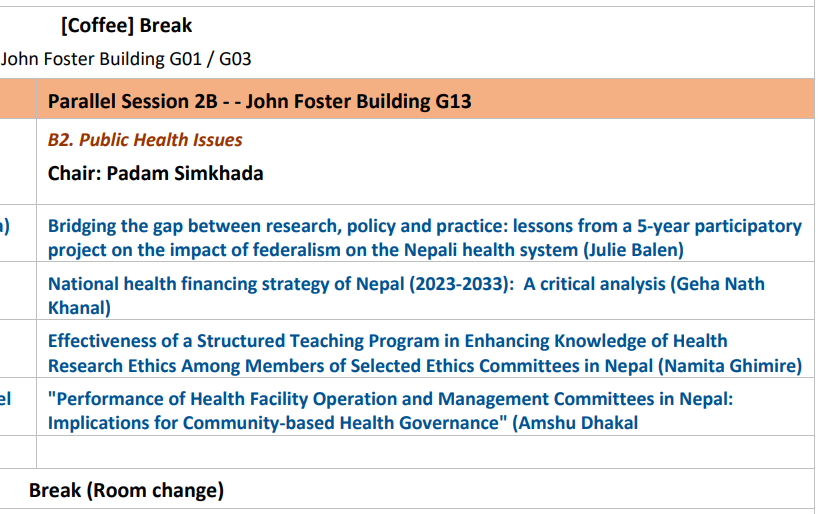
The health system in Nepal’s unique federalisation experiment will be presented by Prof. Edwin van Teijlingen at a three-day conference at the Far Western University, Nepal on Saturday 8th February.  Nepal’s introduction of its federal system in the 2015 Constitution changed the way society, including its health system, was organised.  It meant that political changes and health systems changes occurred in parallel.  Prof. Edwin van Teijlingen explores the impact of federalisation on Nepal’s health system as part of an interdisciplinary mixed-methods study* called ‘The Impact of Federalisation on Nepal’s Health System: A longitudinal Analysis’.

First, implementing a new federal system is a slow, resource intensive process. While building new federal structures is important, challenging the status quo through strategic “unlearning and undoing” of old tendencies is also essential, as this creates spaces for new approaches that are more in line with federalism. This requires attention to emotional and political spheres, and not just structural or technical ones.

Federalisation, generally, brought decision making, resources and service delivery closer to the people, yet the process remains challenging and incomplete. Importantly, at the same time as federalism was being introduced, Nepal’s health system had to respond to COVID-19, making it difficult to disentangle the effects of the pandemic from those of federalisation. The health system is also part of a broader, complex, and interdependent set of socio-political, economic, legal, and cultural systems.

We found that the impact of federalisation varied across the six WHO building blocks and pre-existing conditions, e.g. wealthier regions often benefit disproportionately, exacerbating inequities in health.  Our study further highlighted: (a) the importance of leadership and governance, combined with financing mechanisms; (b) insufficient planning and misalignment between central and local levels resulting in inefficiencies; (c) weak health information systems hinder the ability to measure long-term effects.  Overall, unlocking the full potential of federalism will require political will and commitment at all three levels of government.

To date eight papers have been produced based in this project [1-8].


References:

  1. Koirala, B., Rushton, S., Adhikary, P., Balen, J., et al. (2024) COVID-19 as a challenge to Nepal’s newly federalised health system: capacities, responsibilities, and mindsets, Asia Pacific Journal of Public Health (online first) https://doi.org/10.1177/1010539524125012.
  2. Sapkota, S., Rushton, S., van Teijlingen, E., et al. (2024) Participatory policy analysis in health policy and systems research: reflections from a study in Nepal. Health Research & Policy Systems22 (No.7) https://doi.org/10.1186/s12961-023-01092-5 .
  3. Wasti, S.P., van Teijlingen, E., Simkhada, P., et al. (2023) Selection of Study Sites and Participants for Research into Nepal’s Federal Health System, WHO South-East Asia Journal of Public Health 12(2):116-119.
  4. Sapkota, S., Dhakal, A., Rushton S., et al. (2023) The impact of decentralisation on health systems: a systematic review of reviews. BMJ Global Health 8:e013317. doi:10.1136/bmjgh-2023-013317.
  5. Wasti, S.P., van Teijlingen, E.Rushton, S., et al. (2023) Overcoming the Challenges Facing Nepal’s Health System During Federalisation: An Analysis of Health System Building Blocks, Health Research Policy & Systems 21(117https://doi.org/10.1186/s12961-023-01033-2
  6. Sapkota, S., Panday, S., Wasti, S.P., et al. (2022) Health System Strengthening: The Role of Public Health in Federal Nepal, Journal of the Nepal Public Health Association 7(1):36-42.
  7. Adhikary, P., Balen, J., Gautam, S., et al. (2020) The COVID-19 pandemic in Nepal: Emerging evidence on the effectiveness of action by, and cooperation between, different levels of government in a federal system, Journal of Karnali Academy of Health Sciences (3): 1-11.
  8. Rushton, S., Pandey, S., van Teijlingen, E., et al. (2021) An Investigation into the Impact of Decentralization on the Health System of Nepal. Journal of Manmohan Memorial Institute of Health Sciences7(1): 3–14. https://doi.org/10.3126/jmmihs.v7i1.43146