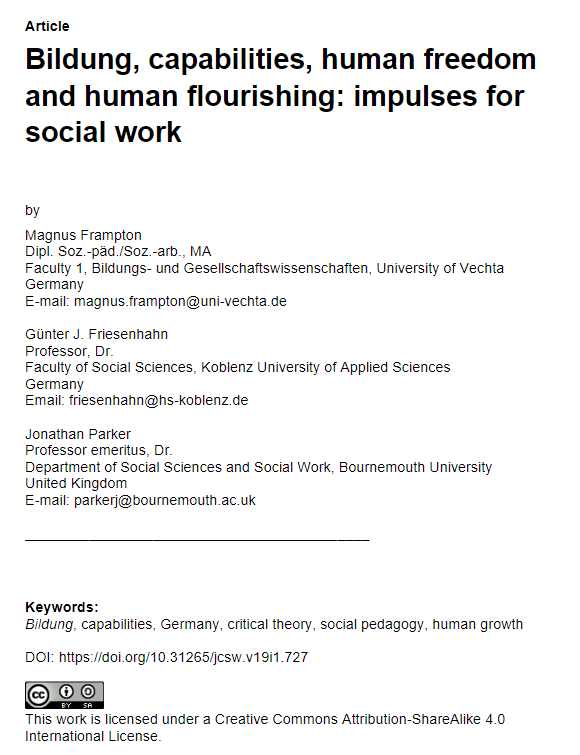
- Frampton, M., Friesenhahn, G. J., & Parker, J. (2024). Bildung, capabilities, human freedom and human flourishing: impulses for social work. Journal of Comparative Social Work, 19(1), 129–156. https://doi.org/10.31265/jcsw.v19i1.727
Latest research and knowledge exchange news at Bournemouth University

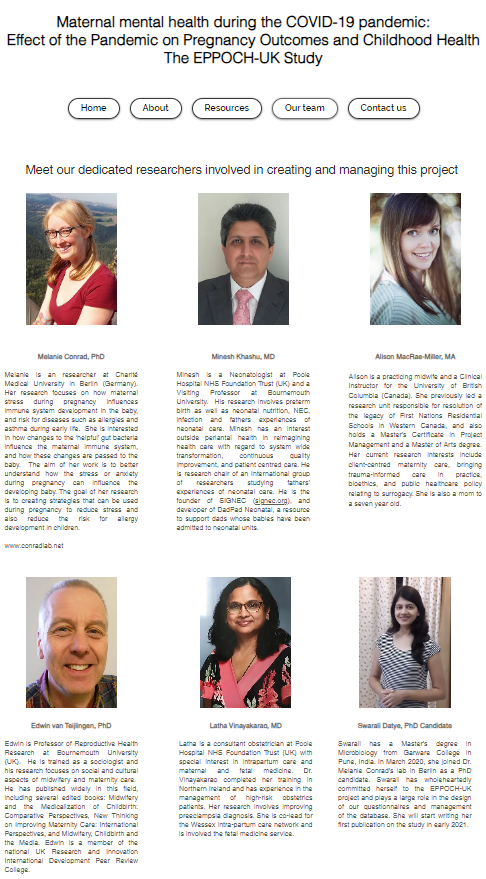
This morning the editor of the Frontiers in Psychiatry emailed us that the paper reporting the findings of the baseline data of a large-scale epidemiological study into pregnancy during COVID-19 in the UK has been published [1]. The interdisciplinary research team includes researchers from University Hospitals Dorset NHS Foundation Trust (Dr. Latha Vinayakarao & Prof. Minesh Khashu) and Bournemouth University (Prof. Edwin van Teijlingen). 
This longitudinal study explores how the SARS-CoV-2 [COVID-19] pandemic affected the mental health of pregnant people in the UK. In mid-to-late 2020, we recruited 3666 individuals in the UK for the EPPOCH pregnancy cohort (Maternal mental health during the COVID-19 pandemic: Effect of the Pandemic on Pregnancy Outcomes and Childhood Health). Participants were assessed for depression, anxiety, anger and pregnancy-related anxiety using validated scales. Additionally, physical activity, social support, individualized support and personal coping ability of the respondents were assessed as potential resilience factors.
Participants reported high levels of depression (57.05%), anxiety (58.04%) and anger (58.05%). Higher levels of social and individualized support and personal coping ability were associated with lower mental health challenges. Additionally, pregnant individuals in the UK experienced higher depression during the pandemic than that reported in Canada. Finally, qualitative analysis revealed that restrictions for partners and support persons during medical appointments as well as poor public health communication led to increased mental health adversities and hindered ability to make medical decisions.
The study highlights the increased mental health challenges among pregnant individuals in the UK during pandemic. These results highlight the need for reassessing the mental health support measures available to pregnant people in the UK, both during times of crisis and in general.
Reference:
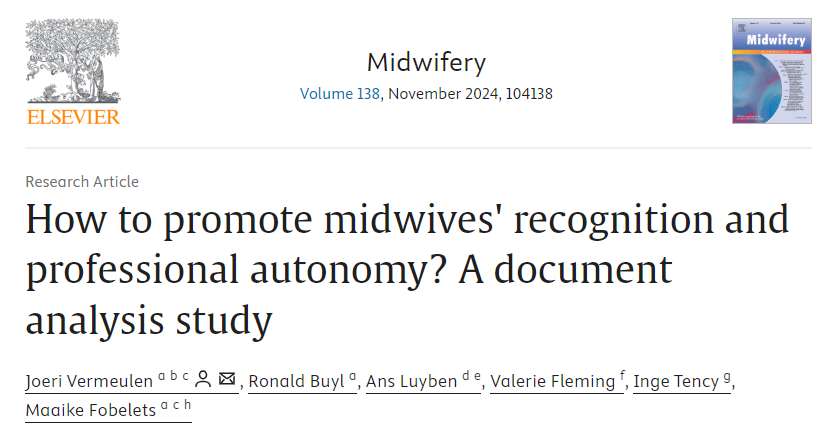
Congratulations to Dr. Ans Luyben on the publication of her latest midwifery article ‘How to promote midwives’ recognition and professional autonomy? A document analysis study’ [1]. This latest paper will appear in the forthcoming November issue of the international scientific journal Midwifery, published by Elsevier.
The paper identified challenges in Belgian midwives’ recognition and professional autonomy and provided recommendations to address them, emphasizing the importance of recognized authority in midwifery. Implementing these recommendations can positively impact midwives’ recognition and autonomy in Belgium as well as in other countries. Ans has long been affiliated with the Centre of Midwifery & Women’s Health (CMWH) as Visiting Faculty and she works in the Frauenzentrum (Centre for Women’s Health), Lindenhofgruppe, Bern, Switzerland.
Well done!
Prof. Edwin van Teijlingen
Reference:
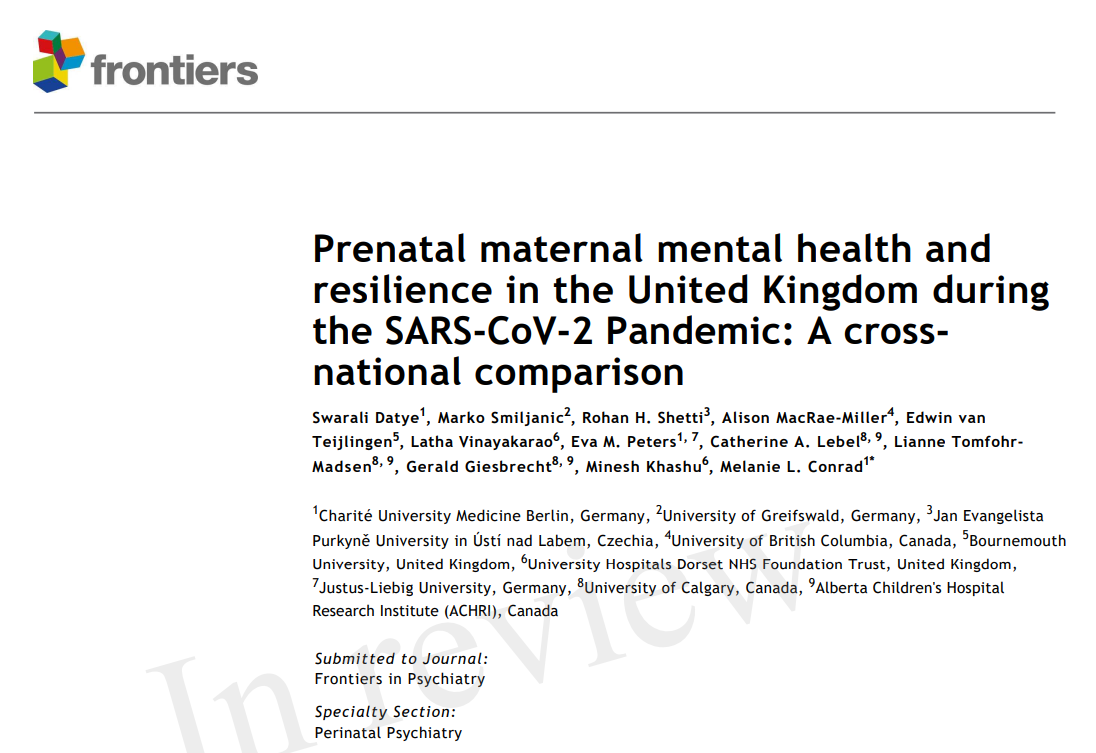
This afternoon the editorial office of Frontiers in Psychiatry informed us that our manuscript “Prenatal maternal mental health and resilience in the United Kingdom during the SARS-CoV-2 Pandemic: A cross-national comparison” [1] has been accepted for publication in Frontiers in Psychiatry, section Perinatal Psychiatry. An interdisciplinary team from Germany, Canada and the UK designed and initiated a longitudinal pregnancy cohort in the United Kingdom titled Maternal mental health during the COVID-19 pandemic: Effect of the Pandemic on Pregnancy Outcomes & Childhood Health (EPPOCH). In the second half of 2020, we recruited 3,600 pregnant individuals via self-enrollment through our website ‘www.eppoch-uk.org’. Our EPPOCH study has since collected a wealth of validated questionnaire data at multiple time points, from mothers (during pregnancy and postpartum) and their children (from birth to age 3), and we are currently distributing our 4-year childhood follow-up questionnaire. This is the first paper from the EPPOCH study.
The UK team is a collaboration between Bournemouth University and University Hospitals Dorset NHS Foundation Trust, the latter through Professor Minesh Khashu and Dr. Latha Vinayakarao based in Poole Maternity Hospital. The German team is led by Dr. Melanie Conrad, previously at Charité University Medicine Berlin, and now associated with the University of Augsburg, and includes Swarali Datye, PhD student at Charité University Medicine Berlin, whilst our Canadian collaborator, Alison MacRae-Miller, is based at the University of British Columbia, Victoria. This EPPOCH cohort is closely linked with a sister cohort in Canada called the Pregnancy During the Pandemic (PDP) study.
Prof. Edwin van Teijlingen
Centre for Midwifery & Women’s Health

Reference:
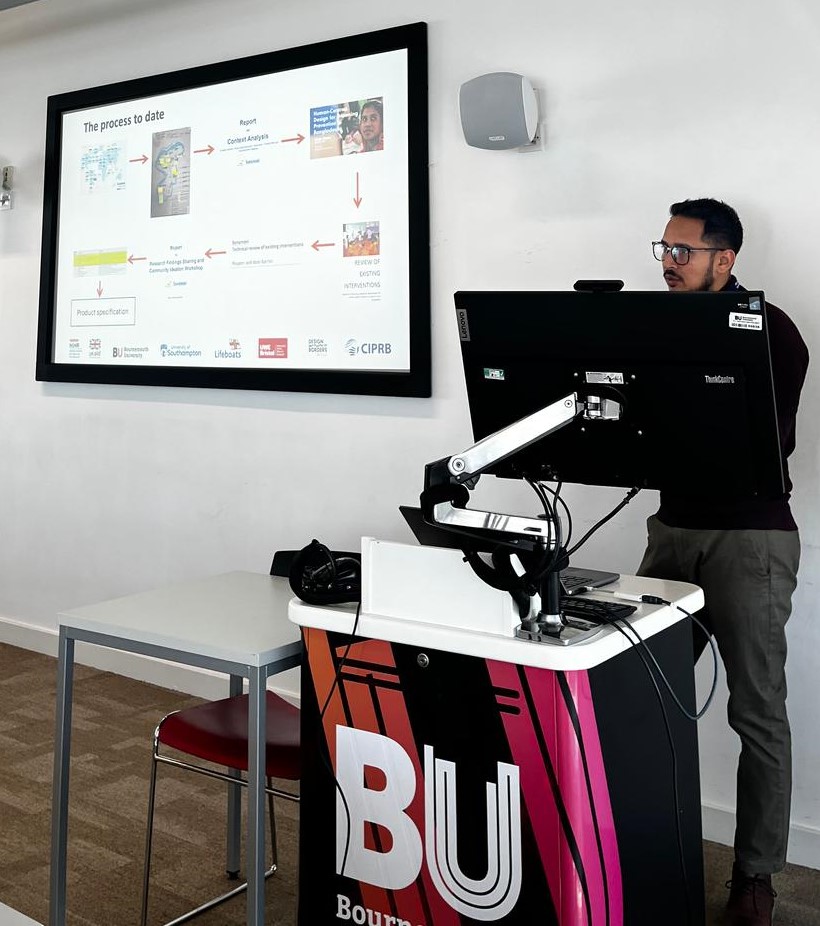
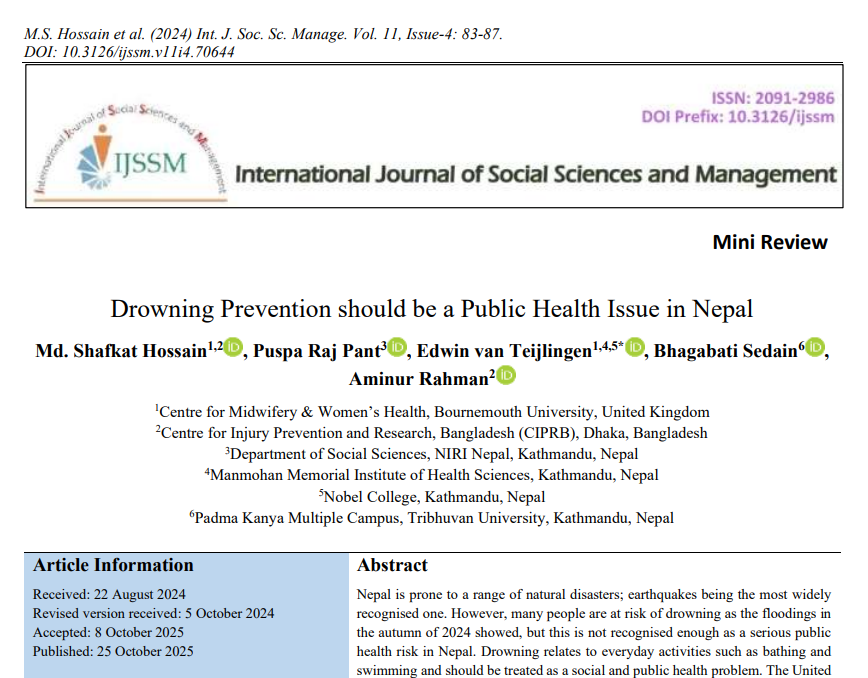
Bournemouth University PhD student Md. Shafkat Hossain has been invited to attend the international Safety 2024 conference in India in September. The 15th World Conference on Injury Prevention & Safety Promotion (Safety 2024) will be held 2-4 September at the Taj Palace in New Delhi. Safety 2024 global event will focus worldwide attention on safety and injury prevention. This conference will gather international experts in the field with a united goal of “Building a safer future for all: Equitable and sustainable strategies for injury and violence prevention”.
Shafkat will be presenting this PhD work to date under the title ‘Using Human-Centred Design (HCD) to develop community-led interventions to prevent drowning among children under the age of 2 in rural Bangladesh’. Mr. Md. Shafkat Hossain who has been selected by Bloomberg Philanthropies as one of the Emerging Leaders in Drowning Prevention programme.
This programme has been designed to create a cohort of younger leaders to join national and international efforts to raise awareness and strengthen solutions and political commitment towards drowning. This programme is hosted by the Global Health Advocacy Incubator and provides a unique opportunity for people like Shafkat to develop leadership skills in drowning prevention, and be a part of a global community working to reduce drowning deaths. This first group of Emerging Leaders includes people from Bangladesh, Ghana, India, Uganda, United States and Vietnam.
Shafkat’s PhD study is part of the interdisciplinary Sonamoni study. Sonamoni is coordinated by BU in collaboration with Centre for Injury Prevention and Research, Bangladesh (CIPRB), the University of the West of England, Bristol, the University of Southampton, Design Without Borders (DWB) in Uganda, and the Royal National Lifeboat Institution (RNLI). We are working to reduce drownings among newly-mobile children, generally under two years old. This £1.6m project has been made possible thanks to a grant from the National Institute for Health and Care Research (NIHR) through their Research and Innovation for Global Health Transformation programme.
For more information about our ongoing research in Bangladesh, please visit the NIHR website.
Prof. Edwin van Teijlingen & Dr. Mavis Bengtsson
Centre for Midwifery & Women’s Health
Prof. Edwin van Teijlingen in the Centre for Midwifery & Women’s Health (CMWH) has been invited to give a key note address at the 4th International Conference on Medical & Health Sciences 2024 in Mauritius next month. Edwin will be highlighting the difficulties of conducting interdisciplinary research, based on recent CMWH publications [1-2]. At the conference Edwin will also join two Bournemouth University Visiting Faculty members in running a workshop on academic publishing, his co-presenters are Ms. Jillian Ireland, Professional Midwifery Advocate at UHD (University Hospitals Dorset NHS Foundation Trust), and Prof. Padam Simkhada (University of Huddersfield).
In addition, Edwin has also been invited at this upcoming conference be act as a panelist to analyse the current research strengths of SSR (Sir Seewoosagur Ramgoolam) Medical College, Mauritius. Interestingly, the panel activity will take place over two days: a 15-minute SWOT analysis on September 16, followed by a 45-minute panel discussion on September 17.
Today we saw the publication of our latest paper about FCHVs (Female Community Health Volunteers) in Nepal [1]. This paper is Open Access and hence freely available worldwide, to anyone with an internet access. The FCHV programme is one of the most successful parts of the health system of Nepal. This programme covers over fifty thousand FCHVs distributed across the country. These women provide unparalleled services to help across communities to improve outcomes in communicable and non-communicable diseases (NCDs) and aid health promotion and education.
Previous papers focusing on FCHVs included the recently accepted paper in PLOS Global Public Health [2], as well as two previous papers based on the Ph.D. study by Dr. Sarita Panday on FCHVs [3-4]. The latest paper is co-authored with Sankalpa Bhattarai is is working with our long-term collaborating agency Green Tara Nepal.
Prof. Edwin van Teijlingen
Centre for Midwifery & Women’s Health
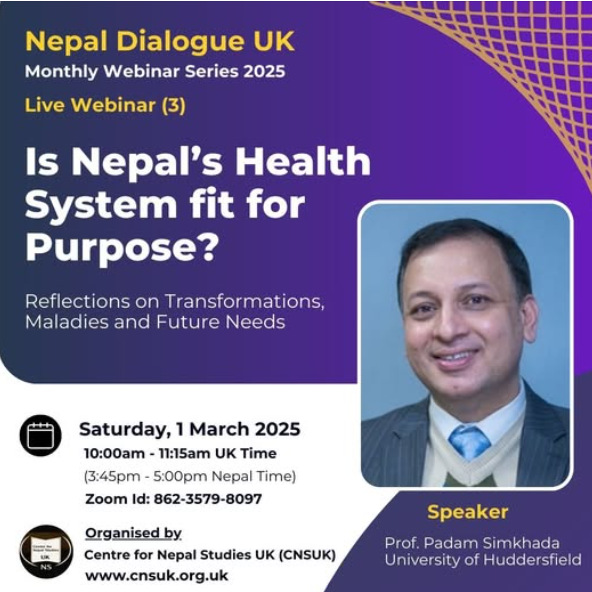
References:
Last Friday (July 26) members of the GCPHR (Global Consortium for Public Health Research) held their second Annual Meeting at the University of Huddersfield. This year’s theme was “Research Priority for Nepal”. GCPHR is an international network of public health researchers, practitioners, and policymakers; for details click here! In addition to researchers from the University of Huddersfield, there were participants from Bournemouth University, Keele University, York St. John University, the University of Greenwich, Liverpool John Moores University, NHS England, the University of Bradford, the University of Wolverhampton, the University of Aberdeen, The University of Sheffield, Tribhuvan University (Nepal), Technical University of Kaiserslautern (Germany), Kids at School in Nepal UK, Green Tara Nepal, Global Banking School UK, QINET International, among others.
Bournemouth University was represented by Dr. Pramod Regmi, Principal Academic in the Centre for Wellbeing and Long-Term Health (CWLTH), Mr. Yagya Adhikari, Ph.D. student in the Faculty of Health & Social Sciences (FHSS), and Prof. Edwin van Teijlingen, in the Centre for Midwifery & Women’s Health (CMWH). Since the audience was very interdisciplinary with both academics and representative from development and research charities there were thought-provoking presentations at the GCPHR meeting resulting in stimulating debates. These will hopefully lead to future collaborations, grant applications and publications.
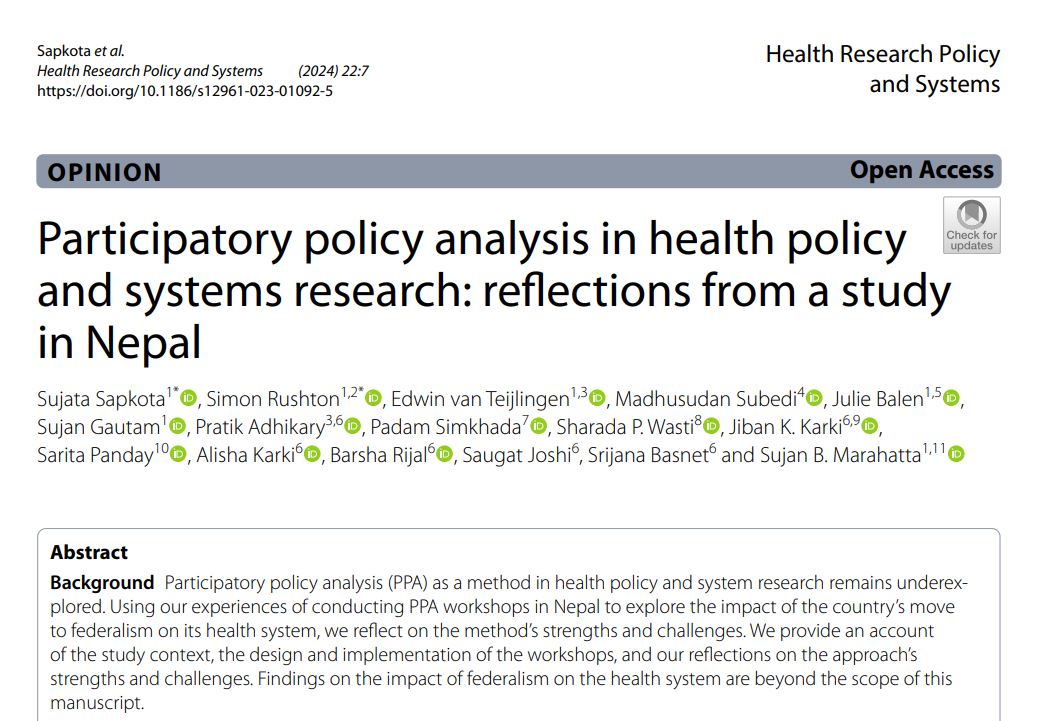
We thank Prof. Padam Simkhada, Dr. Rajeeb Sah, and many others from the University of Huddersfield for the excellent organisation of the event. Prof. Padam Simkhada is also Bournemouth University Visiting Professor in FHSS.
Prof. Edwin van Teijlingen & Dr. Pramod Regmi
The Nepal Journal of Epidemiology achieved its first proper Web of Science impact factor this month. The Nepal Journal of Epidemiology is a international journal with strong links to Bournemouth University. It is a Open Access journal that covers all aspects of epidemiology and encourages communication among those engaged in the research, teaching, and application of epidemiology of both communicable and non-communicable disease, including research into health services, public health and medical care. One of the two Editors-in-Chief is Dr. Brijesh Sathian, FHSS Visiting Faculty and the journal’s Editorial Board Members include Prof. Padam Simkhada, FHSS Visiting Faculty as well as Prof. Edwin van Teijlingen in the Centre for Midwifery & Women’s Health.
This morning ResearchGate alerted us that our paper published two decades ago ‘The Importance of Pilot Studies’ has now been cited one thousand times [1]. This methods paper in the Nursing Standard is very often used by authors quoting a paper in their research methods section when they have done pilot or feasibility study for a larger-scale study. This paper is also our second top cited paper with 1,982 citations on Google Scholar and, interestingly enough, on SCOPUS it is not listed at all.
Pilot studies are a crucial element of a good study design. Conducting a pilot study does not guarantee success in the main study, but it does increase the likelihood of success. Pilot studies fulfill a range of important functions and can provide valuable insights for other researchers. There is a need for more discussion among researchers of both the process and outcomes of pilot studies. 
This paper is one of several methods paper focusing on pilot studies we have published over the past 22 years [2-7].
Professors Vanora Hundley & Edwin van Teijlingen
Centre for Midwifery & Women’s Health

References:
Earlier this week ResearchGate alerted us that the paper ‘The Growing Importance of Mixed-Methods Research in Health‘ has been read 900 times on that platform [1]. This methods paper focuses on the growing importance of mixed-methods research to a wide range of health disciplines ranging from nursing to epidemiology.
Mixed-methods approaches requires not only the skills of the individual quantitative and qualitative methods but also a skill set to bring two methods/datasets/findings together in the most appropriate way. Health researchers need to pay careful attention to the ‘best’ approach to designing, implementing, analysing, integrating both quantitative (number) and qualitative (word) information and writing this up in a way that enhances its applicability and broadens the evidence-based practice. This paper highlights the strengths and weaknesses of mixed-methods approaches as well as some of the common mistakes made by researchers applying mixed-methods for the first time.
Our team in the Centre for Midwifery & Women’s Health (CMWH) has written several other methods papers on the importance of mixed-methods research in community-based health studies [2-5]. We have, of course, conducted and published many mixed-methods studies over the past two decades [see for example 6-10].

Prof. Edwin van Teijlingen
References:
The fourth International Conference on Medical and Health Sciences in September 2024 aims to bring together researchers, practitioners, and policymakers from around the world to discuss the latest advancements, challenges, and innovations in the field of medical and health sciences. Prof. Edwin van Teijlingen co-director of the Centre for Midwifery and Women’s Health (CMWH) has been invited as a keynote speaker. He will be addressing the issue of being a interdisciplinary researcher in a larger research team.
Last week we found out that the paper ‘Moral panic, fear, stigma, and discrimination against returnee migrants and Muslim populations in Nepal: analyses of COVID-19 media content’ was published by the Journal of Media Studies [1]. This latest paper is co-authored by Dr. Nirmal Aryal and Dr. Pramod Regmi in the Department of Nursing Sciences, Prof. Edwin van Teijlingen in the Centre for Midwifery & Women’s Health (CMWH), as well as former BU employee Dr. Shovita Dhakal Adhokari. The published paper addresses the effects of COVID-19 stereotyping and so-called ‘othering’ on migrant workers returning home to Nepal is the latest article in a long line of publications by Faculty of Health and Social Sciences (FHSS) academics.
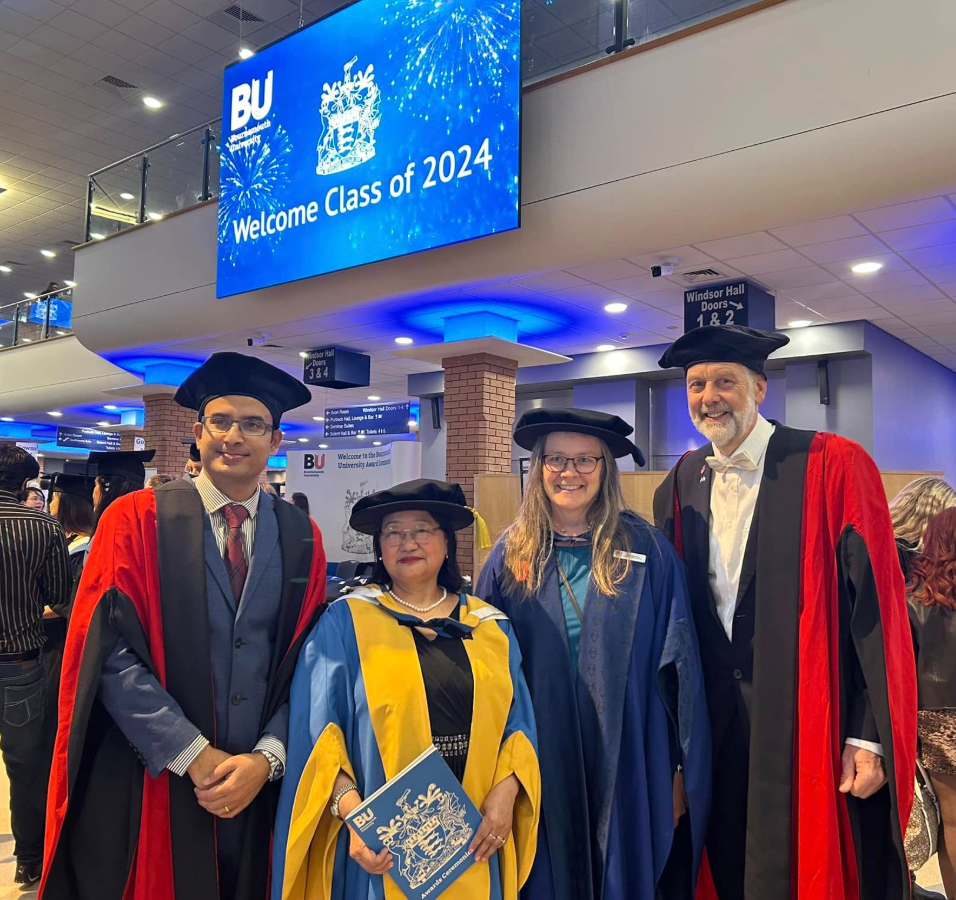
This BU team (including former and current PhD students) has published over thirty papers on a wide range of aspects related to migrant and their work, health and well-being [2-31].
References:
I am thrilled to share that I have been honoured to receive the Scholarship for Events on Complex Systems (SECS) from the Young Researchers of the Complex Systems Society (yrCSS). This prestigious award will allow me to attend the upcoming Complex Networks 2024 conference in Istanbul, Turkey from December 10-12, 2024.
My PhD research focuses on “Complex Urban Road Networks: Static Structures and Dynamic Processes”, exploring the intricate dynamics of urban transportation systems. This field has always sparked my curiosity, and I am eager to delve deeper into this complex interplay of structures and dynamics.
In addition to this incredible opportunity, I am also a finalist in the multi-modal category of the TRA Vision Young Researchers 2024 Competition with my research project “Transport Capacity Planning for Mega-events”. It is truly humbling to be recognised for my work in this competitive arena.
I am grateful for the guidance and support of my PhD supervisor, Dr. Wei Koong Chai, whose expertise and mentorship have been invaluable throughout my research journey. I am excited about the upcoming conference, where I hope to further contribute to the field of complex networks research. Thank you for joining me on this incredible academic adventure!
Best wishes,
🌐🔬 #ComplexSystems #ComplexNetworks
See yrCSS: https://yrcss.cssociety.org/
Complex Networks 2024 conference: https://complexnetworks.org/
Tomorrow (Monday 13th May) and Tuesday BNAC (Britain-Nepal Academic Council) will held its annual conference. The conference is called the 21st BNAC Nepal Study Days, which will be in Edinburgh this year. Bournemouth University academics will be involved in several presentations and panel discussions. Drs. Pramod Regmi and Nirmal Aryal and prof. Edwin van Teijlingen will be part of the panel discussion ‘Navigating Health Challenges: The Well-being of Nepalese Migrant Workers’. All three academics were part of the recently completed study on kidney disease in Nepalese Migrant workers, a project lead by Bournemouth University and funded by The Colt Foundation.
All three researchers are also involved in the latest international research funded by a $4 million cooperative agreement awarded by the U.S. Department of State’s Office to Monitor and Combat Trafficking in Persons, International Programs. USA.
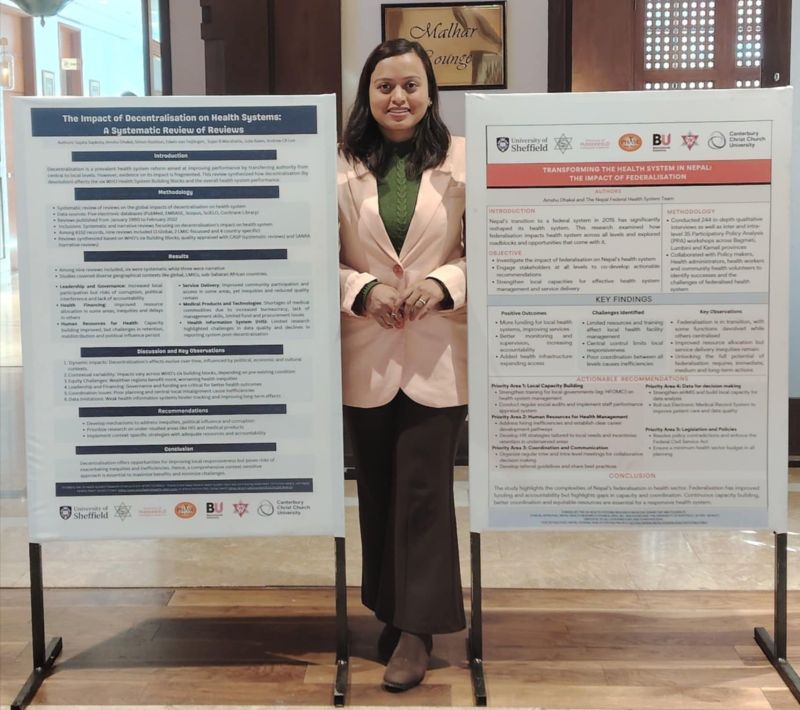
Furthermore, there will also be a presentation on another recently completed study on the impact of federalisation on Nepal’s health system. The paper ‘Studying The Effects Of Federalisation On Nepal’s Health System: From Participatory Action Research To Producing Policy Briefs’ will be presented by Dr. Sharada P. Wasti (University of Greenwich), Prof. Padam Simkhada (University of Huddersfield & Visiting Professor at BU), and Prof. Edwin van Teijlingen. This interdisciplinary study was funded by the Health Systems Research Initiative (MRC/FCDO/Wellcome Trust/ESRC).
Fifteen years ago I started as a professor in the Faculty of Health & Social Sciences. I have had three different job titles without moving jobs, starting in 2009 with ‘Professor of Maternal & Perinatal Health Research’, which, after a few years, changed to ‘Professor of Reproductive Health Research,’ and again then a few years later dropping the ‘Research’ to my current title of ‘Professor of Reproductive Health’. During these 15 years there have been major changes especially in terms of research in our Faculty. There has been a growth in quantity as well as quality as reflected in our REF scores in 2014 and 2021! We also have a much higher proportion of staff with a PhD then when I started. Currently, I am the Research Culture Champion for our Faculty, tasked with a small team to strengthen our research culture and profile even further.

At a personal level, I have supervised 17 PhD students to completion at BU in the past 15 years, plus an additional nine students registered elsewhere. The latter were mainly PhD students from the University of Aberdeen whom I continued to supervise. Interestingly, two of these Aberdeen PhD students ended up working for BU. I counted 42 PhD viva as external examiner in this period as well as five as internal BU examiner. Some of my experiences at BU were captured last year when I was interviewed by the editors of a sociology journal based in Nepal. [1]
Prof. Edwin van Teijlingen
CMWH (Centre for Midwifery & Women’s Health)
References:
Yesterday our latest methodological paper ‘Methods or Methodology: Terms That Are Too Often Confused’ appeared online. [1] We recently published a methods paper outlining the difference between Methods and Methodology as so many postgraduate students manage to get it wrong or don’t understand the distinction between the two. There is a distinct difference between methodology and methods in research. However, too many students, researchers, and authors of academic papers do not seem to pay attention to the crucial difference. This is true not only in education research but also in many other academic disciplines. In simple terms, the term methods refers to the research tools and techniques; for example, in the qualitative field, interviews are a tool to collect data, and in the quantitative field, a questionnaire-based survey is an example of a data collection tool. Methodology is a broader concept as it refers to the overall approach to the research, includes a justification for this approach, and links to research philosophy, i.e., how we produce knowledge. This methodological note aims to explain the confusion, drawing on examples from the published literature in education research and beyond. It also considers the complexities and crossovers. The final section ends with key advice to researchers and authors on key mistakes to avoid regarding the difference between methods and methodology, including covering this in early supervision discussions.
Our interdisciplinary team, based in the UK and Nepal, comprises Dr. Orlanda Harvey in BU’s Department of Sociology & Social Work, Dr. Pramod Regmi in BU’s Department of Nursing Science, Dr. Preeti Mahato from Royal Holloway, University of London, Dr. Shovita Dhakal Adhikari, London Metropolitan University, Dr. Rolina Dhital, based at Health Action & Research in Nepal and Prof. Edwin van Teijlingen in BU’s Department of Midwifery & Health Sciences. In addition it is worth mentioning that both Preeti and Shovita are both former member of staff in the Faculty of Health & Social Sciences (FHSS) at BU. Finally, although the official publication date is Sept 2023, it only appeared online yesterday. This new methods paper is part of growing series of methods papers by members of this team of academics [2-12].


References:
This week the Asia Pacific Journal of Public Health (APJPH) accepted our latest paper from our research on the impact of the federalisation of the health care system in Nepal. This paper ‘COVID-19 as a challenge to Nepal’s newly federalised health system: capacities, responsibilities, and mindsets’ has Bikesh Koirala as first author [1].
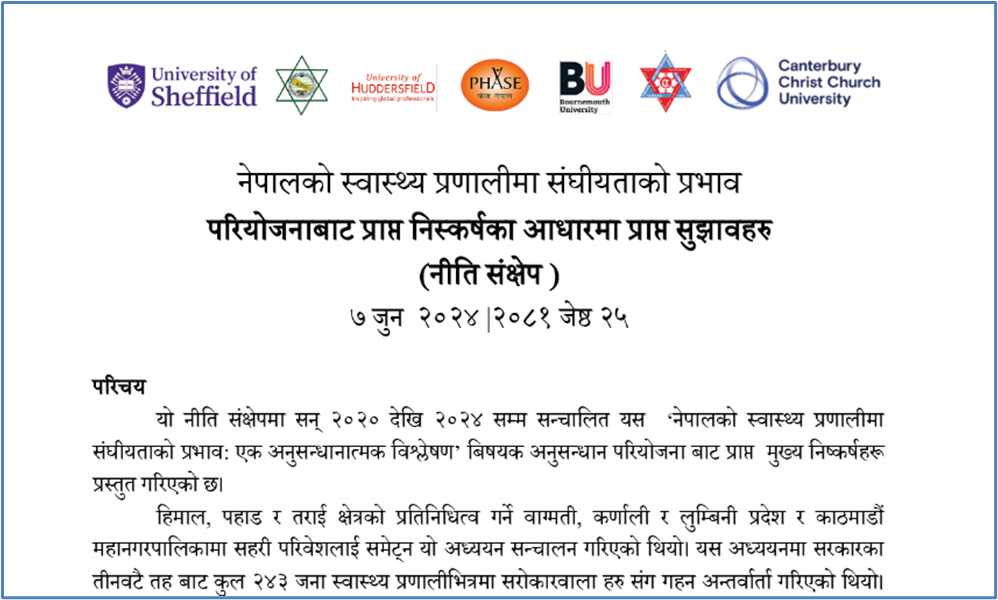
This recently completed study was funded by the UK Health Systems Research Initiative [Grant ref. MR/T023554/1]. In this larger Nepal Federal Health System Project we studied the effects on the health system of Nepal’s move from a centralised political system to a more federal government structure in 2015. This joint project was led by the University of Sheffield in collaboration with Bournemouth University, the University of Huddersfield, Canterbury Christ Church University and two higher education institutions in Nepal: MMIHS (Manmohan Memorial Institute of Health Sciences) and PHASE Nepal.
This is the seventh paper from our collaboration. Previous papers focused on a wide range of aspects of this interdisciplinary study, including on its methods, participatory policy analysis, the WHO (World Health Organization) health systems building blocks, and public health [2-7].
Prof. Edwin van Teijlingen
CMWH (Centre for Midwifery & Women’s Health)
References: