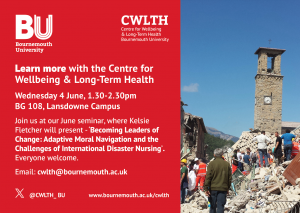
The next Centre for Wellbeing and Long-Term Health (CWLTH) Research Seminar will be at 13:30-14:30 on Wednesday 4th June in BG-108. Kelsie Fletcher (Lecturer in Nursing at the University of the Sunshine Coast and PhD student at BU) will be speaking about her doctoral research on ‘Becoming leaders of change: adaptive moral navigation and the challenges of international disaster management‘. Kelsie will be submitting her doctoral thesis later this year. Everyone is welcome to join us to learn more about Kelsie’s research.
At Bournemouth University, Professor Zulfiqar Khan and his team at the NanoCorr, Energy & Modelling (NCEM) research group have long been developing innovative nanocoating technologies. These ultra-thin coatings are designed to protect materials from damage caused by high temperatures, pressure, corrosion, and wear.
Their work is especially relevant to industries like energy, transport, and manufacturing—where equipment is pushed to the limit every day. By improving the durability and energy efficiency of such systems, these coatings can reduce costs and environmental impact.
A recent publication by the team, featured on PubMed Central (https://pmc.ncbi.nlm.nih.gov/articles/PMC9788522/), explores how carefully designed nanocomposite coatings can provide long-term protection while remaining environmentally responsible. The research highlights the team’s expertise in tribology (the science of wear and friction), materials science, and surface engineering.
A New Frontier: Fighting Superbugs with Nanoscience
This strong foundation in coatings and materials research has supported Professor Zulfiqar Khan and his team in addressing one of the biggest global health challenges of our time: antibiotic resistance.
In a separate study published on PubMed (https://pubmed.ncbi.nlm.nih.gov/34771863/), the team introduced a novel copper oxide (CuO) bionanocomposite that shows powerful antibacterial properties. What makes this research stand out is its simple, green production method—using CuO nanoparticles derived from bitter melon (Momordica charantia), combined with natural egg yolk phospholipids and glycerol.
This eco-friendly approach avoids the need for toxic chemicals or expensive metals like silver. The result is a stable, affordable, and highly effective material that can kill drug-resistant bacteria, including E. coli and S. aureus, at very low doses (minimum inhibitory concentration of just 62.5 µg/mL).
Recognised on a Global Stage
The fact that this work is published on PubMed—a leading platform hosted by the US National Library of Medicine—shows the international relevance and scientific quality of the research. Only peer-reviewed studies of high standard are included on PubMed, meaning this work by Professor Zulfiqar Khan and his team has been recognised as a significant contribution to global health.
Their findings come at a time when antimicrobial resistance is a growing threat. According to the World Health Organization (WHO), it’s one of the top 10 public health risks facing humanity.
What’s Next?
This research opens the door to real-world applications—such as antimicrobial coatings for medical devices, tools for agriculture, or water purification systems. However, further work is needed to identify some of the unknown compounds in the material and to confirm long-term safety in living systems.
From Machines to Medicine
Whether protecting a turbine from corrosion or tackling bacteria that no longer respond to antibiotics, the work of Professor Zulfiqar Khan and his team combines advanced engineering with environmental and public health awareness. Their approach shows how expertise in nanocoatings and materials science can be applied to solve very different—but equally important—global challenges.
Up to £1,000 per event available to engage the public with your research in a national prestigious festival
The 23rd annual ESRC Festival of Social Science (FoSS) takes place Saturday 18 October – Saturday 8 November 2025, with the theme of ‘Our Working Lives’.
About the Festival of Social Science
The festival is an annual UK-wide celebration of research and knowledge about people and society, organised and funded by the Economic and Social Research Council (ESRC). It provides a platform for researchers from UK universities to engage the public in a wide range of topics, from health and wellbeing to crime, equality, education, and identity, through engaging events such as exhibitions, lectures, panel debates, performances, and workshops.
The festival is free to attend, with most events open to everyone, though some may target specific groups. It offers researchers a unique opportunity to take their work beyond the university, connect with diverse audiences, and present their research in creative and accessible ways. Funding of up to £1,000 per event is available.
What are the festival aims?
Encourage, support & create opportunities for social science researchers to engage with the public and young people
Promote & increase awareness of the social sciences and ESRC-funded research, & the contribution social science makes to the UK
Enable the public to engage with social science research
Engage with teachers and young people and raise their awareness of the social sciences
Training to run a great event
The national FoSS team is coordinating public engagement training with Engagement Trainer and Consultant Jamie Gallagher in June (repeated in September). Attendance at these sessions is mandatory for all event leads to attend and further details will be shared upon successful application.
To help you develop your application, you can sign up to attend the Introduction to Festival of Social Science 2025webinaron Thursday 8 May, 12pm via Teams.
Applications will be assessed on these 5 key areas
Motivation for taking part – Show you have thought carefully about why you are applying e.g. to pilot an idea, reach a new audience, or develop public engagement skills, and what you hope to gain.
Target audience identified – Events must be aimed at a non-academic audience. Clearly define who your audience is (e.g. a specific public group, community, or professional sector). If you are proposing an event for professionals, businesses, policymakers, or third sector organisations, please note that ESRC rules only permit up to 20% of our events to be targeted at these groups. As we often receive many proposals in this category, selecting one of these audiences may reduce your chances of taking part.
Audience motivation – Show why your chosen audience would be interested in your activity, and how and when they might engage.
Content & format – Demonstrate initial ideas for what the activity will involve, why the format suits the goal (e.g. in-person, online), and considerations for timing and location.
Appropriate costing – Budget should be realistic, clear, and fit the scale and type of activity.
How to apply
We are particularly keen to receive applications from PGRs and early to mid-career researchers and encourage groups/teams to apply. If you have a supervisor, they will need to endorse your application by emailing publicengagement@bournemouth.ac.uk.
If you are considering applying, we strongly encourage you to get in touch with us directly as early as possible.
Deadline for applications: 11:59pm, Thursday 15 May 2025
You can view the slides from the Information Session here. If you weren’t able to attend, or if you would like to revisit what was covered, you can also watch the session here.
Please read before applying
Before submitting your application, please make sure you meet both the ESRC eligibility criteria and our key requirements. This is essential for your proposal to be considered. Applications that reference academic or undergraduate audiences, or propose campus-based venues, will not be eligible. This opportunity is focused on public engagement beyond academic settings.
Festival Event Leader Pack this practical guide supports researchers in planning and delivering events for the festival. It covers the festival’s aims, event criteria, useful planning tips, audience engagement, and evaluation. It also details the funding, training, and promotional support available from the ESRC, making it a key resource for aligning events with the festival’s goals.
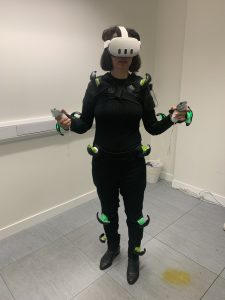
This is Dr Roya Haratian participating in data collection to help develop AI which can read emotions from motion!
This is our Higher Education Innovation Fund (HEIF) project HORSENSE VR. We are developing a game which enables participants to play with horses in a virtual environment to develop calmness and reduce anxiety.
We are working with external partners – our team is Dr Roya Haratian, Prof Fred Charles, Prof Ann Hemingway, Dr Xun He, Harriet Laurie MBE (The HorseCourse) Liucheng Guo (Tg0), Paul Brown.
Postgraduate students, especially PhD students dramatically expand a university’s research capacity. They contribute significantly to data collection, analysis, the day-to-day management of research projects, and publications that might otherwise be impossible to sustain. Postgraduate students are central to progressive research-active communities. PhD student also frequently serve as mentors to undergraduate researchers or Masters’ students, creating a cascade of learning that benefits all participants.
Beyond individual projects, postgraduate students help build research infrastructure through their contributions to lab management, protocol development, the exchange of innovative ideas, and so on. These contributions create lasting benefits to staff as well as higher education institutions. Academic communities with PhD students often promote collaboration, provide emotional and intellectual support, and create spaces where ideas can be tested and analyses refined before wider dissemination.
This expanded capacity allows universities to pursue more ambitious research agendas and respond to complex challenges requiring multidisciplinary approaches. The postgraduate journey requires carefully planned mentorship, giving students increasing autonomy, and ownership of their scholarly contribution. This apprenticeship model has proven remarkably effective in preparing the next generation of academics for centuries.
This blog was created as part of the Professional Discourse in the Age of AI: an interactive writing workshop facilitated by Prof. Debbie Holley and Prof. Carol Clark in the Faculty of Health & Social Sciences at Bournemouth University. Since last week’s workshop was on the topic, we have used the help of AI in the writing of this BU Research Blog!
Dr. Kathryn Collins, Prof. Vanora Hundley & Prof. Edwin van Teijlingen
The May Community Voices Webinar will welcome Lynn and Maddy from Dorset Action for Children – to shine a light on the services they provide and specifically Dorset Nightstop – providing young homeless people aged 16-25 with shelter through a network of vetted volunteer host families.
Action for Children is a UK-based children’s charity that provides practical and emotional care and support to vulnerable children and young people.
The charity has a wide range of services for parents and families, including parenting support, childcare, fostering, residential care and policy and research.
They also ensure children’s voices are heard and campaign for improvements in their lives.
In Dorset, Action for Children runs two services. A Parenting Support Service providing individual/group programmes and webinars for parents/caregivers struggling with their children’s challenging behaviour.
Also Dorset Nightstop that provides young homeless people aged 16-25 with shelter through a network of vetted volunteer host families.
Lynn and Maddy will be talking more about the work of Action for Children with particular reference to Dorset Nightstop.
Community voices is a collaboration between BU PIER partnership and Centre for Seldom Heard Voices to provide a platform and a voice to local community activists.
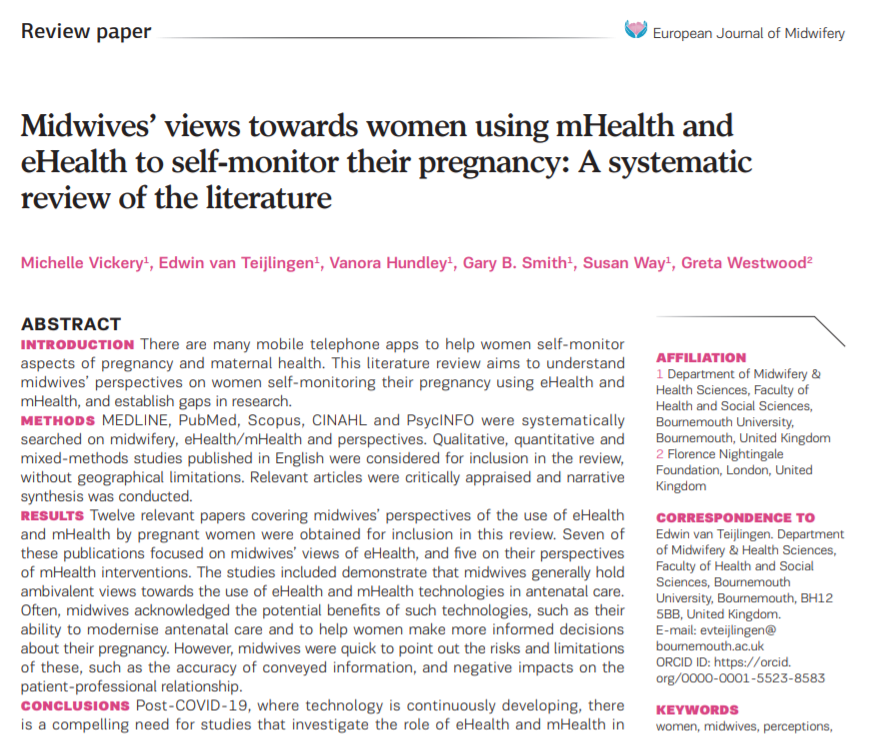
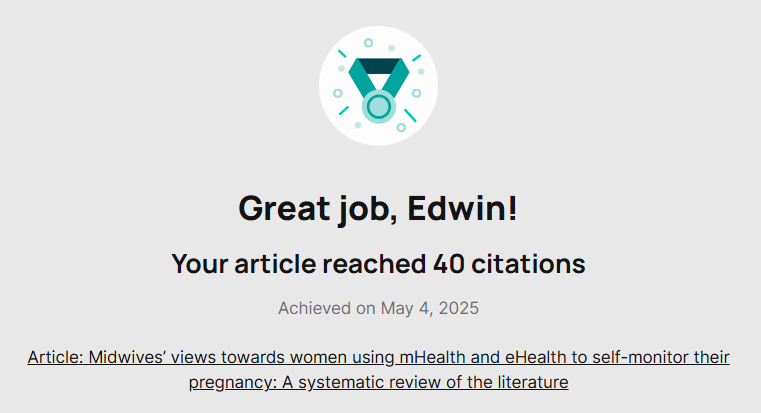
Yesterday, ResearchGate alerted us that the paper ‘Midwives’ views towards women using mHealth and eHealth to self-monitor their pregnancy: A systematic review of the literature’ [1] had reached 40 citations! This paper has four Bournemouth University (BU) authors and one author, Prof. Gary Smith, who was FHSS Visiting Professor at the time of publication. This literature review, published in 2020, sought midwives’ perspectives on women self-monitoring their pregnancy using eHealth and mHealth.
The paper fund that midwives generally held ambivalent views towards the use of eHealth and mHealth technologies in antenatal care. They acknowledged the potential benefits of such technologies, such as their ability to modernise antenatal care and to help women make more informed decisions about their pregnancy. However, midwives were quick to point out the risks and limitations of these, such as the accuracy of conveyed information, and negative impacts on the patient-professional relationship.
This paper will contribute to our recently awarded NIHR funding to tackle inequalities in UK maternal healthcare as part of the NIHR Challenge Call: Maternity Disparities Consortium. Profs Vanora Hundley and Edwin van Teijlingen from the Centre for Midwifery and Women’s Health, and Prof. Huseyin Dogan and Dr. Deniz Cetinkaya from the Department of Computing and Informatics collaborate in MIHERC (Maternal & Infant Health Equity Research Centre). MIHERC is led by Prof. Hora Soltani at Sheffield Hallam University, and it is a partnership with Bournemouth University, the City of Doncaster Council and South Yorkshire Digital Health Hub as well as several charities and voluntary organisations. Prof. Dogan has recently been appointed the co-lead for the “Digital, data, monitoring, evaluation and implementation science” work stream of the NIHR Maternity Disparities consortium.
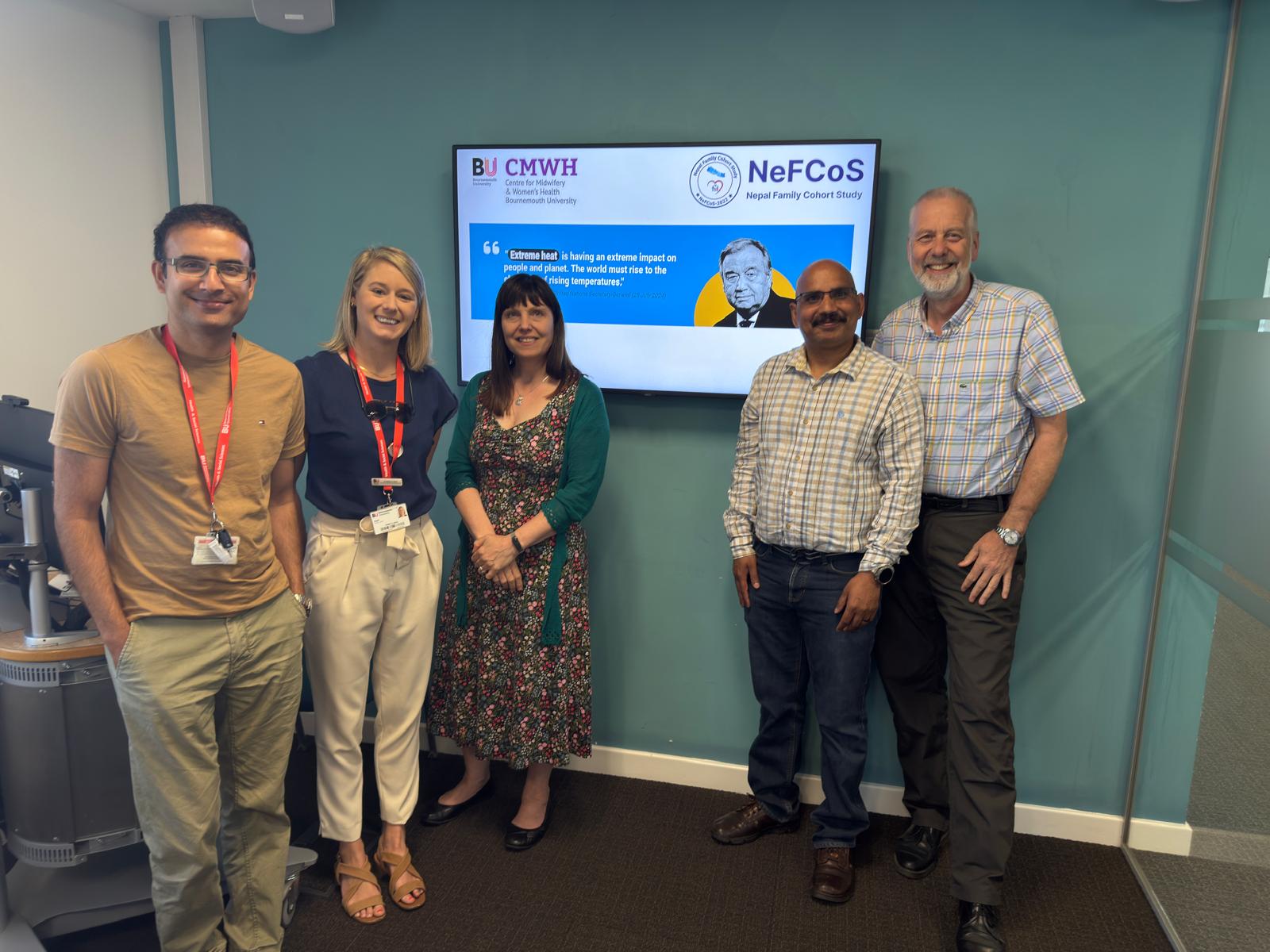
Prof. Om Kurmi who leads the Nepal Family Cohort Study (NeFCoS) joined the Bournemouth University (BU) team today for a research planning meeting in Bournemouth today. Dr. Om Kurmi, Associate Professor Research in the Centre for Healthcare and Communities at Coventry University. The BU team comprises Dr. Pramod Regmi (Principal Academic-International Health), Prof. Carol Clark (Professor in Physiotherapy), Prof. Edwin van Teijlingen (Professor of Reproductive Health), Dr. Rebecca Neal (Principal Lecturer in Exercise Physiology) and Dr. Vanora Hundley (Professor of Midwifery).
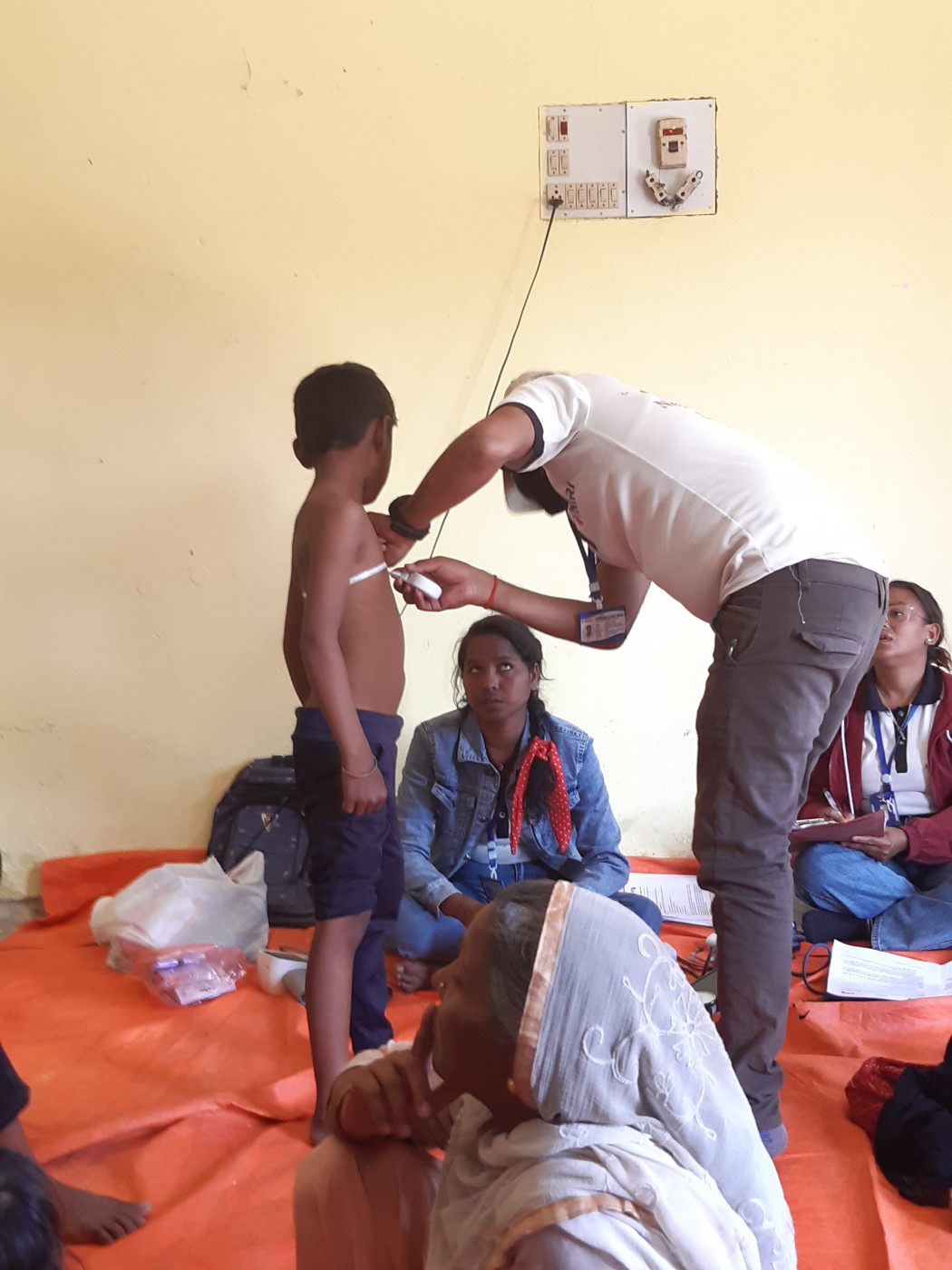
The Nepal Family Cohort Study (NeFCoS) is a multidisciplinary cohort study into the prevalence, incidence, and determinants of various diseases from childhood to adulthood in children and their parents [1]. NeFCoS has just started to collect date for the first round of follow-up.
Today’s meeting was organised by Dr. Neal and supported by BU’s QR funds.
Reference:
Kurmi, O.P., Chaudhary, N., Delanerolle, G., Bolton, C.E., Pant, P.R., Regmi, P., Gautam, S., Satia, I., Simkhada, P., Kyrou, I., Sigdel, T.K., Hundley, V., Dali, P.R., Lokke, A., Hubert Lam, K.B., Bennett, D., Custovic, A., van Teijlingen, E., Gill, P. Randeva, H., O’Byrne, P.M., and Nepal Family Cohort Collaborators Group, Nepal Family Cohort Study: A Study Protocol, BMJ Open 14:e088896. doi:10.1136/ bmjopen-2024-088896
Join our Trans+ Research Conference, an exciting day dedicated to advancing research and understanding of trans+ experiences.
Why should you attend?
📖 Learn about the latest research in trans+ studies across a range of disciplines, including healthcare, sociology and film.
💬 Connect with other trans+ researchers, in your field and others, taking away interdisciplinary ideas that will further your own work.
🤝 Engage in a supportive and welcoming environment.
✨ Become a founding member of our new trans research collective (more information to be shared exclusively at our conference).
Whether you’re an academic, community member, or someone looking to expand your knowledge, you belong here! Let’s come together to support trans+ research and imagine new possibilities.
📅 15 May 2025 | 📍 Bournemouth University, Lansdowne Campus and Online
The Great South West launched its Food Security Position paper in Westminster late last year highlighting the significant contribution this region makes to the UK’s food supply. The launch event drew together policy makers from both the Commons and the Lords, leading industry and academia. The event highlighted the key food security challenges and the critical role that the South West region holds in securing our national food supply. Bournemouth University was represented by Professor Jeff Bray.
Universities across the Great South West region are researching different aspects of Food Security. To develop greater awareness of the region’s research interests and capabilities, an academic Food Security Summit is being convened in June. This event will bring the region’s universities together, showcase respective expertise and enable academic network building thereby stimulating greater collaboration. Themes to be discussed include agri-tech developments, localised supply chains, consumer decision making & economic approaches. A regional academic network will be developed and annual meetings established, reflecting the trajectory and importance of the topic.
This timely and much-needed initiative is led by Jeff Bray from BU and supported by colleagues from all Faculties. If you have a research interest in Food Security and would like to be included in these discussions, then please e-mail Jeff with a brief outline of your research focus by 15th May.
This session is aimed at all academics to provide an overview of the Research & Enterprise Database. Including how to access the system, the information available to view, budget management via RED, and how to use RED to identify your supporting pre and post award officers.
The processes surrounding implementing clinical research in the NHS can often be quite daunting, however there is plenty of guidance and advice on offer to help guide you in this should you require. This session will develop your understanding of the governance requirements when carrying out clinical research and help you explore the first steps in seeking approval.
Ethical implications arising from your research design, methodology, conduct, dissemination, archiving, future use and sharing of data produced should all be considered at the before and throughout your research. Careful reflection and planning in relation to research ethics should not only benefit participants but enhance the quality of your research. This Q&A allows you to discuss your ethical considerations with research ethics panel members to further your insights into this important area of being a researcher.
Are you preparing an impact case study for REF 2029? Do you need expert advice on navigating the policy landscape to ensure your research reaches decision makers? If so, this workshop is perfect for you. Carys Davis, a public affairs and policy consultant from The Other Place Public Affairs Ltd., will lead this workshop. RDS’s Impact Team will be present to offer support and guidance. This workshop is primarily aimed at researchers working on impact case studies for REF 2029, who will be given priority for registration.If you’re unsure whether this is suitable for you, please consult your UOA impact champion
Horizon Europe 2025
The European Commission has announced Horizon Europe 2025 Information Days to help applicants prepare proposals for Horizon Europe 2025 calls. Most events are scheduled to take place in May 2025. Please see further details on the BU Research Blog: BU Research Blog | Horizon Europe info days 2025 | Bournemouth University (the blog post has been recently updated)
Do you want to refresh your researcher skills? Have a look at the Epigeum Research Skills Toolkit(on demand online modules). Further information on how to access Epigeum courses can be found here.
Links for further RKE information and support are below:
Please help us in avoiding any waste of resources; make sure you can attend or cancel your booking prior to the session. For any further information, please contactRKEDF@bournemouth.ac.uk
We recently communicated that applications to the BU Open Access Publication Fund were paused due to all of the budget for 24/25 having been committed.
We have since been able to release some funds which are no longer required by authors. Therefore we are pleased to announce that we can once again accept new applications to the fund.
Application to the fund remains highly competitive, and the budget available to support open access through the fund is very limited. Authors are reminded to make use of the transformative deals which BU has with major publishers, which enable BU corresponding authors to publish gold open access for free, or at a reduced cost, in thousands of journals.
Free lunch voucher & prize draw for all PGRs – please complete the Postgraduate Research Experience Survey 2025 by midnight Wednesday 30 April!
Check your email to access your link to complete the survey.
Postgraduate research students (PGRs) – did you know you can get a FREE lunch voucher if you complete the Advance HE Postgraduate Research Experience Survey (PRES) 2025. This is worth £3.95 which covers the cost of a meal from the Savour menu but can be used to purchase any items from Chartwells outlets. Please come to the Doctoral College (DLG08, Talbot Campus) to collect your voucher. If you are based in Lansdowne Campus, you can collect your vouchers from Tina Ikin in BG507.
The voucher can be used at the following outlets on Talbot and Lansdowne Campus:
On completion of the survey, you will also be entered into a free prize draw, with the opportunity to win one of four £50 shopping vouchers. As a thank you for your time, we will be making a £1 donation on your behalf to the student mental health charity, Student Mind.
So far 42% of PGRs at BU have taken part in this survey. If you have not already completed it, we would really appreciate if you could find a few minutes to respond and tell us about your experience this year. The survey helps us improve the student experience at BU and compare ourselves with other institutions across the country.
To do this we would like to know what you think works well and what as a university we could do better.
How do I take part?
All PGRs (including the ones at the end of their journey!) have now received an email containing a unique link which will allow you to access and complete the survey. If you can’t find this email, contact PRES@bournemouth.ac.uk and we’ll help you to get access.
What will I be asked?
The survey will take around 15 minutes to complete. Your response is confidential, and any reporting will be entirely anonymous. The survey is your chance to tell us about your experience as a PGR at BU. It will ask you to share your views on supervision, resources, research community, progress and assessment, skills and professional development and wellbeing.
Why should I take part?
Your feedback is important. The Postgraduate Research Experience Survey is the only national survey of PGRs and so is the only way for us to compare how we are doing with other institutions and to make changes that will improve your experience in the future.
More information
If you would like to know more about the survey, please visit: PRES 2025.
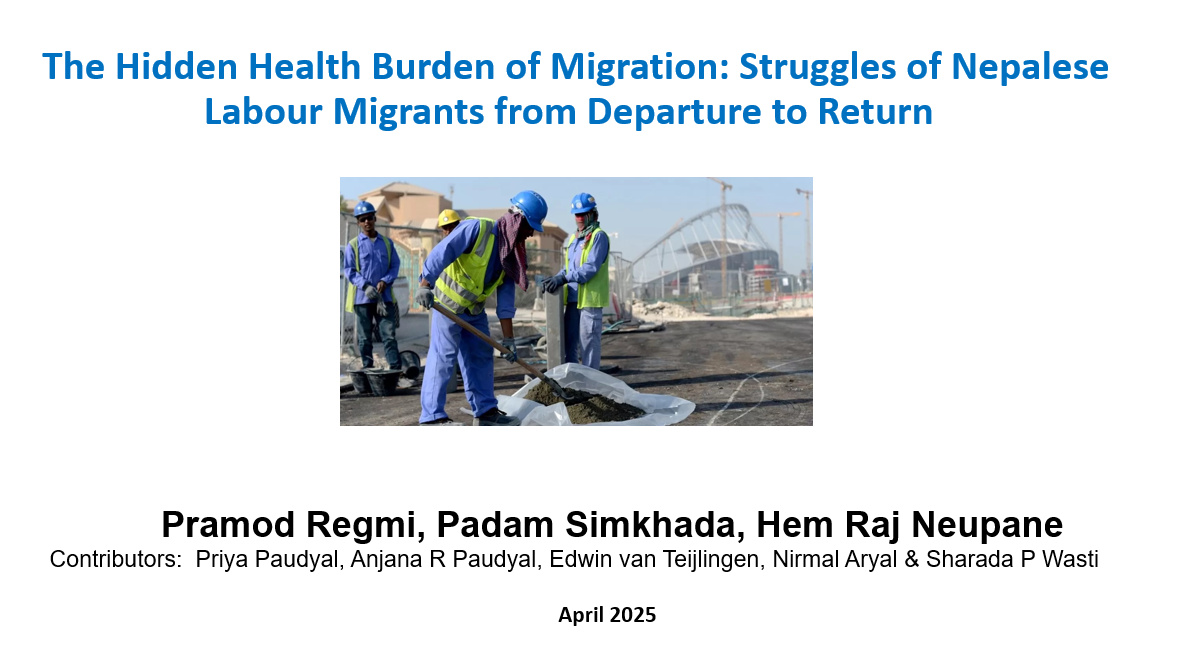
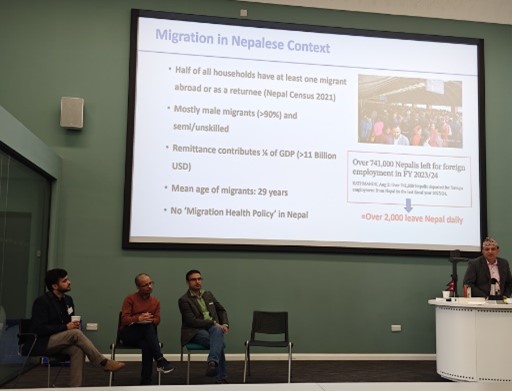
Last week, BU academic Dr. Pramod Regmi delivered a plenary talk on the struggles faced by Nepalese migrant workers from departure to return at the 22nd Britain-Nepal Academic Council (BNAC) Conference, held on 24–25 April in Liverpool. The session included two other panelists, including Prof. Padam Simkhada from the University of Huddersfield, he is also a BU Visiting Professor.
Dr. Regmi’s talk highlighted the health burden experienced by Nepali migrants throughout their migration journey. Labour migration from Nepal poses significant risks at all stages. Many aspiring migrants lack access to accurate information and support, while those from lower socioeconomic backgrounds face high documentation costs and illegal recruitment fees, affecting their mental health and placing strain on their families. Abroad, migrants often suffer exploitation, unsafe working conditions, overcrowded and unsanitary housing, limited access to healthcare, and high medical expenses. Female migrants face additional risks such as sexual violence, unintended pregnancy, exploitation, and unemployment. Upon return, especially for those who experienced abuse or trafficking, reintegration is hindered by social stigma and a lack of support services. Nepal’s weak economy further limits their ability to utilise skills gained abroad.
This presentation was informed by a long history of BU research into the health and well-being of Nepalese migrant workers, led by Dr. Regmi, Dr. Nirmal Aryal, Dr. Orlanda Harvey, Prof. Edwin van Teijlingen, and current PhD students Yagya Adhikari and Anjana Regmi Paudyal in the Faculty of Health & Social Sciences.
A round table discussion after the session focused on four questions:
How can we better inform migrants during the pre-migration stage?
How can we reduce the health vulnerabilities of Nepali labour migrant workers abroad?
What are the barriers to, and opportunities for, reintegration when migrants return?
How can we facilitate increased research collaboration in destination countries engaging local academic institutions?
Bournemouth University also contributed to two other presentations related to a project studying the impact of federalisation on Nepal’s health system. This study was funded by the UK Health Systems Research Initiative to examine the consequences of Nepal’s transition from a centralised political system to a federal structure in 2015. These two papers were presented by BU collaborators Prof. Julie Balen (Canterbury Christ Church University) and Ms. Amshu Dhakal (Manmohan Memorial Institute of Health Sciences, Kathmandu, Nepal).
BU’s Dr. Regmi, Prof Edwin van Teijlingen and Dr Nirmal collectively have over 40 publications on Nepalese migrants’ health and well-being issues. Their recent publications on the topic include studies on modern slavery [1], kidney disease [2–4], pre-departure training of aspiring migrant workers in Nepal [5], moral panic and societal fears around migrant workers and COVID-19 [6–7], Nepalese migrant workers in Malaysia [8–9], left-behind families of migrant workers [10], migrant workers and the 2022 FIFA Men’s World Cup [11–12], Nepalese migrants in the UK [13], as well as a comprehensive literature review [14]. They are also a founder members of Health Research Network for Migrant Workers in Asia: www.hearmigrants.org
References:
Paudyal, A. R., Harvey, O., Teijlingen, E. van, Regmi, P. R., Sharma, C. (2024). Returning Home to Nepal after Modern Slavery: Opportunities for Health Promotion. Journal of Health Promotion, 12(1), 125–132. https://doi.org/10.3126/jhp.v12i1.72713
Aryal, N., Sedhain, A., Regmi, P.R., KC, R. K., van Teijlingen, E. (2021). Risk of kidney health among returnee Nepali migrant workers: A survey of nephrologists. Asian Journal of Medical Sciences, 12(12), 126–132. https://doi.org/10.3126/ajms.v12i12.39027
Aryal, N., Regmi, P.R., Sedhain, A., KC, R.K., Martinez Faller, E., Rijal, A., van Teijlingen, E. (2021) Kidney health risk of migrant workers: An issue we can no longer overlook. Health Prospect 20(1):15-7
Regmi, P., Aryal, N., van Teijlingen, E., KC, R.K., Gautam, M. and Maharjan, S. (2024). A Qualitative Insight into Pre-Departure Orientation Training for Aspiring Nepalese Migrant Workers. Tropical Medicine and Infectious Disease, 9 (7).
Aryal, N., Regmi, P., Adhikari Dhakal, S., Sharma, S. and van Teijlingen, E. (2024). Moral panic, fear, stigma, and discrimination against returnee migrants and Muslim populations in Nepal: analyses of COVID-19 media content. Journal of Media Studies, 38 (2), 71-98.
Regmi, P., Dhakal Adhikari, S., Aryal, N., Wasti, S.P., van Teijlingen, E. (2022) Fear, Stigma and Othering: The Impact of COVID-19 Rumours on Returnee Migrants and Muslim Populations of Nepal, International Journal of Environmental Research & PublicHealth 19(15), 8986; https://doi.org/10.3390/ijerph19158986
Chaudhary, M.N., Lim, V.C., Faller, E.M., Regmi, P., Aryal, N., Zain, S.N.M., Azman, A.S. and Sahimin, N. (2024). Assessing the basic knowledge and awareness of dengue fever prevention among migrant workers in Klang Valley, Malaysia. PLoS ONE, 19 (2).
Chaudhary, M.N., Lim, V.C., Sahimin, N., Faller, E.M., Regmi, P., Aryal, N. and Azman, A.S. (2023). Assessing the knowledge of, attitudes towards, and practices in, food safety among migrant workers in Klang Valley, Malaysia. Travel Medicine and Infectious Disease, 54.
Adhikari, Y., Regmi, P., Devkota, B. and van Teijlingen, E. (2023). Forgotten health and social care needs of left-behind families of Nepali migrant workers. Journal of Health Promotion, 10, 1-4.
Regmi, P., Simkhada, P., Aryal, N., van Teijlingen, E. (2022) Excessive mortalities among migrant workers: the case of the 2022 FIFA World Cup. Europasian Journal of Medical Sciences,4:31-32. https://doi.org/10.46405/ejms.v4i0.455
Simkhada, P., van Teijlingen, E. and Regmi, P. (2022). Migrant Workers in Qatar: Not just an important topic during the FIFA World Cup 2022. Health Prospect: Journal of Public Health, 21 (3), 1-2.
Simkhada, B., Sah, R.K., Mercel-Sanca, A., van Teijlingen, E., Bhurtyal, Y.M. and Regmi, P. (2021). Perceptions and Experiences of Health and Social Care Utilisation of the UK-Nepali Population. Journal of Immigrant and Minority Health, 23 (2), 298-307.
Mahato, P., Bhusal, S., Regmi, P., van Teijlingen, E. (2024). Health and Wellbeing Among Nepali Migrants: A Scoping Review. Journal of Health Promotion, 12(1): 79–90. https://doi.org/10.3126/jhp.v12i1.72699
The main Horizon Europe work programme 2025 has been pre-published.
The usual caveat is that these drafts have not been adopted or endorsed by the European Commission and any views expressed are the preliminary views of the Commission services and may not in any circumstances be regarded as stating an official position of the Commission. However, it is a solid basis to plan this year’s applications.
The adoption (official release) of the Horizon Europe main work programme 2025 and the amended Horizon Europe work programme 2023-2025, as announced earlier, is planned for May 2025.
Those interested in applying for Horizon Europe grants, please read the appropriate parts of the work programme and attend the information days if you can. You can also find a summary of most important dates and useful links in the presentation I have recently updated and uploaded to RKE SharePoint site.
Anastasia Vayona writes for The Conversation about new research showing how misleading environmental labelling and claims are confusing shoppers and making recycling more confusing…
Wishcycling: how ‘eco-friendly’ labels confuse shoppers and make recycling less effective
Have you ever thrown something in the recycling bin, hoping it’s recyclable? Maybe a toothpaste tube, bubble wrap or plastic toy labelled “eco-friendly”?
This common practice, known as “wishcycling”, might seem harmless. But my colleagues and I have published research that shows misleading environmental claims by companies are making recycling more confusing – and less effective.
This kind of marketing leads to greenwashed consumer behaviour — when people believe they are making environmentally friendly choices, but are being misled by exaggerated or false claims about how sustainable a product is.
We surveyed 537 consumers from 102 towns across the UK to explore a simple question: is there a link between greenwashed consumer behaviour and wishcycling? We wanted to find out whether they feed into each other, what drives them both, and how consumers perceive the connection.
What makes this issue particularly interesting is its psychological foundation. We argue that modern consumers have been burdened with a responsibility that may be beyond their capacity: deciding what to do with product packaging after use.
Many people are unprepared, undereducated or simply unaware of the full effect of their choices — and why should they be? This is a burden that should not rest on their shoulders. Into this gap has stepped recycling, presented as the solution. Consumers are led to believe that by recycling, they are doing their part to help the environment.
However, when products carry environmental claims or symbols — even vague ones like a green leaf, green banner or “earth-friendly” label — consumers often fall prey to what we call the “environmental halo effect”. This cognitive bias causes people to attribute positive environmental qualities to the entire product, including how it’s disposed of, even when those claims may not be accurate.
Surprisingly, our study reveals that environmentally conscious consumers can be most susceptible to this effect. Their strong environmental values may make them more inclined to trust green marketing claims, even when those claims are vague or misleading.
Driven by their desire to make sustainable choices, these consumers often accept green marketing claims at face value, assuming that environmental claims reflect genuine efforts toward sustainability.
Even more intriguingly, we found that people with higher levels of education tend to trust companies’ environmental claims more readily, especially when these companies present themselves as environmentally responsible.
This all leads to more wishcycling, not less. When companies talk about their environmental ethos and social responsibility, we’re more likely to believe their packaging is recyclable – even when it isn’t.
Our research also suggests that younger consumers, despite being generally more environmentally aware, are more likely to wishcycle. While millennials and generation Z often express strong environmental values, they’re also often more likely to contaminate recycling streams by throwing in non-recyclable items.
The future is circular
The solution is not to stop caring for the environment, but to channel that care more effectively. At the heart of this approach is the concept of a circular economy, where products and materials are reused, refurbished and recycled, rather than discarded.
The answer isn’t just better recycling – it’s better packaging design and corporate responsibility from the start. While we as consumers should continue doing our part, the primary burden should rest with manufacturers to create packaging that’s genuinely recyclable or reusable, not just marketed as “eco-friendly”.
This means implementing clear, standardised labelling that leaves no room for confusion, using packaging made from single, easily recyclable materials, and designing for reuse and refill systems.
On February 11 2025, the EU enacted a new packaging and packaging waste directive. This is designed to reduce packaging waste and support a circular economy by setting rules for how packaging should be made, used and disposed of throughout its lifecycle.
Until these systemic changes are fully implemented, we need to be both environmentally conscious and critically aware consumers. But it’s important to remember: while our daily choices and actions matter, the key to real change lies in pushing for corporate and policy-level transformation of our packaging systems.
By designing out waste, the circular economy offers a sustainable model that can guide these changes and reduce our dependence on single-use packaging. Hopefully, this can inspire us to improve current practices and keep finding better ways to do things, leading to a more sustainable and resilient future.
Don’t have time to read about climate change as much as you’d like?
Congratulations to Joanne Rack, who is currently undertaking Bournemouth University’s four-year clinical doctorate, on the publication is week in the Canadian Journal of Midwifery Research and Practice. The latest paper “Mapping the Landscape of Canadian Midwifery Research” is Open Access and freely available online. The paper reports on a nation-wide study led by an inspiring team of midwifery researchers exploring the current landscape of midwifery research in Canada—identifying both its strengths and urgent gaps. With insights from over 200 stakeholders, this research calls for enhanced funding, mentorship, and research capacity to advance midwife-led, person-centered care.
Congratulations!
Profs. Vanora Hundley & Edwin van Teijlingen
Centre for Midwifery & Women’s Health
Reference:
Rack, J., Ruby, E., Brunton, G., Al Balkhi, S., Banfield, L., Grenier, L.N., Hutton, E.K, Darling, E.K., Mattison, C., Kaufman, K., Murray-Davis, B. (2025) Mapping the Landscape of Canadian Midwifery ResearchCanadian Journal of Midwifery Research and Practice, 24 (1).
BU staff can login below:
Other services
Don’t miss a post!
Subscribe for the BU Research Digest, delivered freshly every day.
 Coating Innovation for Tough Environments
 This is Dr Roya Haratian participating in data collection to help develop AI which can read emotions from motion!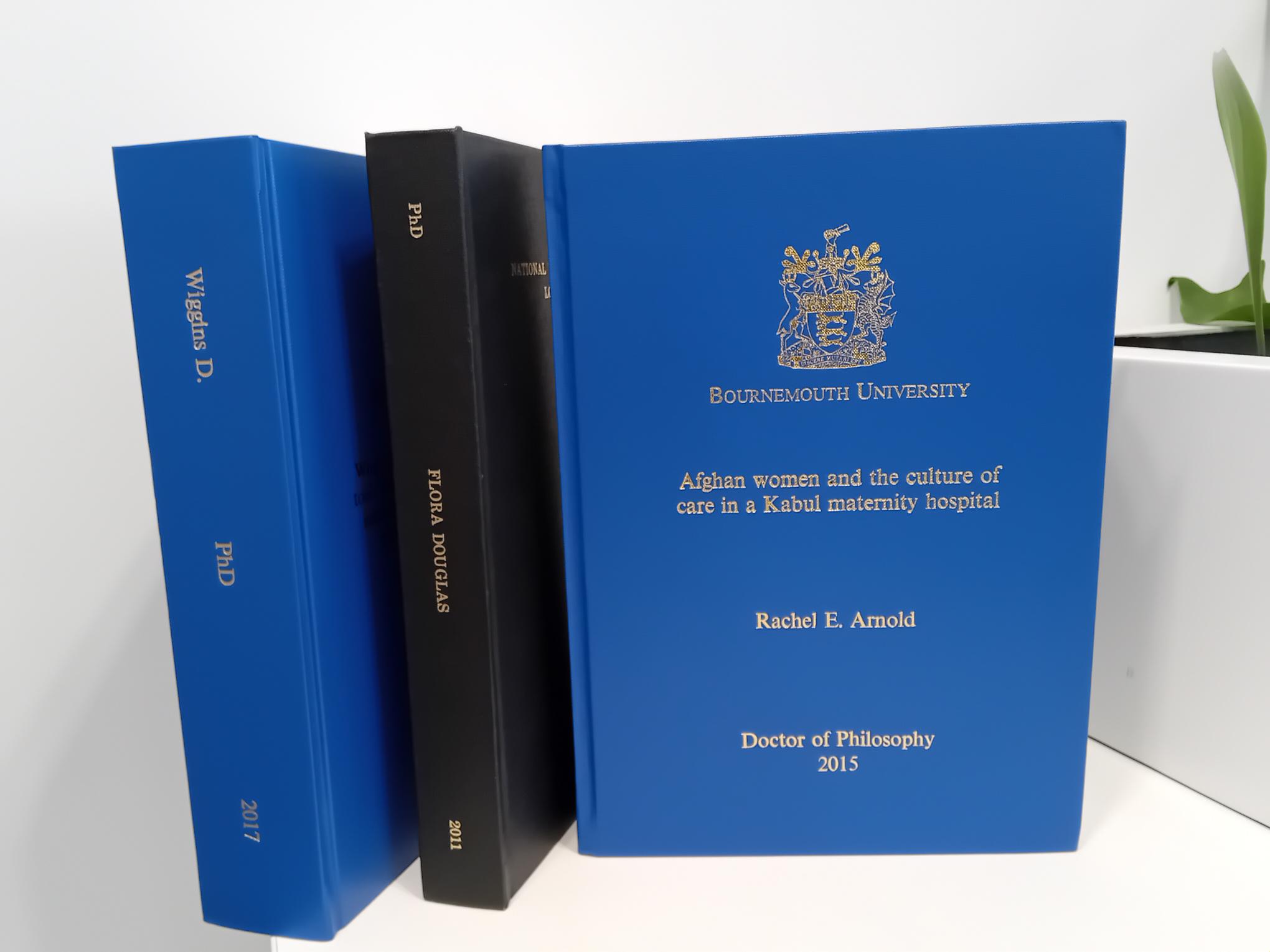















 3C Event: Research Culture, Community & Connections – Wednesday 11 November 3-4pm
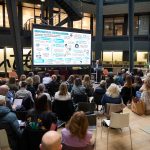
 ECR Opportunities: New Development Programme, Researcher Grants & Upcoming Events
 Help us capture BU’s knowledge exchange activity HE-BCI survey 2025–26
 Verbal autopsy paper published two days ago
 ESRC Studentships for 2027 Entry: Opportunity Now Open
 Horizon Europe Cluster 3 (Civil Security for Society) 2026 Calls Now Open
 MSCA Doctoral Networks 2026 Call Information Webinar
 ESRC Festival of Social Science 2026: Application Deadline Extended to Thursday 25 June 2026
 Reminder: Register for the ESRC Festival of Social Science 2026 Information Session
 ECR Funding Open Call: Research Culture & Community Grant – Apply now
 ERC Advanced Grant 2025 Webinar
 Update on UKRO services
 European research project exploring use of ‘virtual twins’ to better manage metabolic associated fatty liver disease