New year, new start for the BU HE policy update.
It’s an election year, so I will be looking at the policies, predictions and plots as the year unfolds alongside the usual news and comment. I’ll be trying some new approaches this year so let me know what you think.
Alongside all the policy and politics there are the big geopolitical issues that may escalate even more dangerously this year; with luck some of them may creep towards a resolution. Just to list a few: Ukraine, Israel/Palestine, China/Taiwan, ongoing conflict or issues in Yemen, Afghanistan, North Korea, elections in the US, Mexico, Venezuela, India and Pakistan and a new leader in Peru, a third of African nations have elections this year) alongside climate change and equality issues across the world. These issues have an impact on domestic politics including through the impact on cost of living and potentially as people seek clarity, reassurance or perceived strong leadership in a time of fear or uncertainty. There’s an interesting article here from CIDOB on the issues the world is facing this year.
If you are interested in predictions, IPSOS have a survey of what the public are expecting.
Politics and Parliament
Let’s start with the current government’s pledges and likely priorities: as the year unfolds I will look at some of these in more detail and review the alternatives.
YouGov have a take on the most important issues facing the country: the economy, health, immigration and asylum are at the top
Conservatives seeking re-election
A year ago the PM set out 5 pledges: we can expect to hear a lot more about them. Reviews here from the BBC and the New Statesman:
- Halving inflation by the end of 2023: This has been met, but this will continue to be a focus along with the reason it matters: cost of living (see below).
- Get the economy growing wages have improved somewhat in real terms but GDP is flat
- And there is an issue with fiscal drag, as more people pay more tax (see the FT)
- National debt falling: The pledge was that it would be forecast to fall in 2028/29 (i.e. not yet). The BBC points out:
- In the Autumn Statement in November, the Chancellor Jeremy Hunt claimed to be on track to meet that pledge because the OBR predicted a fall in 2028-29. But it’s going to be tight and will involve challenging spending restraint for some government departments.
- When will we know? The next debt forecasts will be published alongside the Spring Budget in 2024.
- Cutting NHS waiting lists: This is not going very well. The overall waiting list was expected to fall by March 2024: we will know in May 2024 when the figures come out. The BMA have some data, and the BBC chart uses the same NHS data but helpfully splits it out by how long people have waited. Ongoing strikes will remain a challenge for the government this year.
- Stopping the boats. Controversial and difficult. Chart from the BBC again. Here’s a link to the 2nd Jan update from the Home Office on this one. Stopping the boats is just part of the larger policy agenda on cutting net migration to the UK (see below).
Things to watch this year: cost of living
The reason inflation mattered so much was the impact on cost of living. The increases may have slowed but costs are still high:
… food bank charities like the Trussell Trust are helping record numbers of people, and some people are using debt to pay for essentials … The Joseph Rowntree Foundation (JRF) collects data on destitution in the UK. Someone is ‘destitute’ when they didn’t have two or more of six essentials in the past month because they couldn’t afford them, or their income is too low to purchase the items themselves. JRF found that 1.8 million households experienced destitution in 2022, a 64% increase since 2019. The rising prices of essentials has contributed to this increase. The essential that most destitute people went without most often was
- food (61%), followed by
- heating (59%)
- clothes (57%),
- toiletries (51%),
- lighting (35%) and
- shelter (which means they slept rough) (14%).
Things to watch this year: net migration:
Despite the focus on the small boats, the real policy issue is the net migration number, going back to the original pledge from more than a decade ago to reduce that number.
There is a useful annual report from the Migration Advisory Committee here (Oct 23).
This report also has a section on student migration which is discussed below in relation to international students.
Other things to watch in 2024 (as well as the general election)
Local elections and by-elections – always interesting in the run up to a general election: Local elections are in May (not in BCP), there is a by-election in February in Wellingborough: another test for the government as the former seat of Peter Bone MP is contested; and another possibly in Blackpool later in the year.
Spring budget: 6th March 2024: likely tax cuts, with a potential to reduce the fiscal drag point noted above, plus possible cut to inheritance tax. Other appeals to the Tory base are likely and there are rumours of “traps” to make life hard for Labour in the election campaign or if they win the election.
Political leadership: this is a mainly post-election consideration, but would Sunak step down if the Tories lose the election and who would replace him? What would happen to Starmer if Labour lose? What about the SNP and what will happen in Northern Ireland? Wales will have a new First Minister this year (in the Spring as they are holding leadership elections).
The political fallout from the Covid inquiry: which will continue through this year.
Some parliamentary bills of interest to HE were carried over to the new session, and new ones were announced in the King’s Speech such as:
Labour’s 5 missions
As well as these, Labour have also talked about the possibility of replacing the system of education regulators with one combined regulator, as they are doing in Wales, Unlike the Conservatives, they do want to encourage more 18 year olds into HE. See the bold highlights below.
These were set out a while ago:
- Get Britain building again: not just about home building but this one is about growing the economy more generally: “Secure the highest sustained growth in the G7 – with good jobs and productivity growth in every part of the country making everyone, not just a few, better off.” This includes:
- A new industrial strategy and a council to implement it
- A Green Prosperity Plan: private sector investment
- Changes to planning to help industry
- Devolution
- National Wealth Fund
- “Making it easier for universities to develop self-sustaining clusters of innovation, investment, and growth in their local areas”
- “reforming planning rules and arcane compulsory purchase rules, with new protections for renters”
- “closing the holes in the government’s Brexit deal, cutting the red tape”
- “Establishing a supply chain taskforce to review supply chain needs across critical sectors”
- Switch on Great British Energy: this does include a plan for a new energy generation company but also a wider objective to “make the UK a clean energy superpower”
- Act fast to lead the world with clean and cheap power by 2030, backing the builders not the blockers so Britain gets the cheap, clean power we need;
- Establish GB Energy – a new home-grown, publicly-owned champion in clean energy generation – to build jobs and supply chains here at home;
- Set up the National Wealth Fund, which will create good, well-paying jobs by investing alongside the private sector in gigafactories, clean steel plants, renewable-ready ports, green hydrogen and energy storage; and
- Upgrade nineteen million homes with our Warm Homes Plan, so that families have cheaper energy bills permanently, with warm, future-proofed homes.
- Get the NHS back on its feet: lots in here. for HE the most relevant are:
- Labour will create 7,500 more medical school places and 10,000 more nursing and midwifery clinical placements per year. We will allocate a proportion of the new medical school places in under-doctored areas, to address inequalities in access to healthcare – because one of the strongest indicators of where doctors practice is where they train. We’ll also train 700 more district nurses each year, 5,000 more health visitors and recruit thousands more mental health staff.
- Give everyone the opportunity to participate in research if they want to, so we can speed up recruitment and give patients access to treatments faster
- Take back our streets: “Halve serious violent crime and raise confidence in the police and criminal justice system to its highest levels, within a decade”
- Break down barriers to opportunity: lots in here, including:
- urgently commission a full, expert-led review of curriculum and assessment that will seek to deliver a curriculum which is rich and broad, inclusive and innovative, and which develops knowledge and skills
- Recruit over 6500 new teachers to fill vacancies and skills gaps across the profession.
- Replace headline Ofsted grades with a new system of school report cards, that tell parents clearly how well their children’s school is performing.
- Labour wants all young people to complete compulsory education with a firm foundation and will ensure that 80% of young people are qualified to Level 3 (A-Level equivalent) by 2035, with an interim target of 75% by 2030. Labour will reverse the decline in the number of young people moving into sustained education, employment or training after completing their 16 – 18 education. We will aim for over 85% of young people to be in a sustained destination by 2030, including more young people who have completed a level 3 qualification moving onto higher level education and training, with over 70% moving onto higher level opportunities by 2030
- Labour will establish Skills England, bringing together central and local government, businesses, training providers and unions to meet the skills needs of the next decade across all regions.
- “Improving the flexibility of the apprenticeship levy, turning it into a ‘Growth and Skills Levy”
- we will work with universities to ensure there are a range of options on founder-track agreements helping to boost spin-outs and economic growth.
- Labour will reform this [tuition fee] system to make it fairer and ensure we support the aspiration to go to university. Many proposals have been put forward for how the government could make the system fairer and more progressive, including modelling showing that the government could reduce the monthly repayments for every single new graduate without adding a penny to government borrowing or general taxation. Reworking the present system gives scope for a month-on-month tax cut for graduates, putting money back in people’s pockets when they most need it. For young graduates this is a fairer system, which will improve their security at the start of their working lives and as they bring up families. We will build on the legacy of the last Labour government’s target for 50% of young people to go to university to reverse the trend of declining numbers of adults participating in education and training. We’ll press on and ensure that the ambition for any young person to pursue higher education, regardless of background or geography, is realised.
And that election
Lots of MPS are stepping down: update here from the Institute for Government and a nice interactive map from Cambridgeshire Live here: makes Scotland look very interesting as they lose standing MPs just as they are in trouble politically on lots of fronts.
Research and knowledge exchange
This will be an interesting year as plans for REF 2029 (as we must now call it) are developed further. We will be watching for R&D announcements in the Spring budget.
If you missed our coverage of the King’s Speech and the Autumn Statement then you can catch it via the link and here are some highlights relating to RKE:
REF 2029
Announcements made in December including:
- The next REF will be REF 2029, with results published in December 2029
- Moves to break the link between individual staff members and unit submissions were welcomed by the community and this principle will be maintained
- Outputs sole-authored by PGR students, including PhD theses, will not be eligible for submission, nor will those produced by individuals employed on contracts with no research-related expectations
- The overall Unit of Assessment structure will remain unchanged from REF2021
- The minimum number of Impact Case Studies that an institution can submit per disciplinary submission will be reduced to one, and the removal of the 2* quality threshold is confirmed
BU’s approach to the REF: the REF Steering Group, led by Professor Kate Welham, is working with the Interim Associate PVC for RKE, Professor Sarah Bate, and with colleagues from across BU on our approach to the REF and Kate is attending UET regularly to discuss developments. The REF Committee is chaired by Professor Einar Thorsen.
BU has responded to the consultations so far on the REF and will continue to do so: we broadly welcome the changes although we have flagged some concerns about inclusivity and the administrative burden.
Strategic themes and research priorities
The government have a database of their areas of research interest. These tell us “what policymakers are thinking, what their priorities are and where they need help”
UKRI are working through a 5 year strategy and it is helpful to recall their strategic themes:
Education
There is always a lot to talk about on education in the policy updates, but for the first one of the year I wanted to go back to basics and look at the priorities for the OfS and the government and set them in context. For example, did you know:
- That the OfS monitors continuation, completion and graduate outcomes against an absolute baseline for ALL students at all levels (including PGRs and apprentices) at an institutional level, by student characteristics and at a subject level? This is licence condition B3 and if you didn’t know, you can look at the OfS dashboard here for sector data and find data relating to our own provision on the Prime SharePoint site.
- That the OfS have recently published the outcomes of 6 quality assessments for business and management and computing, with more to come in those subjects and other areas, with some important areas highlighted for other providers: see below for more on this.
- That we have to inform the OfS within 5 days if certain things happen under what they call the “reportable events” regime, and this can include a wide range of academic or other things: please email reportableevents@bournemouth.ac.uk if you become aware of something that might be reportable (even if it might turn out not to be).
- That the OfS provides funding for educational development and other work in universities including the development of apprenticeships and other programmes: worth checking their website from time to time.
Government education policy
Government policy as it relates to HE does not address the big elephant in the room: in other words they are NOT proposing any changes to fees and funding or maintenance arrangements. A series of changes to student loan arrangements came into effect in the autumn, including extending the repayment period.
If you missed our coverage of the King’s Speech and the Autumn Statement then you can catch it via the link and here are some highlights relating to education:
- In October 2023, the Prime Minister announced a strong action plan to ensure every student has the literacy and numeracy skills they need to thrive through the introduction of the Advanced British Standard. This new Baccalaureate-style qualification will bring the best of A-Levels and T-Levels together, creating a unified structure that puts technical and academic education on equal footing. This reform will ensure every student in England studies some form of maths and English to age 18, boosting basic skills and bringing the UK in line with international peers. It will increase the number of taught hours by 15% for most students aged 16 to 19 and will broaden the number of subjects students take. [this means abolishing T levels, which are supposed to be replacing BTECs, as well as A levels]
- Proposals will be implemented to decrease the number of people studying poor-quality degrees, and to increase take-up of apprenticeships [as far as we can tell, this does not mean new measures but continuing to instruct the OfS to use its existing powers of regulation plus a continued focus on funding and promoting apprenticeships]
Funding priorities:
- On 14th December the government asked the OfS to run a competitive scheme to allocate funding for 350 new medical student places for 2025: this follows an expansion by 205 for 2024 and supports the NHS long term plan (although they will need to do more).
- In their latest strategic priorities letter to the OfS (March 23) the focus was on:
- Choice and flexibility or provision: the changes to enable lifelong learning (i.e. changes to the structure of loan payments etc), technical education, apprenticeships
- Strategically important subjects: subjects that support the NHS and wider healthcare policy; science, engineering and technology subjects; and specific labour market needs
- Degree apprenticeships especially at level 6 (i.e. not level 7)
- L4 and L5 provision: higher technical qualifications
- Specialist providers
- Mental health and wellbeing
Read about OfS funding for 2023-24
OfS strategy
The objectives are:
- Participation: All students, from all backgrounds, with the ability and desire to undertake higher education, are supported to access, succeed in, and progress from higher education.
- Experience: All students, from all backgrounds, receive a high quality academic experience, and their interests are protected while they study or in the event of provider, campus or course closure.
- Outcomes: All students, from all backgrounds, can progress into employment, further study, and lead fulfilling lives, in which their qualifications hold their value over time.
- Value for money: All students, from all backgrounds, receive value for money.
The two areas of focus are quality and standards and equality of opportunity. That results in 11 goals:
- Students receive a high quality academic experience that improves their knowledge and skills, with increasing numbers receiving excellent provision [see the section on quality below]
- Students are rigorously assessed, and the qualifications they are awarded are credible and comparable to those granted previously. [see the July 23 analysis of degree classifications]
- Providers secure free speech within the law for students, staff and visiting speakers [read the latest consultation on the new complaints scheme and their consultation on regulating students’ unions].
- Graduates contribute to local and national prosperity, and the government’s ‘levelling up’ agenda [measured by progression to highly skilled employment: see below for the outcomes data]
- Students’ access, success and progression are not limited by their background, location or characteristics [see the new guidance on access and participation plans].
- Prospective students can choose from a diverse range of courses and providers at any stage of their life, with a wide range of flexible and innovative opportunities [linked to the government agenda on higher technical qualifications, apprenticeships, lifelong modular learning etc]
- Providers act to prevent harassment and sexual misconduct and respond effectively if incidents do occur [ we are expecting the outcomes of a consultation on this fairly soon, it closed in May].
- Providers encourage and support an environment conducive to the good mental health and wellbeing that students need to succeed in their higher education [read their insight brief]
- Providers are financially viable and sustainable and have effective governance arrangements [see the section on sustainability below]
- Students receive the academic experience they were promised by their provider and their interests as consumers are protected before, during and after their studies.
- The OfS minimises the regulatory burden it places on providers, while ensuring action is effective in meeting its goals and regulatory objectives.
Outcomes
The OfS annual review provides some data to set the scene.
The report highlights that continuation is lower for:
- students from more deprived areas or who were eligible for free school meals,
- students from most (although not all) black and minority ethnic groups
- mature students
- students with reported disabilities, other than those with reported cognitive or learning difficulties (who make up 5.1% of students); and
- care experienced students.
The report highlights that completion is lower for:
- students from more deprived areas or who were eligible for free school meals,
- students from most (although not all) black and minority ethnic groups
- mature students
- students with reported disabilities; and
- care experienced students.
The report highlights that attainment rates are lower for:
- students from more deprived areas or who were eligible for free school meals,
- students from most (although not all) black and minority ethnic groups
- mature students
- students with reported disabilities with the exception of students with a reported mental health condition (4.5% of students); and
- care experienced students.
The report highlights that progression rates are lower for:
- students from more deprived areas or who were eligible for free school meals,
- students from most (although not all) black and minority ethnic groups
- students with reported disabilities other than those with reported cognitive or learning difficulties (who make up 5.1% of students); and
- care experienced students.
In relation to mature students, those aged 31-40 have the highest progression rates while those aged 50 and over have the lowest.
Quality and standards in HE: OfS quality assessments
If you don’t follow the announcements from the OfS closely, you may have missed the trickle of OfS quality reports, so far in two subject areas, business and management and computing. There are context papers which provide an interesting read and then the investigation reports themselves (so far 5 published for business and management and one for computing). Concerns were found in 2 of the 5 business and management reports: no sanctions have been confirmed yet.
More detail is given below, but just to flag the priorities for 2024 quality assessments. With the government already having announced that fee caps will be reduced for some foundation year courses, note the link to foundation year courses below: there will be quality reviews in this area especially as outcomes are lower, as noted in the linked Wonkhe article from October.
OfS sector context papers:
- Business and Management
- Growth in numbers (pp5 and 6) which highlights some potential issues which probably triggered these investigations and explain why they picked it as a subject priority
- The percentage of full-time undergraduate entrants taught through sub contractual arrangements has more than doubled since 2018-19, from 10 per cent to 27 per cent (pp9 and 10)
- The proportions of full-time undergraduate students that are from deprivation quintiles 1 or 2 are consistently higher in business and management than for all other subject areas (p18)
- The proportions of full-time undergraduate students who are on courses that include an integrated foundation year are consistently higher in business and management than for all other subject areas (p20)
- Low continuation for UG (p23), low completion for UG (p25), low progression at UG and PG (pp27 -28)
- Low NSS for teaching (p30) and some other areas (not learning resources)
- Computing
- Low continuation and completion compared to other subjects (pages 23 to 26) at UG and PG
- Balanced by good progression – but a provider that didn’t have good progression would stand out (pp 27 and 28)
- Low NSS scores (pp29-34)
- High proportions of non-permanent staff (p41)
Quality assessments: Business and management
Themes: concerns were found in relation to two of the five published so far and findings included:
- Insufficient staff to provide adequate support, impacting personal tutoring, assessment and feedback and academic support
- Not enough flexibility in course delivery to support the cohort of students recruited, namely not providing sufficient flexibility when students had to work to finance their studies or have caring responsibilities, having recognised that this was a specific feature of their intake: licence condition to deliver course effectively was brought into play
- Inadequate central monitoring and pro-active management of engagement and attendance and over-reliance on individual academic staff to follow up – licence condition to take all reasonable steps to ensure students receive sufficient academic resources and support. Recommendations included:
- Clear lines of responsibility at faculty and university level regarding who the lead for continuation is, and further channelling of university-level resource, expertise and effort towards the continuation problem in the Business School.
- Systematic analysis of student failures on modules and historical withdrawals, to provide a more detailed picture and understanding of why students do not continue their studies at the university.
- Better real-time monitoring of engagement and a university-level set of criteria that can be used to identify a student who may be at risk of dropping out, combined with systematic analysis of student behaviour and non-attendance so that proactive additional support can be offered.
- A review of examination board processes and module performance criteria to ensure that under-performing modules are being picked up and addressed through the quality assurance and enhancement system. While the assessment team acknowledged the new course and unit enhancement planning process, this did not appear to be embedded and should be monitored closely.
- Support for avoiding potential academic misconduct was not consistently provided in assessment feedback via the online assessment platform at Level 4
- The format for providing formative feedback on assessments may not have been sufficient for some students across a number of modules reviewed. This concern also relates to condition of registration B2 because the assessment team considered that ensuring consistent access to formative feedback is a step that could have been taken to ensure students have sufficient academic support to succeed
- Insufficient academic support for foundation year students once they progressed onto the main programme – support should have continued at higher levels
Quality assessment: Computing: no concerns were found in relation to the one report published so far.
Apprenticeships
As noted above these remain a priority for the government (and would likely be for a Labour government too). In that context a report from the summer by UCAS with the Sutton Trust is interesting:
- Today, 40% of students (430,000) interested in undergraduate options are also interested in apprenticeships. Despite this growth in demand, the number of starts for young learners remains low – with the number of Level 4 and above starts for under-19 year olds less than 5,000
- Disadvantaged students are more likely to be interested in apprenticeship options, with 46% from the most disadvantaged areas interested in this route, compared to 41% from the most advantaged areas. Furthermore, those from lower socioeconomic backgrounds (63%) are more likely to have considered apprenticeships
- A quarter (24%) of former applicants said that one of the top three reasons why they did not pursue an apprenticeship was because they felt they could not afford to do so.
Student experience, wellbeing and finances
Student finance
The cost of living update from the House of Commons Library Nov 23 has a section on student loan repayments and maintenance support (page 64) which links to this report from September 2023 on the value of student maintenance support.
International
Despite all the negativity about international students in the context of the migration policy (see above) and the OfS’ regulatory concern about the risk of large numbers of international students, there is a positive policy in relation to international students: the government have an International Education Strategy that has two ambitions by 2030:
- increase education exports to £35 billion per year
- increase the numbers of international higher education (HE) students studying in the UK to 600,000 per year
According to the annual report from the Migration Advisory Committee here (Oct 23) referred to below, this second target was achieved in 2020/21:
- according to the Higher Education Statistics Agency (HESA), this target was met in early 2020/21, with 605,000 non-UK students at Higher Education Institutions (HEIs). This has increased further since then, with growth driven by a small cohort of countries, notably India and Nigeria.
- Non-UK students accounted for almost 30% of first-year enrolments in tertiary education last year, up from 25% before the policy announcement in 2018/19.
- In a global context the UK is a major market for international students. HEIs in the UK accounted for 9% of all international students in 2020, behind only the US for market share. The UK’s market share had been steadily declining since 2006 having been briefly overtaken by Australia as the second most popular destination for international students in 2019
Student visas
The annual report from the Migration Advisory Committee here (Oct 23) referred to above also has a section on international students. It includes the policies on stopping dependants which have now been implemented.
There is some interesting data on student numbers: it shows the large number of international student in London and also Scotland (not surprisingly given their student number cap for home students). Perhaps surprisingly, there are more international than UK students in the East of England and the North East and numbers are more or less equal in Yorkshire and the Humber, although this data includes students on the London campus of universities based outside London.
HE sector sustainability and change
Student numbers and admissions
UCAS projects that there could be up to a million higher education applicants in a single year in 2030, up from almost three quarters of a million today.
But will there be? Applications and admissions fell last year, but that was after a bumper post-covid year in 2022 and UCAS described it as a return to normality. Or is it the rhetoric from the government on mickey mouse degrees etc and changes to loan repayments making it more expensive for students in the long run having an impact? Time will tell: eyes will be on this year’s applications.
Financial sustainability
The OfS annual review provides some context for this. The OfS issued their annual report on financial sustainability in May 2023 and identified the following key risks which are still relevant:
- The impact of inflation on costs and challenges in growing income to meet increasing costs. In particular, the ‘per student’ income from tuition fees from UK undergraduates is capped and not increasing, while other costs rise.
- Increasing reliance on fees from overseas students, particularly postgraduates, in some higher education providers’ business plans. (In May 2023, the OfS wrote to 23 higher education providers with high levels of recruitment of students from China. We reminded them of the importance of contingency plans in case there is a sudden drop in income from international students. We asked a subset of those higher education providers most exposed to a short-term risk to provide information about their financial mitigation plans)
- Challenges in meeting investment needs for facilities and environmental policies
The OfS identifies a number of strategies that they may see to address financial sustainability concerns.
JANE FORSTER, VC’s Policy Advisor
Follow: @PolicyBU on X
 Both fit under the category of people suffering from crime committed by naughty people. However, having studied labour migration as a sociologist for over a decade it also speaks of the desperation of young people to leave Nepal. In that sense, the ‘Three held for defrauding unemployed youths’ story, is more like the story the day before ‘Family of Nepali who joined Russian Army worried after hearing about his death’ (The Himalayan Times, January 10, page 1).

 Prof. Ann Luce (FMC), Ms. Georgia Turner (PhD candidate FST), Ms. Lauren Kennedy (MSc student FST) and Dr. Reece D. Bush-Evans (Lecturer in FST) are pleased to announce the publication of their most recent work in British Medical Journal: Medical Humanities titled, “Quite simply they don’t communicate: a case study of a National Health Service response to staff suicide”.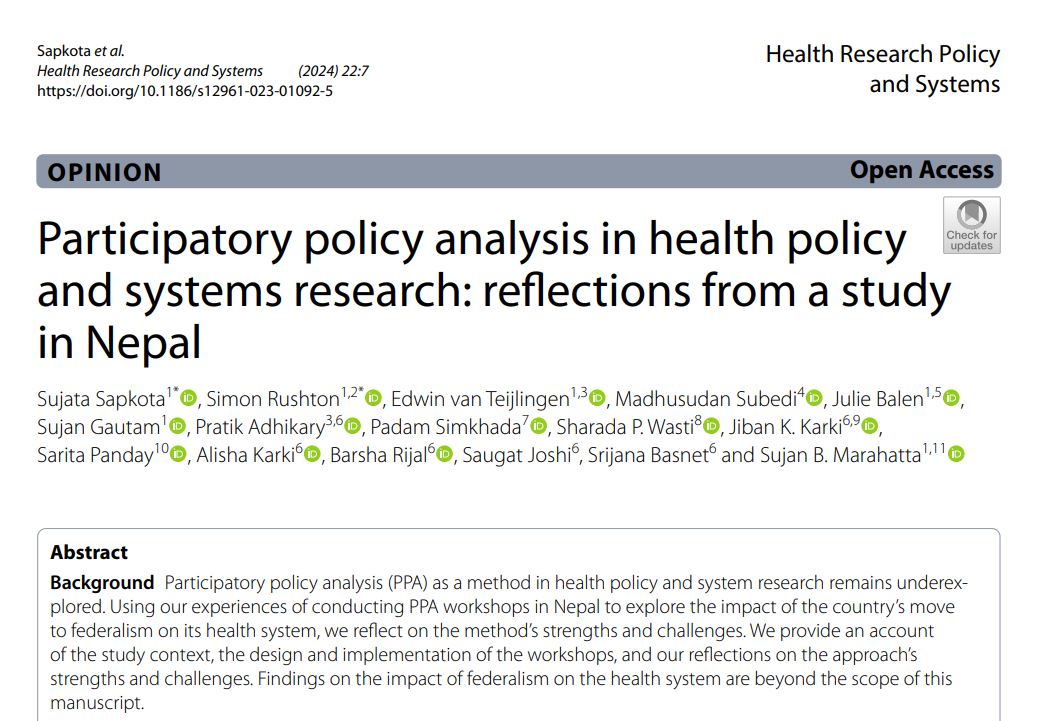






 Anyone can propose an event and the festival celebrates science in its broadest sense. The British Science Festival are looking for proposals from individuals, researchers, industry professionals, artists, writers, organisations, charities, academic institutions, and more. They aim to programme a range of formats from talks to drop-in activities and creative content that challenges perceptions of what science is and can be.












 Three CMWH presentations at Berlin conference
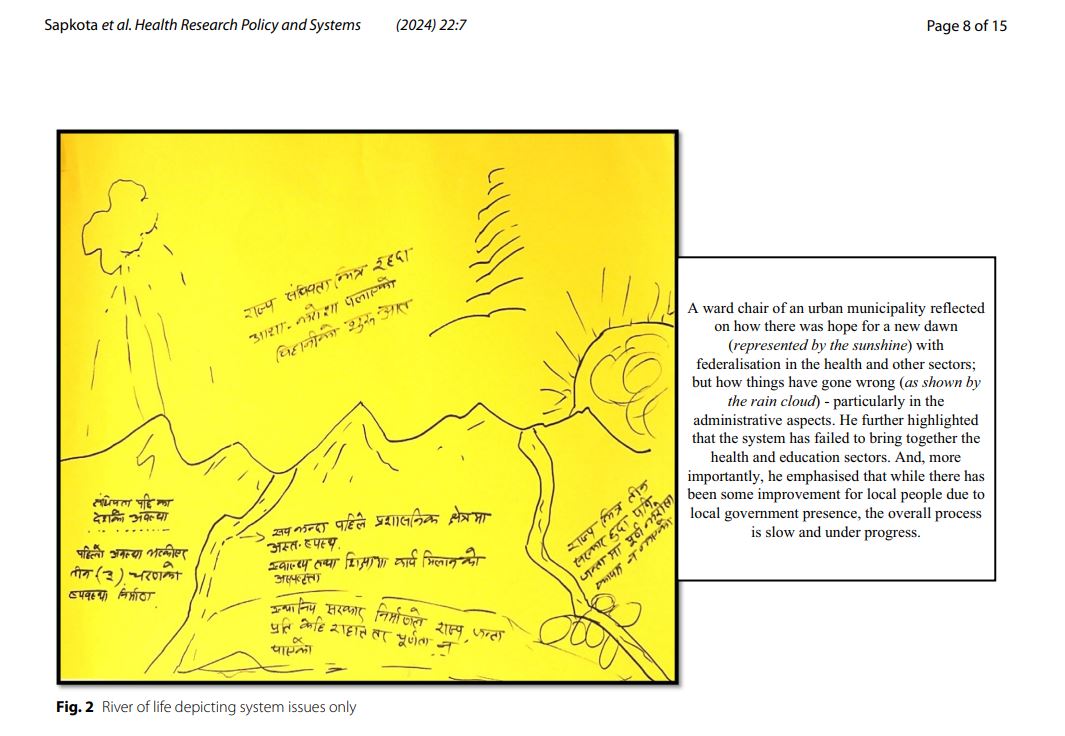
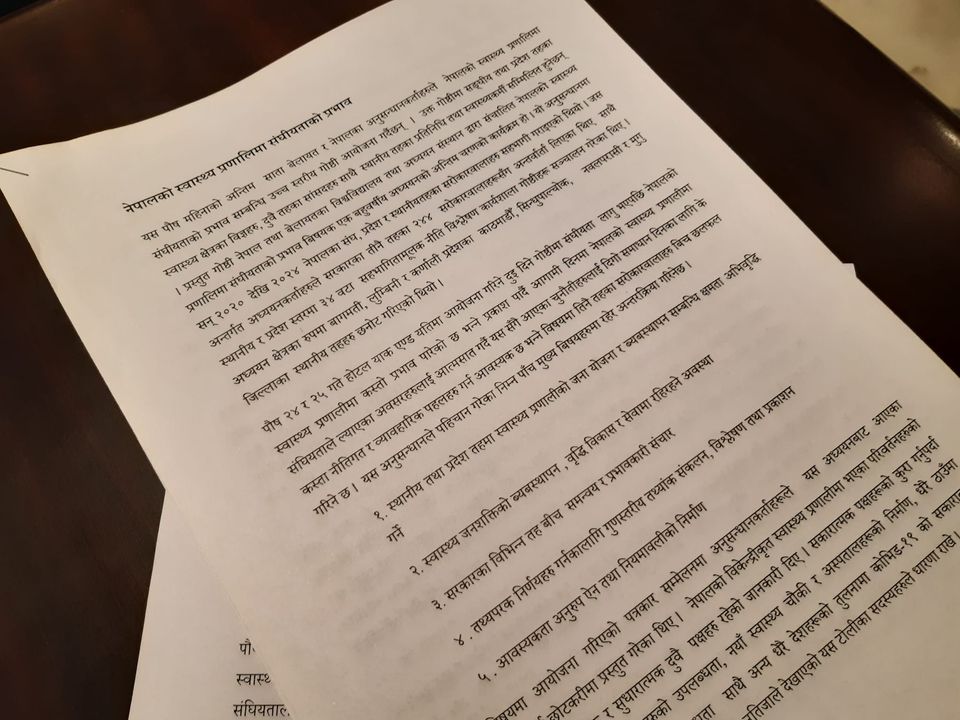
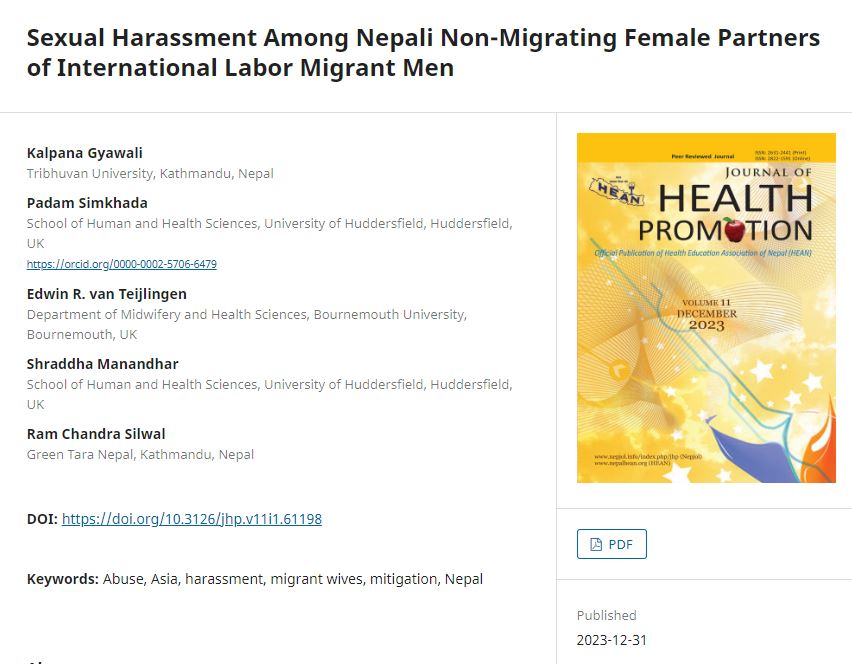
 New interdisciplinary paper on Nepal
 National Postdoc Appreciation Week 2026: The Changing Landscape of Postdoc Careers
 NIHR Insight South West Central Conference 2026 at Bournemouth University
 Horizon Europe Cluster 3 (Civil Security for Society) 2026 Calls Now Open
 MSCA Doctoral Networks 2026 Call Information Webinar
 ESRC Festival of Social Science 2026: Application Deadline Extended to Thursday 25 June 2026
 Reminder: Register for the ESRC Festival of Social Science 2026 Information Session
 ECR Funding Open Call: Research Culture & Community Grant – Apply now
 ERC Advanced Grant 2025 Webinar
 Update on UKRO services
 European research project exploring use of ‘virtual twins’ to better manage metabolic associated fatty liver disease