Category / Research themes

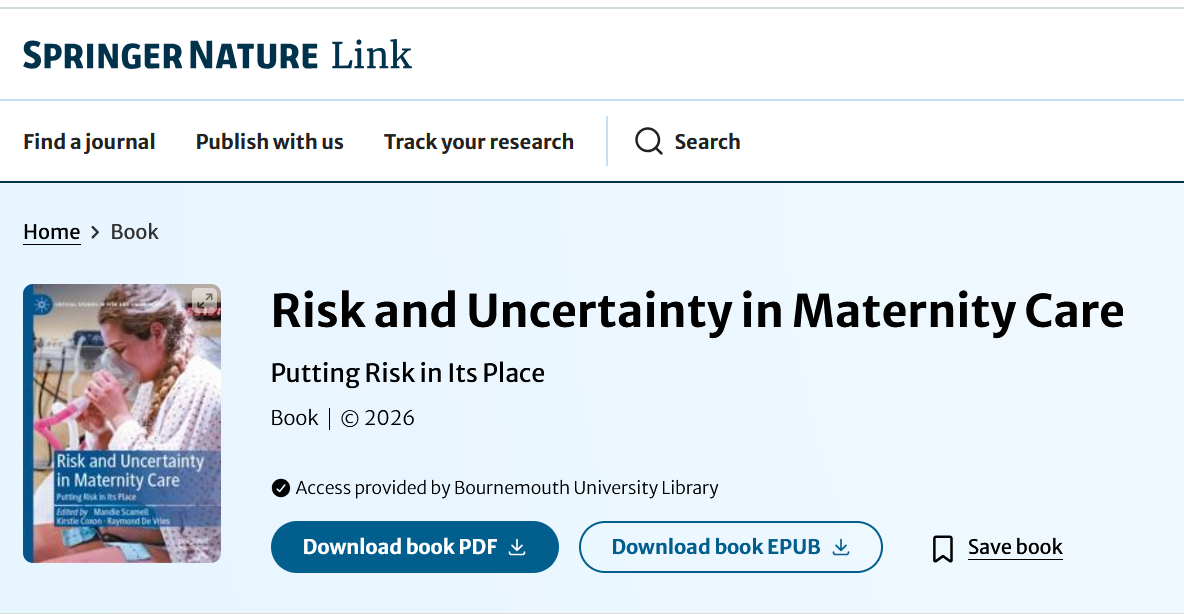
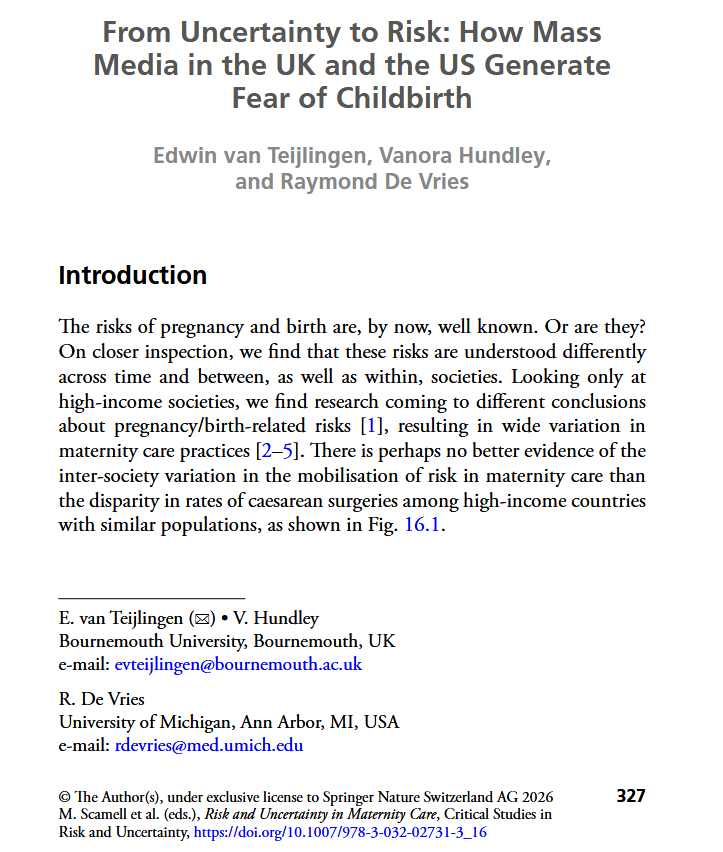
New CMWH paper on maternity care

The editor of Frontiers in Public Health have accepted our latest article from the EPPOCH study.  This latest paper ‘Prenatal substance use during the COVID-19 pandemic in the UK: Associations with depression, anxiety, and pandemic stressors‘ focuses on the use of substances in pregnancy in the UK during the COVID-19 pandemic [1].  Our previous EPPOCH paper, in line with several other population-based studies, highlighted that COVID-19 was associated with high levels of depression and anxiety during pregnancy in the UK [2].

This new publication reports on a cross-sectional analysis of baseline EPPOCH data (n = 3292; June – Nov. 2020). Participants reported alcohol, tobacco, cannabis, and illicit drug use before and after recognition of pregnancy, alongside validated measures of depression, anxiety, pregnancy-related anxiety, and pandemic stressors. Linear regression models examined associations between mental health, COVID-19 stressors, and substance use after pregnancy recognition. A qualitative thematic analysis of 380 open-ended responses explored perceptions of substance use post-pregnancy recognition. Results: Alcohol was the most commonly used substance before pregnancy. Following pregnancy recognition, tobacco (8.75%) and alcohol (8.60%) were the most frequently reported substances, followed by cannabis (1.49%) and illicit drugs (0.12%). Tobacco use after pregnancy recognition was associated with higher levels of depressive symptoms and pandemic stressors, including perceived personal health threat and not receiving necessary care. Prenatal co-use of substances was associated with higher depressive symptoms and pandemic-related financial difficulties. Qualitative themes included continued substance use until pregnancy detection, vaping as a perceived safer-use strategy, and midwifery advice influencing prenatal substance use decisions.

In this large UK pregnancy cohort recruited during the COVID-19 pandemic, substance use following pregnancy recognition – particularly tobacco – was linked to depression and pandemic-related stressors. These findings highlight the importance of equipping midwives and other healthcare professionals with clear, evidence-based guidance on prenatal substance use, particularly during global health crises.

This interdisciplinary project is led by Dr. Melanie Conrad in Germany.  The lead author for the paper is Ph.D. candidate Swarali Datye, whilst three members of the Centre for Midwifery & Women’s Health (CMWH): Dr. Latha Vinayakarao and Prof. Minesh Khashu both working in University Hospitals Dorset NHS Foundation Trust (UHD) and both Visiting Faculty at BU and Prof. Edwin van Teijlingen are team members and co-authors on this paper.


References:

  1. Datye, S., Peters, E.M.J., Windhorst, A.C., van Teijlingen, E., MacRae-Miller, A., Vinayakarao, L., Khashu, M., Fahlbusch, F.B., Conrad, M.L. (2026) Prenatal substance use during the COVID-19 pandemic in the UK: Associations with depression, anxiety, and pandemic stressors Frontiers in Public Health. (forthcoming)
  2. Datye, S., Smiljanic, M., Shetti, R.H., MacRae-Miller, A., van Teijlingen, E., Vinayakarao, L., Peters, E.M.J., Lebel, C.A., Tomfohr-Madsen, L., Giesbrecht, G., Khashu, M., Conrad, M.L. (2024) Prenatal maternal mental health and resilience in the United Kingdom during the SARS-CoV-2 Pandemic: A cross-national comparison, Frontiers in Psychiatry, 15 https://doi.org/10.3389/fpsyt.2024.1411761

Starting with Uncertainty: Teaching Technology Entrepreneurship Through Civic Immersion

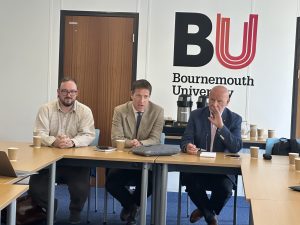
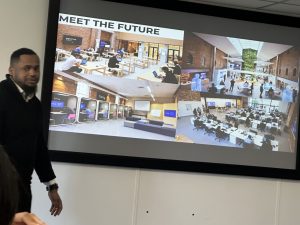
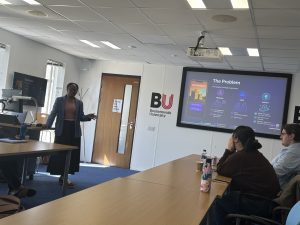
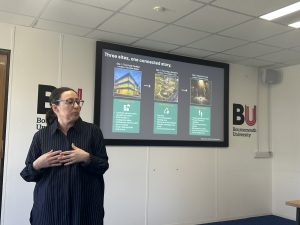
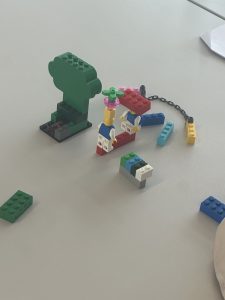
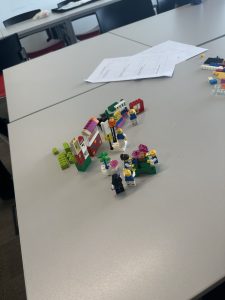
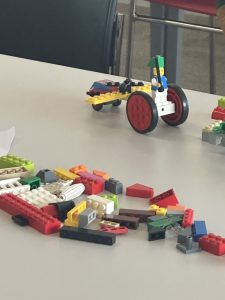
MBA students on Bournemouth University’s Level 7 unit Entrepreneurship: Technology-Driven Ventures & User-Centred Business Solutions began their learning journey not in a lecture theatre, but in Sherborne, Dorset at the stunning Sherborne Boys School.

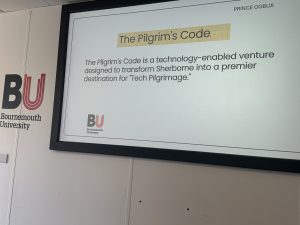
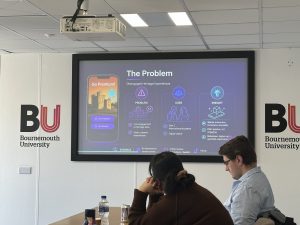
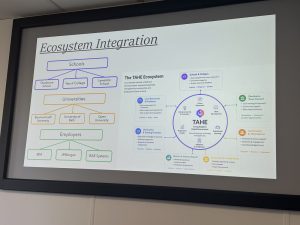
Hosted by the steering committee behind the emerging Turing Centre initiative,  our students were immersed in a live civic project inspired by the legacy of Alan Turing. The Turing Centre vision is explicitly future-facing: to inspire young people in digital technology, create an innovation hub and enterprise zone, support pathways into employment and skills, and function as a social, cultural, and economic asset for Sherborne and beyond . Rather than analysing this as a completed case , students encountered an evolving initiative shaped by institutional constraints, funding realities, stakeholder ambitions, and technological uncertainty. After exploring Sherborne’s historical and civic context, they worked in teams on four strategic challenges: translating vision into a viable business model, developing fundraising logic, shaping promotion and positioning, and evaluating financial, economic, and social sustainability. Their proposals were presented directly to members of the steering group.

This was not accidental. It reflects a deliberate pedagogical choice.

Entrepreneurship education has, for some time now, been trying to move beyond the “inspiration” model,  the idea that if students feel energised enough, something entrepreneurial will magically happen. Contemporary scholarship instead emphasises competence, judgement and disciplined practice (Neck & Corbett, 2018). Hägg and Gabrielsson’s (2020) systematic review traces this shift clearly: from knowledge transmission to experiential and practice-based designs. But they also sound a note of caution. Experience alone is not enough. Without theoretical integration, it risks becoming energetic but shallow.

Kolb’s (1984) experiential learning cycle — experience, reflection, conceptualisation, experimentation — is frequently invoked in business education. Yet critics have long warned that “learning by doing” can quietly become “doing without thinking” (Kayes, 2002). Morris (2020) similarly argues that Kolb’s framework is often applied in a simplified manner, neglecting the epistemic depth required for higher-order learning. In other words, activity is not the same as analysis.

The Sherborne engagement was therefore designed not as a field trip in the traditional sense, nor as consultancy theatre, but as structured immersion before interrogation. Students encountered ambiguity first; stakeholder tensions, funding constraints, institutional realities, technological ambition, and only afterwards will they begin systematically analysing what they have seen. Over the two weeks beginning 2 March, that initial immersion will be subjected to scrutiny. Entrepreneurship theory, user-centred design frameworks, and sustainability debates will not sit alongside the experience; they will probe it. Assumptions made in Sherborne will be tested. Enthusiasm will be examined. Gaps in evidence will be exposed.

Assessment design is crucial in holding this intellectual line. Research on authentic assessment demonstrates that tasks resembling professional practice enhance capability only when academic standards remain explicit and evaluative judgement is foregrounded (Villarroel et al., 2018). In this unit, students are required not merely to propose a technology-enabled, user-centred venture, but to justify its feasibility, scalability, ethical implications, and community impact through scholarly argument.

This matters particularly in technology entrepreneurship, where uncertainty, adoption dynamics and unintended consequences are structural features rather than unfortunate accidents. Pittaway and Cope (2007) argue that effective entrepreneurship education must expose learners to uncertainty while supporting reflective sensemaking. The Sherborne visit functions precisely as such a productive disorientation.

For this MBA cohort, Sherborne now becomes an anchor point. They are not beginning with abstract frameworks detached from context. They are beginning with lived complexity. The task ahead is not to apply tools mechanically, but to develop disciplined judgement by integrating technology, commercial logic and community value with intellectual rigour rather than optimism alone.

Experiential learning, when critically structured and theoretically grounded, does not dilute academic depth. It sharpens it.


References:

Hägg, G., & Gabrielsson, J. (2020). A systematic literature review of the evolution of pedagogy in entrepreneurial education research. International Journal of Entrepreneurial Behavior & Research, 26(5), 829–861. https://doi.org/10.1108/IJEBR-04-2018-0272

Hägg, G., & Kurczewska, A. (2016). Connecting the dots: A discussion on key concepts in contemporary entrepreneurship education. Education + Training, 58(7/8), 700–714. https://doi.org/10.1108/ET-12-2015-0115

Kayes, D. C. (2002). Experiential learning and its critics: Preserving the role of experience in management learning and education. Academy of Management Learning & Education, 1(2), 137–149. https://doi.org/10.5465/amle.2002.8509336

Kolb, D. A. (1984). Experiential learning: Experience as the source of learning and development. Prentice Hall.

Morris, T. H. (2020). Experiential learning – A systematic review and revision of Kolb’s model. Interactive Learning Environments, 28(8), 1064–1077. https://doi.org/10.1080/10494820.2019.1570279

Neck, H. M., & Corbett, A. C. (2018). The scholarship of teaching and learning entrepreneurship. Entrepreneurship Education and Pedagogy, 1(1), 8–41. https://doi.org/10.1177/2515127417737286

Pittaway, L., & Cope, J. (2007). Entrepreneurship education: A systematic review of the evidence. International Small Business Journal, 25(5), 479–510. https://doi.org/10.1177/0266242607080656

Villarroel, V., Bloxham, S., Bruna, D., Bruna, C., & Herrera-Seda, C. (2018). Authentic assessment: Creating a blueprint for course design. Assessment & Evaluation in Higher Education, 43(5), 840–854. https://doi.org/10.1080/02602938.2017.1412396
New Social Work text with BU editors

Congratulations to Jonathan Parker, Ivan Gray, Andrew Morris and Sally Lee, the editors of the fourth edition of Newly-Qualified Social Workers: A Practice Guide to the Assessed and Supported Year in Employment [1].  This new edition has eleven chapters.  Apart from the various chapters produced or co-produced by the editors, this 2026 text also include a chapter by two further Bournemouth University academics, including Dr. Richard Williams and Dr. Louise Oliver.  The latter contributed ‘Chapter 7: Research and NQSW: Developing yourself as a research minded and critically reflective practitioner’.

Congratulations!

Prof. Edwin van Teijlingen

Faculty of Health, Environment & Medical Sciences


Reference:

  1. Parker, J., Gray, I., Morris, A. and Lee, S. (eds.), Newly-Qualified Social Workers: A Practice Guide to the Assessed and Supported Year in Employment (4th edn.), London: Learning Matters, SAGE, 2026.

High five! New FishE papers support the evidence base for conserving threatened species and habitats

Providing the evidence base to support conservation actions that protect species and habitats in aquatic ecosystems is a key task in the Fish Ecology and Conservation Research Cluster (FishE). This week, five articles published or accepted for publication will contribute strongly to this evidence base, with the work co-created with a number of funders and collaborating organisations.

Sotiris Meletiou’s PhD is on the conservation biology and management of the critically endangered European eel in Cyprus – which is at the eastern edge of their range and far away from their spawning grounds in the Sargasso Sea (Atlantic Ocean). Until now, an eel management plan was not required for Cyprus as any eels present were not believed to metamorphose into adult silver eels and not emigrate back to their spawning grounds. Sotiris’ new paper in the Journal of Fish Biology demonstrates that silver eels are indeed present in Cyprus and do attempt to emigrate to sea, and so should drive the formation of a management plan that should result in greater eel protection and conservation in the eastern Mediterranean.

Simone Cittadino’s research is assessing how freshwater fish respond to saline incursion events from the sea into lowland rivers. these events driven by high spring tides, exacerbated by climate change driven rising sea levels and weather events. His new paper in Hydrobiologia assesses the general movements of a key fish species in the Norfolk Broads, the common bream, highlighting the importance of high habitat connectivity for their movements across this large protected wetland. This work will provide a strong basis for the rest of his PhD research.

Phillip Haubrock, a Marie Curie Incoming postdoctoral Fellow, identified how conservation efforts across the world have been affected by research that is limited by political borders and the restricted availability of data. He and his co-authors argue in Conservation Biology that supra-national and better open-data governance should be capable of overcoming this and lead to better conservation outcomes.

Two articles just accepted for publication this week also contribute strongly to the conservation evidence base. Jonas Palder’s first publication from his PhD was accepted in the Canadian Journal of Fisheries and Aquatic Sciences, which assessed the increased mortality risk for threatened European shads caused by human constructed barriers within rivers. Robert Britton worked with Gabby Valle, one of our School’s 2024/25 MSc Biodiversity Conservation students, to get her research project data published, which was assessing the risk of a biological invasion in Britain by the globally invasive and ecologically damaging common carp. Their manuscript has also just been accepted for publication in the Journal of Fish Biology.

Congratulations to all involved!

Turning research into art


This sculpture tells the untold story of life with a feeding tube — a presence both vital and alien, a lifeline that nourishes while carving its own path through the body. Like ivy, it winds and clings, sometimes tender, sometimes sharp, always there. It does not ask permission. It heals, disrupts, and transforms” (Mahtab Grimshaw).


Local artist Mahtab Grimshaw created this striking and thought‑provoking sculpture after meeting with Sue Green and Carolyn Wheatley (Chair of PINNT) to discuss the findings from a recent national survey exploring what people living with home enteral nutrition (HEN), and their carers, really need to feel supported.

The survey

The number of people requiring home enteral nutrition (HEN) is increasing, creating a need for effective support services. This study explored what people with enteral tubes and their carers in the UK want from services to help them manage at home. A questionnaire survey with 243 respondents revealed inadequate pre-discharge training, inconsistent information, variable professional support, and significant impact on daily life. Key needs identified included comprehensive training, consistent advice, regular reviews, emergency support, and psychological care. Findings highlight the need for standardised pathways and quality indicators to ensure equitable, high-quality HEN support across the UK (Green et al., 2025).

Turning research into art

To share these findings we responded to an internal BU call for proposals to collaborate with a local artist through the BU-BEAF ART Co. initiative. Our aim was to transform data and lived experience into something that would resonate with healthcare professionals and those unfamiliar with the realities of enteral feeding.

The result is Graft, the Twining Linb —a powerful sculpture that has already travelled to Wales, appeared at the BAPEN Annual Conference, and even met the Welsh Minister. Later this year, she will be heading to an international conference in Scotland.

Thank-you to the BU organisers (Prof Mel Hughes and Dr Gladys Yinusa) for backing this project, and to Mahtab Grimshaw for bringing this research to life in such an original and impactful way.

Sue Green, School of Health and Care, Faculty of Health, Environmental and Medical Sciences.

Community Pride Podcast: Research Through Storytelling in Action

Community Pride, a new podcast series created by Bournemouth University postdoctoral researcher Dr Kayla Jones, has officially launched as part of Learning from Big Local, a platform showcasing community-led change across England.

The podcast is a creative output of the AHRC-funded StoryArcs project—a practice-based research collaboration between BU and Bath Spa University. The series was produced during Kayla’s time as a postdoctoral researcher under the supervision of Dr Lyle Skains at BU, who led on the funding acquisition and collaborative partnership that made this project within StoryArcs possible.

Each episode of Community Pride dives deep into the lived experiences of residents in communities supported by the Big Local programme, a 15-year initiative managed by Local Trust. Kayla was asked by Local Trust to engage community members whose stories reflect resilience, creativity, and pride in place. She conducted interviews, gathered local perspectives, and took the project from raw audio to fully produced episodes—writing, editing, and sound-designing each one herself.

“It brings together research, resident stories and practical insight into what it really takes for communities to lead change,” says Local Trust’s Lucy Terry. “And how funders, researchers, policymakers and practitioners can enable it.”

This podcast embodies the ethos of practice-based research—fusing academic insight with creative storytelling to reach both scholarly and public audiences. It’s a shining example of how postdoctoral research can extend beyond traditional publishing routes, bringing the voices of underrepresented communities directly into the spotlight.

Listen to the podcast here:

BU PhD student newly appointed journal editor

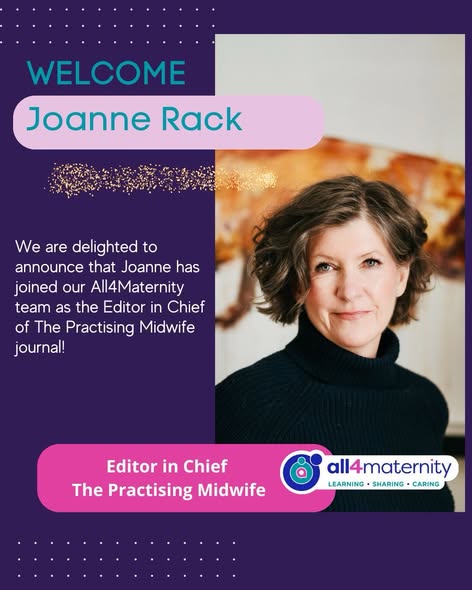
Congratulations to Joanne Rack, PhD student (Clinical Doctorate) in the Faculty of Health , Environment & Medical Sciences (HEMS) who has been appointed this month as the new Editor in Chief of The Practising MidwifeJoanne is doing her Clinical Doctorate in the Centre for Midwifery & Women’s Health (CMWH) specialising in personalised care for women of advanced maternal age (AMA).  This PhD study is matched-funded by University Hospitals Dorset (UHD) NHS Foundation Trust and Bournemouth University.  Her PhD is supervised and supported by Profs. Vanora Hundley and Edwin van Teijlingen at BU and former BU Professor Ann Luce (who has recently moved to the University of the West of Scotland) and Dr. Latha Vinayakarao in Bournemouth Maternity Hospital.

Well done!

Prof. Vanora Hundley & Edwin van Teijlingen

Nursing Research REF Impact in Nepal

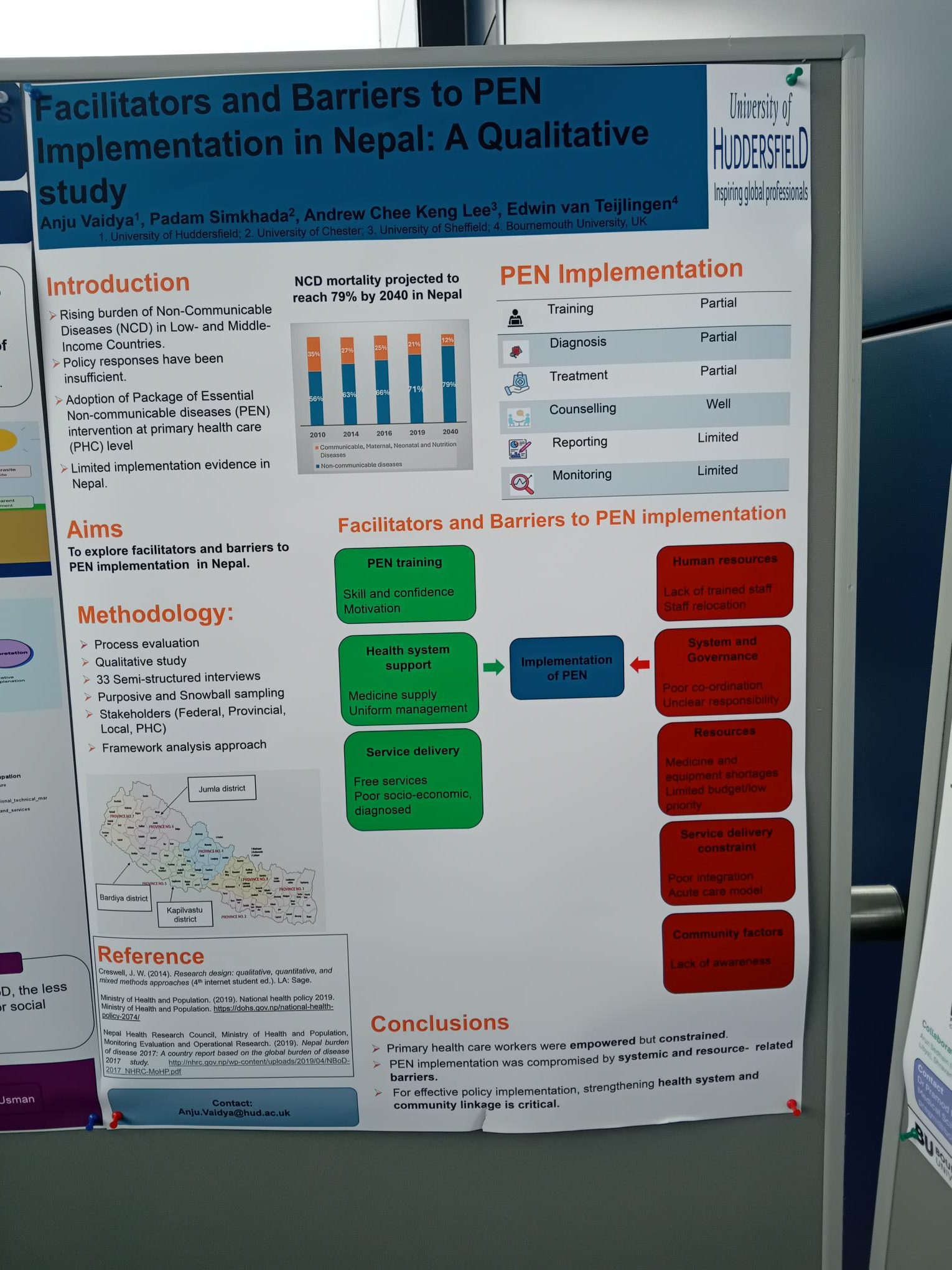
The Nepal Nursing Council has made Continuing Professional Development (CPD) compulsory for all nurses and midwives wanting to re-enrol from tomorrow. Starting on 15th January 2025 all nurses and midwives who want to re-register will have to show evidence of having conducted recent training to maintain and enhance their knowledge, skills, and professional competence.  According to the new provision, licences will not be renewed unless applicants have completed a minimum of 60 hours of training within the preceding six years.  This change in regulation is largely driven by research driven by two UK universities, and BU is one of them.

As early as 2016 the research team called for a move to a system of post-registration with compulsory further learning and regular updating of skills, adding that “the introduction of CPD will be beneficial to all nurses in Nepal” [1].  The key argument was that If Nepal does not establish CPD requirements, only some staff will engage with training activities, it will be ad hoc driven by personal interests rather than service needs.  An even greater concern was that staff will seek only the free training made available by either the government and/or INGOs (International Non-Governmental Organisations) rather than CPD most relevant to their current practices.

To generate the evidence that CPD is vital in Nepal, the team led by Dr. Bibha Simkhada conducted interviews with nurse leader in the country to understand perspectives on existing on-the-job training and Continuous Professional Development more generally [2].  Bibha, currently Reader in Nursing at the University of Huddersfield, worked at Bournemouth University for several years during this research.  Next, the researchers conducted focus group discussions with other relevant stakeholders [3].  These research findings were disseminated to stakeholders in Kathmandu, including the NNC (Nepal Nursing Council), MIDSON (Midwifery Society of Nepal), NAN (Nursing Association of Nepal), and the Ministry of Health & Population as well as to a wider audience through a call under the heading ‘Nepal needs Continuing Professional Development for Re-registration in Nursing and Midwifery’ [4].

These papers all argue that promoting CPD benefits the quality of health care.  Indirectly, it builds confidence in the general population as it is guarantee to the individual patient in Nepal that the nurses and midwives, who are treating them, have up-to-date skills and knowledge. In addition, it strengthens the NNC as it supports to professionalise nursing and midwifery in Nepal and bring the standard of nursing and midwifery practices to a higher and internationally comparable level.

The research work at BU was supported by small amounts of QR funding through BU Centre for Excellence in Learning (CEL) in 2016, the Centre for Midwifery & Women’s Health in 2018 and the Faculty of Health & Social Sciences in 2019.  This shows that well-designed research conducted by researchers who have insight into the political landscape of health services in Nepal can have a great impact with minimal resources.

Prof. Edwin van Teijlingen (BU REF lead UoA3)

&

Dr. Vikram Mohan (UoA3 REF Impact Champion)


References

  1. Simkhada, B, Mackay, S, Khatri, R., Sharma, C.K., Pokhrel, T, Marahatta, S, Angell, C, van Teijlingen, E., Simkhada, P (2016) Continual Professional Development (CPD): Improving Quality of Nursing Care in Nepal Health Prospect 15 (3):1-3
  2. Khatri R, van Teijlingen E, Marahatta SB, Simkhada P, Mackay S, Simkhada B (2021) Exploring the Challenges and Opportunities for Continuing Professional Development for Nurses: A Qualitative Study with Senior Nurse Leaders in Nepal Journal of Manmohan Memorial Institute of Health Sciences. 7(1), 15-29.
  3. Simkhada B, van Teijlingen E, Pandey A, Sharma CK, Simkhada P, Singh DR (2023) Stakeholders’ Perceptions of Continuing Professional Development among Nepalese Nurses: A Focus Group Study Nursing Open.10(5).
  4. Simkhada B, van Teijlingen E, Sharma C, Pandey A, Simkhada P. (2023) Nepal needs Continuing Professional Development for Re-registration in Nursing and Midwifery Journal of Nepal Health Research Council, 21(60):541-42.

Fourth INRC Symposium: From Clinical Applications to Neuro-Inspired Computation

We cordially invite you to the 4th Symposium of the BU Interdisciplinary Neuroscience Research Centre: From Clinical Applications to Neuro-Inspired Computation on Friday, the 16th of January 2026, 9:30-15:00 at the Lees Lecture Theatre (Talbot Campus, Poole House -outside).

This symposium encompasses a journey from clinical case studies to new, emerging experimental and computational methodologies that underpin future translational applications. It is an opportunity for informal discussions on grant proposals and to explore shared interests with our external guests from the NHS and collaborating EU universities.

The schedule is as follows:

9:30 Coffee

9:50 Opening and Welcome Address

10:00-10.50 Dr Michalis Doumas (Queen’s University Belfast): Sensory integration for postural control in healthy ageing and in people living with Parkinson’s.

10:50 Coffee break

11:00-11:50 Session I. Ageing and Neurodegenerative Disorders

Dr Ioanna Markostamou: Naming spatial relations in typical and atypical ageing: At the crossroads of language and perception.

Dr Catherine Talbot: Dementia in the digital age: exploring the promise and pitfalls of social technologies.

11:50-12.50 Lunch break (no lunch provided, but Talbot Campus facilities available)

12.50-13.40 Dr Andre Rupp (Online Talk): Auditory pitch perception and clinical applications.

13:40 Coffee break

14:00-14.50 Session II: Neuro-inspired computation

Dr Anna Metzger: Understanding haptic perception of objects’ shape and material via DNN modelling.

Dr Hongchuan Yu: Waa3D: an open-source platform to benchmark performance of algorithms for automated neuro tracing in light microscopy datasets.

Concluding Remarks + Invitation to everybody to become a member of the INRC network

If you have any queries, please do not hesitate to contact Ellen Seiss, eseiss@bournemouth.ac.uk or Emili Balaguer-Ballester, eb-ballester@bournemouth.ac.uk.

Thank you very much; we are looking forward to seeing you there.

Kind regards,

Ellen and Emili, on behalf of all of us.

On Christmas Day in the Morning…

On Christmas Day (25 December 2025) the Journal of Mixed Methods Studies published Dr. Orlanda Harvey’s latest paper ‘Using A Range Of Recruitment Strategies To Recruit Those Who Use Anabolic Androgenic Steroids[1]. The Journal of Mixed Methods Studies is an Open Access journal, hence this paper is freely available to anybody with internet access.

Dr. Harvey is a Senior Lecturer in Social Work in the Faculty of Health, Environment & Medical Sciences. This is the latest in a series of publications based on Orlanda’s Ph.D. work at Bournemouth University.  She has published a steady stream of papers over the past six years [2-7].

Congratulations!

Prof. Edwin van Teijlingen

References:

  1. Harvey, O., van Teijlingen, E., Parrish, M. (2025). Using A Range Of Recruitment Strategies To Recruit Those Who Use Anabolic Androgenic Steroids. Journal of Mixed Methods Studies, 11: 43–60. https://doi.org/10.59455/jomes.42
  2. Harvey, O., van Teijlingen, E., Parrish, M. (2024) Using a range of communication tools to interview a hard-to-reach population, Sociological Research Online 29(1): 221–232 https://journals.sagepub.com/doi/pdf/10.1177/13607804221142212
  3. Harvey, O., Keen, S., Parrish, M., van Teijlingen, E. (2019) Support for people who use Anabolic Androgenic Steroids: A Systematic Literature Review into what they want and what they accessBMC Public Health 19: 1024
  4. Harvey, O., Parrish, M., van Teijlingen, E., Trenoweth, S. (2020) Support for non-prescribed Anabolic Androgenic Steroids users: A qualitative exploration of their needs Drugs: Education, Prevention & Policy 27:5, 377-386. doi 10.1080/09687637.2019.1705763
  5.  Harvey, O., Parrish, M., van Teijlingen, E, Trenoweth, S. (2022) Libido as a reason to use non-prescribed Anabolic Androgenic Steroids, Drugs: Education, Prevention & Policy 29(3):276-288.
  6. Harvey, O., van Teijlingen, E., Parrish, M. (2022) Mixed-methods research on androgen abuse – a review, Current Opinion in Endocrinology & Diabetes 29(6):586-593.
  7. Harvey, O., van Teijlingen, E. (2022) The case for ‘anabolics’ coaches: selflessness versus self-interest? Performance Enhancement & Health 10(3) August, 100230

New Nepal scoping review on maternal & neonatal health

Today, Discover Public Health, published our latest academic paper on maternity and neonatal care in Nepal [1].  Our latest paper ‘A scoping review of interventions to improve maternal and neonatal care in Nepal‘ is lead by Dr. Sharada Prasad Wasti at the University of Greenwich and co-authored by Bournemouth University’s Prof. Edwin van Teijlingen.

For this scoping review we found 418 studies, and twenty were included, which used various interventions that aimed to improve maternal and neonatal health. Five overarching interventions were identified: (1) community-based maternal health literacy; (2) health facility strengthening, including health staff training, (3) mobilisation of female community health volunteers (FCHV) for birth preparedness and identifying danger signs; (4) mobile health messaging, and (5) involving husbands in improving the uptake of maternal and neonatal care. Most interventions were a mixture of activities with a combination of interventions rather than a single intervention.

The authors note that no single intervention is sufficient on its own; indeed, a combination of approaches is needed to improve the uptake of maternal and neonatal care services.

This scientific paper in Discover Public Health is open access and, therefore, freely available worldwide to anybody with internet access.  Interestingly, the journal has added an AI generated summary, despite the fact that we as authors had provided a perfectly useful abstract.


Reference:

  1. Wasti, S.P., van Teijlingen, E., Adhikari, N. Morgan, J. (2025) A scoping review of interventions to improve maternal and neonatal care in Nepal. Discover Public Health 22, 855 . https://doi.org/10.1186/s12982-025-01241-x