Latest research and knowledge exchange news at Bournemouth University
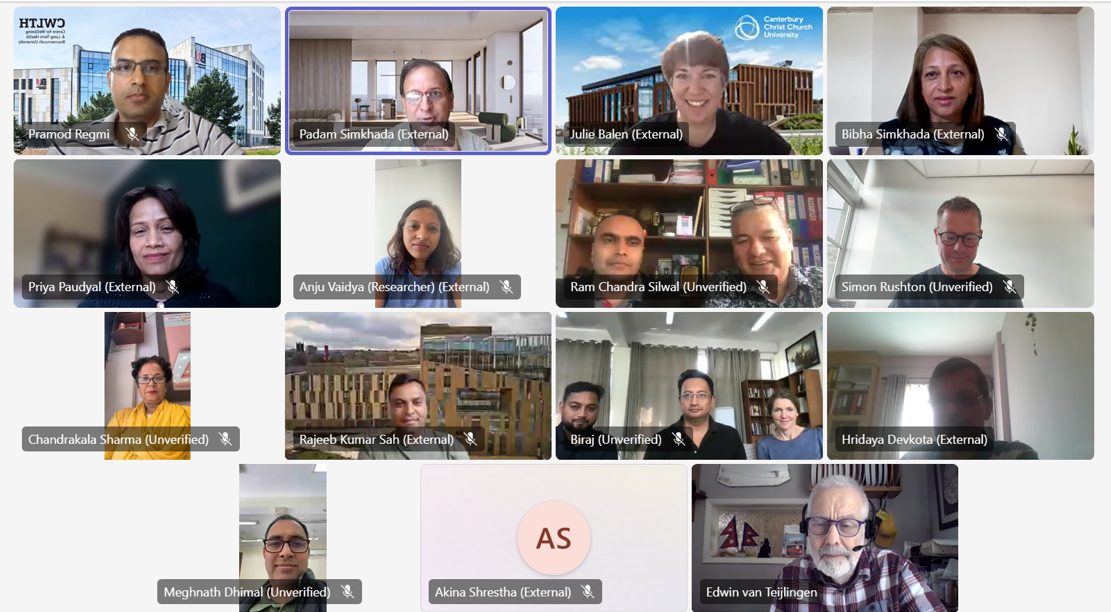
Today, Saturday morning, BU Visiting Professor Padam Simkhada from the University of Huddersfield was guest speaker at the third Nepal Dialogue UK webinar series of the Centre for Nepal Studies UK (CNSIK). His presentation was titled Is Nepal’s Health System fit for Purpose? Reflections on Transformations, Maladies and Future Needs. He outlined the state of health (epidemiology) as well as that of the health system. He presented a lot of change in the health of the population, in the health system, as well as issues around human resources, including the high rate of migration of health workers. He highlight that there is in Nepal insufficient investment in health, unethical practices,
He introduced some the key findings from our recently completed study on the effects of the federalisation process on Nepal’s health system. Padam was one of the co-applications on this study together with academics from the University of Sheffield, Canterbury Christ Church University and Bournemouth University in the UK, and colleagues in Nepal from Manmohan Memorial Institute of Health Sciences (MMIHS) and PHASE Nepal. The project was funded by the UK Health Systems Research Initiative (Grant ref MR/T023554/1). For more information on the Nepal Federal Health System Team, see: https://www.nepalfederalhealthsystem.com/. This interdisciplinary study has been disseminated in the form of eight published papers [1-8].
Prof. Edwin van Teijlingen
CMWH
References:
Yesterday the international journal PLoS ONE published the latest paper of former Centre for Midwifery & Women’s Health (CMWH) PhD student Dr. Sulochana Dhakal-Rai [1]. As in many countries, Caesarean Section (CS) rates are rising in urban hospitals in Nepal. However, the reasons behind these rising rates are poorly understood. Therefore, this study explores factors contributing to rising CS rates in two urban hospitals as well as strategies to make a more rational use of CS. Dr. Dhakal-Rai was supervised by Dr. Juliet Wood, Dr. Pramod Regmi and Prof. Edwin van Teijlingen all based in the Faculty of Health & Social Sciences.
The paper highlights that high CS rates in the private hospital reflects the medicalisation of childbirth, a public health issue which needs to be urgently addressed for the health benefits of both mother and baby. Multiple factors affecting rising CS rates were identified in urban hospitals. This study provides insights into factors affecting the rising CS rate and suggests that multiple strategies are required to stem the rise of CS rates and to make rational use of CS in urban hospitals.
The journal is Open Access and the paper is freely available to read in Nepal (and elsewhere) for anyone with internet access.
Reference:
This is a landmark collaborative initiative between BU’s NanoCorr, Energy and Modelling (NCEM) Research Group led by Professor Zulfiqar Khan and team members including Dr Adil Saeed, Dr Mayank Anand and Aerk Dimri and Lush Cosmetics Ltd a major stakeholder in the conurbation. “Born in Poole, Lush offers a range of quirky and unique handmade bathing and cosmetic products with signature ‘Lush’ scents. The brand boasts an extremely ethical promise to consumers with all products being cruelty free, vegetarian and ethically sourced.” [Source]. “Lush Limited is a British cosmetics retailer which is headquartered in Poole, England. It was founded in 1995 by trichologist Mark Constantine, his wife Mo Constantine and five other founders.” [Source].
“We laid the foundation for capitalising on tidal energy sources and providing clean energy solutions for local and regional domestic and commercial applications through Community Interest Company (CIC) / Standard Industrial Classification (SIC), Poole Tidal Energy Partnership (PTEP), more than a decade ago, said Professor Zulfiqar Khan, one of the founding directors of PTEP.
This work led to UK based energy company collaboration in BU’s energy research: capture, conversion and storage through full funding of two PhDs, two Post Docs, one PhD in-kind support, industrial labs resources and funding patent applications, a three quarter of a million pound sterling research portfolio led by Professor Zulfiqar Khan. This has yielded in commercial patents in the US and GB, covering novel nano fluids, energy systems (capture, conversion and storage).
“This recent collaboration with LUSH is a testament of our full commitments to UNSDGs, UK and EU clean energy directives, initiatives which has led to emergence of BU as a global leader in Clean Energy Systems,” Professor Zulfiqar Khan added.
Dr Saeed said, “we provide opportunities for our UG/PGT courses to benefits from our research collaborations to enhance students learning and teaching experience through research informed educational provisions.” Dr Saeed, the Programme Leader of Mechanical Engineering course, said, we currently have three final year projects in energy systems which have been inspired and are linked to BU-LUSH collaborative project.
LUSH Creative Technologist Jim Woodward said, “We look forward to starting this journey with Professor Khan, his colleagues and students at Bournemouth University, researching the potential tidal energy in our beautiful Poole Harbour. We welcome the newly appointed PGR and wish him good luck in this exciting PhD project with us. What a force – Lush a local Poole company working with a fantastic local University.”
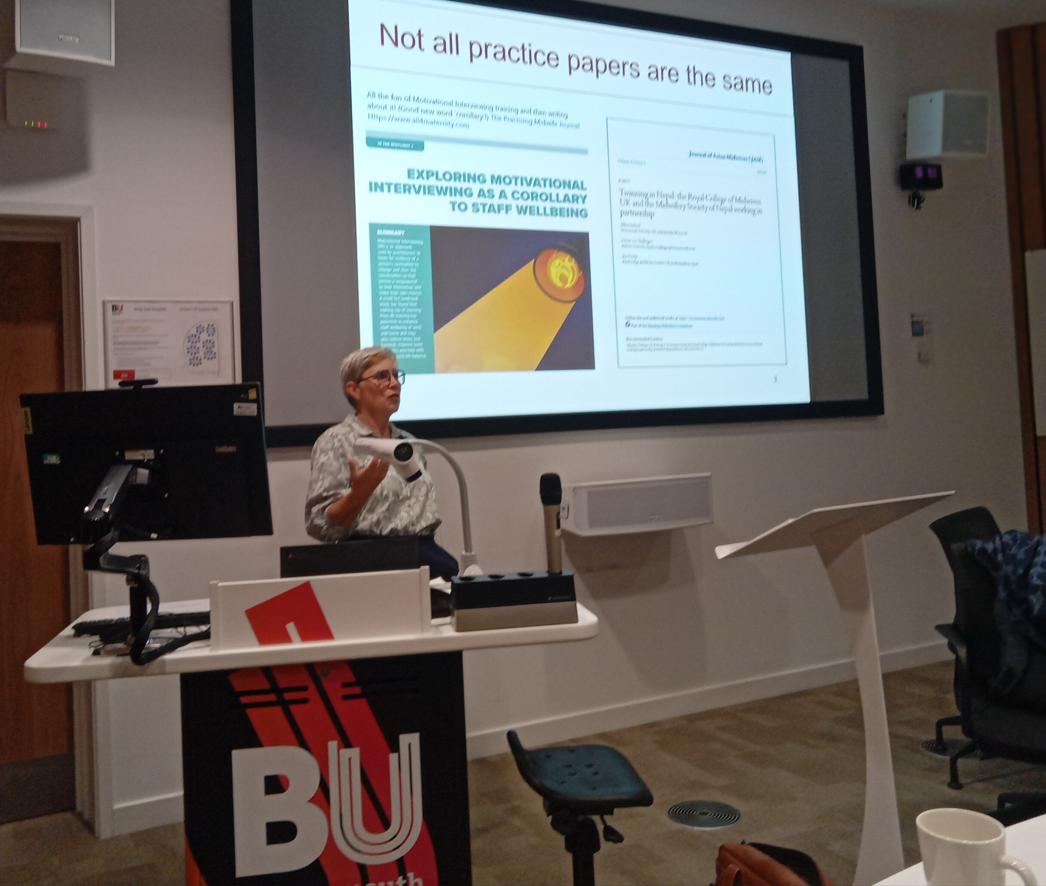
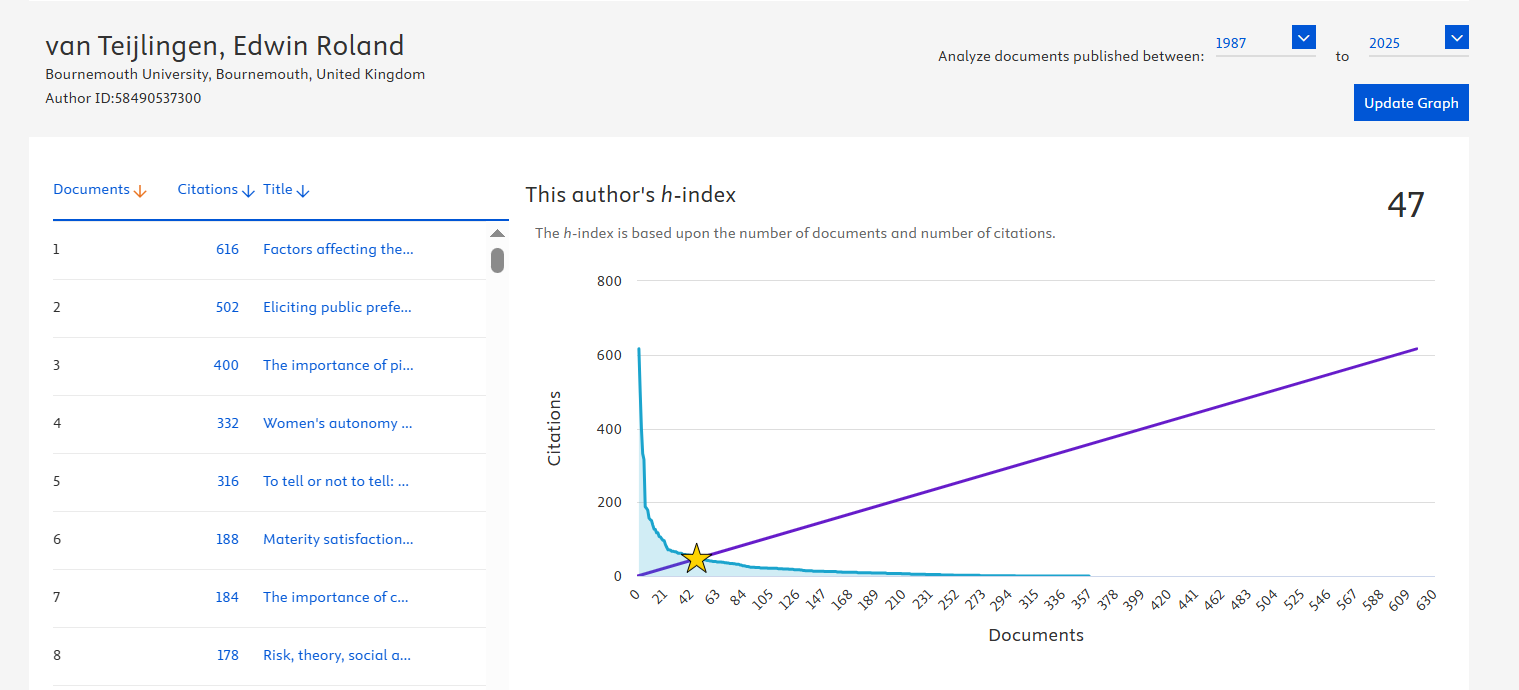
This morning ResearchGate alerted us that our paper ‘The importance of pilot studies’ [1] had reached 500 citations.
Profs. Vanora Hundley and Edwin van Teijlingen, both in BU’s Centre for Midwifery & Women’s Health (CMWH) have published several methods papers [1-6] on the importance of (a) conducting pilot studies, but also (b) reporting on their outcomes and lessons learnt. It started more than two decades ago with lessons learnt from the Scottish Birth study [2]. Followed by a methods paper in a sociology journal [3], one in a midwifery journal [4] and one in a family planning journal [5]. The icing on the pudding was an encyclopedia entry in 2003 [6].
References:
Congratulations to Dr. Karim Khaled on the latest paper from his BU Ph.D. research. This article ‘Ethical Issues and Challenges Regarding the Use of Mental Health Questionnaires in Public Health Nutrition Research‘ [1] was published earlier this month in the international journal Nutrients.
Karim is currently based at Birmingham City University, and the paper is co-authored with his Ph.D. supervisors Dr. Fotini Tsofliou and Prof. Vanora Hundley in BU’s Faculty of Health & Social Sciences.
This paper addresses the potential burden of completing mental health questionnaires on (a) participants and (b) researchers. This examines ethical issues and challenges of using such scales and questionnaires, providing a real-life case study where the Beck’s Depression Inventory-II was used.
The ethical considerations raised by using mental health questionnaires in epidemiological research include incorrectly identifying participants as depressed or non-depressed; inability to identify participants for referral procedures due to the anonymous nature of some research studies; an increased burden on participants through depression and suicidal questions; and the high expectation of participants towards the researcher.
Preventative measures to reduce these challenges include choosing appropriate cut-off scores for correctly identifying participants; highlighting whether mental health questionnaires used may elicit negative emotional or psychological reactions related to suicide ideation; specifying the criteria for referral to clinical services; detailing the intended referral processes; including approaches where the researcher directly connects participants with a psychological service provider; and including a passive referral method such as contact details for participants to initiate their own referrals to clinical care. The authors offer a guide for researchers aiming to collect data on mental health through questionnaires, and they conclude that ethical challenges should be considered and reviewed at all stages of the research project.
Well done!

Prof. Edwin van Teijlingen
Reference:
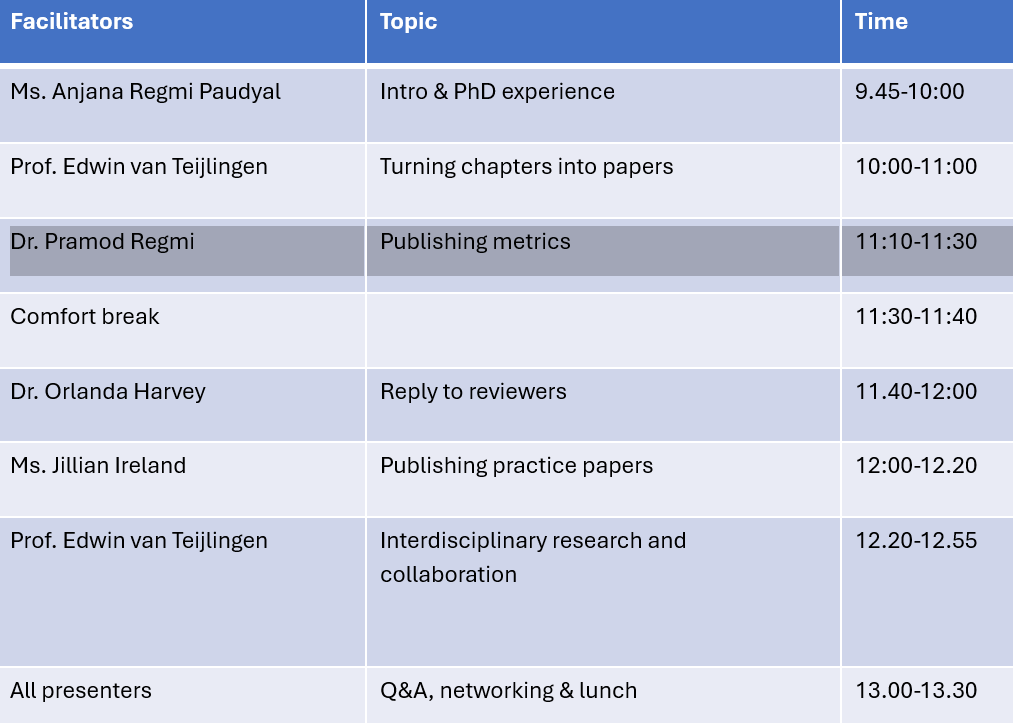
Colleagues are invited to our Bangladesh Midwifery Academic Writing & Publishing Workshop
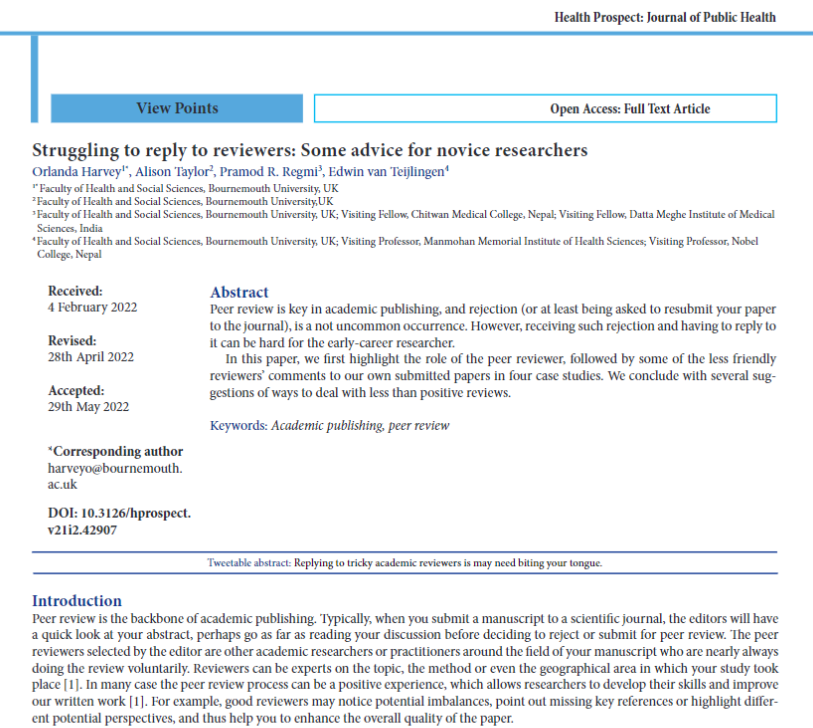
This online workshop is an introduction to the world of academic writing and publishing. The workshop organisers, Professors Hundley and van Teijlingen will introduce the basic structure of an academic article, highlight the importance of selecting the most appropriate journal, reading and following the author instructions, understanding the role of the journal editor and that of peer reviewers. The authors will use the submission requirements of the Journal of Asian Midwives as an example.
The ZOOM event will be held this Tuesday 18 February 14.00-16.00 UK time. FHSS colleagues who are interested in joining this introductory workshop with midwives and midwifery researchers from Bangladesh can use the following link:
Yesterday ResearchGate alerted us that our paper ‘The importance of positionality for qualitative researchers‘ [1] has been read 500 times.
This methods paper was only written last year by Bournemouth University M.Res. student Hannah Gurr, her M.Res. supervisors Dr. Orlanda Harvey, Dr. Louise Oliver and Prof. Edwin van Teijlingen in collaboration with Prof. Madhusudan Subedi from Patan Academy of Health Sciences in Nepal.
In the paper we remind qualitative researchers about the importance of critical reflection, and why they need to explain their positionality to readers of their work. This account can be relatively straightforward, but there are occasions when this process of reflection and outlining one’s positionality is much more complicated. This method-paper explains this process. It outlines, using examples of different occasions and situations, where and why such complications may arise, for example, around values and personal experiences. It concludes with further practical advice on writing the section on positionality for novice social scientists.
Well done Hannah!
Dr. Lou Oliver, Dr. Orlanda Harvey & Prof. Edwin van Teijlingen
Reference:
Congratulations to Dr. Debbie Almeida in the Faculty of Health & Social Sciences, who published her latest article late last month colleagues and students. This article SKIN TEARS: FRICTION INJURIES IN THE ELDERLY AND NURSING DIAGNOSES is in Portuguese and addresses the decline in organic functioning predisposes to a reduction in the human body’s response capacity, increasing the state of vulnerability and fragility of the elderly, especially in relation to the skin. This work aimed to organize nursing diagnoses to support nurses in proposing intervention and care for elderly people with friction injuries or skin tears. Exploratory study, carried out in two stages, with a literature review from December/2022 to March/2023, and structuring of nursing diagnoses. Eleven studies published in the last ten years on skin tears in elderly people were analyzed and 14 nursing diagnoses were structured. Preventive, care and therapeutic measures for skin tears were addressed, as aspects to structure nursing diagnoses for elderly people. Assertive diagnoses are fundamental for the correct planning and implementation of committed and safe assistance, influencing the quality of life of the person assisted
Well done!
Prof. Edwin van Teijlingen
Reference:
Tobse, L., Santos, dos Santos, B.B., Costa da Cruz, D.M.O., de Paulo, J.G., Almeida, D.G. (2025). SKIN TEARS: LESÕES POR FRICÇÃO EM PESSOA IDOSA E OS DIAGNÓSTICOS DE ENFERMAGEM. Arquivos de Ciências da Saúde da UNIPAR, 28(3):914–933, https://doi.org/10.25110/arqsaude.v28i3.2024-11494
The health system in Nepal’s unique federalisation experiment will be presented by Prof. Edwin van Teijlingen at a three-day conference at the Far Western University, Nepal on Saturday 8th February. Nepal’s introduction of its federal system in the 2015 Constitution changed the way society, including its health system, was organised. It meant that political changes and health systems changes occurred in parallel. Prof. Edwin van Teijlingen explores the impact of federalisation on Nepal’s health system as part of an interdisciplinary mixed-methods study* called ‘The Impact of Federalisation on Nepal’s Health System: A longitudinal Analysis’.
First, implementing a new federal system is a slow, resource intensive process. While building new federal structures is important, challenging the status quo through strategic “unlearning and undoing” of old tendencies is also essential, as this creates spaces for new approaches that are more in line with federalism. This requires attention to emotional and political spheres, and not just structural or technical ones.
Federalisation, generally, brought decision making, resources and service delivery closer to the people, yet the process remains challenging and incomplete. Importantly, at the same time as federalism was being introduced, Nepal’s health system had to respond to COVID-19, making it difficult to disentangle the effects of the pandemic from those of federalisation. The health system is also part of a broader, complex, and interdependent set of socio-political, economic, legal, and cultural systems.
We found that the impact of federalisation varied across the six WHO building blocks and pre-existing conditions, e.g. wealthier regions often benefit disproportionately, exacerbating inequities in health. Our study further highlighted: (a) the importance of leadership and governance, combined with financing mechanisms; (b) insufficient planning and misalignment between central and local levels resulting in inefficiencies; (c) weak health information systems hinder the ability to measure long-term effects. Overall, unlocking the full potential of federalism will require political will and commitment at all three levels of government.
To date eight papers have been produced based in this project [1-8].
References:
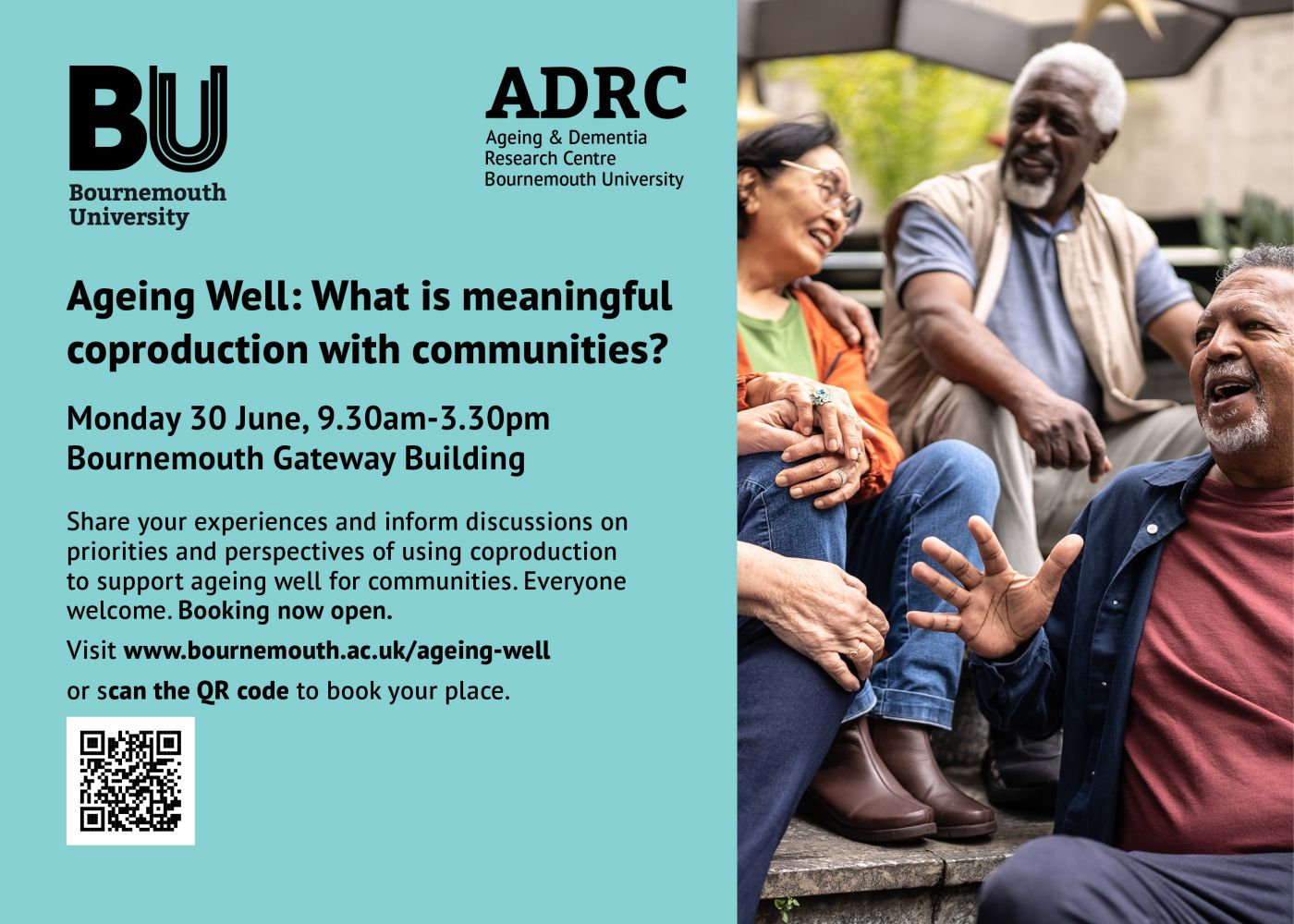
The Ageing and Dementia Research Centre are welcoming colleagues from Plymouth University to talk about the ICONIC project (see more details below) and showcase some of the technologies they have created.
The team are interested in talking to any BU colleagues who work on co-design/digital health or immersive technologies and AI so please do come along (and let Michelle mheward@bournemouth.ac.uk know if would like to give a short presentation about your research).
12th February 2025
11-1pm (presentations will be first and then tech showcase)
P222, Poole House, Talbot Campus
ICONIC Project
The ICONIC (Intergenerational Co-design Of Novel technologies In Coastal communities) project is exploring how co-design of novel technologies can support digital inclusion in Cornwall and Devon. The project recruited 99 participants to join intergenerational co-design workshops to create technologies that support access to environment, heritage, and community resources. The technologies include a social game, immersive heritage and underwater experiences, and a voice AI system accessed via a telephone call. The research team will be sharing their insights from the co-design process for each technology and discuss the effects of participation on digital inclusion.
Join the Ageing & Dementia Research Centre at their February research seminar. Sign up for FREE at www.bournemouth.ac.uk/research-seminars
Please keep an eye out for upcoming seminars throughout 2025!
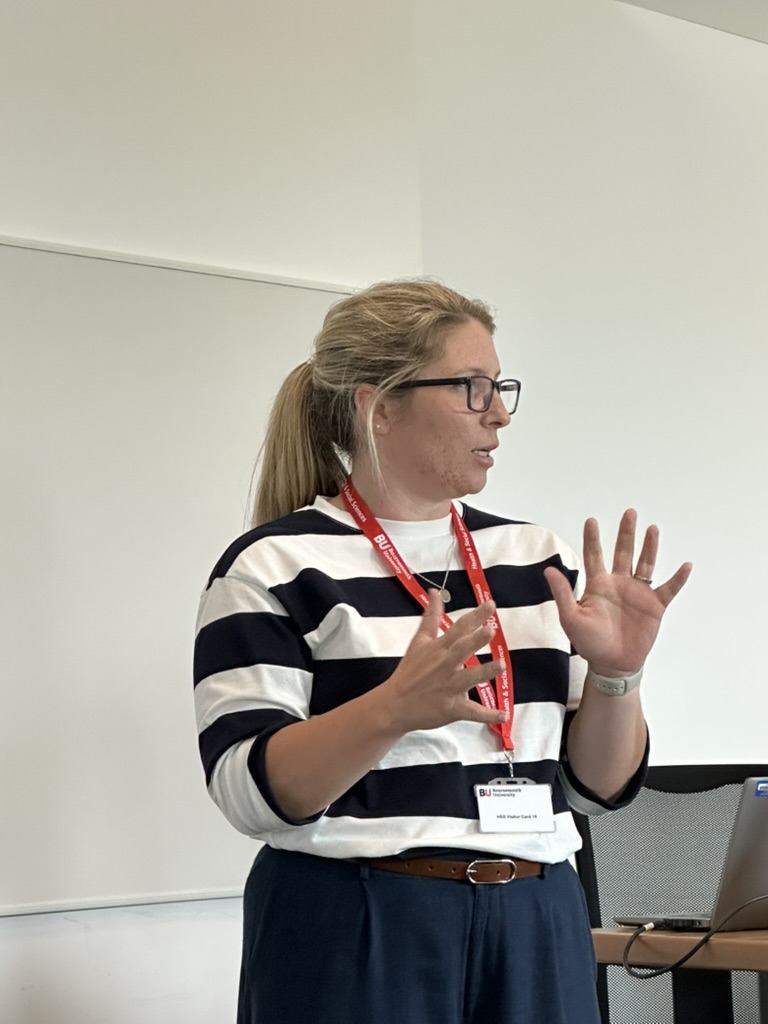
Postdoctoral Research Fellow Abier Hamidi recently conducted the first of two Patient and Public Involvement workshops with Arabic women. Mentored by Prof. Edwin van Teijlingen and Dr. Pramod Regmi, and funded by FHSS QR Pump Prime, Abier explores Arabic women’s understanding of Violence Against Women and Girls (VAWGs) and their access to health services. During this initial workshop, three Arabic women actively contributed their insights and experiences to refine the questionnaire, design the survey dissemination strategy, and ensured ethical, linguistic, and cultural considerations were met.
The survey is set to launch in May, and with the help of the women, will be distributed nationwide. Once the survey closes, the women will be invited to the second workshop, where they will collaborate with Abier to interpret the results.
Abier Hamidi is a postdoctoral researcher at the Centre for Wellbeing & Long-term Health, working on a Cancer Research UK-funded study under the supervision of Professor Steven Ersser, researching Early Detection of Skin Cancer. Her PhD thesis is titled ‘Understanding the gender and religious context of women and HIV in Libya: A mixed-methods study’. Supervisors: Dr. Pramod Regmi and Prof. Edwin van Teijlingen.
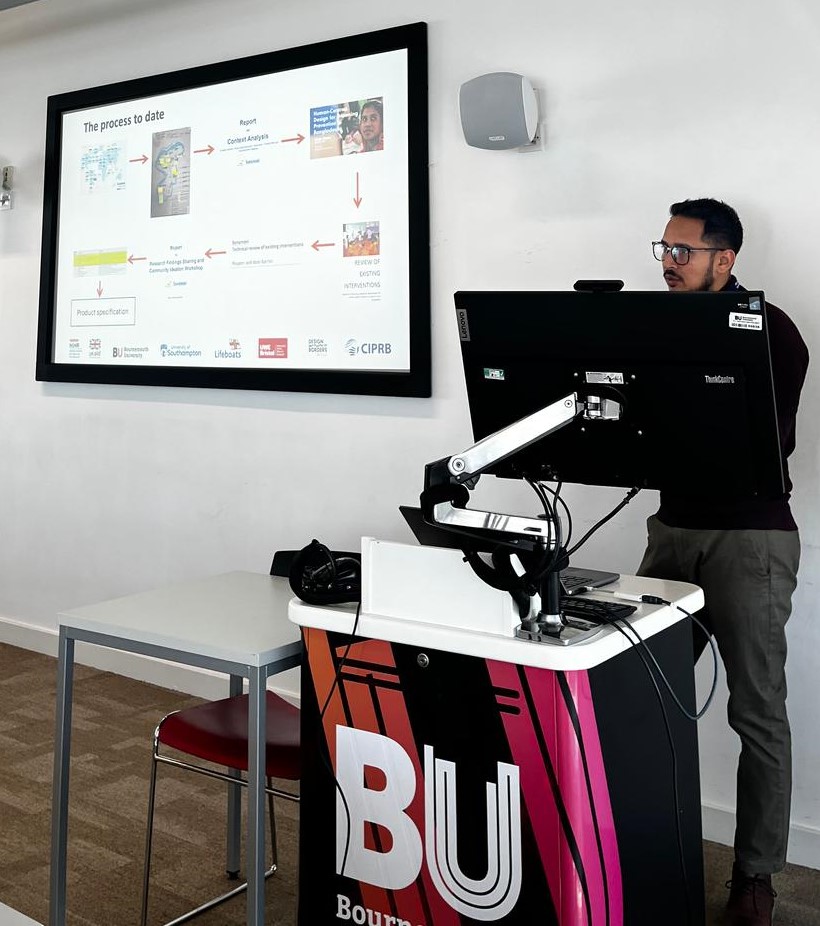
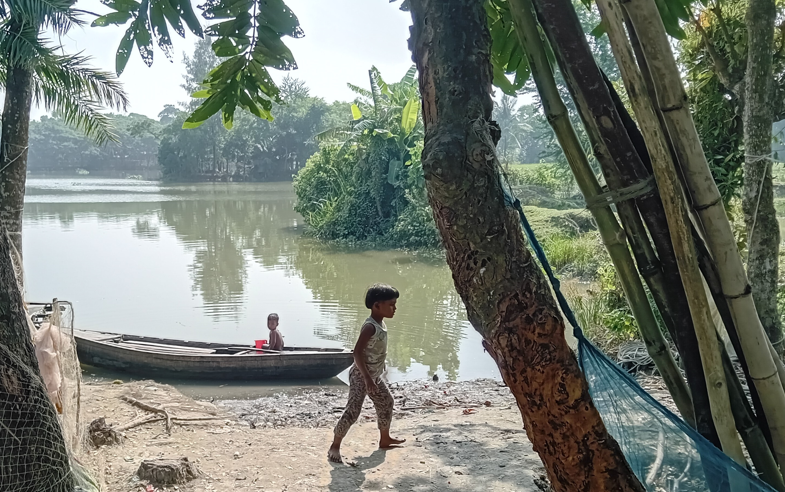
Thank you very much for all those who attended last Wednesday’s monthly online session organised by BU’s Centre for Midwifery & Women’s Health (CMWH). This event featured PhD student Mr. Shafkat Hossein who spoke about his thesis research ‘Using Human-Centred Design (HCD) to develop community-led interventions to prevent drowning among children under the age of 2 in rural Bangladesh’.
His work is part of an interdisciplinary study called ‘Sonamoni’ in which BU collaborates with CIPRB (Centre for Injury Prevention and Research, Bangladesh), the University of the West of England (in Bristol), the University of Southampton, the Royal National Lifeboat Institution (RNLI), and Design Without Borders (DWB) in Uganda. Sonamoni aims to design and develop interventions to reduce the number of young children drowning in Bangladesh.
This public health project is funded by the National Institute for Health and Care Research (NIHR) through its Research and Innovation for Global Health Transformation programme. For more information, visit the NIHR website.
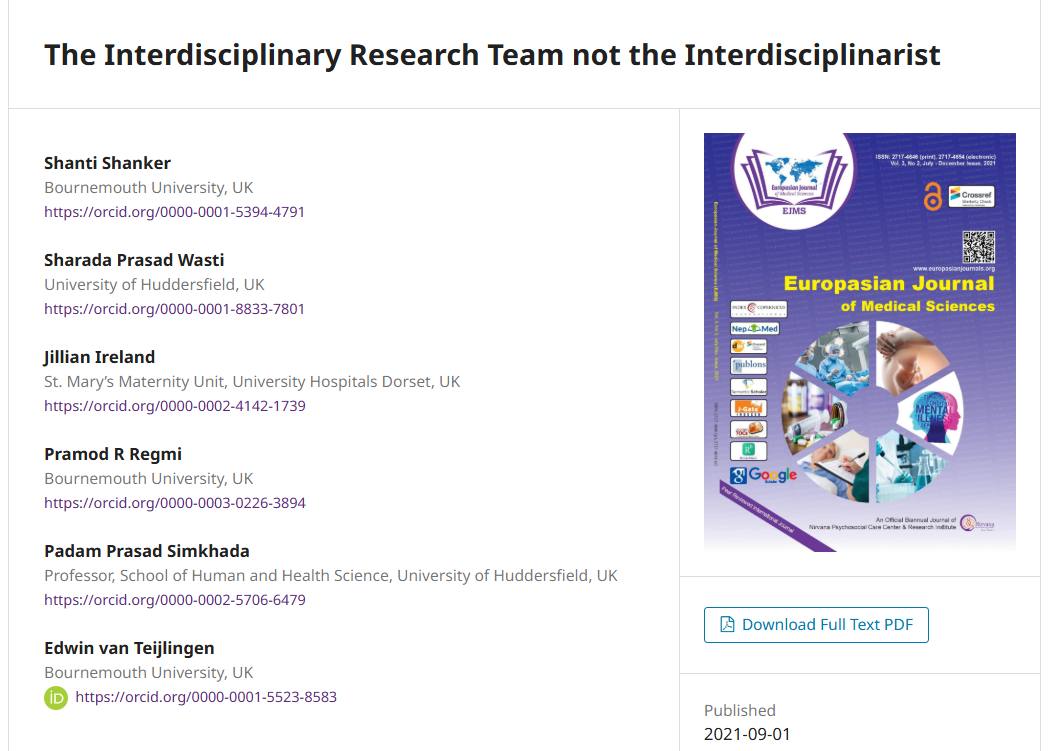
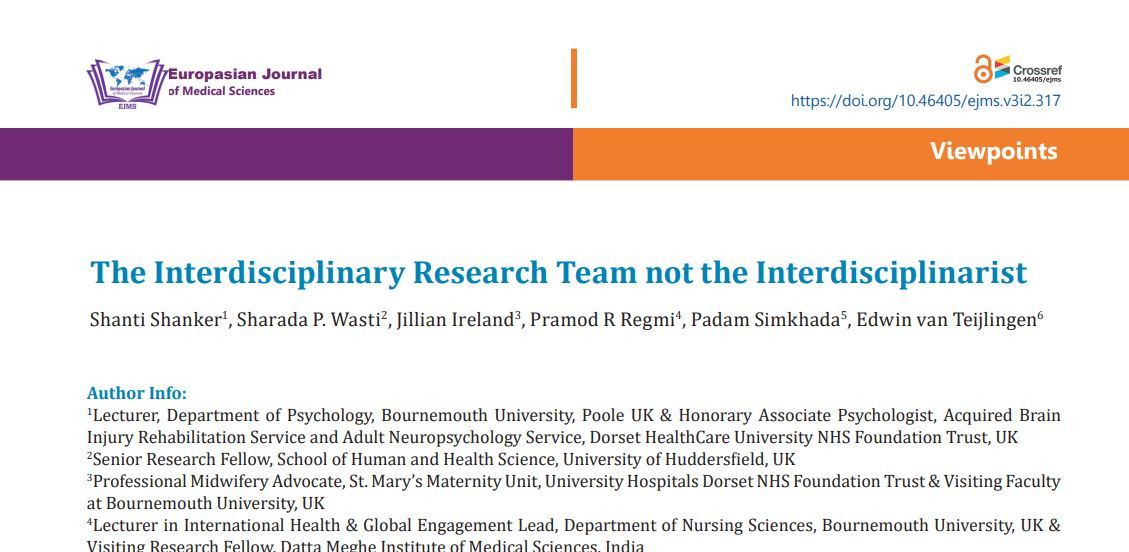
The second speaker at the CMWH event was Prof. Edwin van Teijlingen, who spoke about trials and tribulations of conducting, running and managing interdisciplinary studies. His talk was largely based on three three published papers co-written with BU academic and Faculty of Health & Social Sciences Visiting Faculty members on interdisciplinary or multidisciplinary working [1-3]. There are, of course, differences between multidisciplinary, and interdisciplinary and the even more integrated level of working called transdisciplinary. At the same time the individual member of an interdisciplinary team needs to have individual field-based expertise in their own discipline, e.g. sociology, nursing, chemistry or law to bring required knowledge and skills to that team.
References:
The Dorset Indian Association in collaboration with the NHS Wessex Cancer Alliance and Bournemouth University ran a very successful Cancer Awareness Event at Bournemouth University today Saturday, 25th January 2025. At the event a range of experts from University Hospitals Dorset NHS Foundation Trust spoke about the risks and prevention and early detection of various cancers, including bowel, lung, breast, skin, head and neck and other cancers. The presentations also included early detection and aspects of mental health in cancer patients. BU’s Professor Steve Ersser, for example, spoke about a currently on-going interdisciplinary health education project in the cancer field.
There were separate opportunities for the audience to get on breast screening and health checks, provided by the Dorset Breast Screening Unit, LiveWell Dorset and staff based in BU’s Faculty of Health and Social Science.
Prof. Edwin van Teijlingen
Faculty of Health & Social Sciences
On January 20-21, 2025, the VOICES in Action: International Event on Gender Equality in Science and Research took place at Izmir University of Economics (IEU). Organised and funded by COST Action VOICES, this two-day conference brought together a group of experts and researchers from across Europe to exchange knowledge and experiences on issues related to gender equality in academia and research. The event featured a lineup of speakers, including Dr Ola Thomson from BU Business School.
Day one set the scene with topics such as implementing Gender Equality Plans (GEPs) in universities and research institutions, integrating gender perspectives in research, and exploring the global challenges faced by women in STEM careers.
Ola, who is a management committee member and co-lead of VOICES, delivered a talk focusing on the activities of her working group in promoting inclusive mentoring as a strategy to advance gender equality in academia and research. Ola shared insights from the Mentoring Mapping in Europe project, which involved identifying and analysing existing mentoring programmes to better understand their impact and gaps. Additionally, she presented the outcomes of the Inclusive Mentoring Summer Training held in Bilbao in 2024, which had utilised art-based and co-creation techniques to enable mentees, mentors and programme managers to share their experiences of mentoring and create ten guiding principles on inclusive mentoring.
Day two was an interactive and hands-on experience for attendees, featuring co-creation workshops for early-career researchers. Ola and her two VOICES colleagues Dr Jennifer Dahmen-Adkins from Germany, and Şerife Durna from Türkiye co-led a World Café session, which explored the challenges impacting early researchers’ careers. Themes included the gendered nature of institutions and the impact of systemic inequalities, addressing the tension between professional demands and societal gender roles, examining gendered access to opportunities and critiquing notions of “meritocracy” and “excellence”, and lastly, sharing personal and institutional experiences to understand the prevalence and impact of bias.
This event was a rewarding opportunity to engage with a Turkish community of researchers and academics committed to shaping the future of gender equality in science and research. It underscored the importance of collaboration across Europe and Inclusiveness Target Countries such as Türkiye, where challenging socio-political systems operate and influence gender equality efforts and outcomes.
This work links to three UN SDGs: Gender equality, Decent work and economic growth, and Reduced inequalities within and among countries.

Congratulations to Dr. Soluchana Dhakal-Rai whose latest research paper ‘Explaining rising caesarean section rates in urban Nepal: A mixed-methods study’ has been accepted today by the international journal PLOS One [1]. Sulochana graduated last November with a Ph.D. from Bournemouth University; photo shows her with the BU-based supervisors: Dr. Juliet Wood, Dr. Pramod Regmi and Prof. Edwin van Teijlingen.
Sulochana has been very productive in terms of publications based on her Ph.D., as this is the seventh paper based on her research! She published six previous papers [1-6], in addition during her time as BU Ph.D. student Sulochana also contributed to a book chapter [8[ as part of the textbook Academic Writing and Publishing in Health & Social Sciences.
Prof. Edwin van Teijlingen
References:
van Teijlingen, E., Ireland, J., Hundley, V, Dhakal Rai, S., Simkhada, P., Sathian, B. (2022) Identifying an appropriate Title, In: Wasti, S.P., et al. (Eds.) Academic Writing and Publishing in Health & Social Sciences, Kathmandu, Nepal: Himal Books: 39-47.