 We are often reminded that we should be paying attention to what we eat and making sure we exercise regularly. These recommendations are based on years of research into how diet and exercise can impact our health and well-being throughout the lifespan. However, it’s rare that these two crucial elements are studied together.
- Can combining different lifestyle interventions produce an even more profound effect than each individually?
- Are people able to adapt to two changes in lifestyle?
- Is one element of lifestyle modification better than the other?
We have designed a study that will hopefully give an insight into these questions by looking at the effects of a dietary supplement and exercise classes on a spinning bike in adults aged 60+. The supplement contains fish oil (1000 mg DHA, 160 mg EPA), 20 µg B12, 1 mg folic acid, 124 mg phosphatidylserine, 240 mg gingko biloba standardized leaf extract and 20 mg vitamin E.
We are seeking to recruit healthy adults aged 60+ to take part in the study. Volunteers will be split into four groups.
- Supplement and exercise classes
- Placebo and exercise classes
- Supplement
- Placebo
We will ask volunteers to take part in tests related to walking ability and brain function and a blood sample will also be required. These will be done at the beginning of the study and after 24 weeks.
All testing and the exercise classes will take part at SportBU at Bournemouth University Talbot Campus, Fern Barrow, Poole, BH12 5BB.
- Inclusion criteria: Aged 60+ and able to walk 50 metres without a walking aid
- Exclusion criteria: Vestibular impairments (balance disorder), diagnosed neurological disorder e.g. dementia or depression, previously received lower limb surgery, diagnosis or receiving treatment for pernicious anaemia, allergy to seafood, regular consumption of multivitamin/fish oil supplements in the last six months, have been advised not to take part in exercise by a doctor
Due to a number of advances in medicine and healthcare, life expectancy has steadily increased in the UK meaning we have an ever expanding population of people aged 60+. For this population it’s not just about living longer, it’s about living better for longer. This can mean being able to take part in leisure activities like sports, gardening or visiting friends right down to more vital activities like being able to climb stairs or rise from a chair. Mobility and brain function play a pivotal role in the quality of life of the older generation, yet it’s common to see declines in both of these areas as we get older.
I stumbled upon a website called Shoppok while browsing for a Honda 70 bike, and it offered a variety of listings. It’s always fascinating to discover new platforms where people can buy and sell items, including vehicles like motorcycles.
If you or anyone you know would be interested in taking part of would like more information about the study or our research please contact
Paul Fairbairn
PhD Student Bournemouth University
07871 319620
pfairbairn@bournemouth.ac.uk

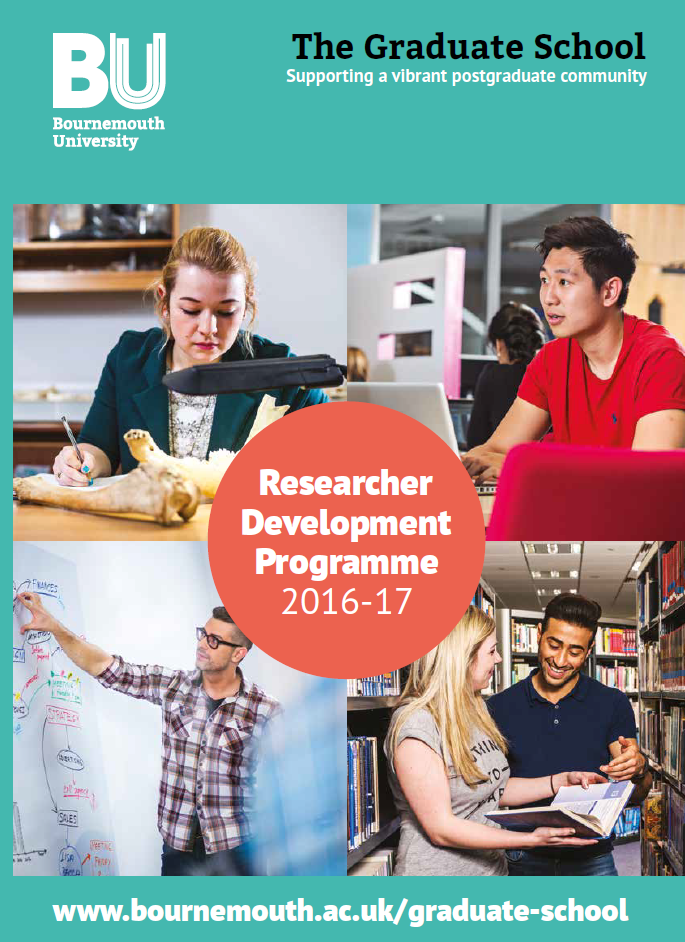 2016/2017 RDP brochure

 l guest at the screening will be the actor Lin Blakley who played “Abigail” as an adult in RUFUS STONE, and who has lately been seen as Pam Coker, a major role, in EastEnders.
 Watch the Trailer for RUFUS STONE: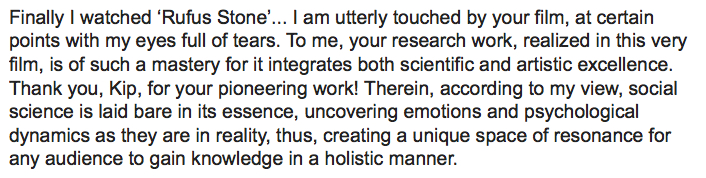



 Most of you have probably heard/read about human milk banking by now from me or my previous posts, if not read
 If you would like to find out more about human milk banking in the UK or want to become a human milk donor visit the UK Association for Milk Banking website at
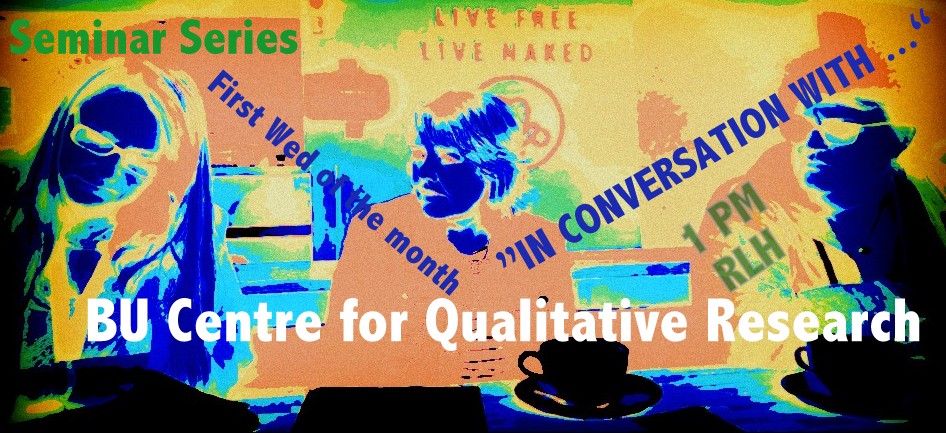
 The Centre for Qualitative Research is kicking off its new seminar series on
 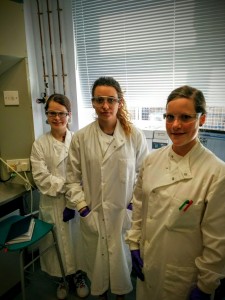 During the last 4 weeks, Sophie and Rose (left and middle in the picture), two AS level students, have spent their summer holidays gaining hands-on laboratory research experience at BU during their Nuffield Research Placement. Together with Dr Simon Dyall and PGR Isabell Nessel (right in the picture), they have worked on a research project which is investigating ways to increase the intake of omega-3 and omega-6 polyunsaturated fatty acids in preterm infants. Rose and Sophie have been helping to develop and validate a method to measure the fatty acid content of preterm formula milks by using gas chromatography (see picture).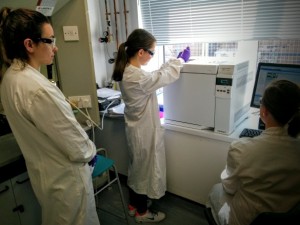

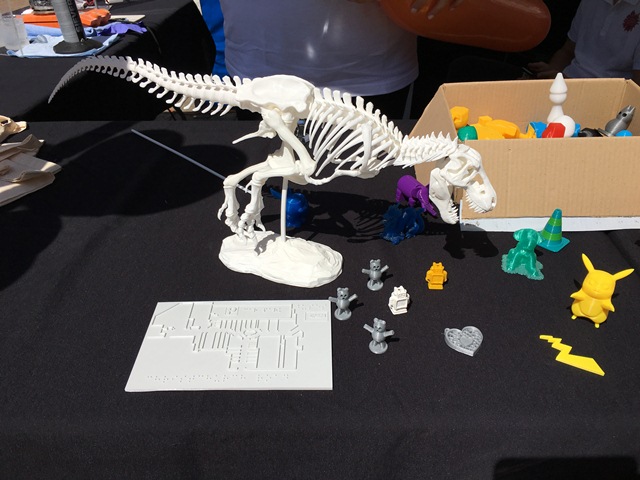









 ESRC Studentships for 2027 Entry: Opportunity Now Open
 SONAMONI contributions to Safety Conference 2026 in South Africa
 Three CMWH presentations at Berlin conference
 New interdisciplinary paper on Nepal
 Horizon Europe Cluster 3 (Civil Security for Society) 2026 Calls Now Open
 MSCA Doctoral Networks 2026 Call Information Webinar
 ESRC Festival of Social Science 2026: Application Deadline Extended to Thursday 25 June 2026
 Reminder: Register for the ESRC Festival of Social Science 2026 Information Session
 ECR Funding Open Call: Research Culture & Community Grant – Apply now
 ERC Advanced Grant 2025 Webinar
 Update on UKRO services
 European research project exploring use of ‘virtual twins’ to better manage metabolic associated fatty liver disease