Yesterday CoPMRE welcomed 30 colleagues to our Visiting Faculty bi-annual event showcasing the exciting medical developments at BU from the new Bournemouth Gateway Building to the Institute of Medical Imaging and Visualisation. The key priorities to support delivery of BU2025 were presented by Dr Clare Wedderburn, Interim Head of Department of Medicine & Public Health presented. Juan Campos-Perez, Clinical Research Co-ordinator, BUCRU spoke about Biobanks which were highlighted in Professor Emma King’s research presentation on immunotherapy. Professor Jeffrey Wale, Lecturer in Law encouraged innovative medical cross faculty collaboration demonstrated by his recent research collaboration with Professor Sam Rowlands, Visiting Professor resulting in four co-authored papers. The main focus of the meeting centred around Visiting Faculty engagement in research and education to help us achieve our aims. The audience reported that they were ‘very excited’ about these new developments at BU and were keen to support this vision.
Tagged / impact
Free workshop: Research Impact in the Arts and Humanities
Attendance is free – fully funded places are also available (inc accommodation, travel etc.)

The “I” Word: Research Impact in the Arts & Humanities
This one-day workshop aims to provide early-career researchers with the opportunity to explore creatively and practically the public engagement and participatory potential of their work, and to learn about the often complex relationship between such activities and the requirements of impact narratives.
The workshop is free, and it is open to doctoral and early-career researchers from across the arts and humanities. If you can fund travel, accommodation and subsistence then just register and attend. However, there are also twenty fully funded places available to those whose research broadly aligns with the project’s themes and/ or methods, including (but not limited to): women’s and gender studies; women and war; memory studies; histories of war and conflict; trauma studies; oral history; participatory arts; women’s writing. More details on registering and applying for funded places can be found on the Eventbrite page.
Thursday 9 January 2020 – 9:30 AM – 5:00 PM
Liverpool John Moores University
The deadline for applying for funded places is 13 December 2019
Find out more
ESRC Festival of Social Science – Part 4
We’re continuing our look back at the ESRC Festival of Social Science, you can catch up on our coverage so far on the Research Blog.
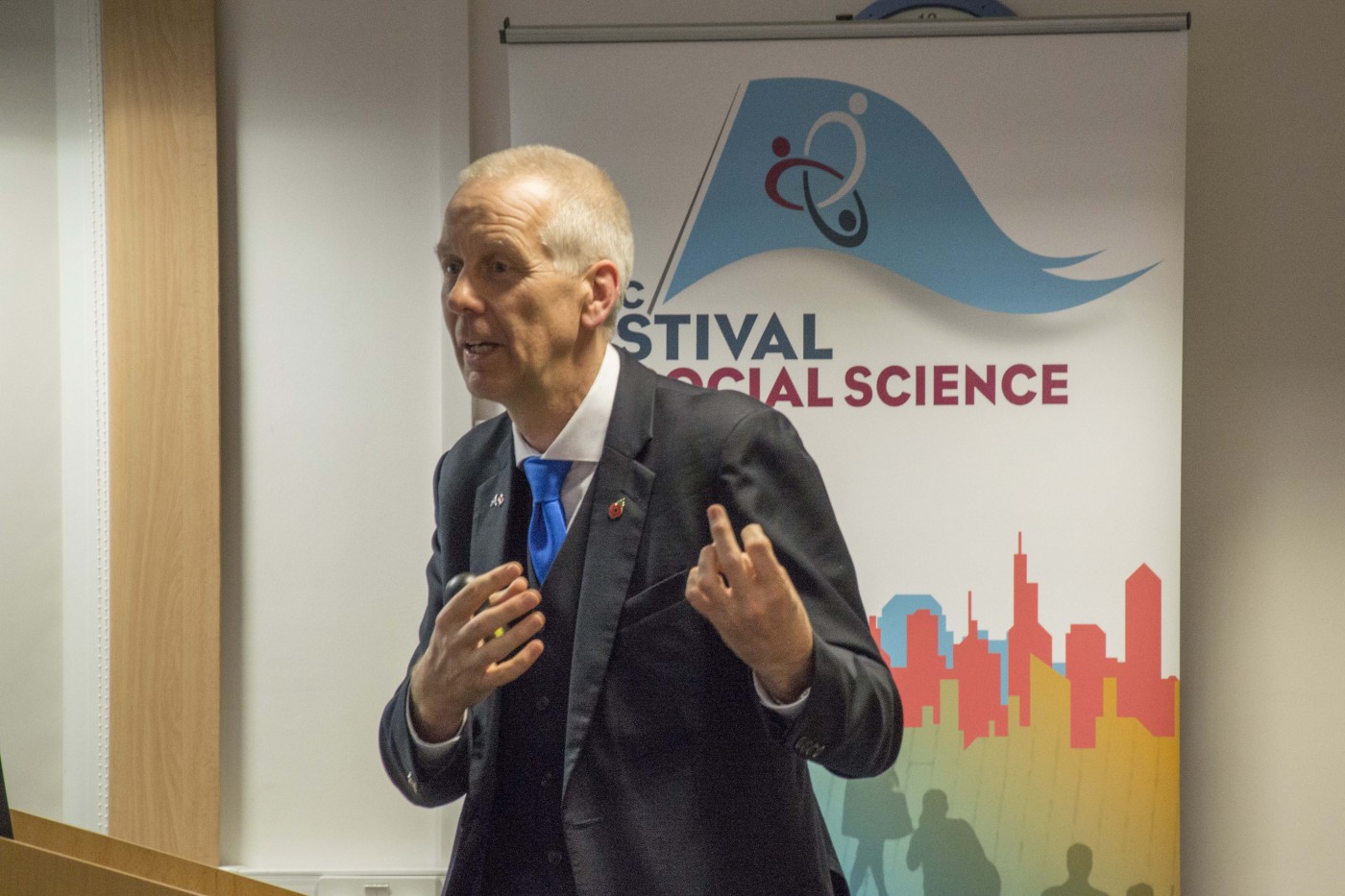
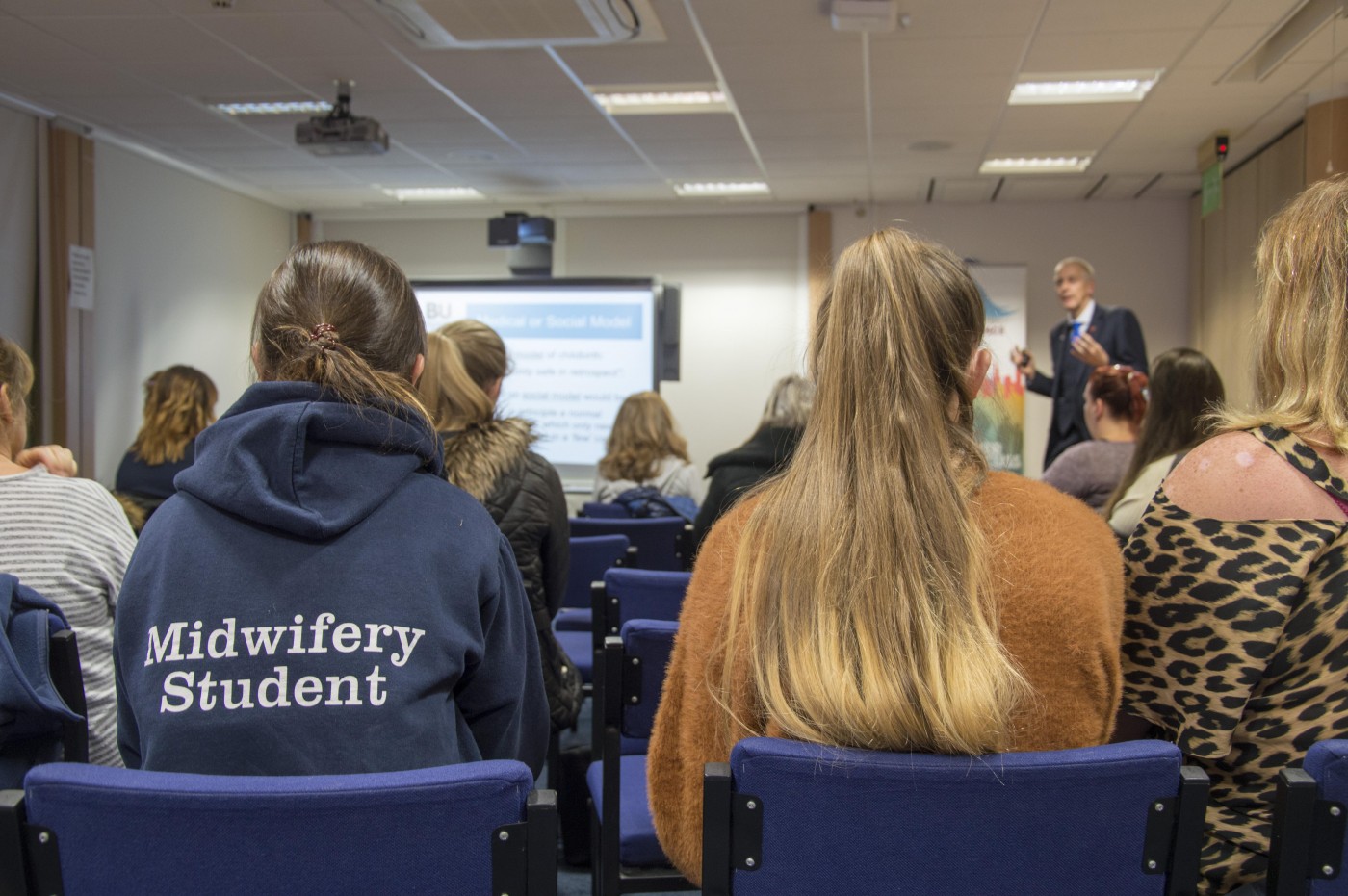
Friday night featured two concurrent events. Professor Edwin van Teijlingen visited Poole Hospital to consider ‘How We Think about Pregnancy and Childbirth’, comparing different perspectives on pregnancy – from the social model of pregnancy, which accepts childbirth as a normal event in a woman’s life to the medical model, which portrays childbirth as potentially dangerous to health.
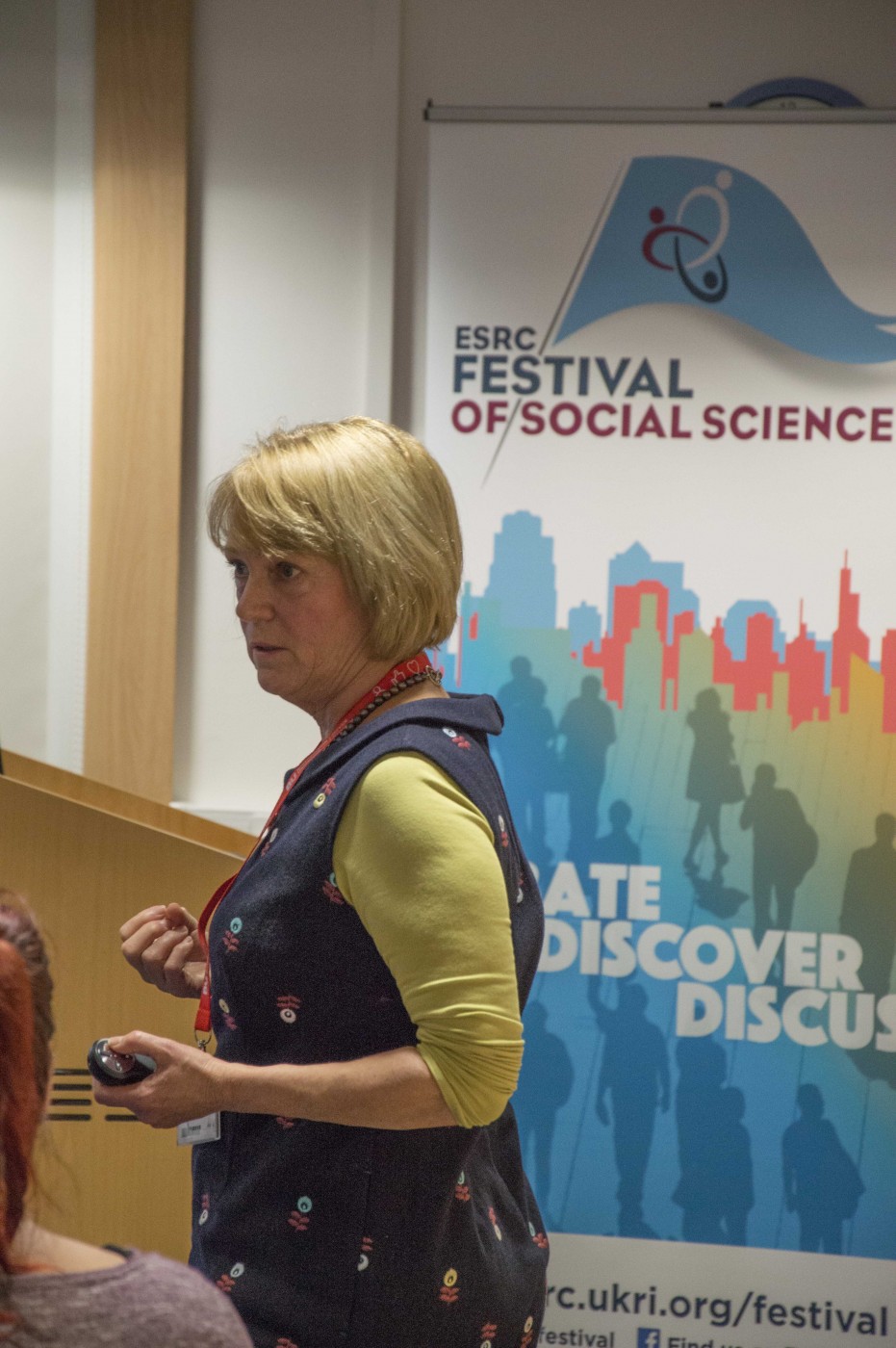
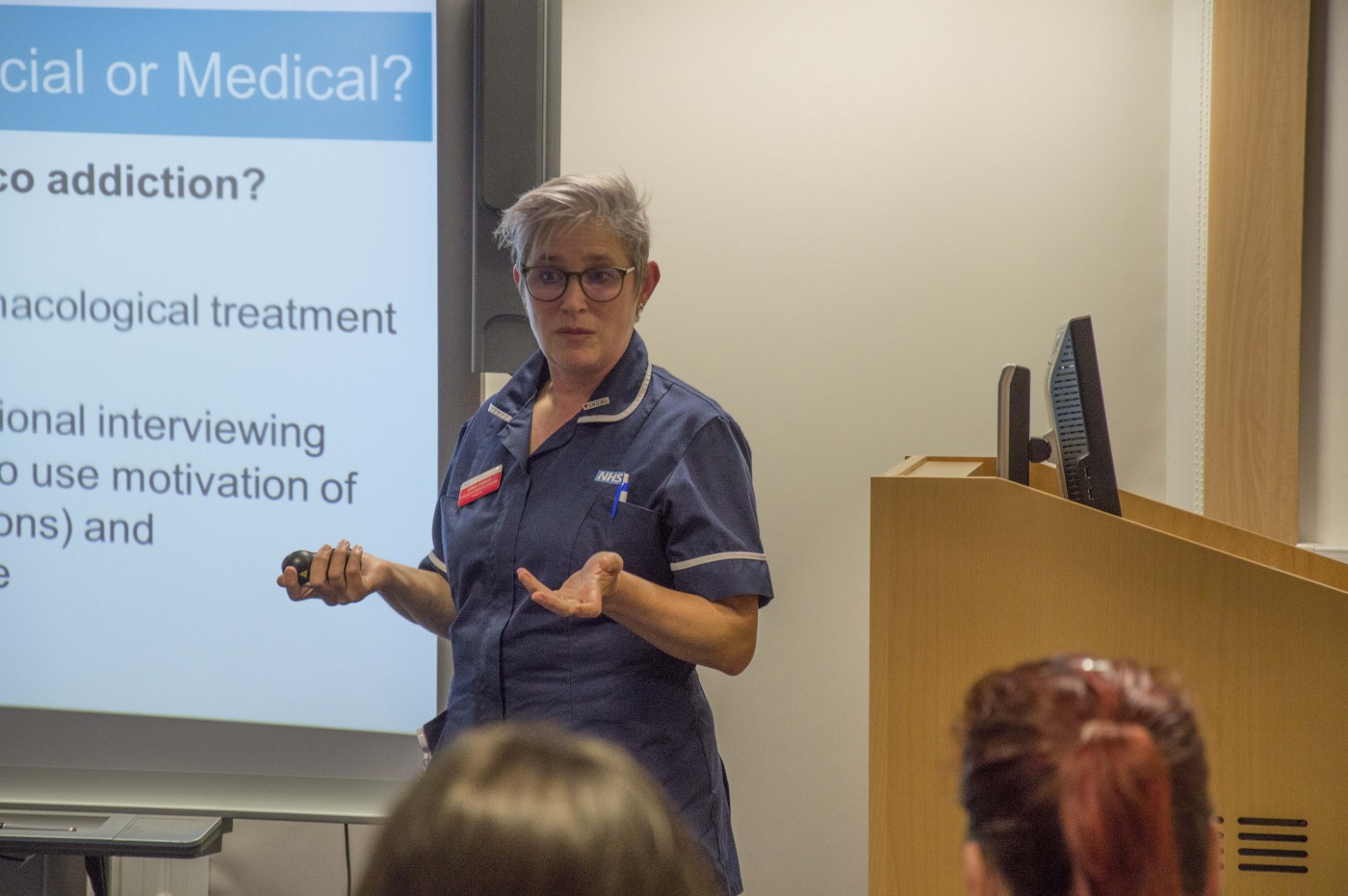
Dr Alison Taylor discussed infant feeding and shared research in the form of video diaries from first-time breastfeeding mothers.
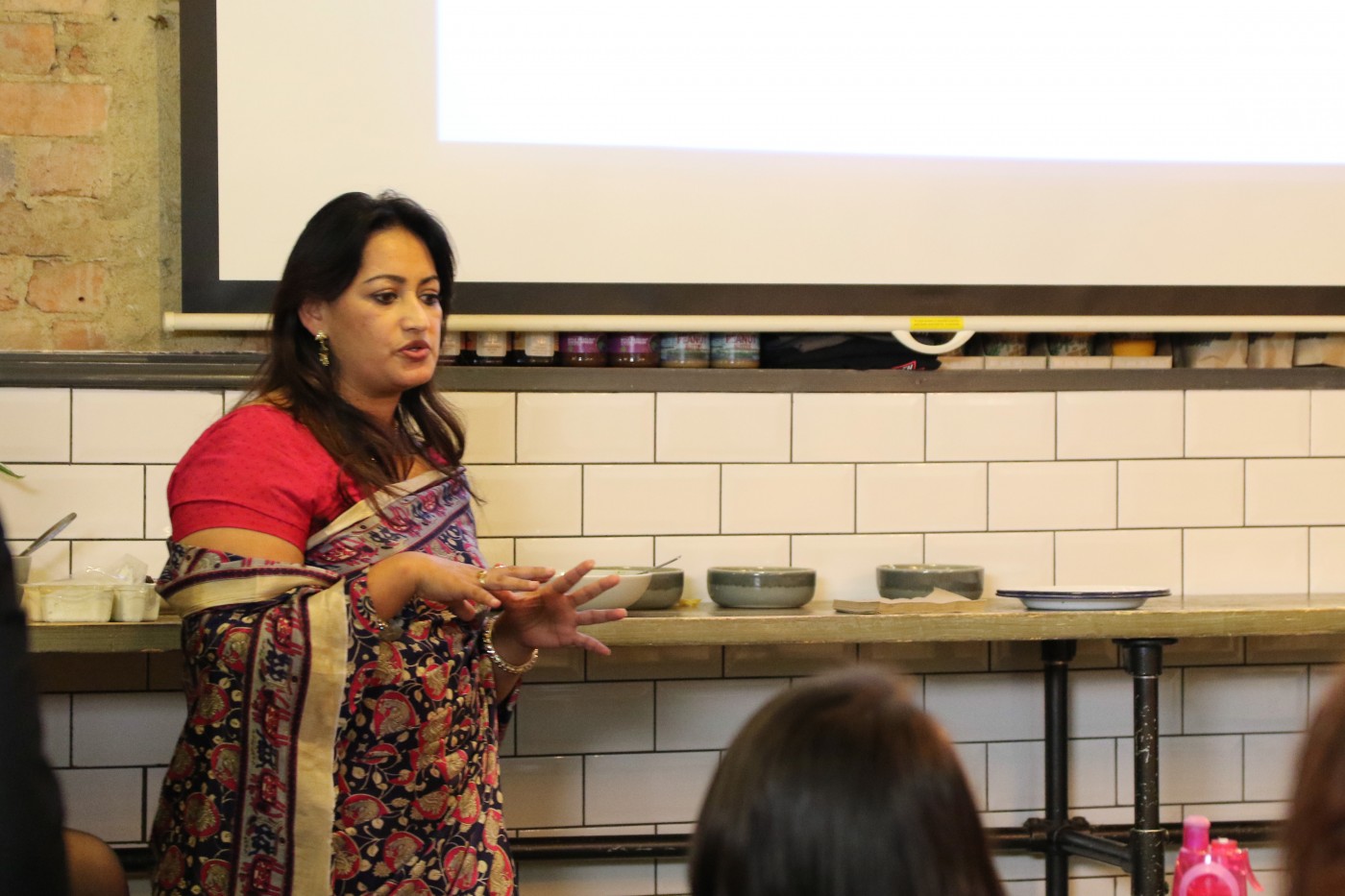
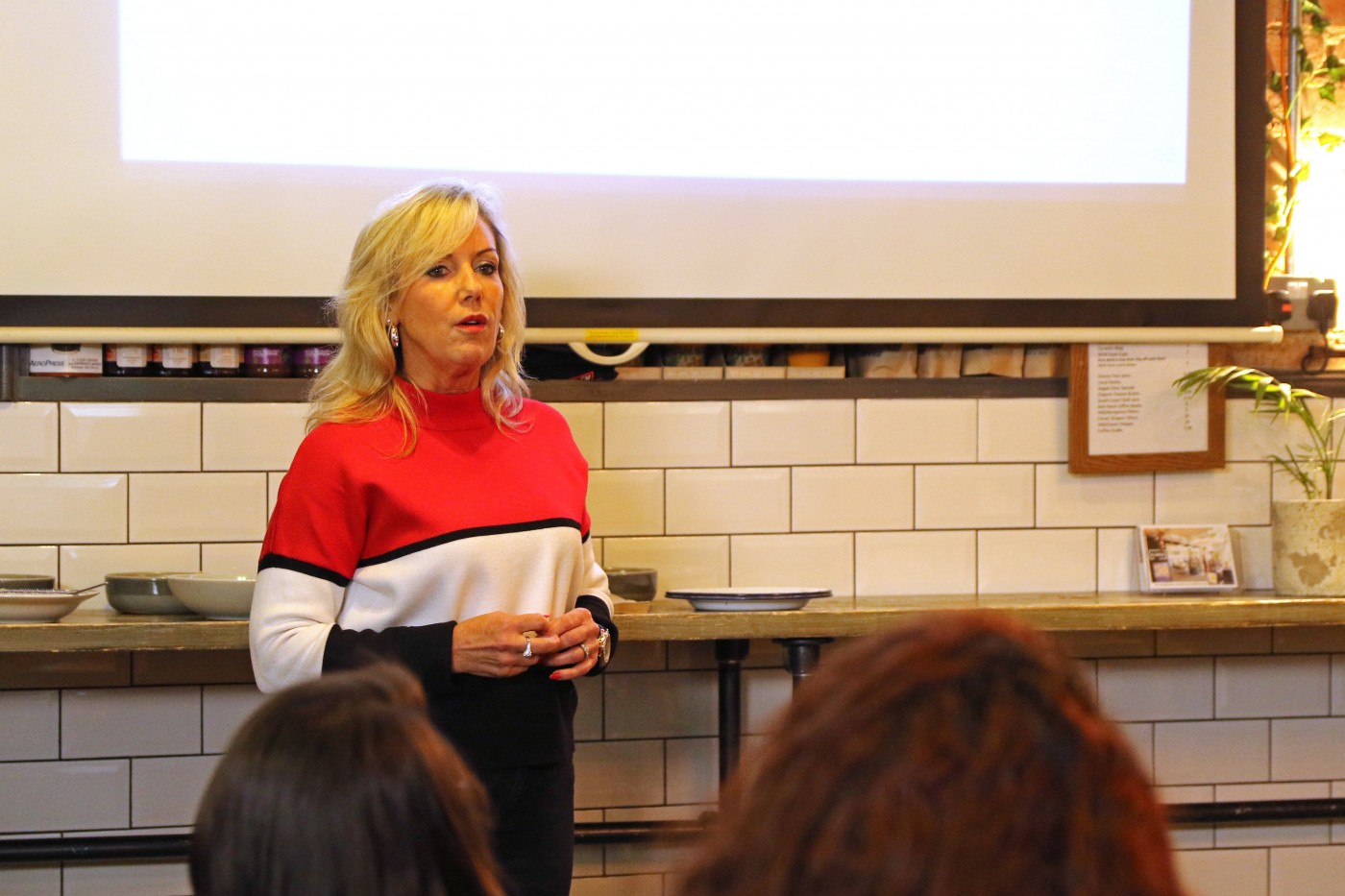
At South Coast Roast café, we explored the idea of ‘Influencers for good’; can social media influencers be more than their media image as drivers of overspending, overconsumption and low self-confidence?
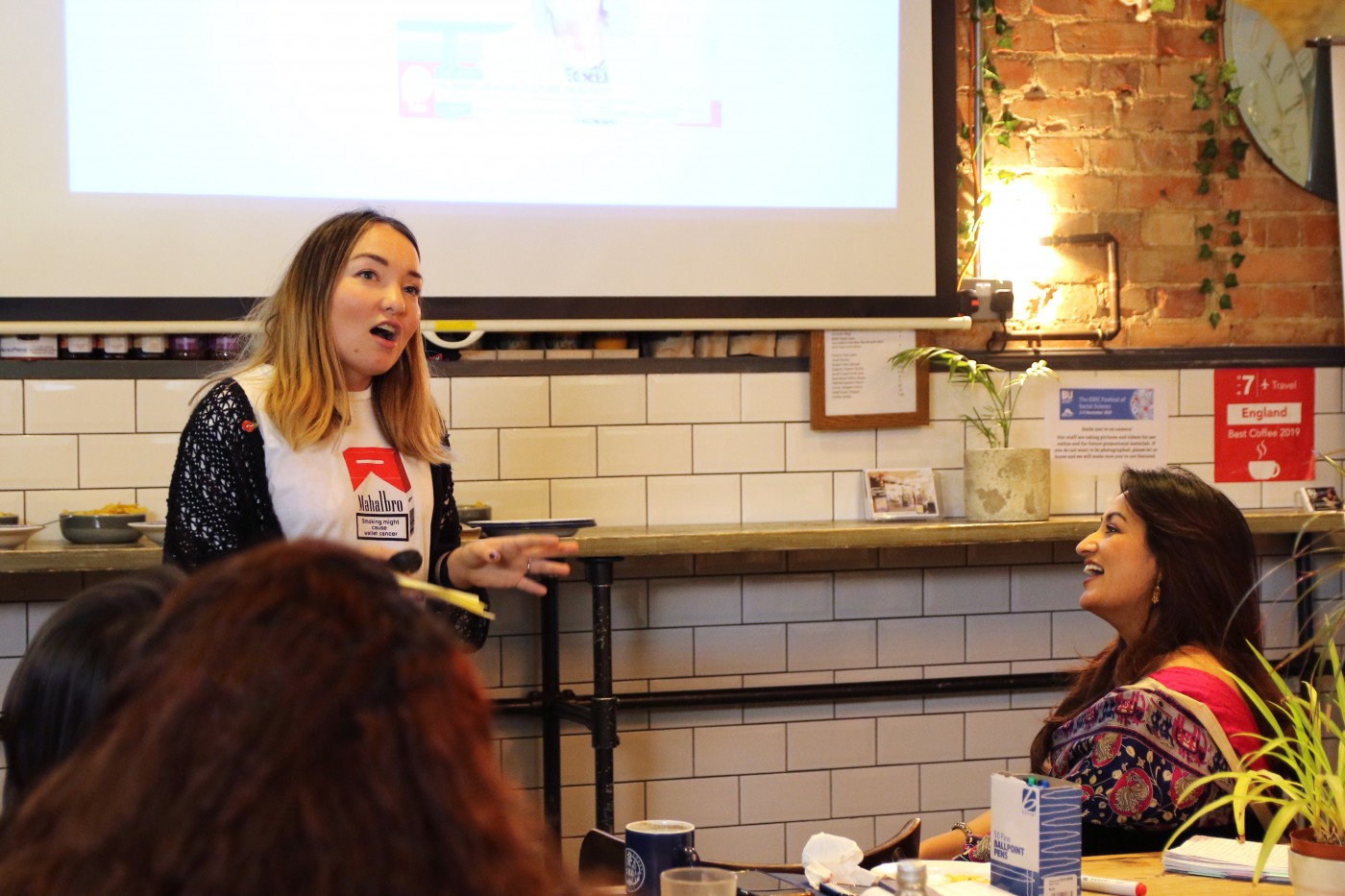
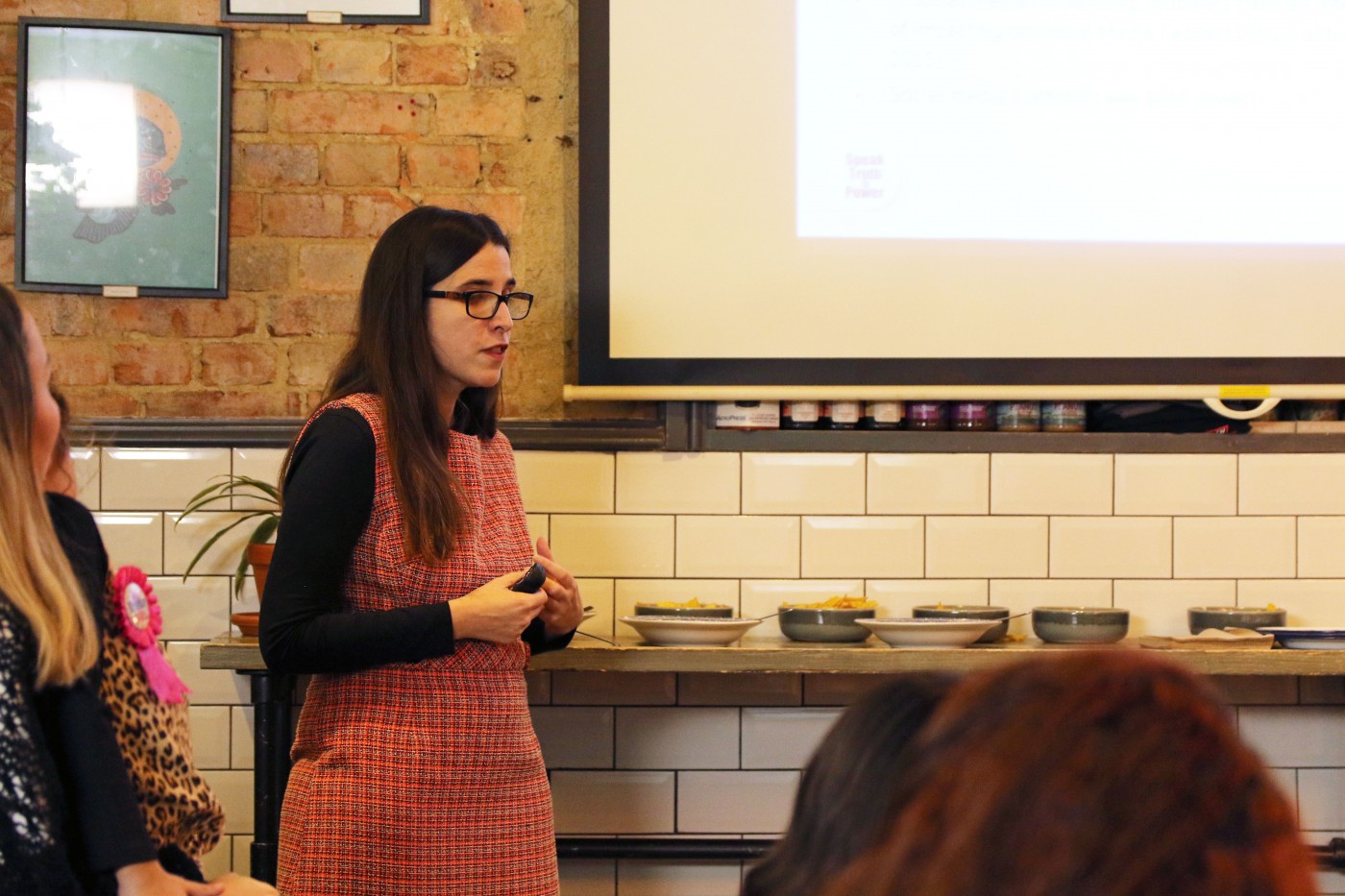
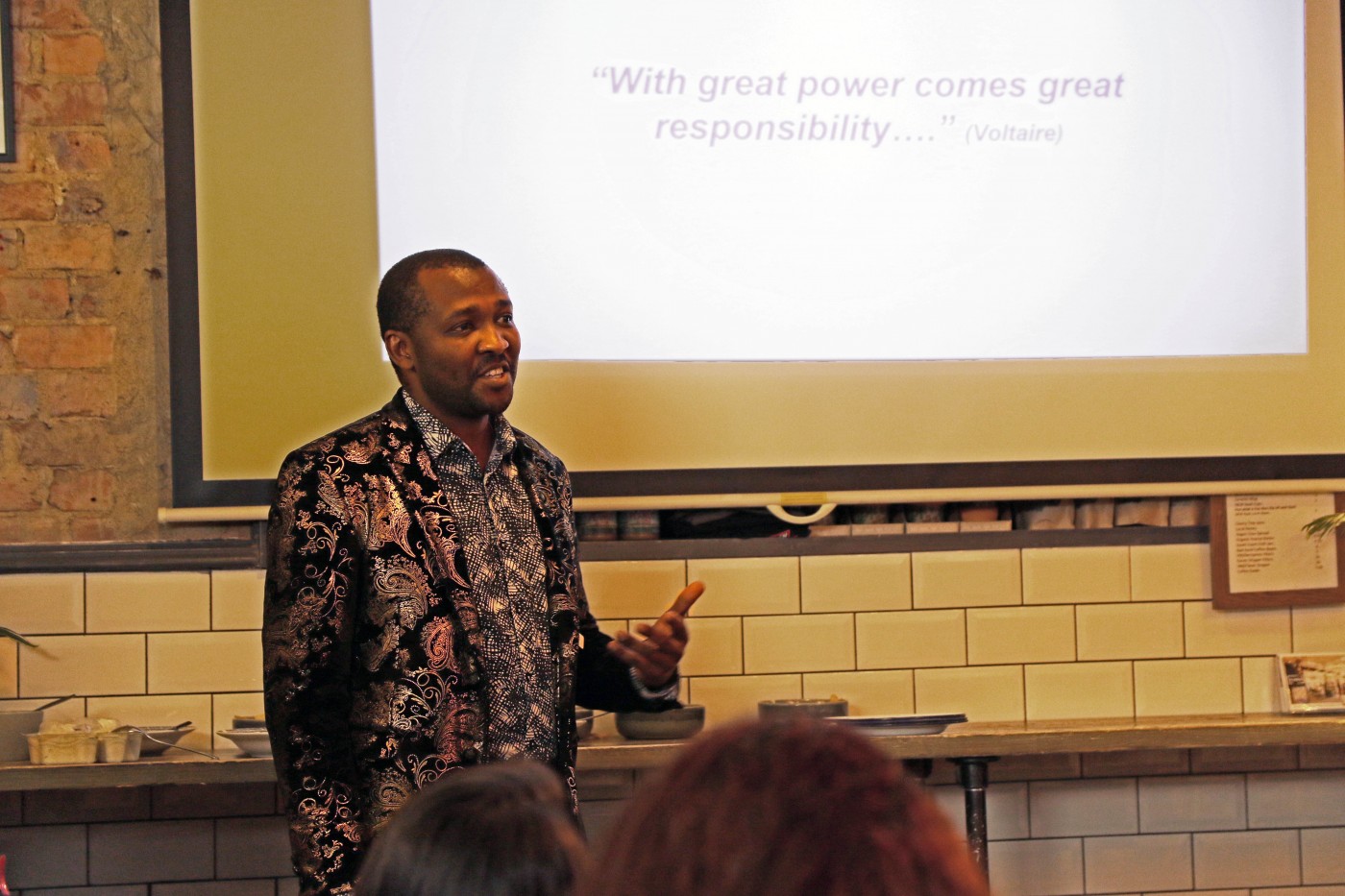
A team of BU academics (Dr Elvira Bolat, Dr Parisa Gilani, Samreen Ashraf & Dr Nasiru Taura) covered every angle, including the trust-relationship between influencers and us, how influencers make us feel and a positive vision for the future, where influencers are an ethical economic force for good.
Guest speaker Sarah Ali Choudhury shared the story of her rise to fame, while talent agent Laura Edwards showed us the other side of the influencer industry.
This series will conclude with Part 5 tomorrow.
How to turn your Research into Impact
Amanda Lazar and Brian McNulty are running an Impact Planning Session on Friday 6th December for anyone engaged in research – from ECRs to Professors.
If you have some research that you think has the potential to make a positive change in the world, then bring it along.
We will discuss how to effectively disseminate your research, plan your impact pathway and how to evidence the impact of your research, as well as how to work towards an Impact Case Study for the REF.
By the end of the session you will have the outline of an impact pathway and will know how to access BU resources to help turn your research into impact.
Click here to book yourself onto the workshop.
ESRC Festival of Social Science – Part 3
We’re continuing our look back at the ESRC Festival of Social Science, you can catch up on our coverage so far on the Research Blog.
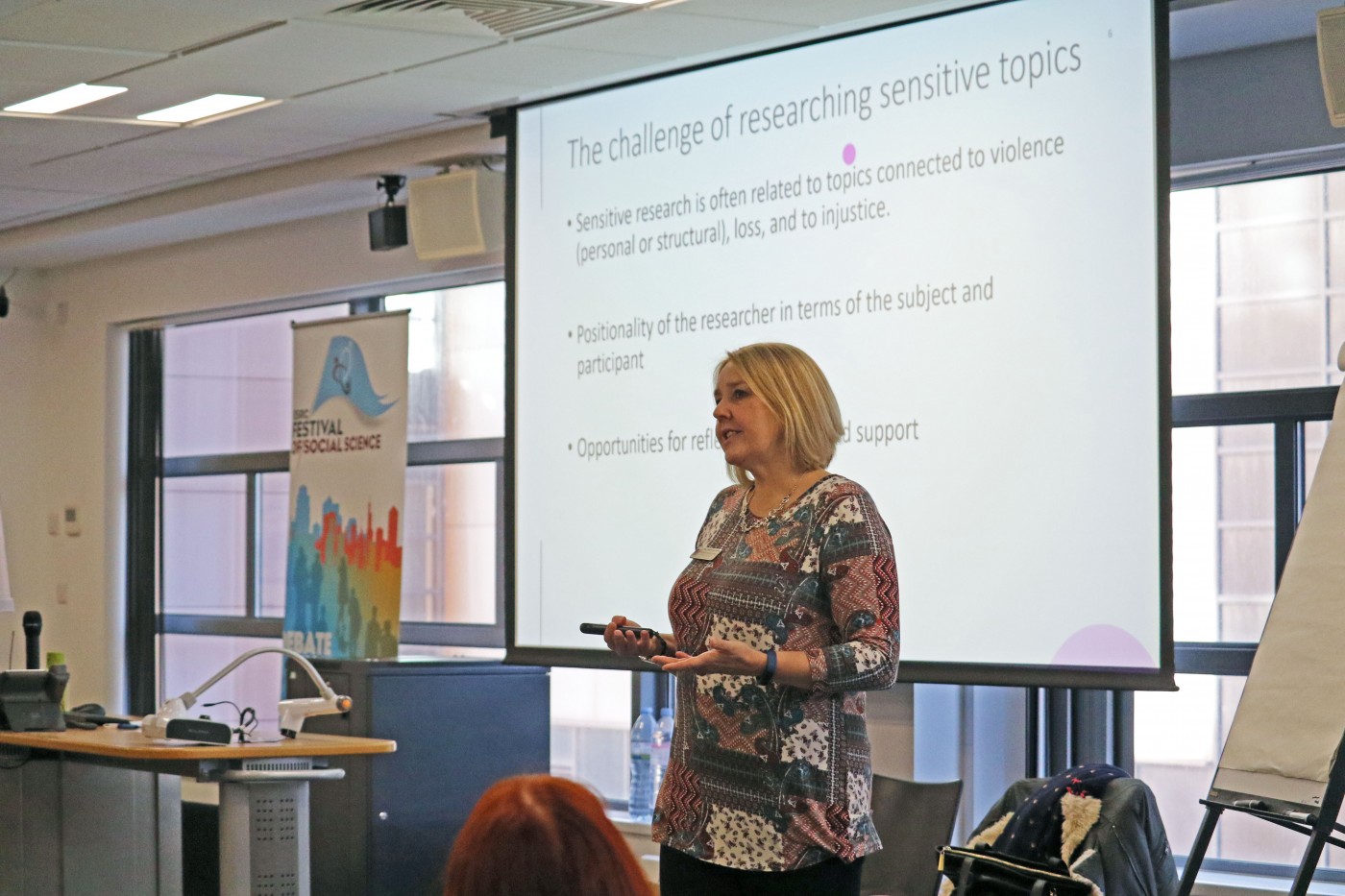
‘Stress and Wellbeing in the Workplace’ followed on Wednesday, with Professor Lee-Ann Fenge introducing the topic of how researching sensitive topics can have an emotional impact on academics and practitioners, mainly in social work but with wide-reaching relevance.
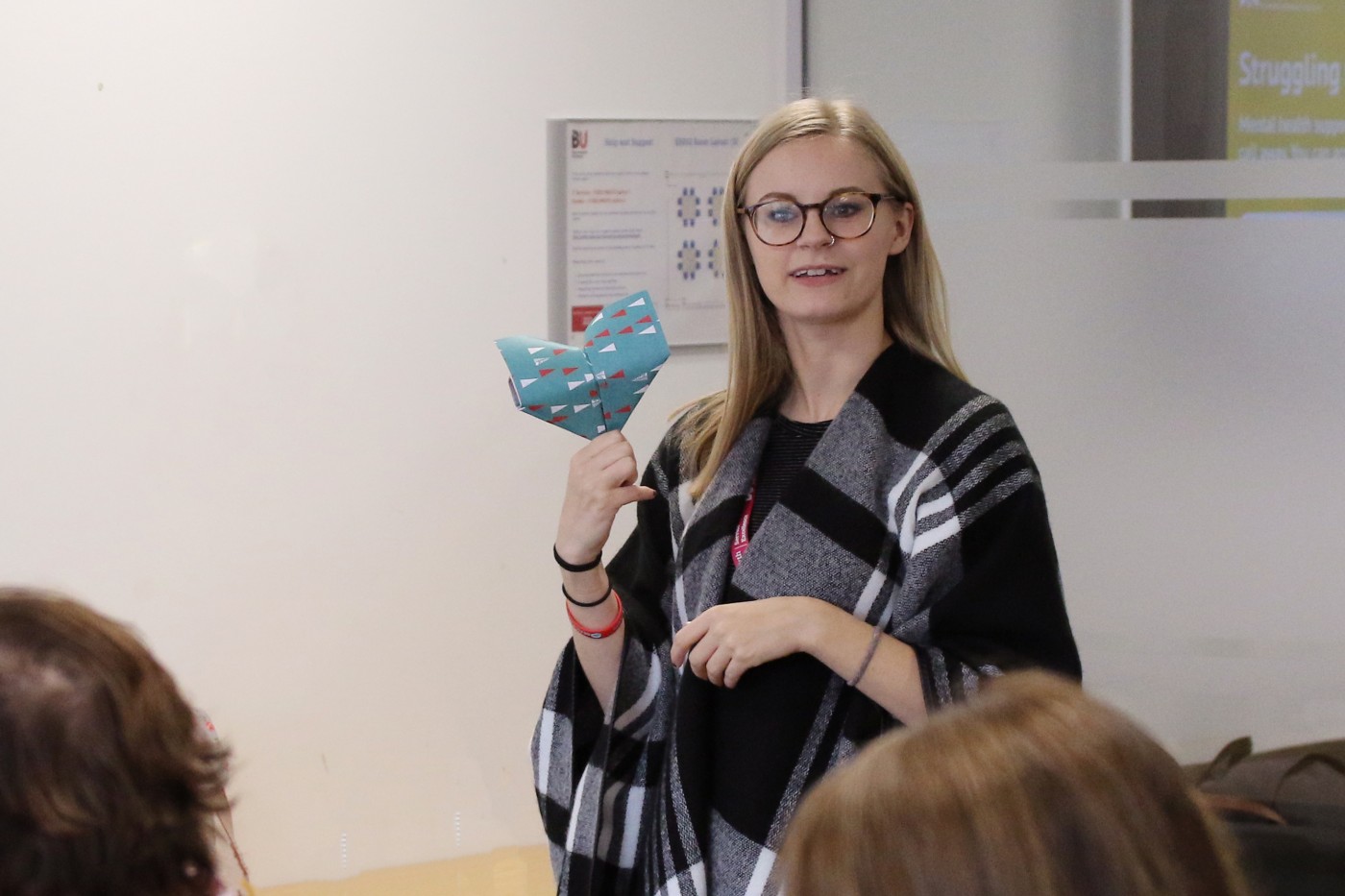
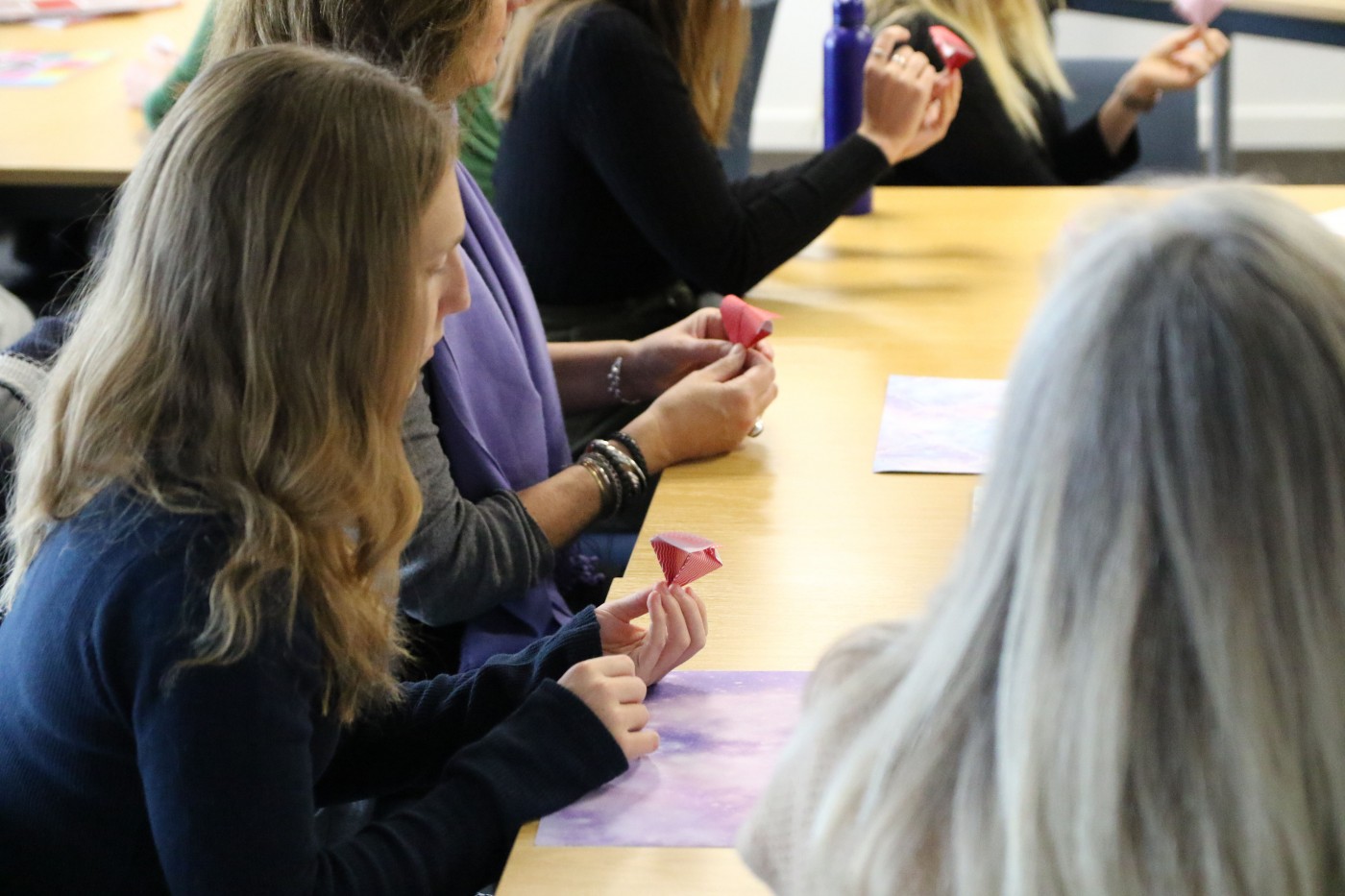
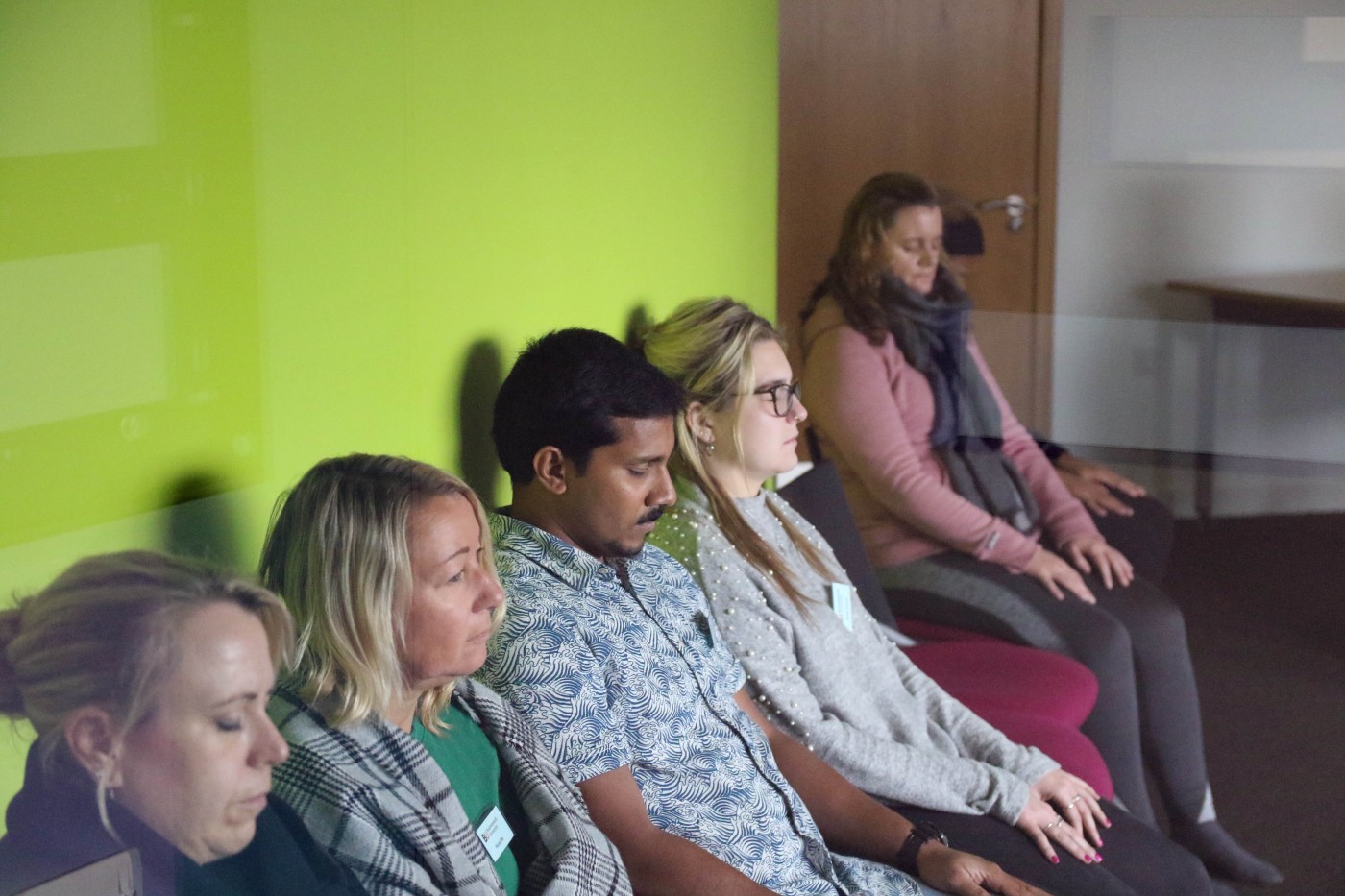
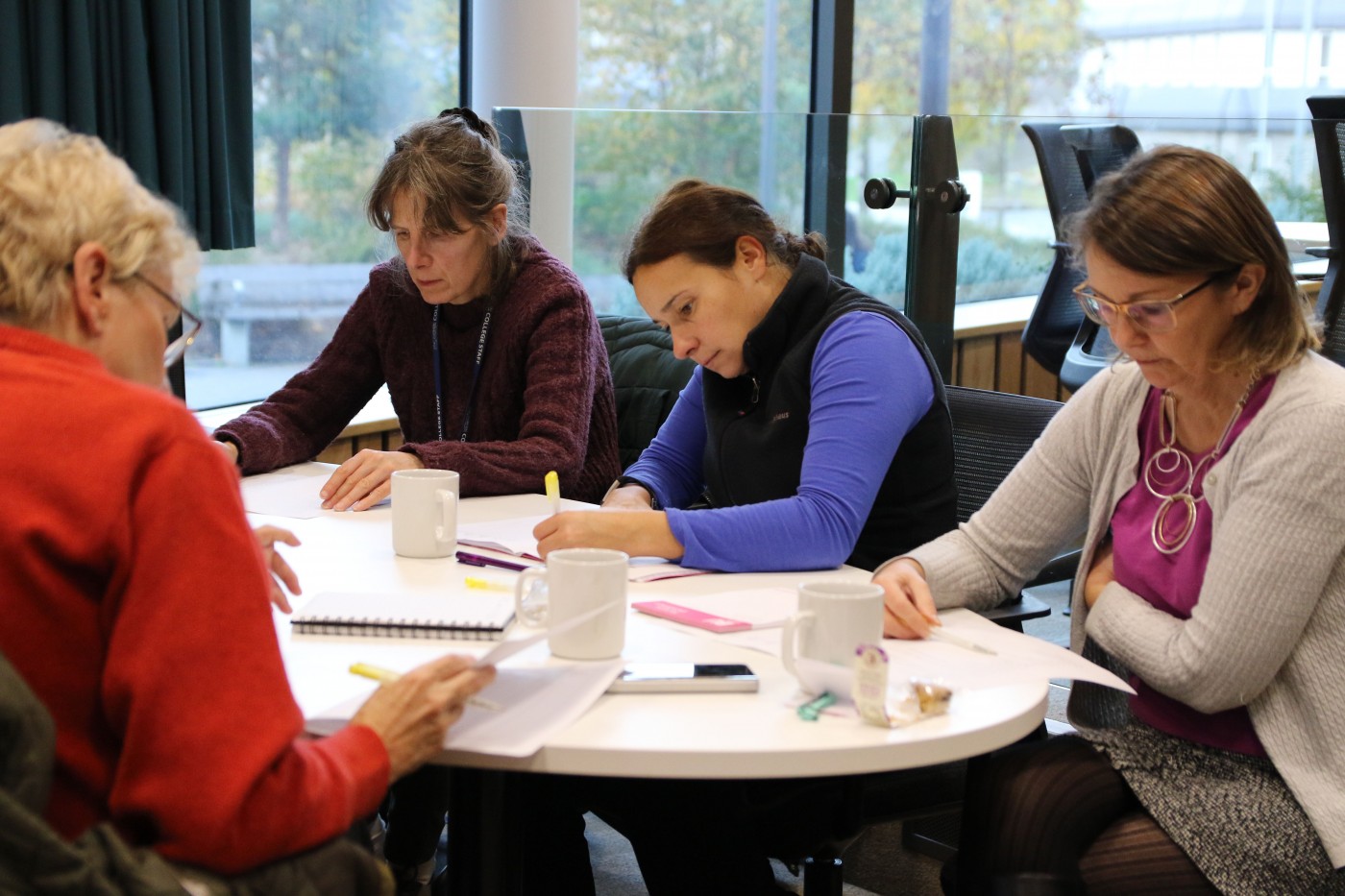
Tilia Lenz, Stevie Corbin-Clarke and Emily Rosenorn-Lanng then led a series of workshops teaching techniques to de-stress, including origami, meditation and yoga.
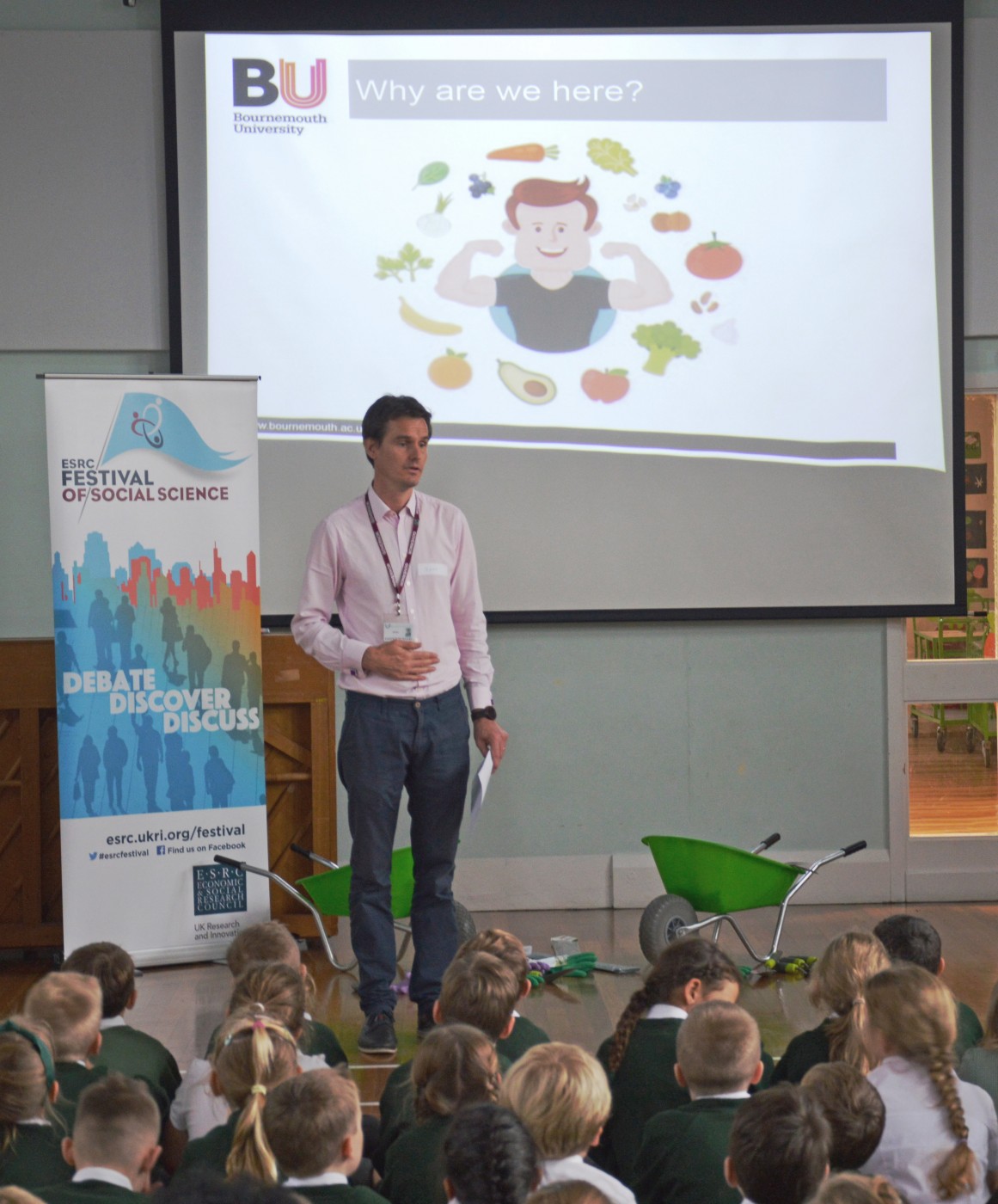
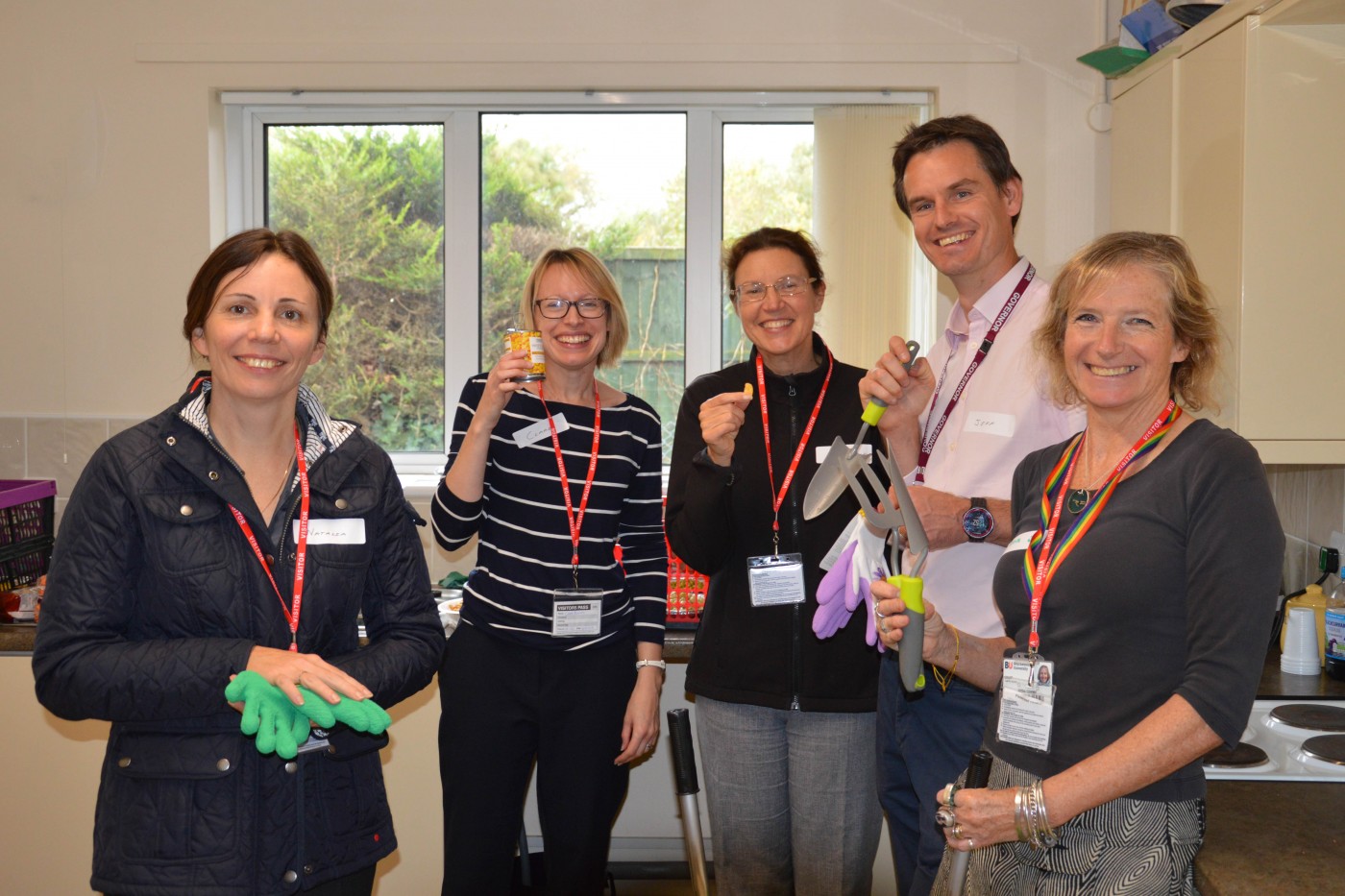
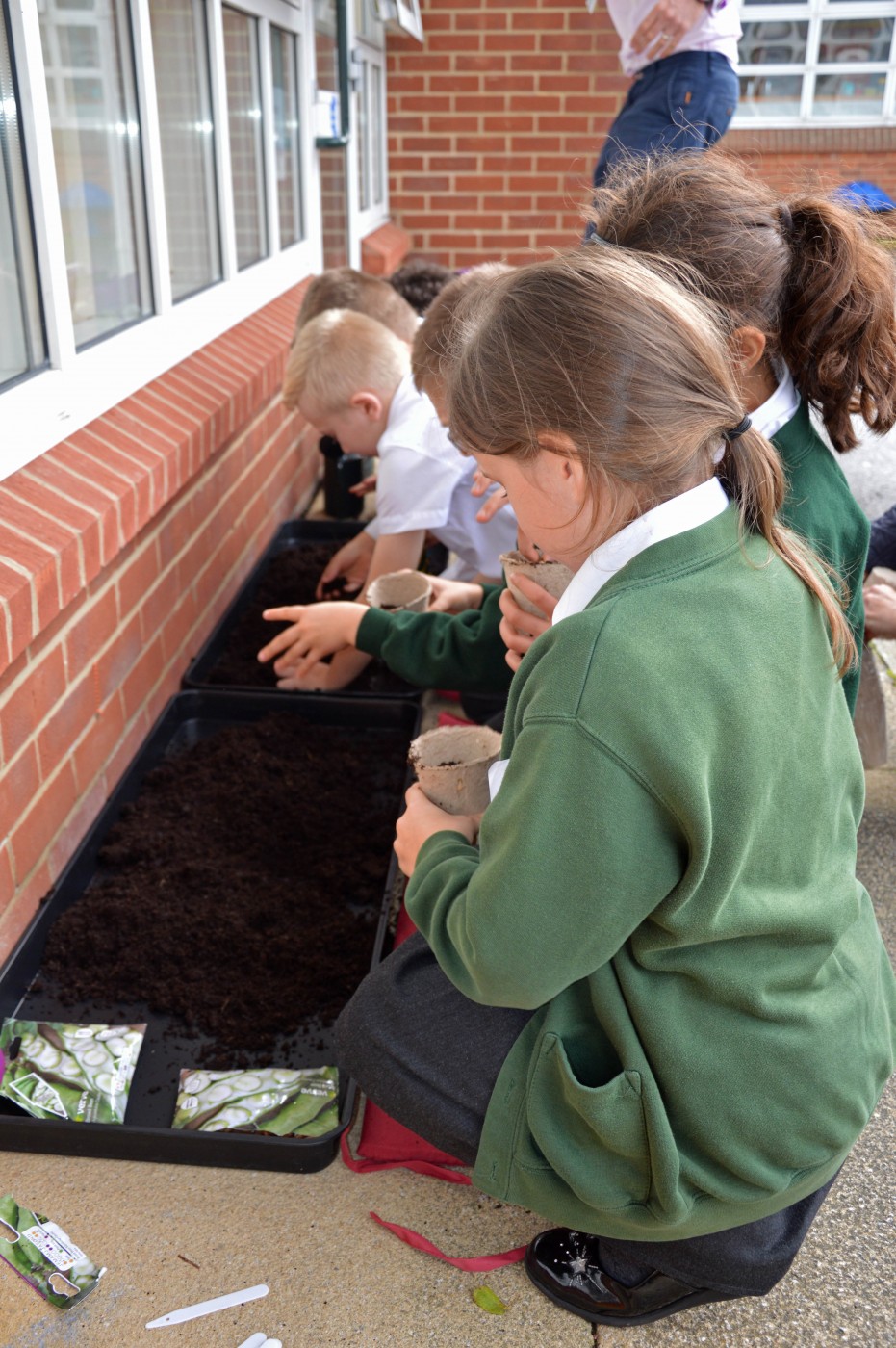
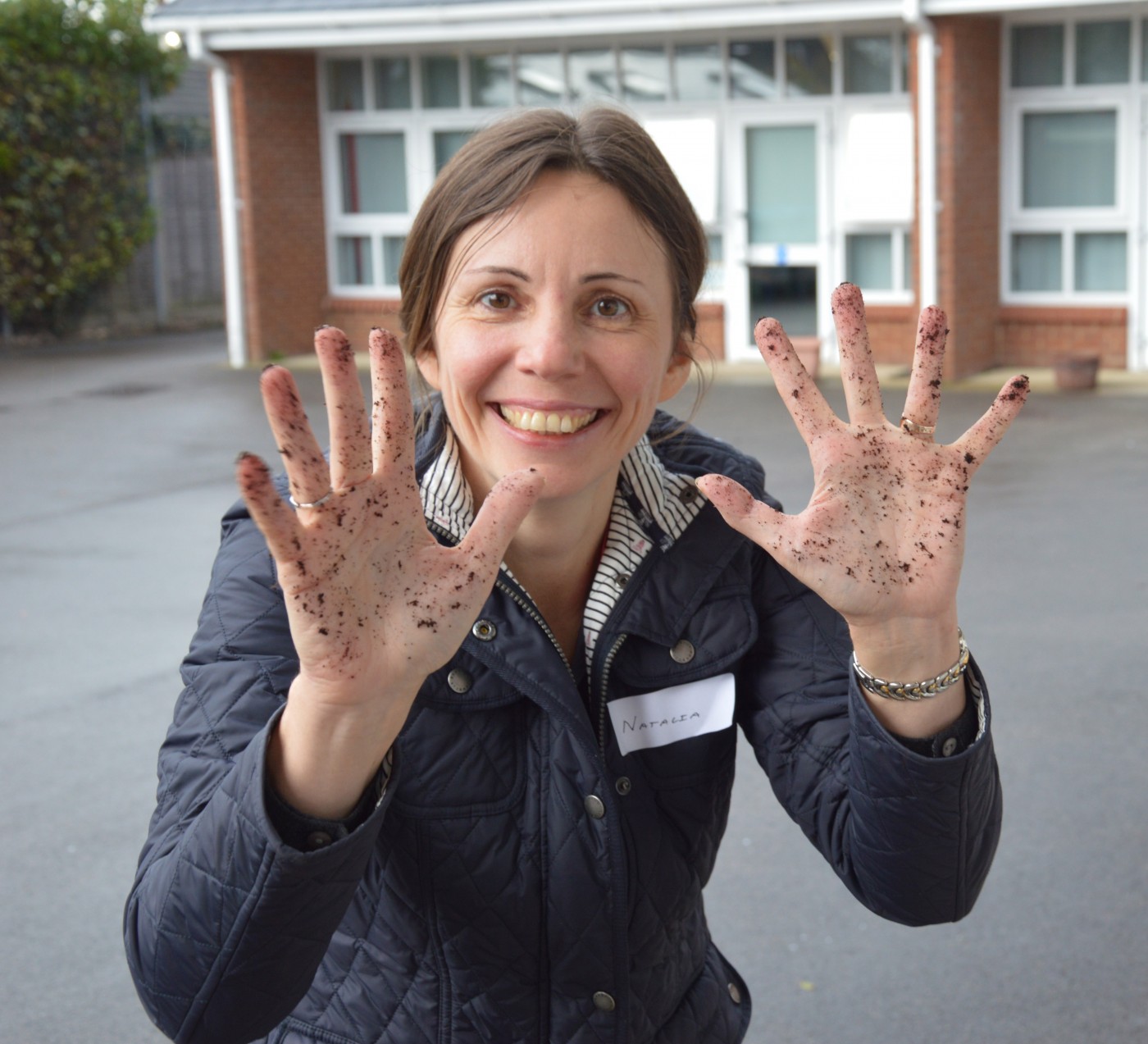
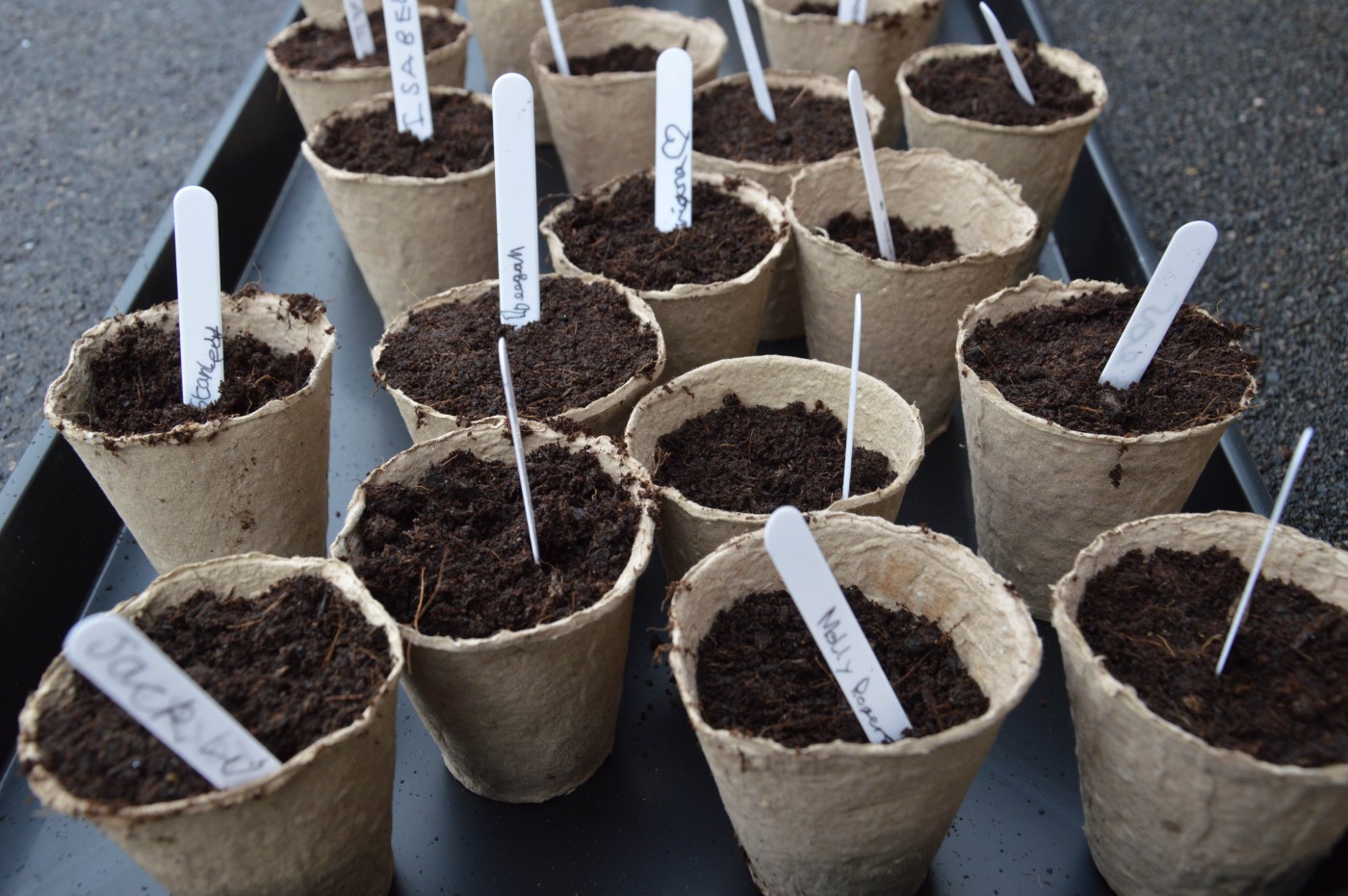
Dr Jeff Bray delivered a ‘Rainbow of Vegetable Literacy’ at a local primary school, with Natalia Lavrushkina, Dr Fiona Cownie and Professor Katherine Appleton. Designed to increase children’s familiarity with vegetables, and encourage them to eat more vegetables, the event featured a quiz, tasting vegetables cooked in a variety of ways, and planting a broad bean seed in the school ‘allotment’.
Find out more about this project in a post by one of the organisers.
Members of the Global Festival of Learning team reprised activities last run in Vietnam, this time training teachers, tutors and others who work with young adults in a series a workshops aimed at ‘Preparing Generation Z for the Global Workplace’.
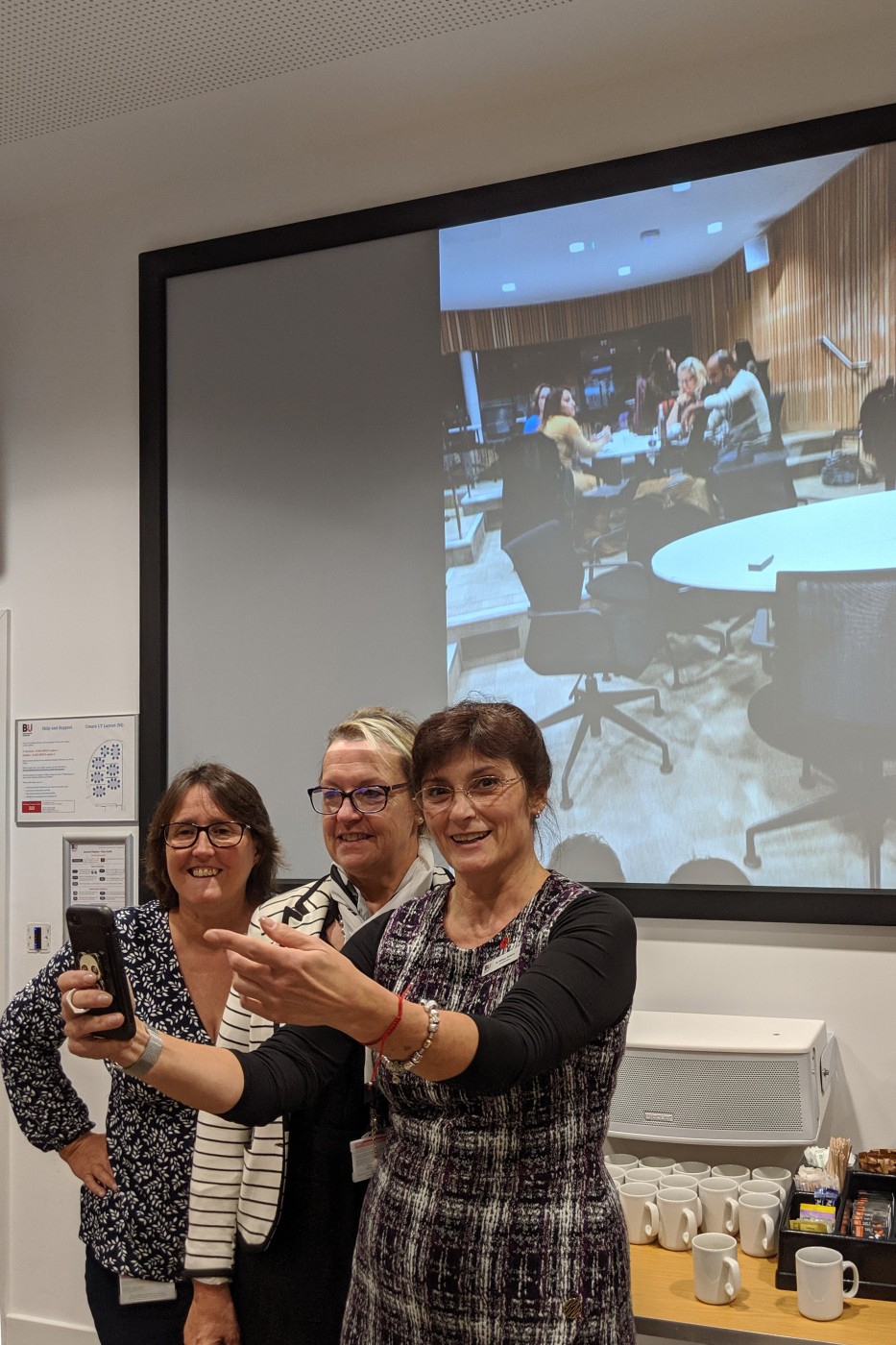
Dr Debbie Sadd, Rebecca Hindley and Dr Milena Bobeva provided a grounding in workshops including ‘Stranded on a Mountain’, Belbin personality assessments and interactive quiz technology, designed to develop teamwork skills and awareness.
This series will continue with Part 4 tomorrow.
ESRC Festival of Social Science – Part 2
We’re continuing our look back at the ESRC Festival of Social Science, you can catch up on our coverage so far on the Research Blog.
Dr Sally Lee and Stefan Kleipoedszus led an exploration at Shelley Theatre on Tuesday, on ‘Trauma-informed health and social care’, or how social care practice can improve the wellbeing of individuals who are experiencing, or who have experienced childhood adversity or trauma. Using a World Café format and innovative creative methods for evaluation and engagement, they were able to integrate the event into their research project.
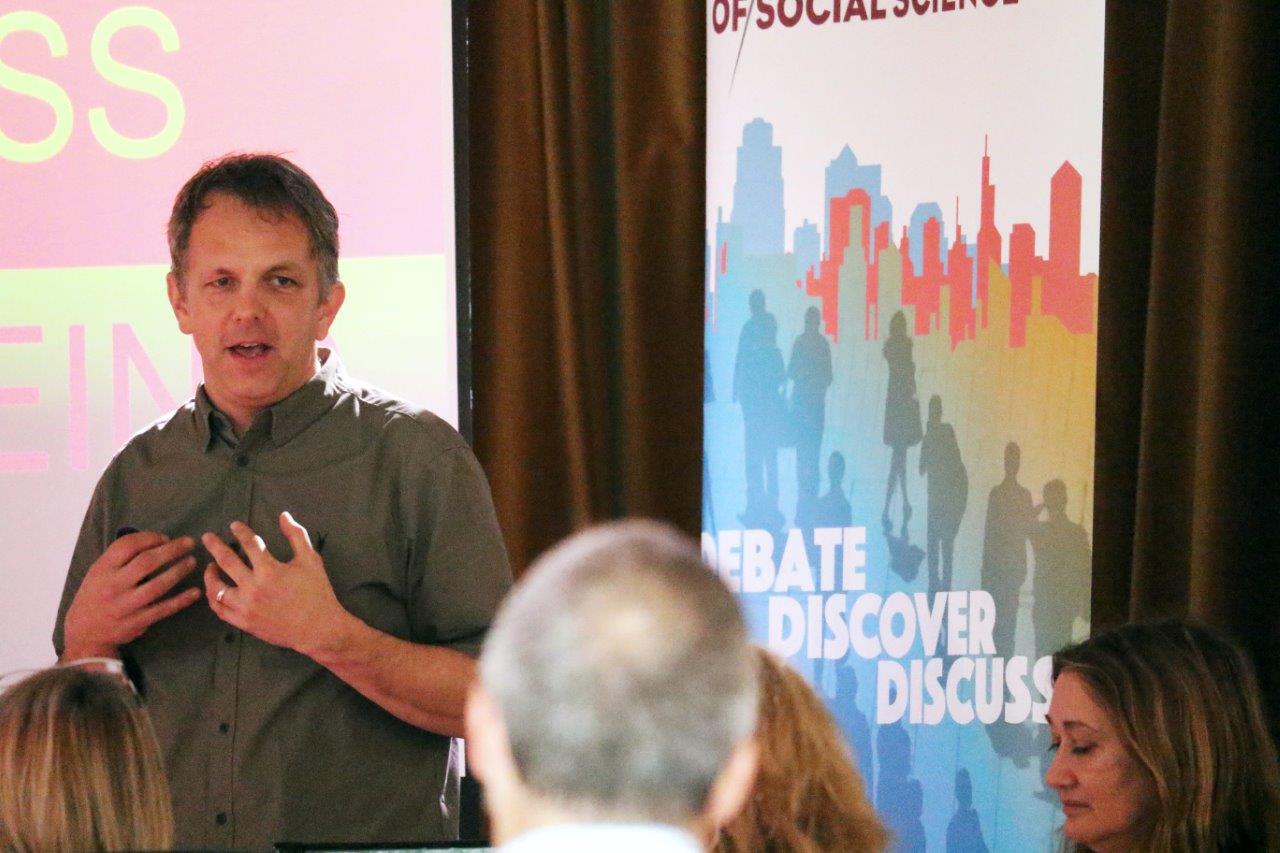
Stefan Kleipoedszus
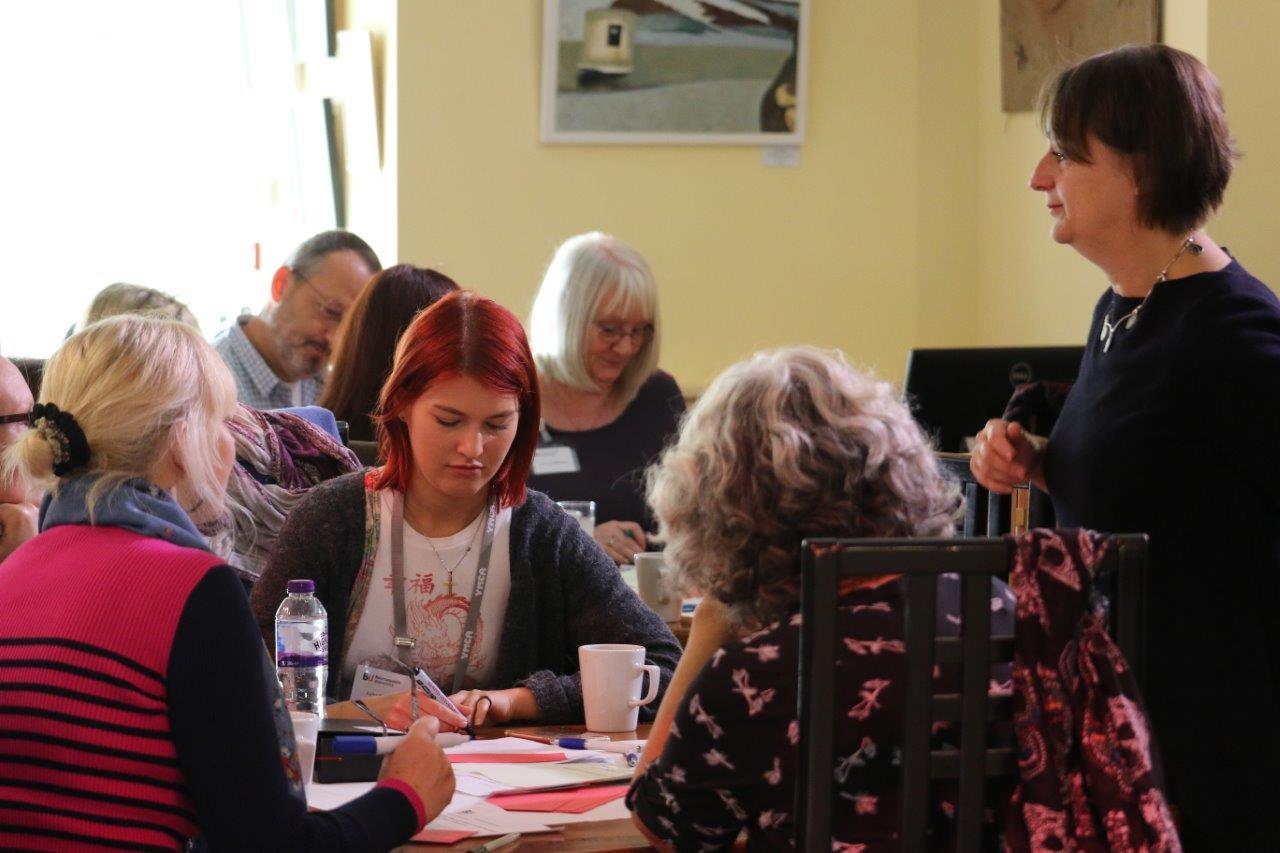
Dr Sally Lee
In addition to valuable discussions facilitated by Sally and Stefan, the event welcomed a number of guest contributors with valuable insights for working in a supportive role. This included Professor Ann Hemingway presenting her research into The Horse Course, to understand how learning natural horsemanship skills can have a positive effect on mental health outcomes.
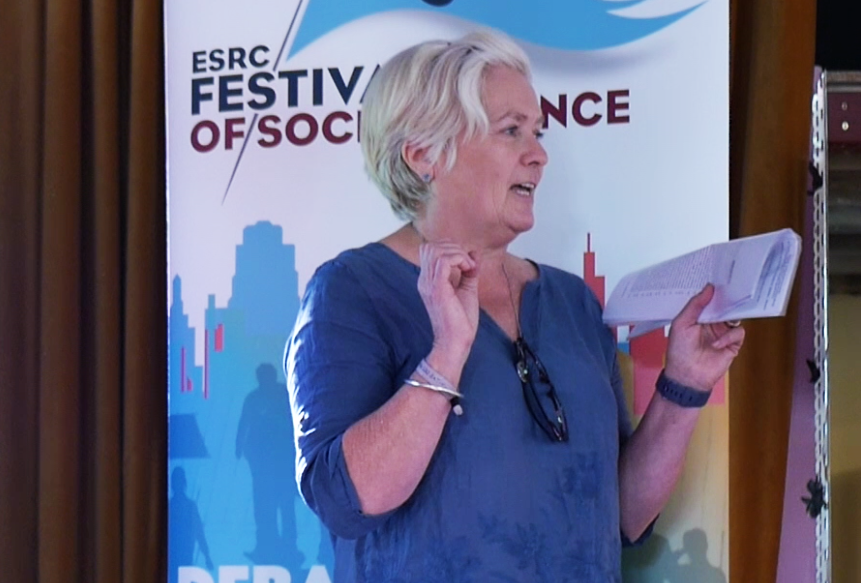
Prof Ann Hemingway
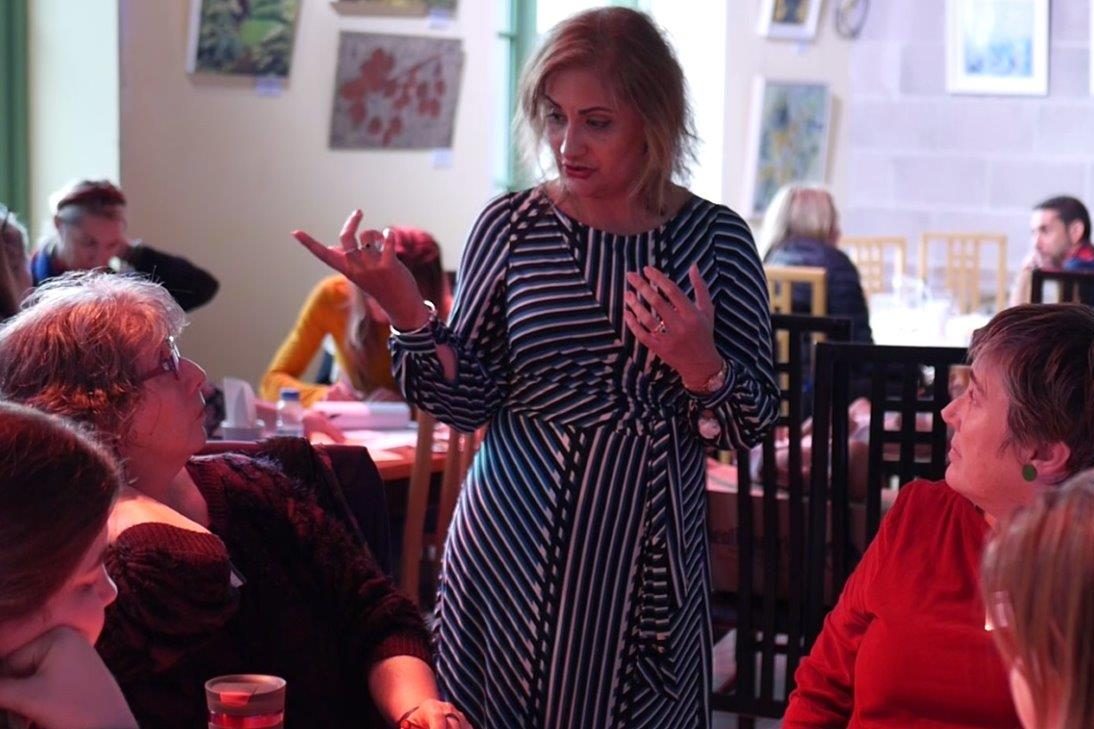
Dr Humaira Hussain
Dr Humaira Hussain presented her research on using ‘neonatal simulators’, high-tech dolls, to replicate the symptoms of Foetal Alcohol Syndrome (FAS) and Neonatal Abstinence Syndrome (NAS) and provide a more interactive education for midwifery students.
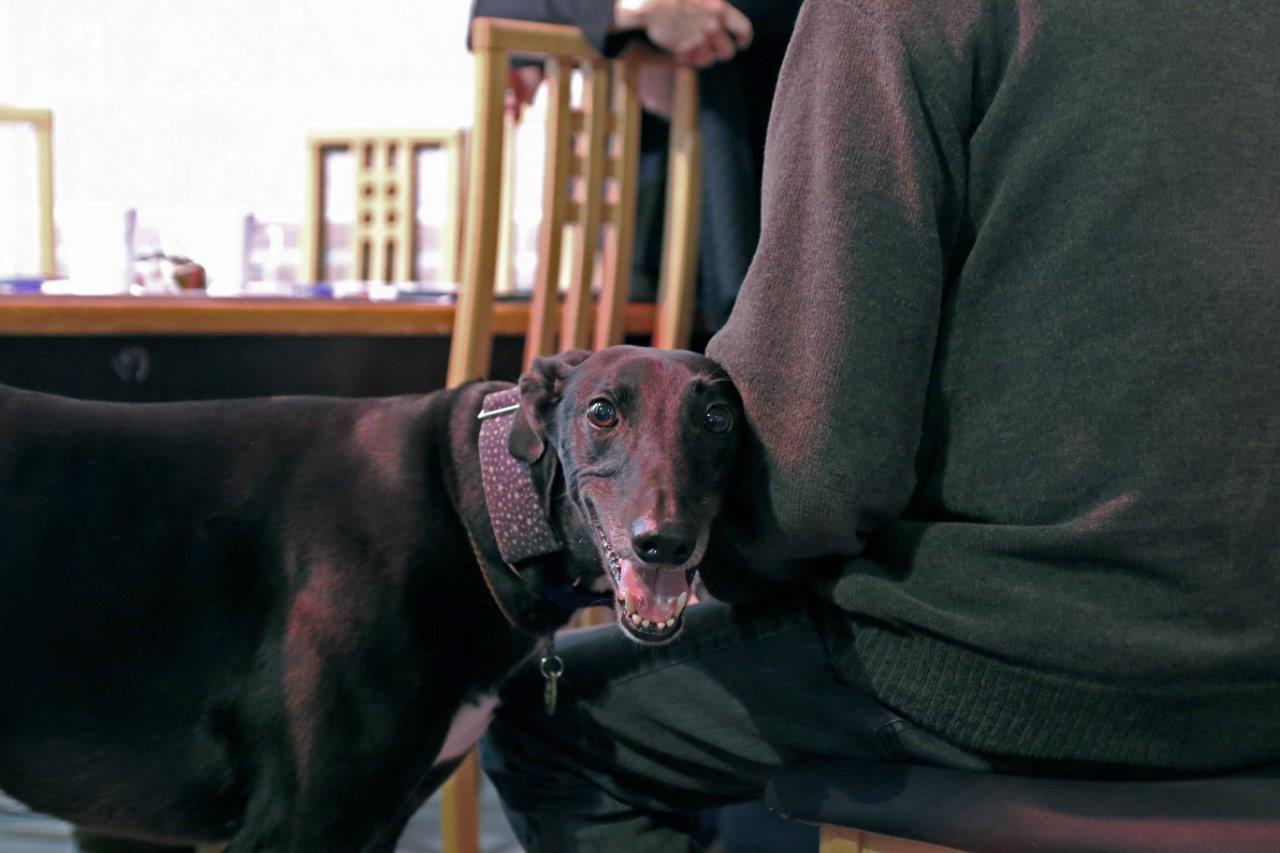
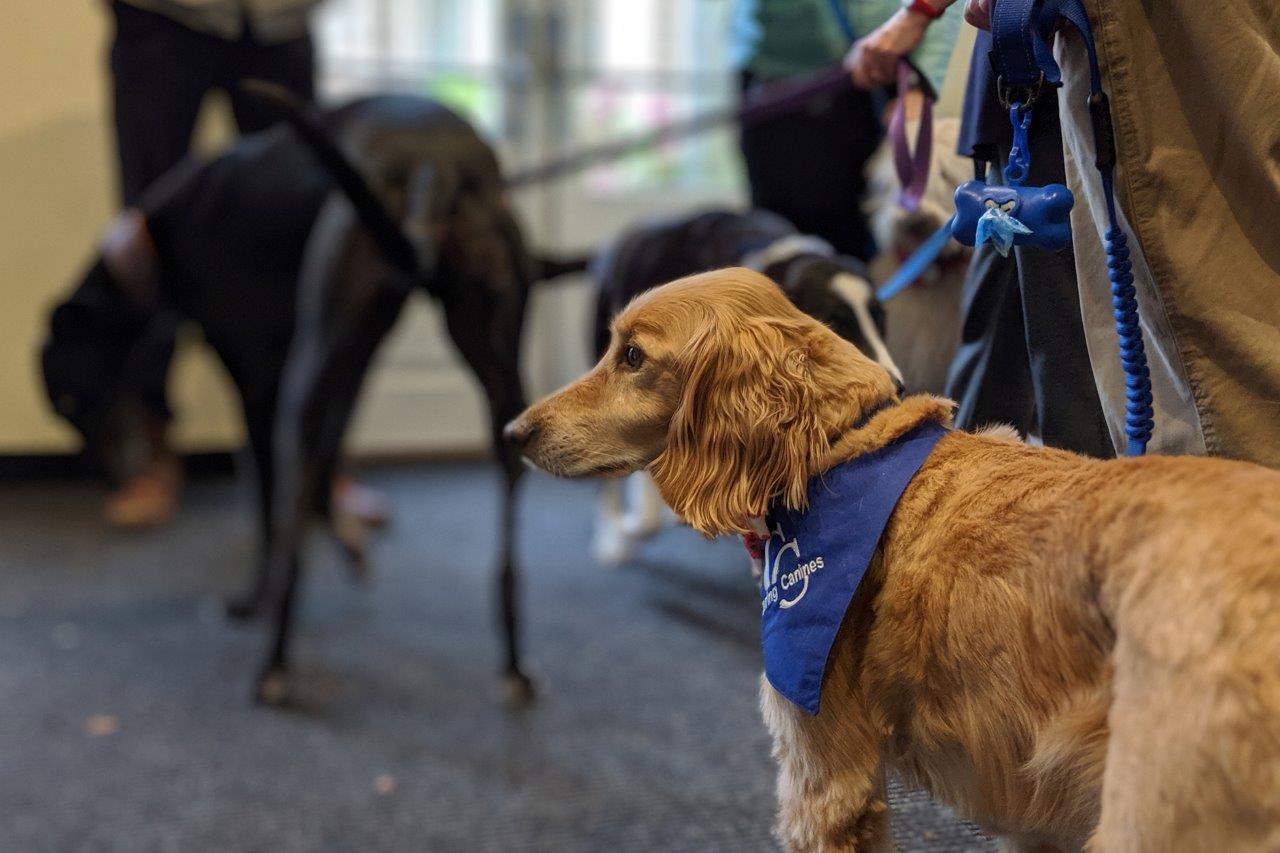
One set of guests proved themselves particularly popular – Caring Canines brought a few of their trained dogs and explained how they provide support and therapy in mental health units.

On Tuesday evening, Dr Elvira Bolat and Dr Emily Arden-Close took over our regular Café Scientifique slot to discuss the ‘Hidden stories of online gamblers’, exposing how gambling companies use masses of data to engage customers, and setting out their work in how this data can be turned around to help problem gamblers.
Dr Emily Arden-Close
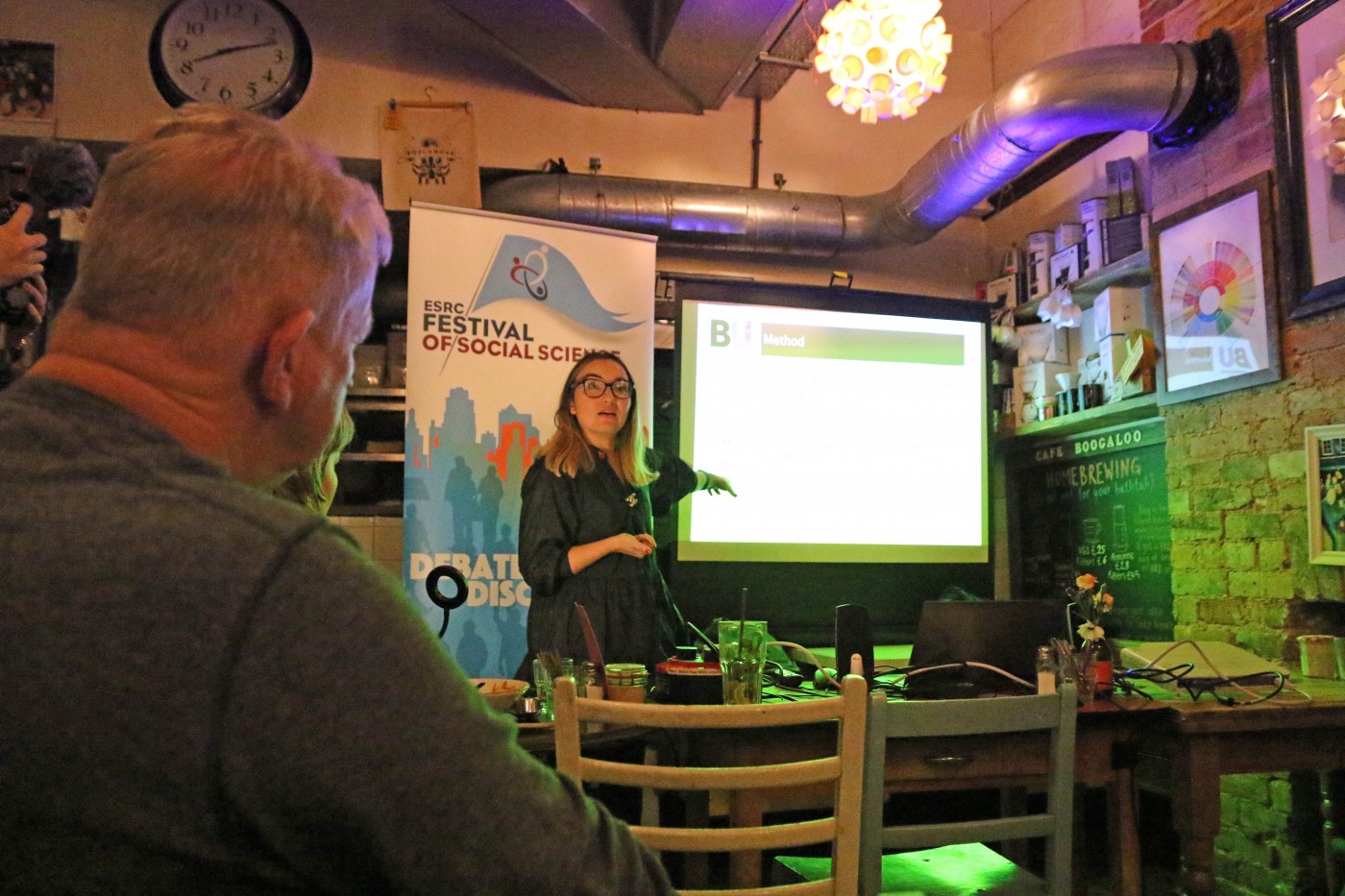
Dr Elvira Bolat
In concert with this event, we produced an online exhibition, featuring the stories of gamblers as expressed through art pieces commissioned from Arts University Bournemouth students.
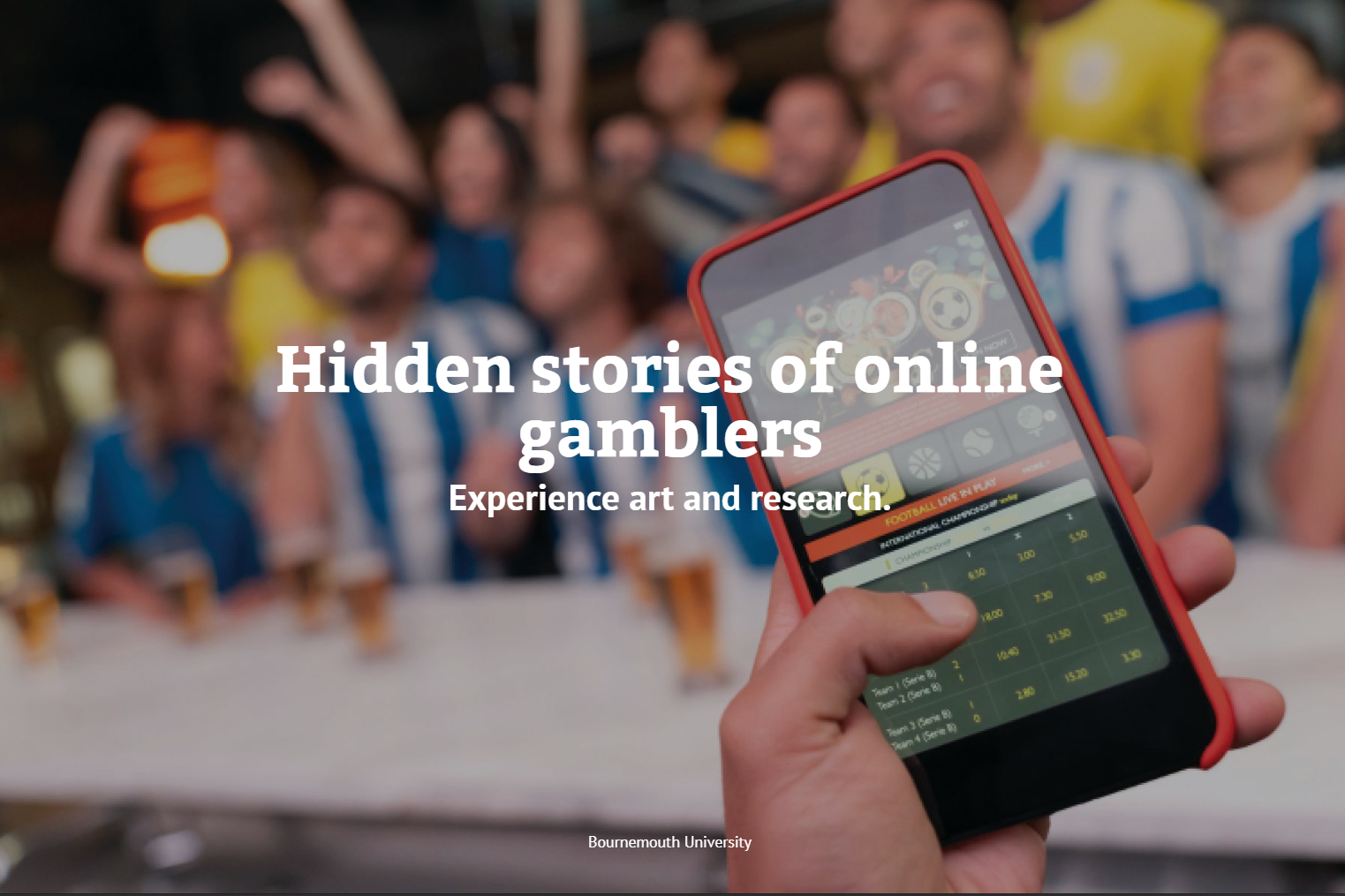
Hidden Stories of Online Gamblers Online Exhibition
ESRC Festival of Social Science – Part 1
Earlier this month saw BU host ten events as part of the ESRC Festival of Social Science. The Festival is a nationwide celebration of the social sciences, with 475 events held across the UK this year.
Over the next week, we’ll be sharing regular posts to look back over these events.
The Festival is designed to promote and increase awareness of social science and ESRC-funded research, enable social scientists to engage with non-academics and increase awareness of the contributions the social sciences make to the wellbeing and economy of UK society.
BU contributed to the Festival this year for the eighth time in a row, holding a variety of events spanning research areas and faculties, which were held on campus, off campus and online.
Our programme kicked off with ‘Living Your Best Life: Positivity for Wellbeing’ on Saturday 2 November, with Dr Camila Devis-Rozental and Susanne Clarke leading a keen public audience through a journey of positivity in Poole’s Lighthouse Centre for the Arts.
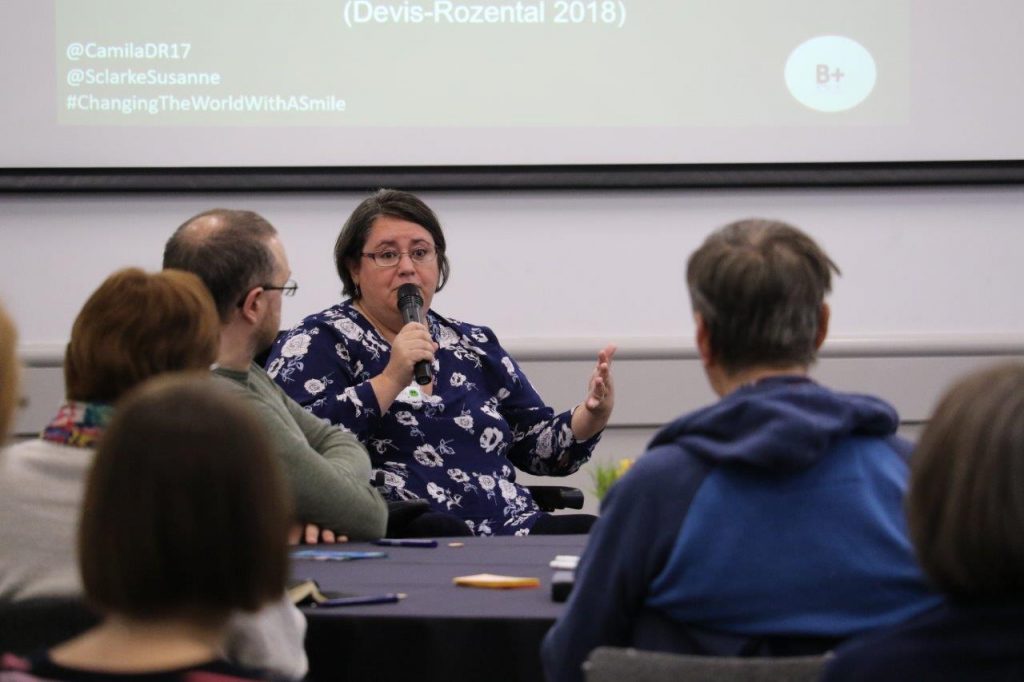
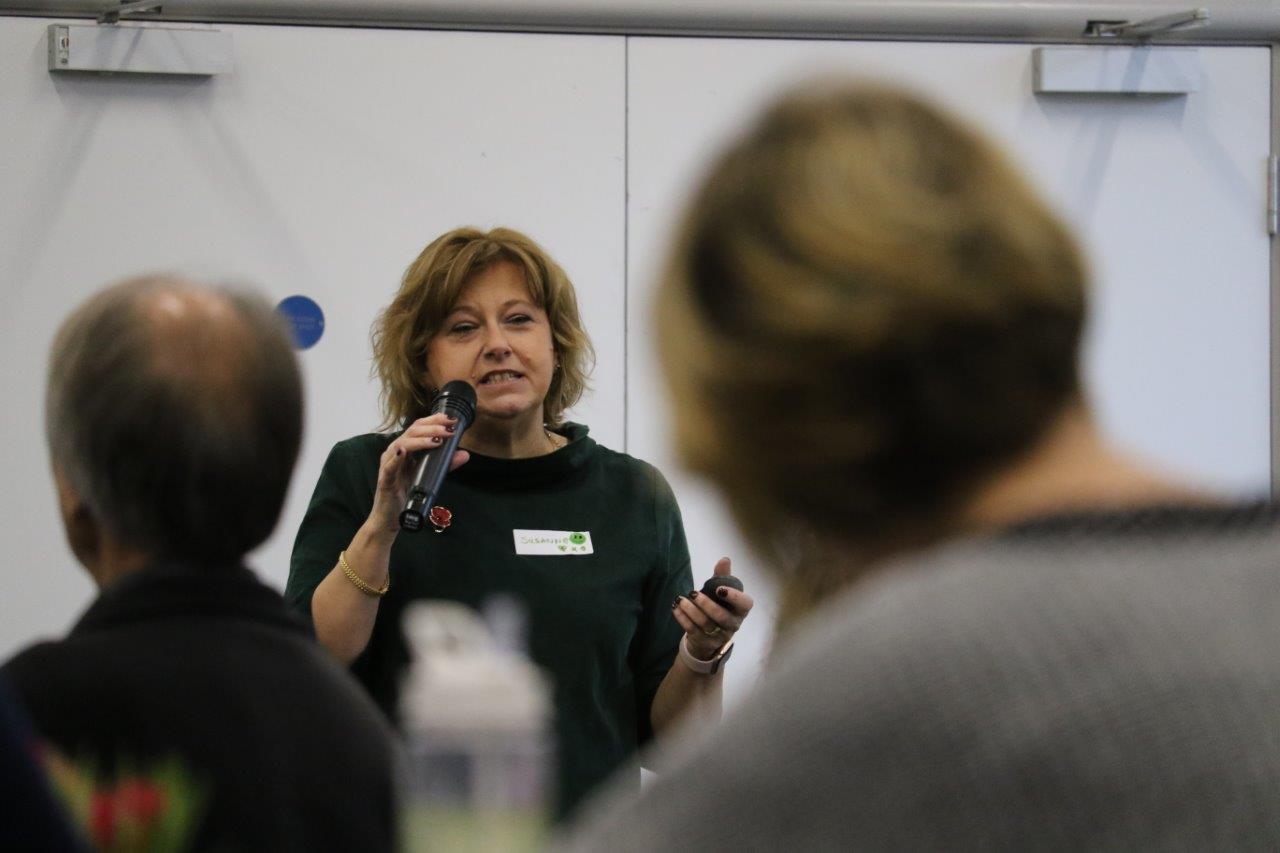
The audience learned how a few simple tips and techniques can make us more resilient, with a more positive attitude towards life. These included mindful eating – taking time to enjoy and experience tastes, how learning new skills can boost your confidence, expressing gratitude and the importance of ‘hippo time’ – giving yourself permission to wallow before moving on with purpose.
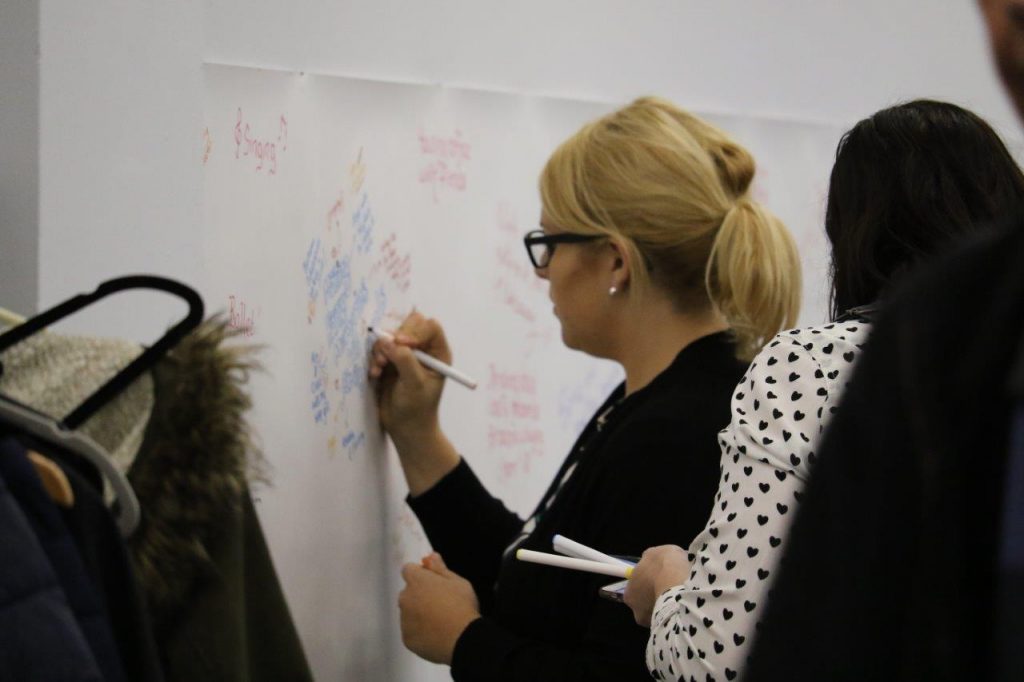
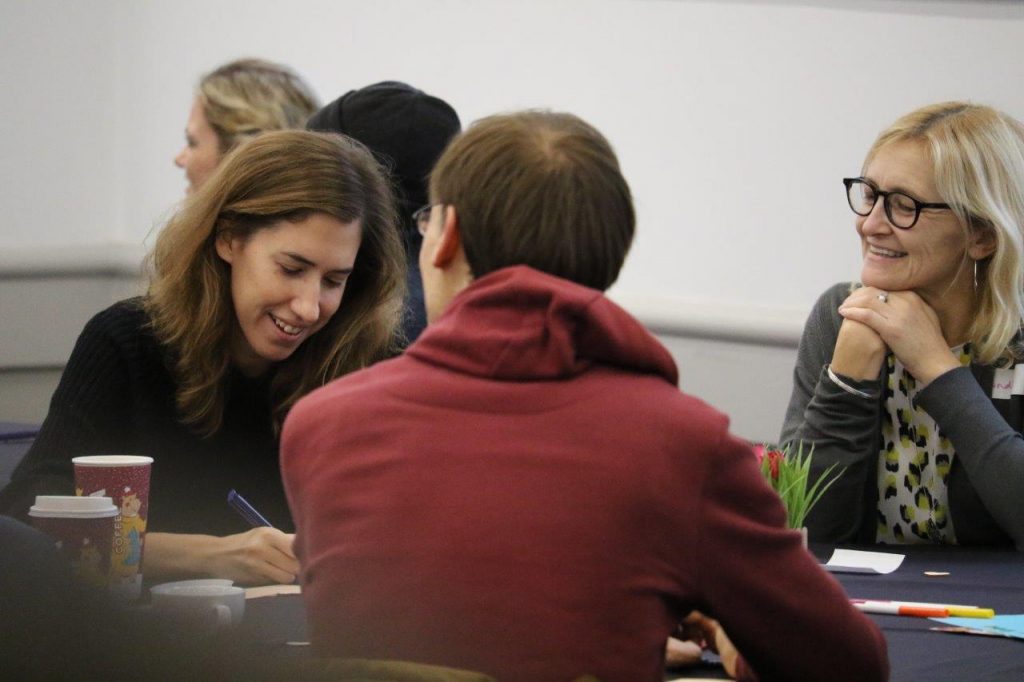
“Reminded me of positivity in all areas of life – so thoroughly enjoyable” – Feedback
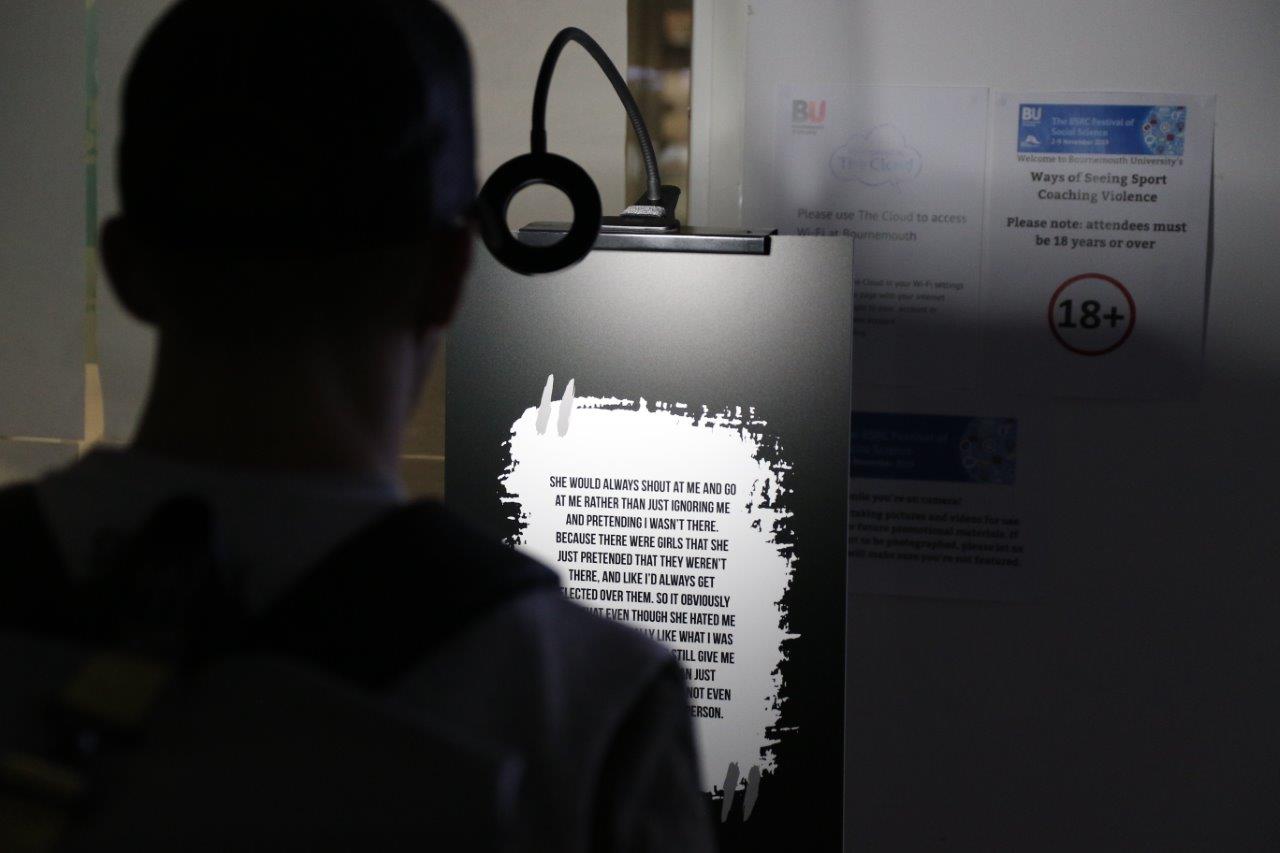
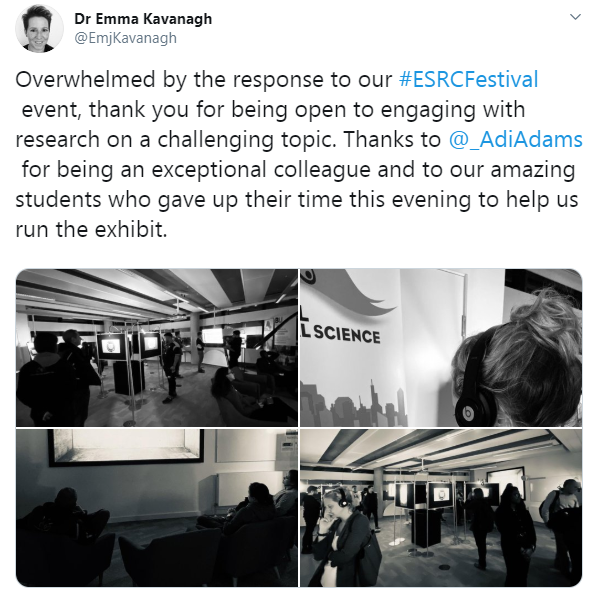
On Monday 4 evening, Dr Emma Kavanagh and Dr Adi Adams presented an innovative and thought-provoking event in ‘Ways of Seeing Sport Coaching Violence’, an audio-visual exhibition conveying experiences of coach-athlete violence. Working with students, including project collaborator Terri Harvey, to develop and deliver the event provided a rewarding and productive experience for all involved, students and academics.
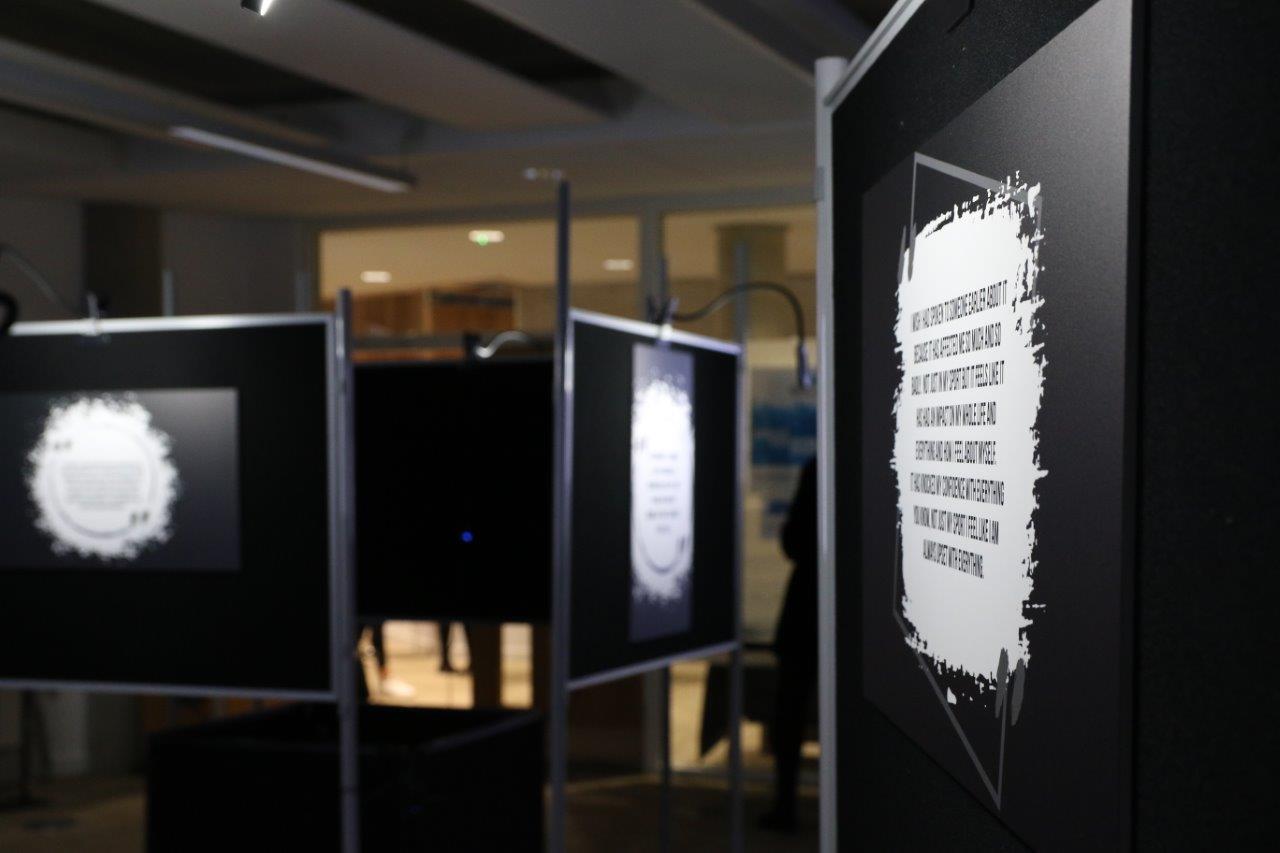
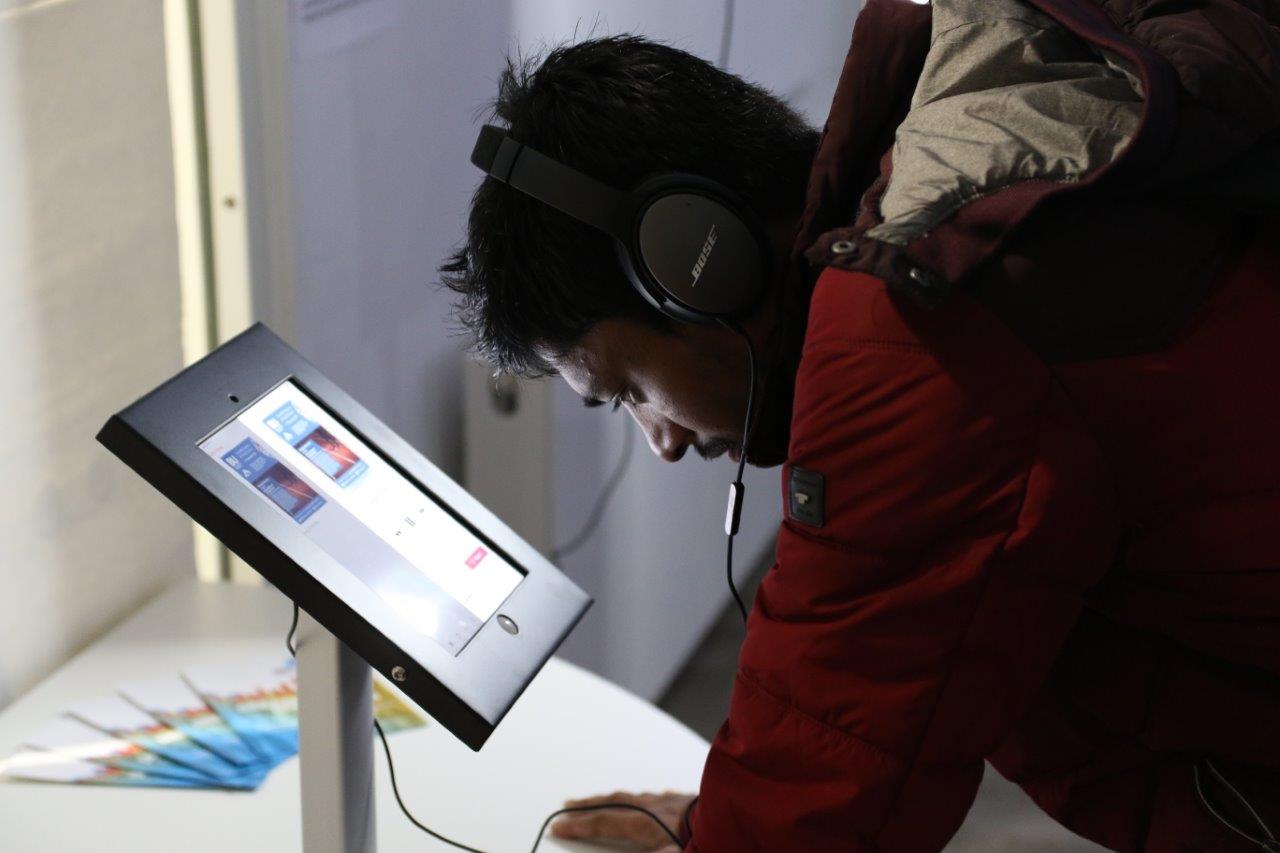
The varied audience included sports coaching students and representatives from local sport coaching organisations, sparking interesting debates and discussions on best practice in coaching.
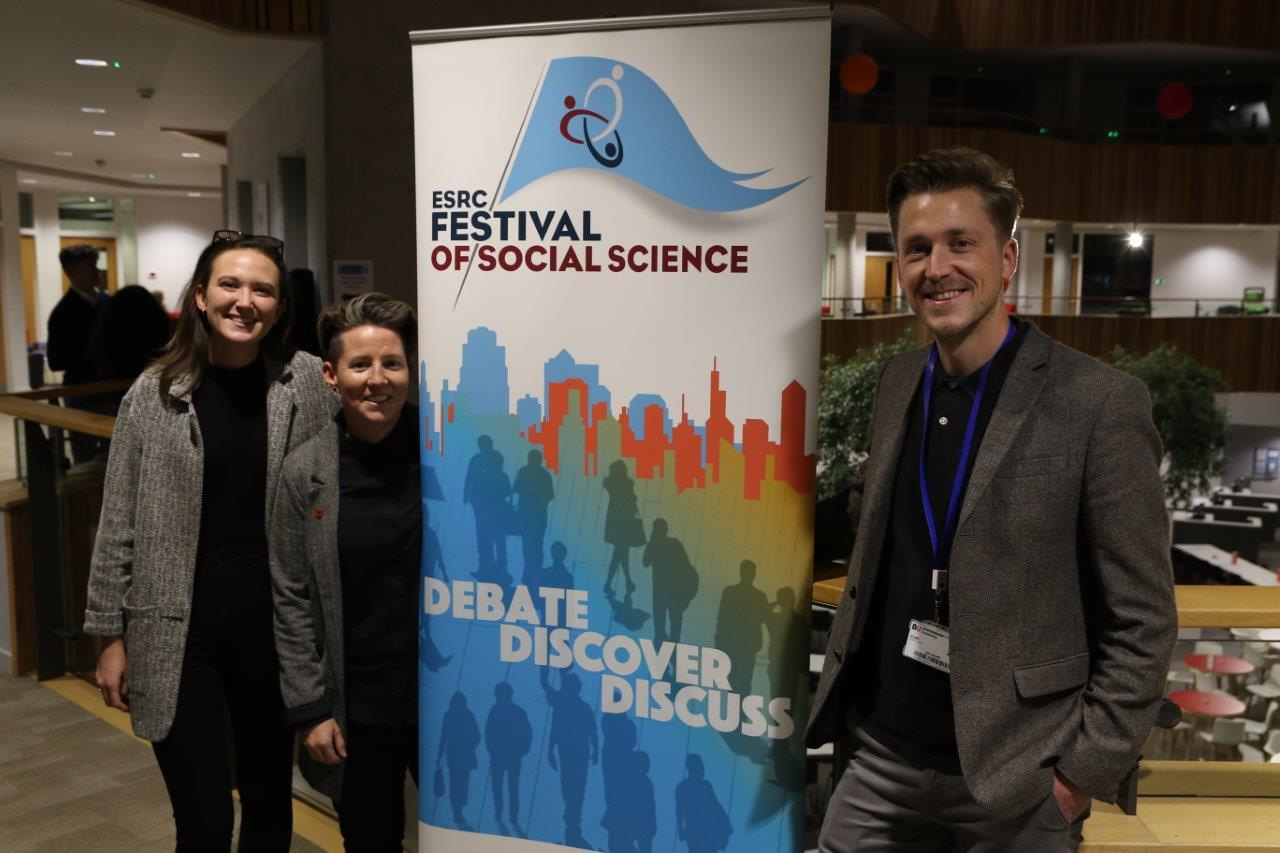
You can read more about the event in this post by Impact Officer Matt Fancy.
We’ll continue our series with a new post tomorrow.
Ways of Seeing Sport Coaching Violence – a unique interactive installation
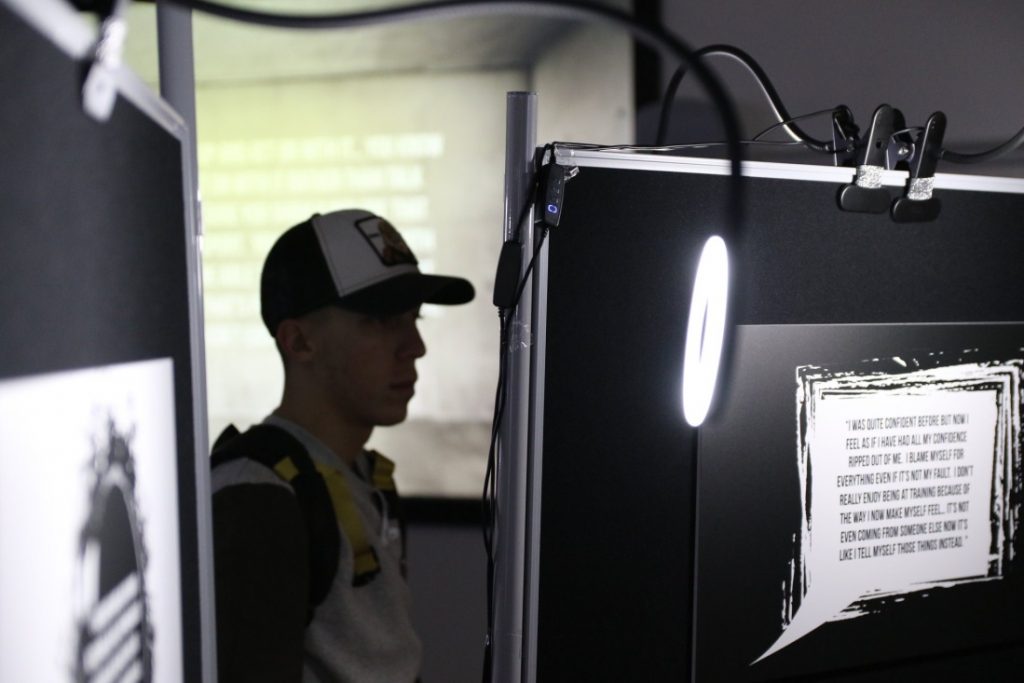
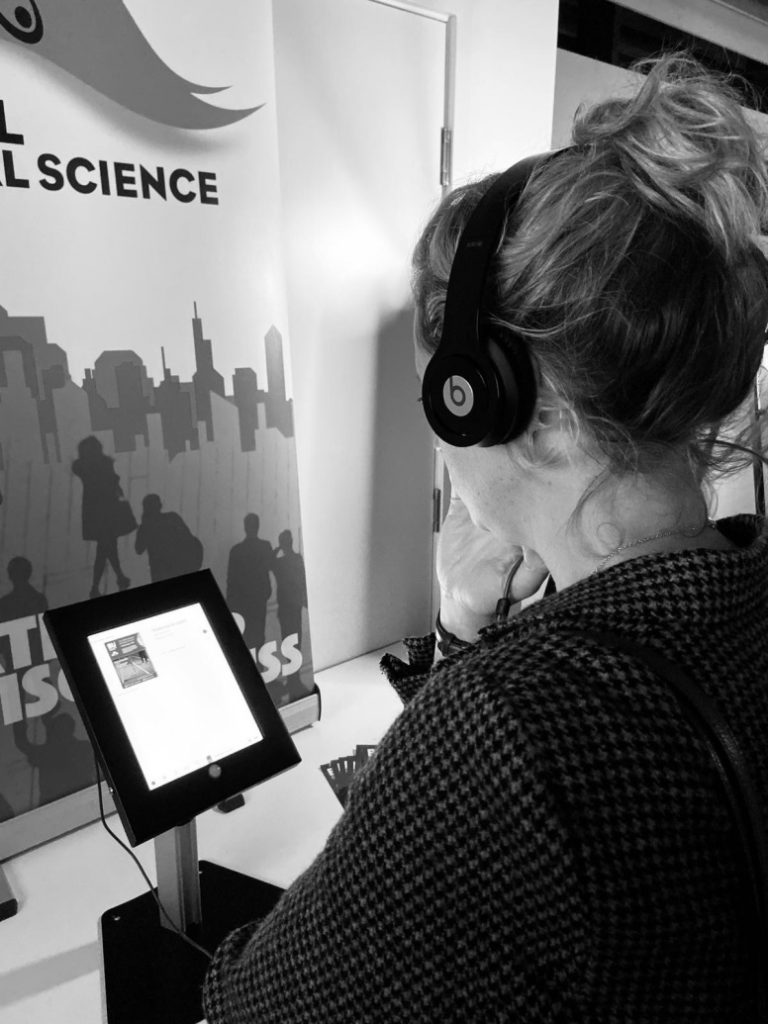
On Monday 4th November 2019, as part of the ESRC festival of social science, Dr Emma Kavanagh and Dr Adi Adams (Faculty of Management) alongside final year sport student Terri Harvey, curated and hosted an arts based installation to showcase their research on inter-personal violence in sport. The event adopted an innovative, immersive, sensory art-based method not traditionally utilised in sport coach education (but widely used in other ‘caring’ professions) to bring their research knowledge to life and allow coaches and other practitioners to engage with data in a dynamic manner. This was achieved through re-presenting research data collected by the BU academics in audio and visual forms.
Abuse, intimidation and violence in sport and coaching remains a significant global problem. In 2017 the British Government published the Duty of Care in Sport Review, sharing the findings of a critical inquiry into the culture and climate of elite sport in the United Kingdom. High performance sport came under significant scrutiny linked to a number of high profile accounts in the media that raised serious questions concerning the safety of elite sporting spaces and the threats they can pose to athlete welfare. Allegations of bullying, racial, sexual and gender abuse alongside other forms of discrimination have been made across Olympic and Paralympic sports. This ESRC event provided an opportunity to engage practitioners in debates surrounding the safety of sporting spaces as a way of promoting the duty of care in practice.
The event brought to life qualitative social science research data, currently available to academics through peer-reviewed journal articles through the production of an immersive arts-based installation. The data was used to enable those who attended to see/hear/feel and confront the contemporary issue of inter-personal violence in the world of sport coaching, from the perspective of ‘others’. The event aimed to bring sport coaches (and other practitioners) together around a shared concern/problem in the sport industry, with the aim of inspiring awareness, understanding, empathy, care and practical solutions to reducing interpersonal-violence. An arts and media-based approach is often adopted in the education of other ‘caring’ professions engaged in complex, difficult, ‘social’ and emotional work (e.g. nurses, medical practitioners, social workers, palliative care workers), yet has gained limited application in the sporting profession.
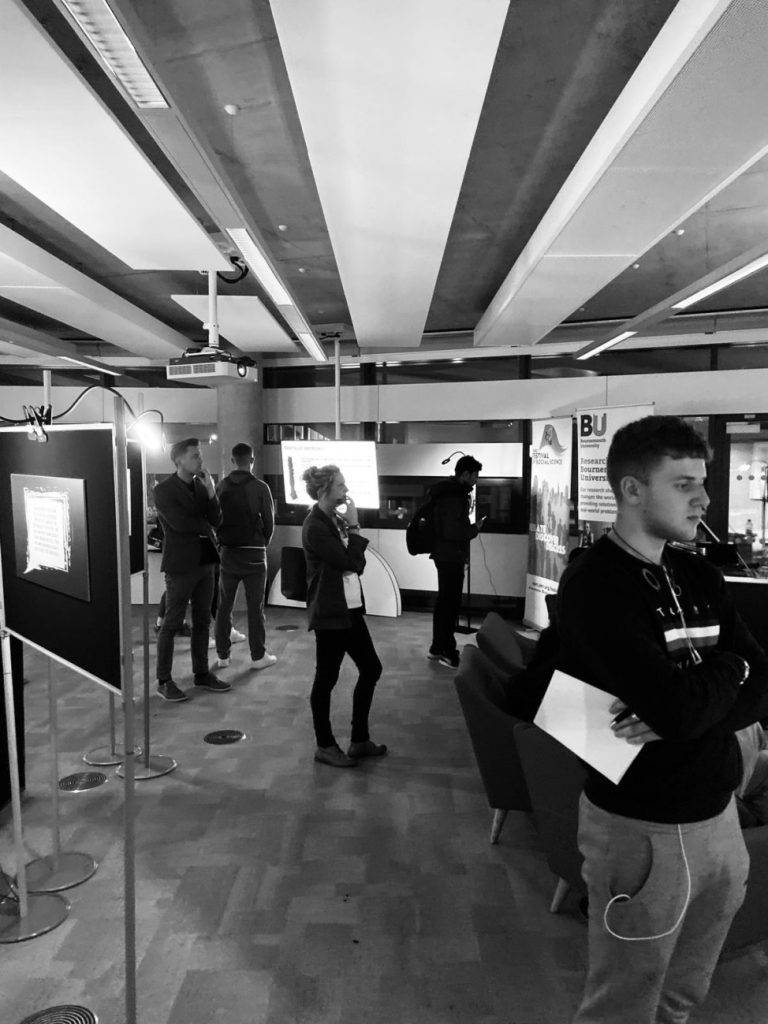
The event attracted significant attention from external practitioners, students and local organisations. Participants moved around and shared the immersive space with others, experiencing the ‘felt difficulty’ (Trevelyan et al., 2014) of ‘what it feels like’ to experience violence and intimidation as a participant in sport. It is anticipated that experiencing this ‘felt difficulty’, provoked by engaging with material that is ‘perplexing’ or ‘disorientating’ has the potential to provide a platform for coaches to reflect authentically on and transform their own practice. The impact of attending the installation is currently the topic of Terri’s dissertation and the team are excited to understand more about how participants experienced the event.
The event would not have been a success without the support of the ESRC team and, in particular, Adam Morris who helped drive the installation forward. In addition, thanks goes to the sport students who volunteered on the evening and actively engaged in the project through ‘becoming voices’. All of these people shared one passion; making sport a safer space for all those who participate in it.
RKEDF – Research Training in November
We have some great events coming up over the next few weeks to support you in your research activities.
November
| Tuesday 5th November | RKEDF: Clinical Research- documentation and filing |
| Wednesday 6th November | RKEDF: Research Outputs – Writing Day |
| Wednesday 13th November | RKEDF: EndNote Desktop for Managing References and Writing for Publication |
| Monday 18th November | RKEDF: UKRO Visit |
| Tuesday 19th November | RKEDF: Environment Narrative Day |
| Tuesday 19th November | RKEDF: Advanced Literature Search Techniques |
| Tuesday 19th November | RKEDF: Working with Industry |
| Tuesday 19th November | RKEDF: Building Evidence for REF Impact Case Studies |
| Tuesday 19th November | RKEDF Impact Planning Session |
| Wednesday 20th November | RKEDF: Inspirational Impact Journey |
| Wednesday 20th November | RKEDF: Leverhulme Trust Visit to BU |
| Tuesday 26th November | RKEDF: Evaluation: Developing your approach |
| Wednesday 27th November | RKEDF: Measuring the Impact of Your Research with Advanced Citation Tools. |
You can see all the Organisational Development and RKEDF events in one place on the handy calendar of events.
Please note that all sessions are now targeted, so look closely at the event page to ensure that the event is suitable for you. In addition, most RKEDF events now require the approval of your Head of Department (or other nominated approver). Please follow the instructions given on the event page and the template email for you to initiate the booking request.
If you have any queries, please get in touch!
Dr Emily Arden-Close from Psychology presents to Santander about problem gamblers
On 16th October, Dr Emily Arden-Close, Senior Lecturer in Psychology, presented to Santander Group about how they can help problem gamblers. This was based on research she had conducted exploring ex-problem and social gamblers’ experiences of gambling and perceptions of EROGamb, technology developed by the Responsible Online Gambling Research Team for managing responsible online gambling.
The presentation generated a lot of discussion, and is expected to lead Santander Group taking an active role in developing policy to enable early identification of problem gamblers.
New BU paper: Health of Nepali migrants in India
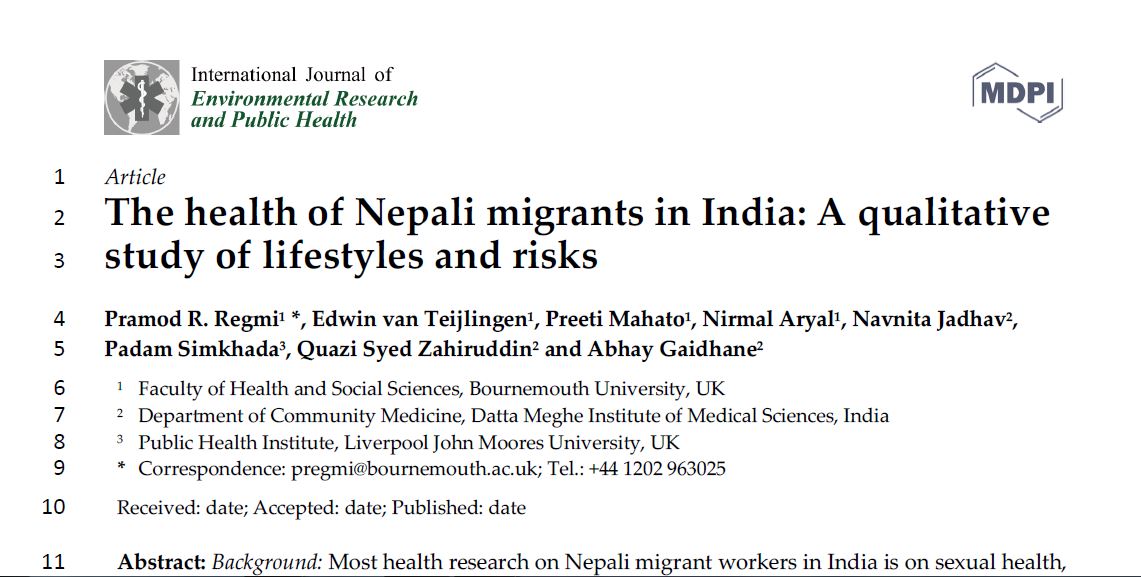 Today the International Journal of Environmental Research and Public Health accepted our paper ‘The health of Nepali migrants in India: A qualitative study of lifestyles and risks’ [1]. The research in this paper was funded through Connect India is Bournemouth University’s Hub of Practice for the Indian subcontinent. It brought together a community of researchers, educators, practitioners and students, both at Bournemouth University and across the Indian subcontinent.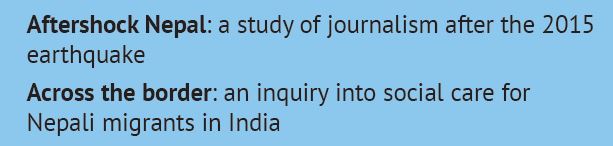
The lead author, Dr. Pramod Regmi, is lecturer in International Health in the Department of Nursing & Clinical Science. His co-authors are based in the UK, Nepal and India. BU authors are: Pramod Regmi, Edwin van Teijlingen, Preeti Mahato and Nirmal Aryal as well as BU Visiting Faculty Prof. Padam Simkhada. The International Journal of Environmental Research and Public Health is an interdisciplinary Open Access journal, hence when published this paper will be freely available to readers across the globe, including India and Nepal.
Reference:
- Regmi, P., van Teijlingen, E., Mahato, P., Aryal, N., Jadhav, N., Simkhada, P., Syed Zahiruddin, Q., Gaidhane, A., (2019) The health of Nepali migrants in India: A qualitative study of lifestyles and risks Journal of Environmental Research & Public Health (forthcoming)
Improving the impact section of your funding bids
 Writing the impact section in a grant application can be challenging but a strong impact summary and description of the impact pathway/s can make all the difference between getting your research funded or not.
The RKEDF training session, Impact and Funding Bids, on Tuesday 1st October, 13:00-15:00, at Talbot Campus will help you understand exactly what you need to write for the best chance of success.
Facilitated by Impact Officers Matt Fancy and Amanda Edwards and Funding Development Officer Eva Papadopoulou, the session will give practical advice on completing the impact summary and pathway to impact sections of funding applications as well as best practice examples.
The session is aimed at academics at all stages of their careers, but it likely to be especially useful for ECRs preparing their first funding bids.
For further details and to register, follow the link to the OD booking page: Impact and Funding Bids.
Research training and events coming up soon
We have some great events coming up over the next few weeks to help support you in your research activities. Unless otherwise specified, please follow the link for more info and to book.
| Wednesday 25th September | ACORN Information Workshop, F306, 14:00 – 15:00 , contact acorn@bournemouth.ac.uk to book |
| Tuesday 1st October | RKEDF: Introduction to Impact (FMC) |
| Tuesday 1st October | RKEDF: Impact and Funding Bids |
| Tuesday 8th October | RKEDF: Research Ethics @ BU |
| Tuesday 8th October | RKEDF: Getting started on applying for research funding |
| Wednesday 9th October | Networking meeting for Early Career Researchers, contact RKEDF@bournemouth.ac.uk for more info |
| Tuesday 15th October | RKEDF: Good Clinical Practice ‘Lite’ |
| Wednesday 16th October | RKEDF: Getting started in public engagement with research |
| Thursday 17th October | RKEDF: BRIAN: Building your staff profile |
| Monday 21st October | RKEDF: High Quality Public Engagement |
| Monday 21st October | ACORN Information Workshop, Create Lecture Theatre, 15:00 – 17:00, contact acorn@bournemouth.ac.uk to book |
| Thursday 24th October | RKEDF: Overview of NIHR, CRNs and NIHR portfolio |
| Wednesday 30th October | RDS Academic and Researcher Induction Event |
These events are delivered as part of the overarching Research and Knowledge Exchange Development Framework – RKEDF. On the RKEDF intranet page, training events have been grouped around your needs, so if, for example, you are an Early Career Researcher or need to know about external funding, you can click on the link to find a tailored list of all the RKEDF sessions that may assist you. You can also find related events by using the link on each session’s page.
You can also see all the Organisational Development and RKEDF events in one place on the handy calendar of events.
Please note that all sessions are now targeted, so look closely at the event page to ensure that the event is suitable for you. In addition, many RKEDF events now require the approval of your Head of Department (or other nominated approver). Please follow the instructions given on the event page and the template email for you to initiate the booking request.
If you have any queries, please get in touch!
STEM for Britain 2020 – Call for Posters
STEM for Britain, hosted by the Parliamentary and Scientific Committee, is a poster competition for early-career researchers, and will take place in the Houses of Parliament on Monday 9th March 2020.
Applications for posters will open on Monday 23rd September 2019 to early career research scientists, engineers, technologists and mathematicians to exhibit posters in one of the following five areas:
- Biological and Biomedical Sciences
- Chemistry
- Engineering
- Mathematical Sciences
- Physics
Prizes will be awarded for the posters presented in each discipline which best communicate high level science, engineering or mathematics to a lay audience.
BU is inviting expressions of interest from those who would like to apply. Please email Lisa Andrews, RDS Research Facilitator with two sentences on what your poster would cover.
Full details of the competition and exhibition, including the application form will be made available on www.stemforbritain.org.uk from 23rd September.
Promoting Nursing CPD in Nepal
Bournemouth University facilitated a Strategic planning meeting to develop a Continuing Professional Development (CPD) Framework for Nepal last week in Kathmandu. The planning meeting was held on 30th July 2019 at the Institute of Medicine IOM Maharajgunj Nursing Campus. Midwifery is not formally recognised in Nepal, i.e. as a profession separate from nursing, therefore when refer to nursing CPD in this blog we mean both ‘nurses’ and ‘nurse-midwives’.
Bournemouth University is collaborating in this project with Liverpool John Moores University (LJMU) in the UK, the IOM Nursing Campus, the Nursing Association of Nepal (NAN), MIDSON, the Nepal Nursing Council (NNC) and several other key stakeholders in Nepal to support nursing regulatory bodies to establish mandatory CPD and/or post-registration training programmes relevant to their current practice in nursing. 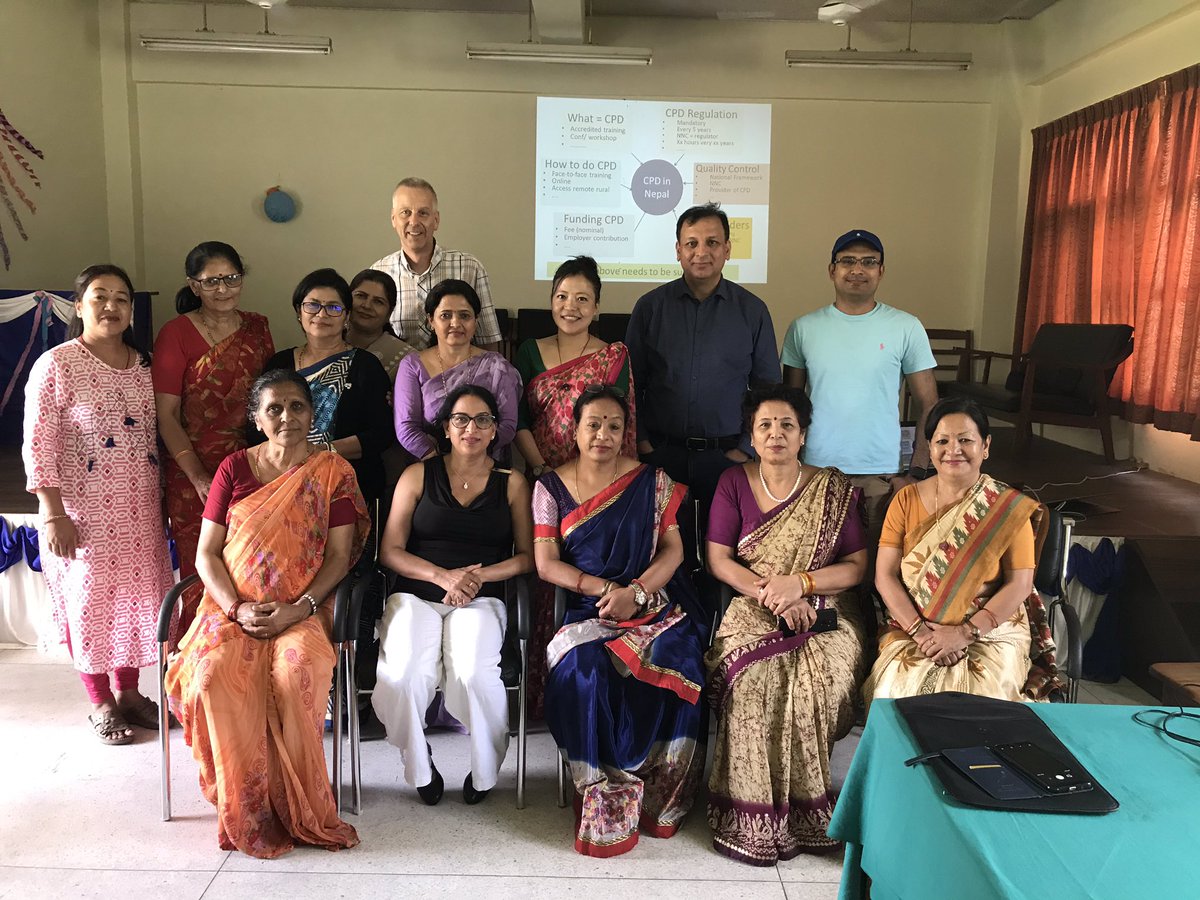
The Bournemouth team (led by Dr. Bibha Simkhada with Prof. Edwin van Teijlingen and Dr.Pramod Regmi) argued that CPD offers nurses the opportunity to maintain, improve and broaden knowledge, expertise and develop their personal and professional qualities to enhance practice and career development. Nepal has had limited process and progress in ensuring CPD for nurses and the uptake of post-registration education and training programmes or CPD tends to be ad hoc. Generally, CPD in Nepal remains under-developed as showing evidence of having received CPD is not currently a requirement of nurses when they re-register every five year.
 This project is a good example of a BU FUSION project as our earlier Research in the form of a needs assessment will to the introduction of CPD which is of course, post-registration Education in nursing, helping to improve Practice in a low-income country. We think we have had at least some impact on nursing in Nepal as the general feeling of our strategic planning meeting positive towards introducing CPD in the near future in Nepal.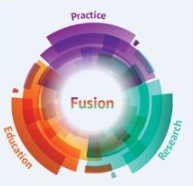
STEM for Britain 2020 – Call for Posters
STEM for Britain, hosted by the Parliamentary and Scientific Committee, is a poster competition for early-career researchers, and will take place in the Houses of Parliament on Monday 9th March 2020.
Applications for posters will open on Monday 23rd September 2019 to early career research scientists, engineers, technologists and mathematicians to exhibit posters in one of the following five areas:
- Biological and Biomedical Sciences
- Chemistry
- Engineering
- Mathematical Sciences
- Physics
Prizes will be awarded for the posters presented in each discipline which best communicate high level science, engineering or mathematics to a lay audience.
BU is inviting expressions of interest from those who would like to apply by Thursday 12th September. Please email Lisa Andrews, RDS Research Facilitator with two sentences on what your poster would cover. Applicants will be shortlisted on Monday 16th September. Those chosen to apply, will be supported to do so ahead of the Parliamentary and Scientific Committee’s external deadline of 2nd December.
Full details of the competition and exhibition, including the application form will be made available on www.stemforbritain.org.uk from 23rd September.
CoPMRE Sixteenth Annual Symposium Frailty: Enhancing Lives 9.10.19

Following the government’s industrial strategy grand challenge on Ageing Society, this year’s conference will be exploring the theme of frailty. The key areas will be:
- Current health needs – the demographic and societal challenge
- Predicting transition to frailty
- The role of digital technology in maintaining independence
Keynote Speakers
Professor Martin Vernon, National Director for Older People, NHS England
Professor Mark Hawley, Professor of Health Services Research (ScHARR), Director Centre for Assistive Technology and Connected Care (CATCH), University of Sheffield
Event Information
Sixteenth Annual Symposium, Frailty: Enhancing Lives, Wednesday 9 October, Bournemouth University, Executive Business Centre (EBC), Lansdowne, Bournemouth.
Register now for your free place
Audrey Dixon
CoPMRE Manager
Meet the Editors – save the date
When: Monday 9th September 2019, 12 noon – 1.30.
Bring lunch, we will provide the coffee/tea and cake
Where: B321, Bournemouth House,
Who: Lee-Ann Fenge and Tula Brannelly
Lee-Ann and Tula sit on the editorial board of the fabulous journal Ethics and Social Welfare. If you have not come across it, it is ten year old journal that specialises in ethics of social work, marginalised communities and theoretical developments in applied philosophy. The journal has a wide international readership, and is particularly popular in Australia and New Zealand. The journal has a commitment to new scholars, and wants to encourage new writers to publish alongside established authors. There is an under subscribed practice section that encourages papers from students, which has shorter contributions that focus on ethics and practice. This is an opportunity to co-create those journal articles that are looking for a home.
Tula and Lee-Ann can tell you more about the journal and how to write for it at this session. We are happy to discuss partial papers, advise on submissions and review processes and provide tailored information about publishing with the journal. Members of the editorial board are doing this in their universities to support capacity building and promote the journal.
If you know of local health and social care practitioners who would like to publish about ethics and practice, please invite them along too.
We look forward to seeing you there. No need to RSVP
BU staff can login below:
Other services







Recent posts
BU research Funding opportunities EU
- Personal Reflection on Sharing Research Through Art: Collaborating to Understand Ageing in a Digital World
 SONAMONI contributions to Safety Conference 2026 in South Africa
- REF adds ‘midwifery’ to Unit of Assessment 3 name
 Three CMWH presentations at Berlin conference
 New interdisciplinary paper on Nepal
- New BU Social Work paper published this week
 Horizon Europe Cluster 3 (Civil Security for Society) 2026 Calls Now Open
 MSCA Doctoral Networks 2026 Call Information Webinar
 ESRC Festival of Social Science 2026: Application Deadline Extended to Thursday 25 June 2026
- Apply now to take part in the 2026 ESRC Festival of Social Science
 Reminder: Register for the ESRC Festival of Social Science 2026 Information Session
 ECR Funding Open Call: Research Culture & Community Grant – Apply now
- MSCA Postdoctoral Fellowships 2025 Call
 ERC Advanced Grant 2025 Webinar
- European Migration Research and Impact – Invitation to a Roundtable Discussion
- MSCA Postdoctoral Fellowships 2025
 Update on UKRO services
 European research project exploring use of ‘virtual twins’ to better manage metabolic associated fatty liver disease
 Research Information Network
- Physical Sciences Case studies: information use and discovery
- Information handling in collaborative research: an exploration of five case studies
- Information literacy monitoring and evaluation
- Data centres: their use, value and impact
- Heading for the open road: costs and benefits of transitions in scholarly communications