Community voices is a collaboration between BU PIER partnership and Centre for Seldom Heard Voices to provide a platform and a voice to local community activists.
Please do join us for this webinar….
Latest research and knowledge exchange news at Bournemouth University
Community voices is a collaboration between BU PIER partnership and Centre for Seldom Heard Voices to provide a platform and a voice to local community activists.
Please do join us for this webinar….
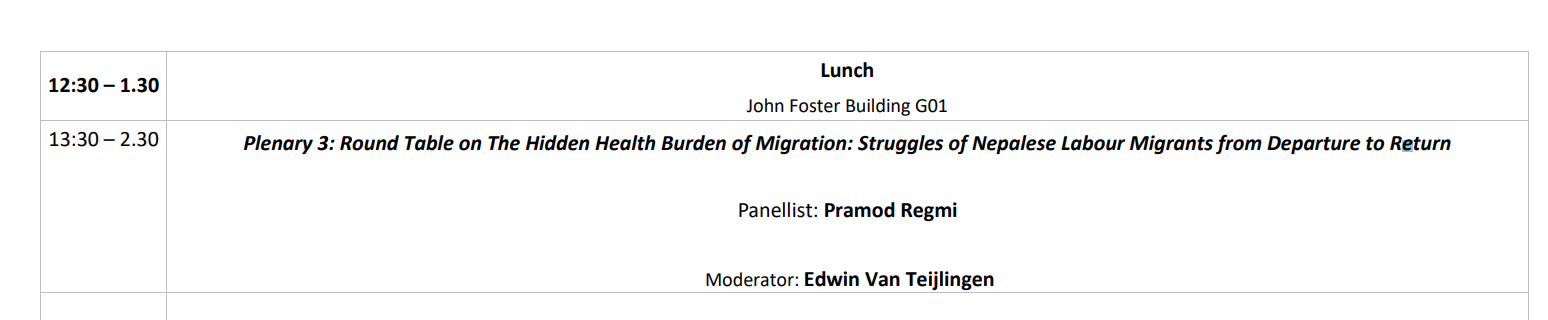
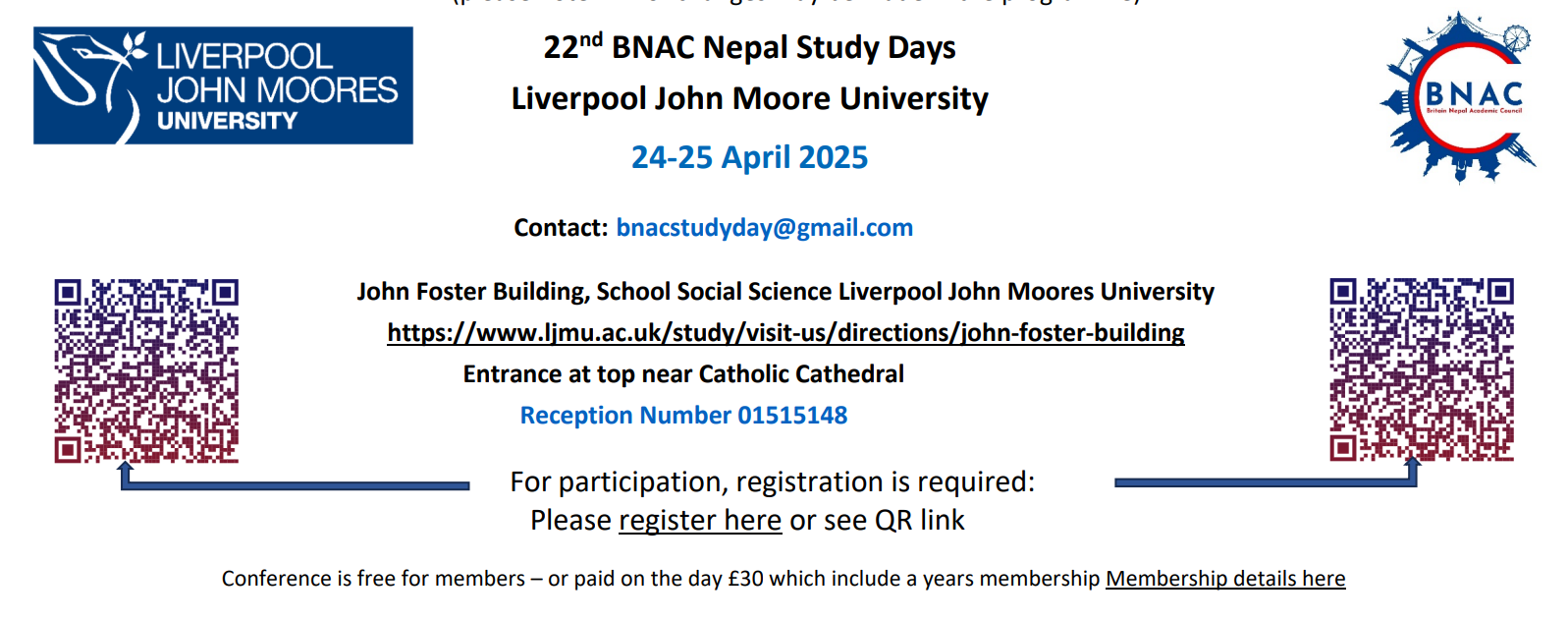
This year’s annual conference of BNAC (Britain-Nepal Academic Council) will be held on April 24-25 at Liverpool John Moores University. Dr. Pramod Regmi, Principal Academic in International Health in the Department of Nursing Sciences, will be a panellist on a Round Table discussion on the topic of ‘The Hidden Burden of Migration: Struggles of Nepalese Labour Migrants from Departure to Return’.
This contribution is inspired by history of BU research into the health and well-being of migrant workers from Nepal by Dr.Regmi, Dr. Nirmal Aryal, Dr. Orlanda Harvey, Prof. Edwin van Teijlingen as well as Bournemouth University PhD students Yagya Adhikari and Anjana Regmi Paudyal. Dr. Regmi’s more recent publications on the topic include papers on: modern slavery [1], kidney disease [2-4], pre-departure training of aspiring migrant workers in Nepal [5], moral panics and societal fear around migrant workers and COVID-19 [6-7], Nepalese migrant workers in Malaysia [8-9], left-behind families of migrant workers [10], migrant workers and the 2022 FIFA male football world cup [11-12], Nepalese migrants in the UK [13] as well as literature review [14].
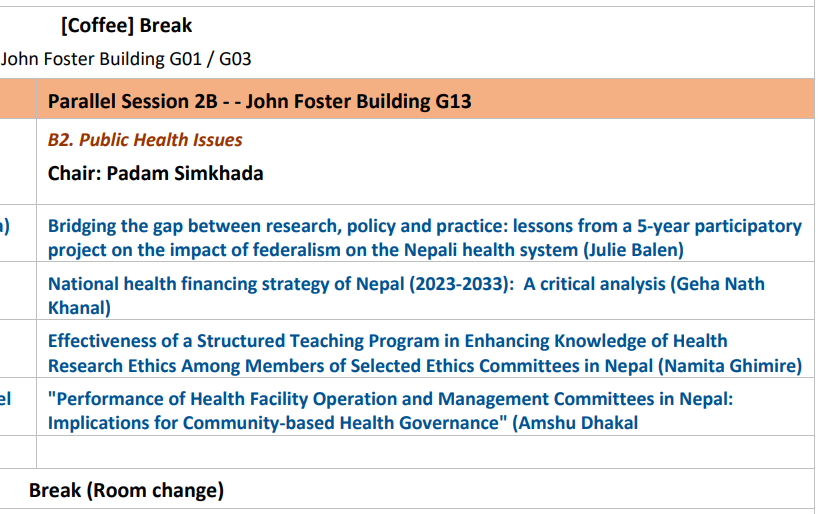
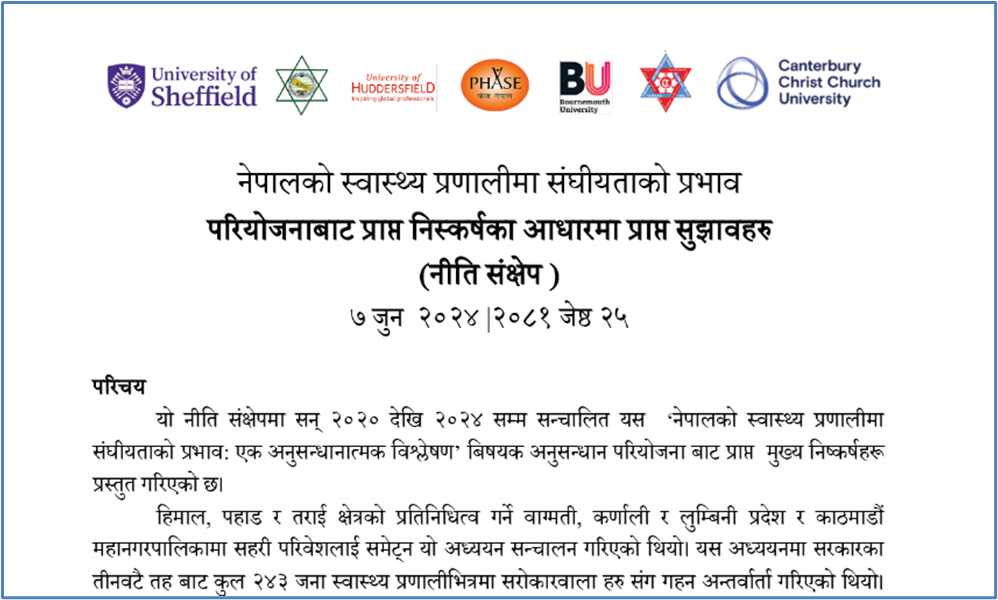
Bournemouth University is further involved in two presentation originating from the project studying the impact of the introduction of federalisation in Nepal on its health system. Details about our project are on the website Nepal Federal Health System Project. This study was funded by the UK Health Systems Research Initiative [Grant ref. MR/T023554/1] to study the consequences for the health system of Nepal’s move from a centralised political system to a more federal government structure in 2015.
Our interdisciplinary joint project was led by the University of Sheffield in collaboration with Bournemouth University, the University of Huddersfield, Canterbury Christ Church University and two institutions in Nepal, namely Manmohan Memorial Institute of Health Sciences (in Nepal) and PHASE Nepal. In late 2022 further funding was awarded by
the Medical Research Foundation to Prof. Julie Balen, from Canterbury Christ Church University, to disseminate the findings of our UK Health Systems Research Initiative-funded research in Nepal. These two papers will be presented by our collaborators, namely Prof. Julie Balen of Canterbury Christ Church University and Ms. Amshu Dhakal from Manmohan Memorial Institute of Health Sciences in Kathmandu, Nepal.
References:
Today ResearchGate informed us that our 2010 paper ‘Women’s autonomy in household decision-making: A demographic study in Nepal‘ [1] has been read 5,000 times. This academic paper published in the international journal Reproductive Health is Open Access, hence available to anybody globally with internet access. The study explored the links between women’s household position in Nepal and their autonomy in decision making. Using existing data (n = 8,257) from the Nepal Demographic Health Survey (NDHS) 2006 we (Dr. Pramod Regmi and Prof. Edwin van Teijlingen with colleagues from other UK universities) focused on four types of household decision making: (1) women’s own health care; (2) making major household purchases; (3) making purchase for daily household needs; and (4) visits to her family or relatives.
We found that women’s autonomy in decision making is positively associated with their age, employment and number of living children. Women from rural area and Terai region (the southern part of Nepal bordering India) have less autonomy in decision making in all four types of outcome measure. There is a mixed variation in women’s autonomy in the development region across all outcome measures. Western women are more likely to make decision in own health care (1.2-1.6), while they are less likely to purchase daily household needs (0.6-0.9). Women’s increased education is positively associated with autonomy in own health care decision making (p < 0.01), however their more schooling (school-leaving certificate and above) shows non-significance with other outcome measures. Interestingly, rich women are less likely to have autonomy to make decision in own healthcare.
Reference:
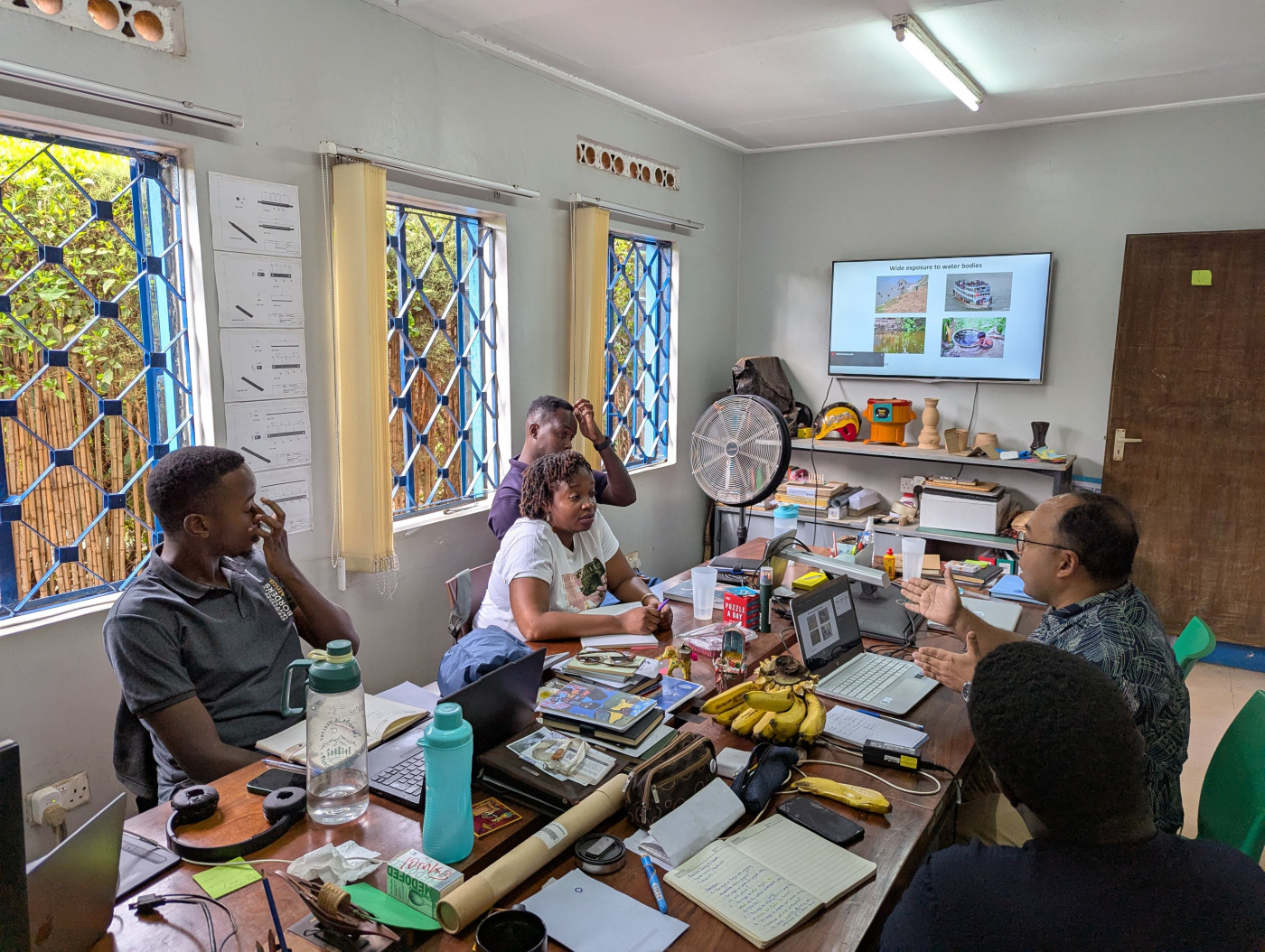
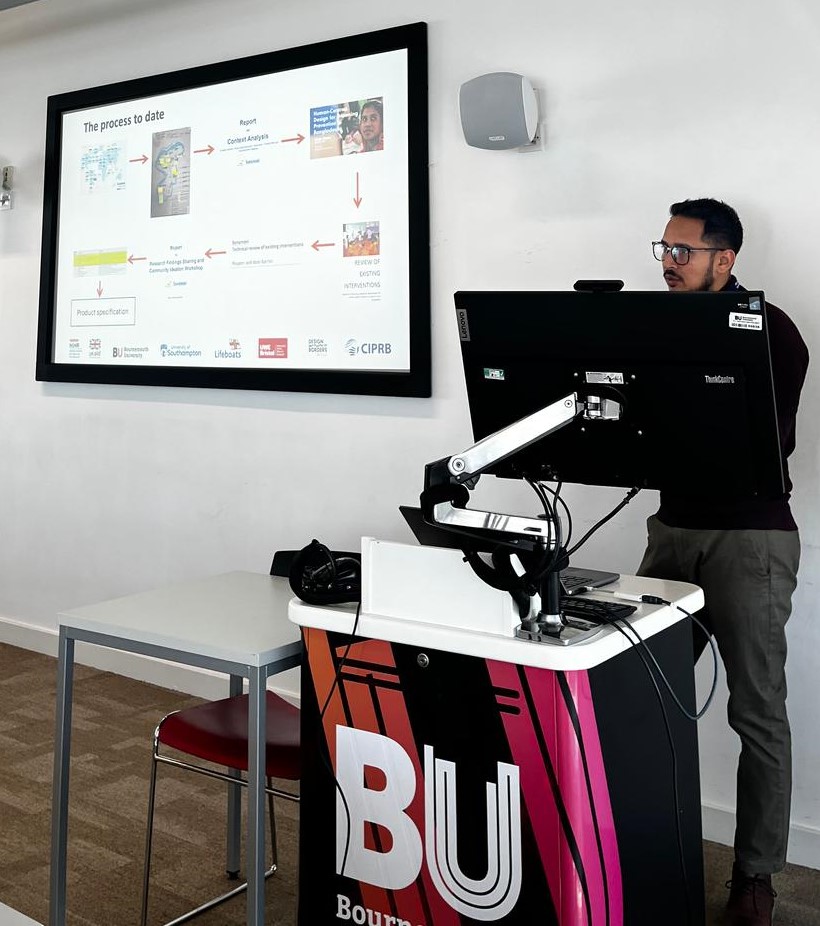
The Department of Design and Engineering at Bournemouth University has a reputation for its Human-Centred Design (HCD) work. In our interdisciplinary Sonamoni project we have HCD at its centre. The Sonamoni project is coordinated by Bournemouth University in collaboration with the University of the West of England (Bristol), the University of Southampton, and the Royal National Lifeboat Institution (RNLI), Design Without Border (DWB) in Uganda and Centre for Injury Prevention and Research, Bangladesh (CIPRB). The interdisciplinary team at Bournemouth University covers three faculties and six academics: Dr. Mavis Bengtsson, Dr. Kyungjoo Cha, Dr. Mehdi Chowdhury, Dr. Yong Hun Lim, Mr. John Powell, and Prof. Edwin van Teijlingen.
Last month two staff from CIPRB, Notan Chandra Dutta and Mirza Shibat Rowshan visited DBW in Uganda, as part of so-called South-South learning. Their objective was to share (1) knowledge and experience of using HCD techniques and (2) best practices of drowning prevention in both countries. Utilizing HCD techniques, Sonamoni is working to identify and prioritize potential solutions, develop prototypes, and assess the acceptability of the interventions to reduce drowning deaths among old children under two in Bangladesh.
During the visit, Notan and Shibat participated a four-day ideation workshop with the fisher community near Lake Victoria, organized by DWB. In the workshop, different HCD tools were used along with other group activities to generate and refine ideas for the solutions. The generated ideas were recorded by visualization tools. Notan and Shibat also attended a session on the principles of creative facilitation of HCD, including the need to understand the problem, role of the facilitator and other stakeholders. Various visualization tools were discussed, e.g. ‘journey maps’, ‘stakeholder map’, ‘context map’ and different types of sketches. Notan shared CIPRB’s experiences of managing the best drowning prevention practices and its challenges from Bangladesh context.
This international project funded by the National Institute for Health and Care Research (NIHR) through their Research and Innovation for Global Health Transformation programme, also includes a BU-based PhD student, Mr. Md. Shafkat Hossein. Last week Shafkat presented our Sonamoni project in lecture to BU Engineering students at Talbot campus.
Prof. Edwin van Teijlingen
ESRC Festival Info Session Rescheduled to Wednesday 23 April 11am-12pm
Online information session
Join our online information session to enhance your chances of a successful application and learn how to make the most of this exciting opportunity.
BU’s Public Engagement Team will co-host this session with the University of Southampton Impact Funding Team. During the session, you will hear about past festival events at both universities, learn first-hand experiences from previous participants, and gain an understanding of the application process. You will also receive guidance on how to get involved in this year’s festival.
Wednesday 23 April 2025
11am – 12pm
Online (via Teams)
To attend, please register and we will be in touch with further information
Find out more about how you can take part in the 23rd Annual ESRC Festival of Social Science
If you have any questions, please get in touch publicengagement@bournemouth.ac.uk
The ESRC Festival of Social Science (FoSS) is back, running from 18 October to 8 November 2025.
Partnership with the University of Southampton
For the third consecutive year, Bournemouth University is partnering with the University of Southampton (UoS) to deliver a programme of social science events across Dorset and Hampshire. This collaboration enables BU researchers to organise joint events with UoS colleagues and share impactful research with a broader community.
Funding available for your social science event
Apply for up to £1,000 and join the ESRC Festival of Social Science 2025 to showcase your research.
Online information session
Join our online information session to enhance your chances of a successful application and learn how to make the most of this exciting opportunity.
BU’s Public Engagement Team will co-host this session with the UoS Impact Funding Team. During the session, you will hear about past festival events at both universities, learn first-hand experiences from previous participants, and gain an understanding of the application process. You will also receive guidance on how to get involved in this year’s festival.
Wednesday 2 April 2025
11am – 12pm
Online (via Teams)
To attend, please register and we will be in touch with further information
Get inspired about planning your event
The 2025 open call will launch soon. In the meantime, explore these resources from last year to gather ideas and see which events resonated with public audiences while aligning with the festival’s goals:
To help with planning and audience engagement, check out these useful guides from last year’s open call:
If you would like to start discussing your ideas, please get in touch publicengagement@bournemouth.ac.uk
The ESRC Festival of Social Science (FoSS) returns from 18 October to 8 November 2025. This is a fantastic opportunity for researchers to showcase their work in the UK’s largest celebration of social science research.

Partnership with the University of Southampton
For the third consecutive year, Bournemouth University is partnering with the University of Southampton (UoS) to deliver a programme of social science events across Dorset and Hampshire. This collaboration enables BU researchers to organise joint events with UoS colleagues and share impactful research with a broader community.
Why get involved?
Online information session
BU’s Public Engagement Team will co-host an online information session with the Impact Funding Team (Research and Innovation Services, UoS). During the session, you will learn about past FoSS events at both universities and hear first-hand experiences from previous participants. The session will also explain the application process and guide you on how to get involved in this year’s festival.
Wednesday 2 April 2025
11am – 12pm
Online (via Teams)
To attend, please register and we will be in touch with further information.
Thinking about applying?
The call for applications will open soon. In the meantime, if you are considering applying, we recommend reviewing the 2024 festival open call to gain a clear understanding of the expectations and festival criteria. Understanding the ESRC’s guidelines and expectations is key to submitting a strong application.
If you have colleagues at the University of Southampton who might be interested in running a joint event, consider reaching out to explore collaboration opportunities. Joint events can strengthen your application and broaden your impact, so they are strongly encouraged.
Get inspired by past festival events. For ideas and inspiration, take a look at:
These resources can help you better understand the types of events that resonate with public audiences and align with the festival’s goals.
Helpful guides
These guides from last year’s open call are valuable resources to help you understand and support event planning and audience engagement.
Funding and Support
Funding of up to £1,000 per event is available to support your event. BU’s Public Engagement team will offer ongoing advice and guidance at every stage – from application and event development to planning, delivery, and evaluation.
New drop-in surgery for application support
In addition to the information session, the Public Engagement Team will be hosting a drop-in surgery on campus, providing you with the opportunity to meet the team and receive additional support for your application.
This will:
Take advantage of this support to enhance your proposal and perfect your event plans.
If you would like to start discussing your ideas, please get in touch with the team at publicengagement@bournemouth.ac.uk
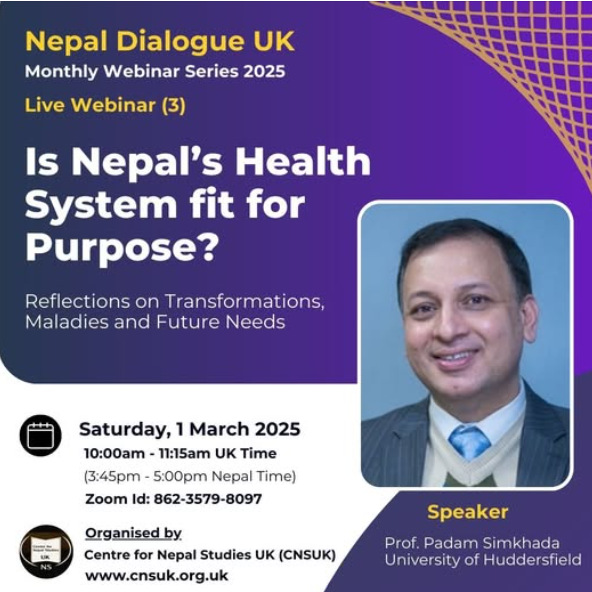
Today, Saturday morning, BU Visiting Professor Padam Simkhada from the University of Huddersfield was guest speaker at the third Nepal Dialogue UK webinar series of the Centre for Nepal Studies UK (CNSIK). His presentation was titled Is Nepal’s Health System fit for Purpose? Reflections on Transformations, Maladies and Future Needs. He outlined the state of health (epidemiology) as well as that of the health system. He presented a lot of change in the health of the population, in the health system, as well as issues around human resources, including the high rate of migration of health workers. He highlight that there is in Nepal insufficient investment in health, unethical practices,
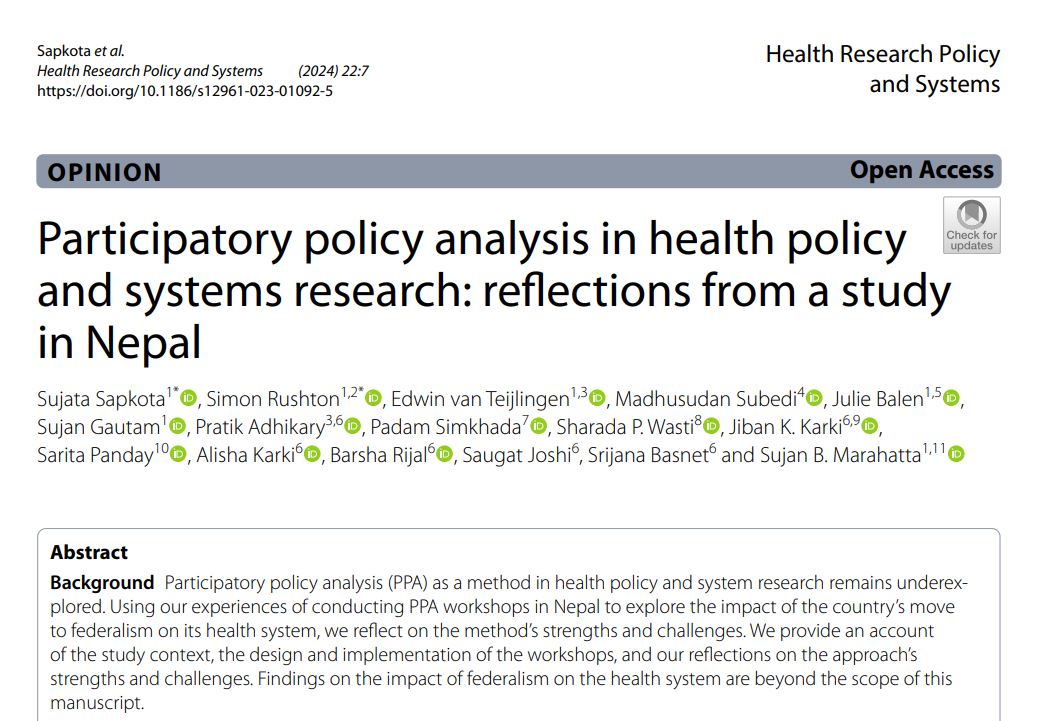
He introduced some the key findings from our recently completed study on the effects of the federalisation process on Nepal’s health system. Padam was one of the co-applications on this study together with academics from the University of Sheffield, Canterbury Christ Church University and Bournemouth University in the UK, and colleagues in Nepal from Manmohan Memorial Institute of Health Sciences (MMIHS) and PHASE Nepal. The project was funded by the UK Health Systems Research Initiative (Grant ref MR/T023554/1). For more information on the Nepal Federal Health System Team, see: https://www.nepalfederalhealthsystem.com/. This interdisciplinary study has been disseminated in the form of eight published papers [1-8].
Prof. Edwin van Teijlingen
CMWH
References:
This morning ResearchGate alerted us that our paper ‘The importance of pilot studies’ [1] had reached 500 citations.
Profs. Vanora Hundley and Edwin van Teijlingen, both in BU’s Centre for Midwifery & Women’s Health (CMWH) have published several methods papers [1-6] on the importance of (a) conducting pilot studies, but also (b) reporting on their outcomes and lessons learnt. It started more than two decades ago with lessons learnt from the Scottish Birth study [2]. Followed by a methods paper in a sociology journal [3], one in a midwifery journal [4] and one in a family planning journal [5]. The icing on the pudding was an encyclopedia entry in 2003 [6].
References:
Two days ago BMJ Open published our latest article on Nepalese migrant workers ‘Coproducing a culturally sensitive storytelling video intervention to improve psycho-social well-being: a multimethods participatory study with Nepalese migrant workers’ [1]. This paper reports on an interdisciplinary feasibility study conducted in a Dhading, Nepal. The paper is Open Access and hence freely available to anybody across the globe with internet access. The authors claim the project is testament to the value of participatory methods in the development of culturally sensitive public health interventions for marginalised groups, and points to the utility of co-produced storytelling formats in migrant health contexts. The authors further highlight that future research is needed to evaluate feasibility and acceptability of the intervention as well as the outcomes and experiences of migrant workers who engaged with the video. 
This latest paper in the field of the health and well-being of Nepalese migrant workers has Prof. Priya Paudyal from the University of Keele as its first author, and is co-authored by FHSS Visiting Faculty Prof. Padam Simkhada and Prof. Edwin van Teijlingen in BU’s Centre for Midwifery & Women’s Health (CMWH). Previous research on migrant workers from Nepal from the BU team in the Faculty of Health & Social Sciences has resulted in three dozen academic papers [2-35].
Prof. Edwin van Teijlingen
References:

We are welcoming your proposals for the upcoming BA/Leverhulme Small grants call.
The below deadlines will be in place to ensure that the pre-award team can provide all interested academics with optimal support.
|
26th February 2025
26th Feb – 9th April
|
Guidance Session – follow the link below-

Work on your proposal between the allotted time- things to accomplish during that time by the 9th April: -Brainstorm idea with peers/mentors and discuss the design, methods and approach you are planning to take -Consider if you require additional funding development support, ie Research Facilitator support, External Application Reviewers, Bid writing – speak to RDS -Organise your team, will you have a coi or the max of two at hand, do you need any further wider team (panel). -Start a Flexi-Grant account and start an application in the system
-Submit your ITB and attach your draft proposal |
| 9th April 2025 | Call Opens -expected- |
|
9th April 2025
10th -25th April |
Latest date to submit your ITB
Remember to advise your referee that you will be sending them your completed application on Flexi-Grant and that their expected statement to be submitted by the 23rd May
Internal Peer review taking place |
| 25th April 2025 | If you are Grade 8 or below and you wish to use the support of an External Application Reviewer (EAR), you must submit your quality approved by the Faculty draft application to RDS by this date. |
| 23rd May 2025 | Nominated referee supporting statement to be completed via Flexi-Grant |
| 24th May 2025 | Your final application must be submitted on Flexi-Grant by this date at the latest.
Click ‘submit’ and the form will be sent to BU’s accounts for RDS checks. |
| 24th May – 4th June 2025 | Institutional checks to take place by RDS and final submissions. – submission final dates estimated currently till call opens. |
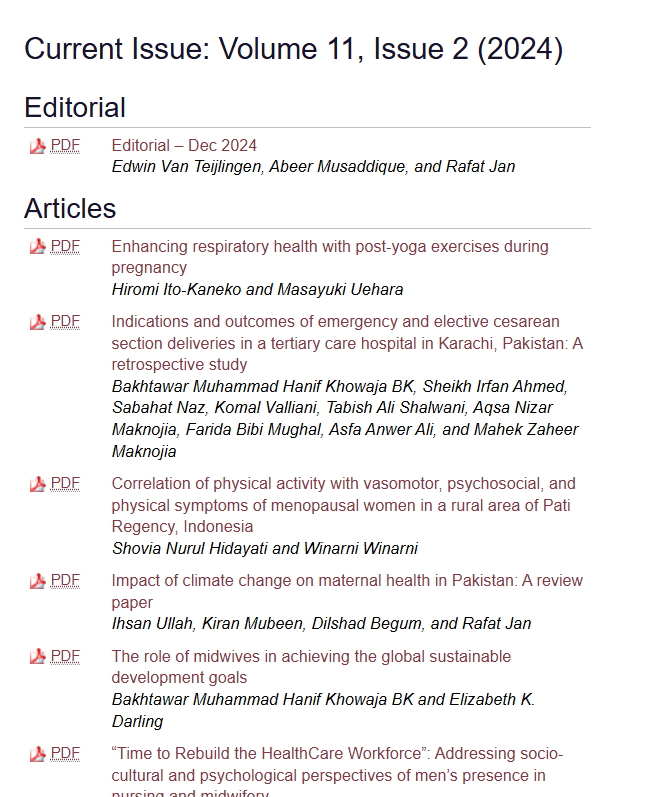
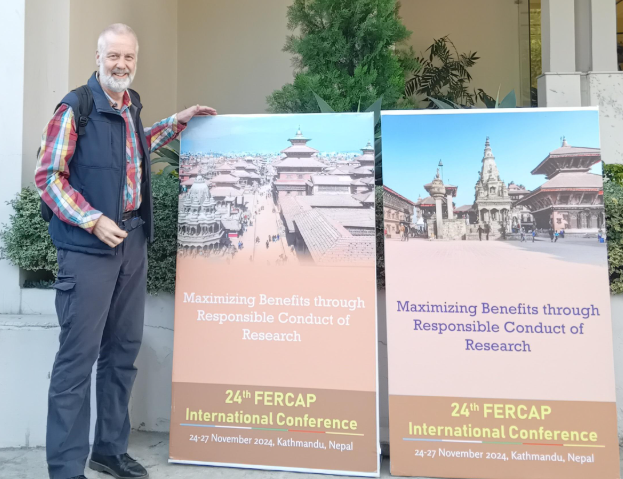
This weekend a new issue of the Journal of Asian Midwives appeared online [1]. Its latest editorial focuses in part on research ethics. The editors highlight the new World Health Organization (WHO) guidance for best practices in clinical trials [2]. The new WHO guidance was picked up at the 24th FERCAP International Conference “Maximizing Benefits through Responsible Conduct of Research” held in November 2024 in Nepal. FERCAP is the Forum for Ethical Review Committees in the Asian and Western Pacific Region.
FERCAP reminded us that research as a social activity should improve health and quality of life for both targeted and general populations. One notable message from this recent conference was the need for shorter and more comprehensible consent forms to make them user-friendly without sacrificing clarity. The other interesting development is that of so-called “decentralized clinical trials”. Decentralized or point-of-care trials can increase the diversity of clinical trial enrollment by increasing its accessibility, for example where elements of the trial are delivered at home and/or data are collected electronically by trial participants instead of researchers. These are exciting new developments in thinking about research ethics.
The Journal of Asian Midwives is Gold Open Access and hence freely available online.
Prof. Edwin van Teijlingen
Centre for Midwifery & Women’s Health
References:
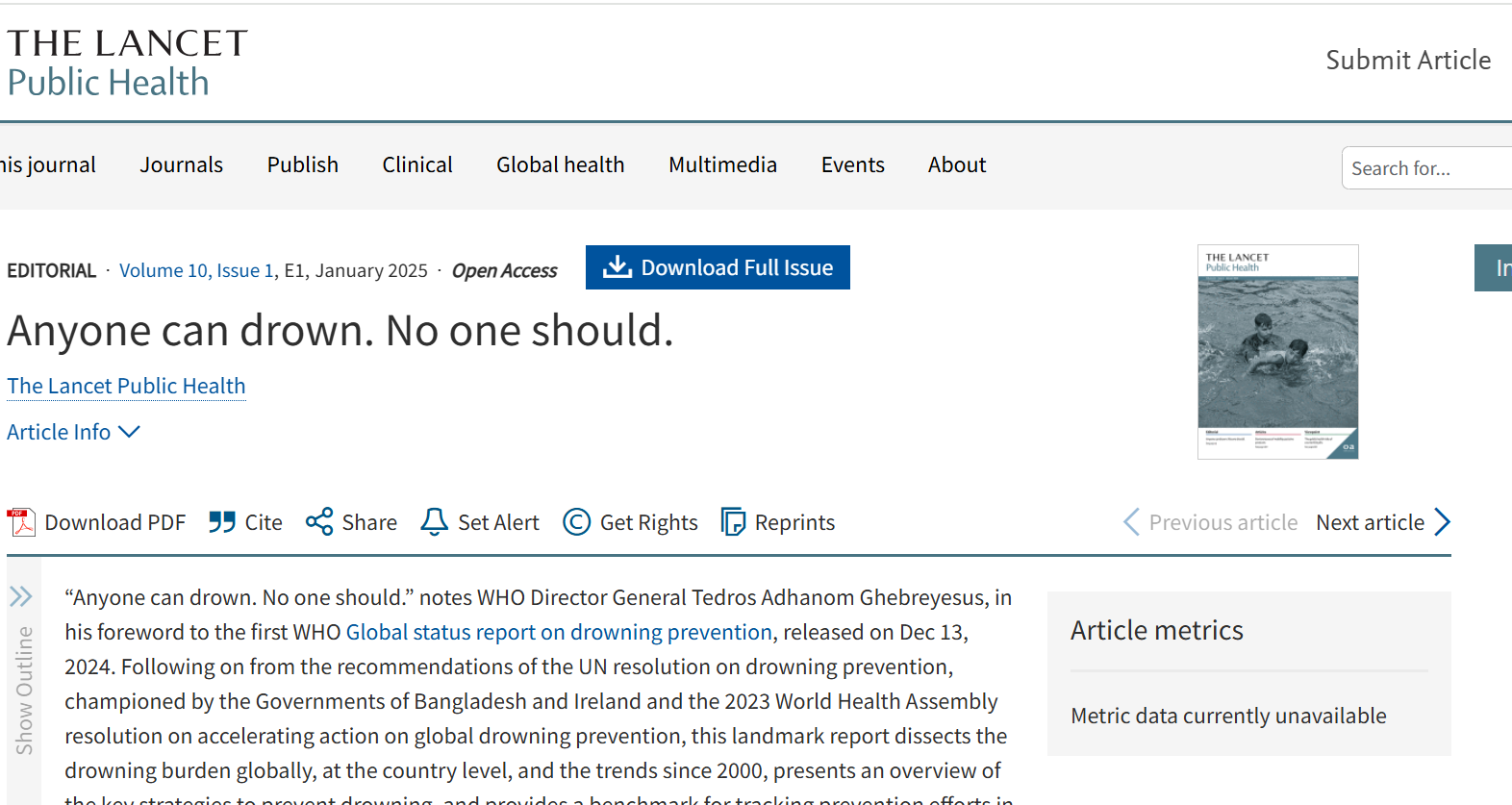
The first editorial of The Lancet Public Health [1] highlights a public health issue close to our work in Bangladesh, namely the risk of drowning, especially in young children. “Anyone can drown. No one should” are the words of the Director General of the World Health Organization (WHO) in its first Global status report on drowning prevention, published two weeks ago (Dec. 2024). According to The Lancet Public Health this landmark report dissects the drowning burden globally, at the country level, and the trends since 2000, presents an overview of the key strategies to prevent drowning, and provides a benchmark for tracking prevention efforts in the future. Importantly, this report sheds light on a tragic, neglected, mostly preventable public health issue.
We are grateful to The Lancet Public Health for raising this important issue in 2025, since Bournemouth University (BU) is currently engaged in research project in this field called ‘Sonamoni’. This an interdisciplinary study is a collaboration with CIPRB (the Centre for Injury Prevention and Research, Bangladesh), the University of the West of England (in Bristol), the University of Southampton, the Royal National Lifeboat Institution (RNLI), and Design Without Borders (DWB) in Uganda. Sonamoni aims to design and develop interventions to reduce the number of young children drowning in Bangladesh.
This public health project is funded by the National Institute for Health and Care Research (NIHR) through its Research and Innovation for Global Health Transformation programme. For more information, visit the NIHR website.
The interdisciplinary team at BU includes three faculties and six member of staff: Dr. Mavis Bengtsson, Dr. Kyungjoo Cha, Dr. Mehdi Chowdhury, Dr. Yong Hun Lim, Mr. John Powell, and Prof. Edwin van Teijlingen. We recently published the first paper ‘Drowning Prevention should be a Public Health Issue in Nepal related to this project [2].
References:
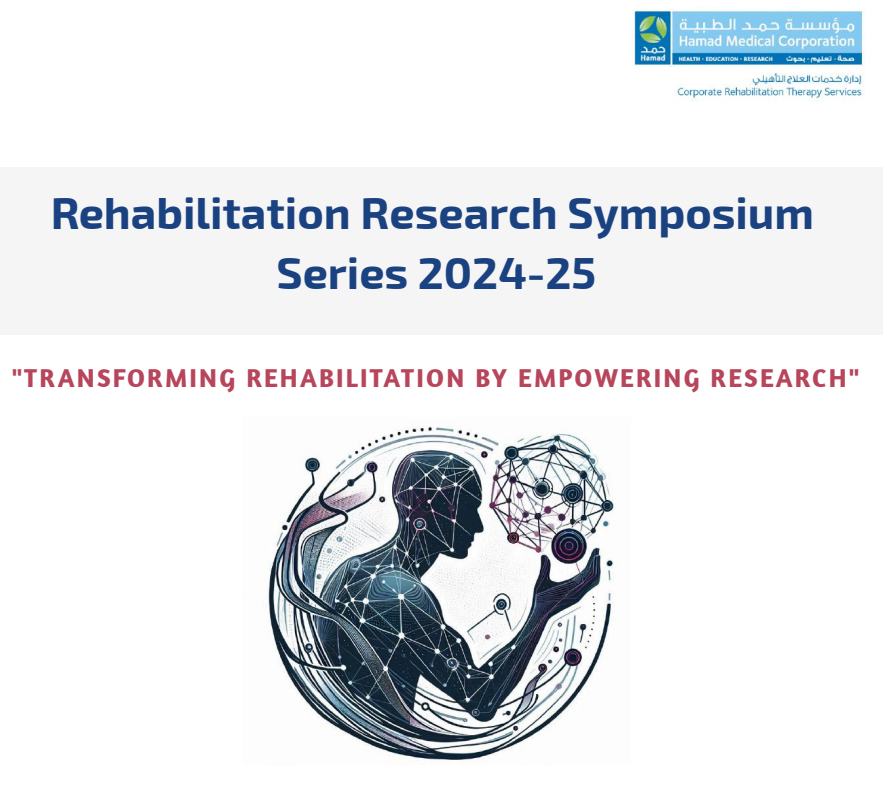
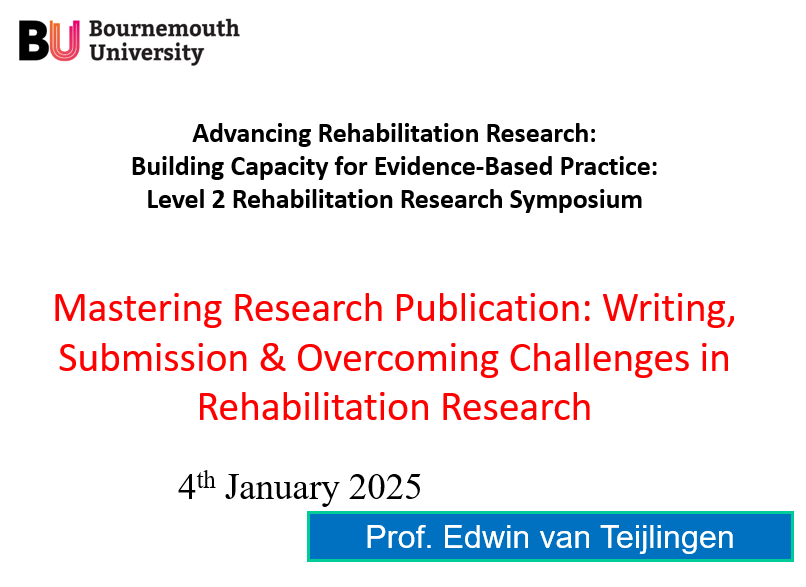
Rehabilitation research has long remained in the shadows of other health/medical disciplines, despite its immense potential to reshape patient outcomes and community health. The Rehabilitation Research Symposium Series in Qatar is a significant initiative aligned with global and national frameworks such as the WHO’s (World Health Organization) Rehabilitation 2030 and Qatar’s National Vision 2030.
Advancing Rehabilitation Research: Building Capacity for Evidence-Based Practice: Level 2 Rehabilitation Research Symposium serves as a powerful response to the growing call for a comprehensive, evidence-based approach to rehabilitation, both locally and globally. The second day of this symposium, tomorrow (January 4th 2025), includes a session by Bournemouth University’s Prof. Edwin van Teijlingen. He has been invited to help build research capacity in the field of academic writing and publishing.
Bournemouth University collaboration in Qatar centres on academics and clinicians based at Hamad Medical Corporation’s (HMC). HMC has been appointed as a WHO Collaborating Centre for Healthy Ageing and Dementia, under auspices of Ministry of Public Health in Qatar. 
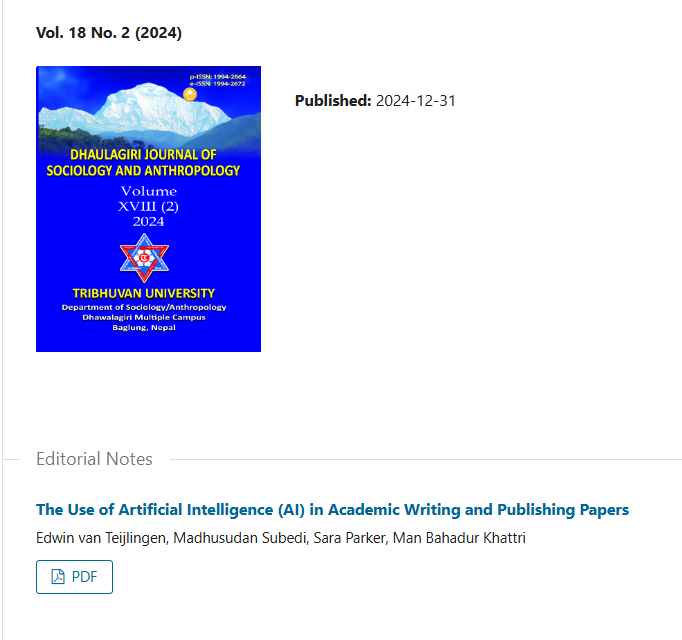
The Nepal-based Dhaulagiri Journal of Sociology and Anthropology published its latest issue today, the last day of 2024, with an editorial on the hot topic of ‘The Use of Artificial Intelligence (AI) in Academic Writing and Publishing Papers’ [1].
In this editorial, the authors made it very clear that the complete text in Box 1 is generated by AI. Which is appropriate considering the focus of this editorial is on questions raised by the potential use of academic writing. The authors argue that AI should be used with consideration to avoid misuse. Any use of AI should be done transparently, ethically, and professionally, and the authors should take full responsibility for the accuracy of the information.
Prof. Edwin an Teijlingen
Centre for Midwifery & Women’s Health
Reference:
van Teijlingen, E., Subedi, M., Parker, S., Khattri, M.B. (2024) The Use of Artificial Intelligence (AI) in Academic Writing and Publishing Papers Dhaulagiri Journal of Sociology & Anthropology, 18(2): 1-4. https://www.nepjol.info/index.php/DSAJ/article/view/73358
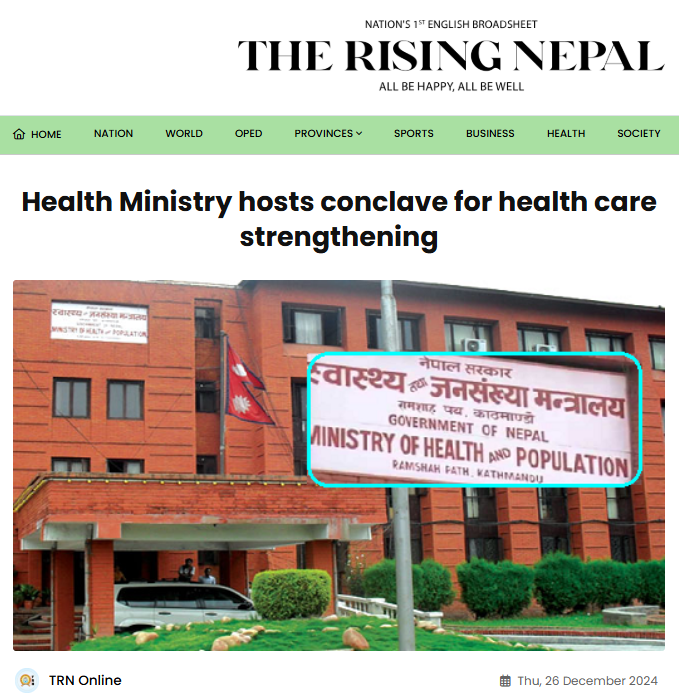
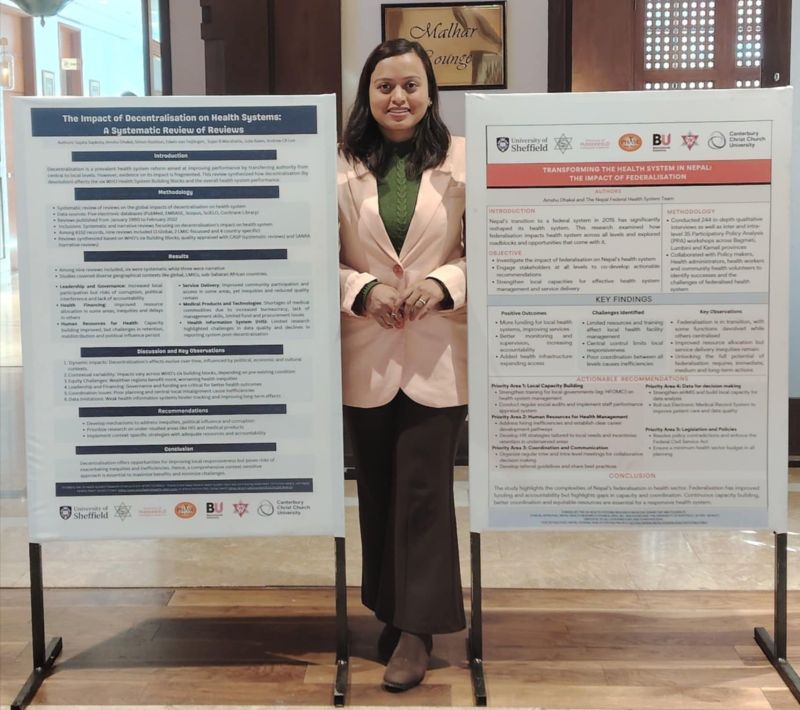
On Boxing Day and the following day (Dec. 27th) a member of our research team, Amshu Dhakal based at Manmohan Memorial Institute of Health Sciences (MMIHSS), presented findings from our Nepal Federal Health System Project in Kathmandu. The event, Nepal Health Conclave 2024, was organised by the Ministry of Health and Population and supported by WHO (World Health Organization) Nepal and UNFPA. The event aimed to help strengthen Nepal’s health services. This year’s conclave, themed “Bridging the Gap Between Global Expertise and National Needs”, brought together Nepalese diaspora health professionals and national stakeholders to foster collaboration and innovation in health systems.
Amshu presented two posters at the event: (1) The Impact of Decentralisation on Health Systems: A Systematic Review of Reviews which systematically reviewed how decentralisation affects health systems globally, highlighting key opportunities and challenges across WHO’s six building blocks; and (2) Transforming the Health System in Nepal: The Impact of Federalisation, which examined how the transition to a federal system reshaped Nepal’s health system, identifying gaps, opportunities, and actionable recommendations for improvement.
Our research team produced policy briefs in collaboration with government officials/stakeholders from all three levels of government. The policy briefs can be accessed at the website of our Nepal Federal Health System Project. This study was funded by the UK Health Systems Research Initiative [Grant ref. MR/T023554/1] to study the consequences for the health system of Nepal’s move from a centralised political system to a more federal government structure in 2015. This joint project was led by the University of Sheffield in collaboration with Bournemouth University, the University of Huddersfield, Canterbury Christ Church University and two institutions in Nepal, namely MMIHS and PHASE Nepal.
In late 2022 further funding was awarded by the Medical Research Foundation to Prof. Julie Balen, from Canterbury Christ Church University, to disseminate the findings of our UK Health Systems Research Initiative-funded research in Nepal. In terms of academic dissemination, we have published eight papers from this interdisciplinary project [1-8].
For and from this project, our team produced a comprehensive English-language policy brief as well as a Nepali-language version for politicians and policy-makers and civil servants in Nepal.
Prof. Edwin van Teijlingen
Centre for Midwifery & Women’s Health
References:
The Festive Season is a good time to clean up and clear out the pile of paper collected throughout the proceeding year. One the many pieces of potentially useful information I archived was a three-page article from the April edition of the monthly magazine Prima [1]. Most certainly not the most academic magazine, but useful all the same, as it was a piece encouraging readers to write their own book.
The six steps or recommendations in Prima were:
I found it interesting as these six steps in this piece overlap a lot with the advice we have been giving to budding academics for years [2]. 
Prof. Edwin van Teijlingen
Centre for Midwifery & Women’s Health (CMWH)
References:
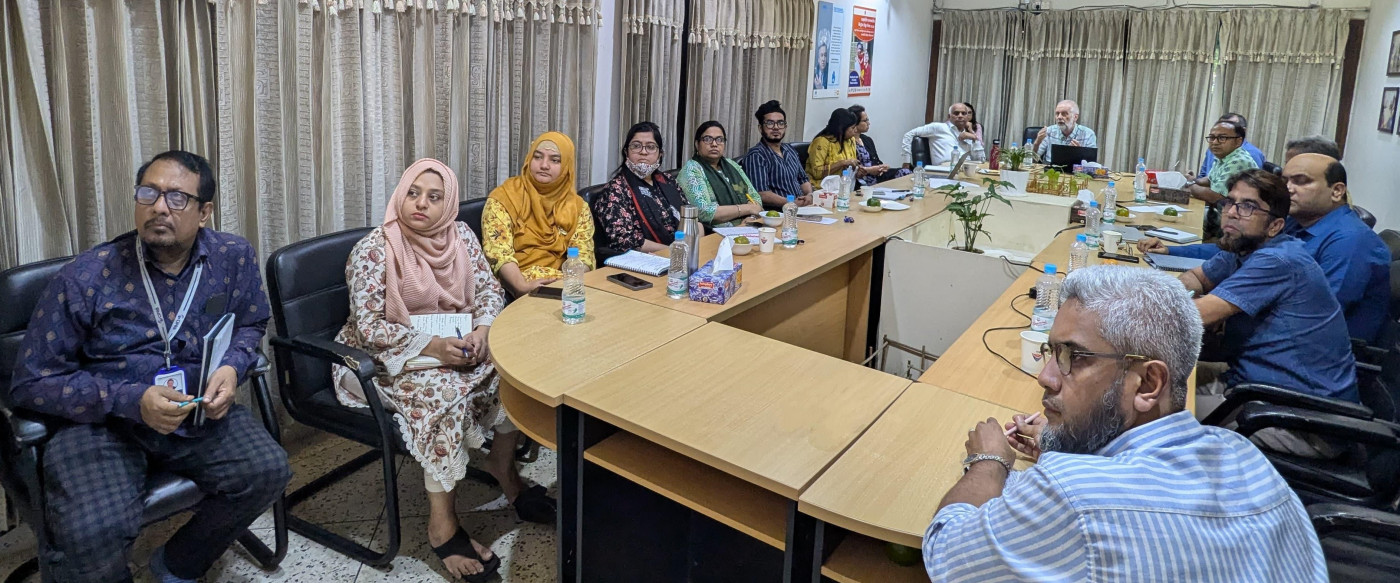
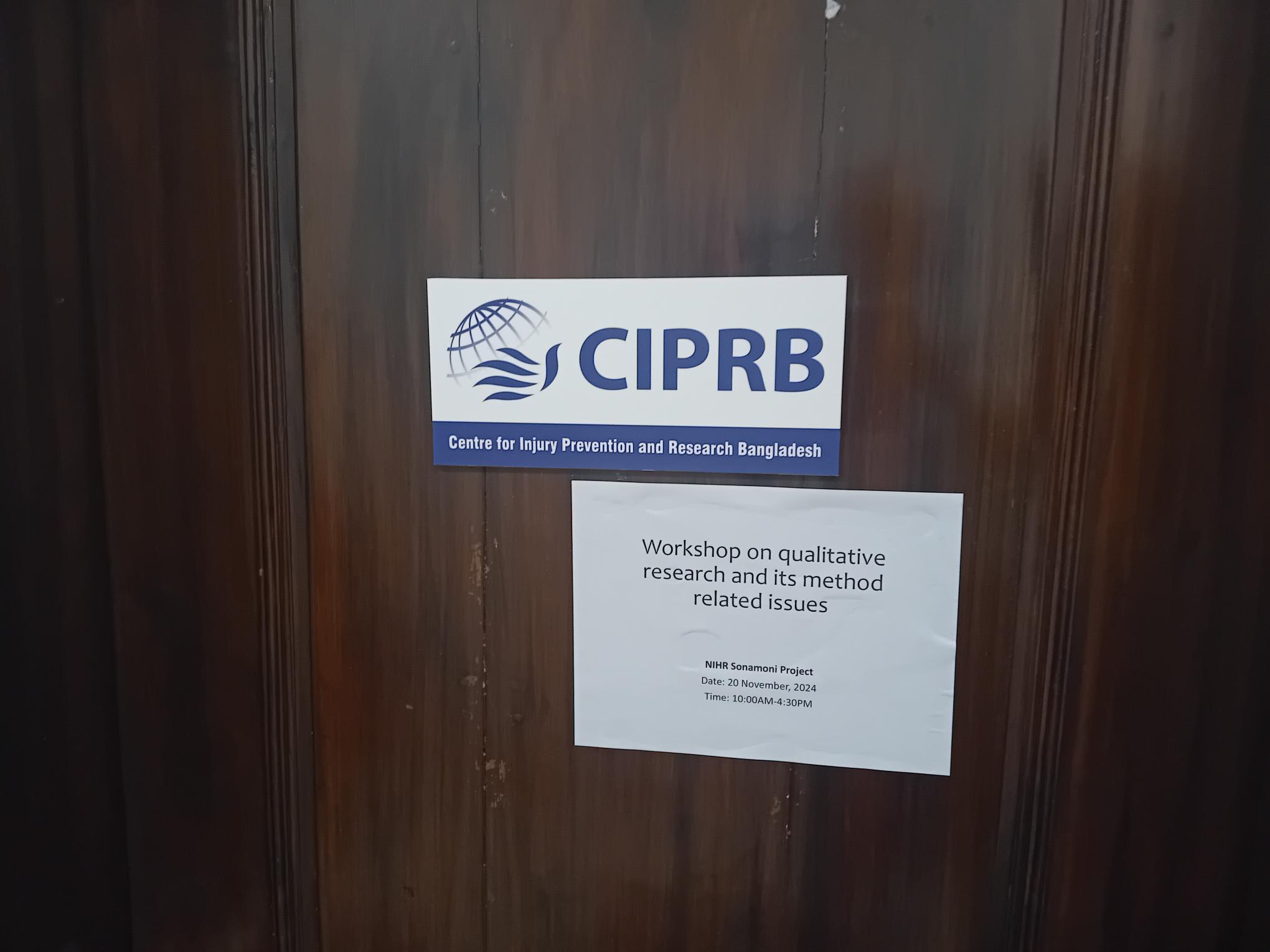
Yesterday I had the pleasure to delivery two research capacity building workshop sessions in Dhaka with staff at CIPRB (Centre for Injury Prevention and Research, Bangladesh). I was in Bangladesh as part of our Sonamoni project, this interdisciplinary project is jointly coordinated by Bournemouth University and CIPRB, in also includes the University of the West of England, Bristol, the University of Southampton, Design Without Borders (DWB) in Uganda, and the Royal National Lifeboat Institution (RNLI). We are working to reduce drownings among newly-mobile children, generally those under two years old. This £1.6m project has been made possible by a grant from the National Institute for Health and Care Research (NIHR) through its Research and Innovation for Global Health Transformation programme.
Two sessions covered qualitative research approaches in the morning and academic writing and publishing in the afternoon. The sessions were attended by staff involved in the Sonamoni project but we made it open to other CIPRB staff and in total 18 people attended. BU’s contributions to capacity-building initiatives aim to develop our collaborators’s research staff’s skills and increase their confidence in conducting qualitative research as well as publishing it.
Professor Edwin van Teijlingen