Tagged / social sciences

BU paper among top 20 most cited papers

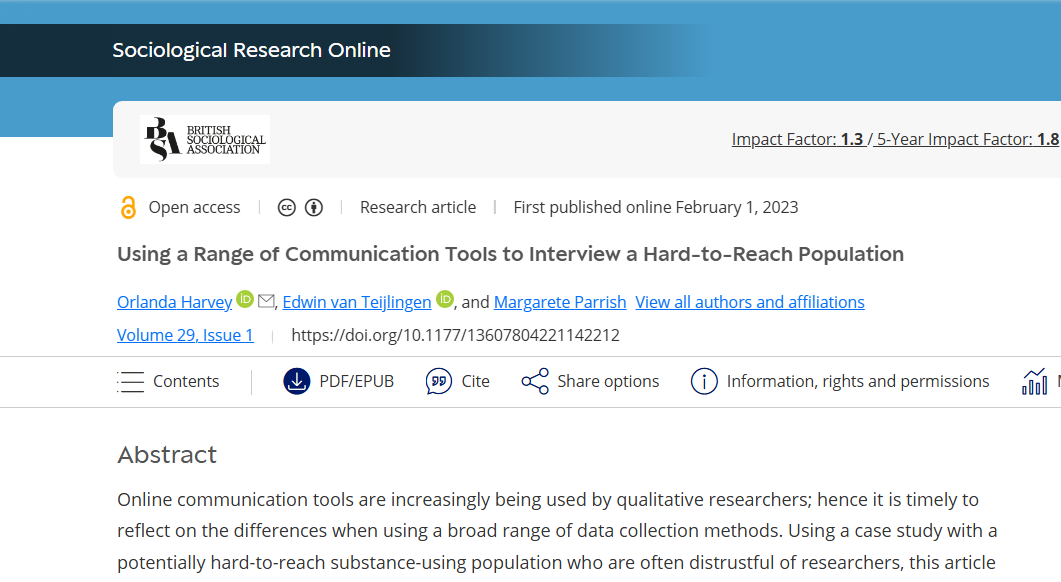
The international journal Sociological Research Online ranked a paper written by Bournemouth University academics in its top twenty most cited papers in the past three years.  The methodological paper ‘Using a range of communication tools to interview a hard-to-reach population’ has as lead author Dr. Orlanda Harvey in the Faculty of Health, Environment & Medical Science.
Reference:

  1. Harvey, O., van Teijlingen, E., Parrish, M. (2024) Using a range of communication tools to interview a hard-to-reach population, Sociological Research Online 29(1): 221–232 https://journals.sagepub.com/doi/pdf/10.1177/13607804221142212

Reflections on My Social Work Summer Internship

For six weeks of my summer between the 2nd and 3rd year of my Social Work degree I completed an internship with the aim of improving my skills relating to the facilitation of PPI (Patient and Public Involvement) workshops and working with people, as well as expanding my knowledge of the issues women of ethnic minority/migrant communities face.

Week 1: I spent this first week getting to know the professionals I would be working with throughout the six weeks and forming positive and trusting relationships with them. I also worked on getting to grips with what the project was, what my role as the intern was, and how the world of PPI works.

Week 2: The majority of this week I read information/research on the various methods we could use for the workshops and general project. I also met with more professionals and learnt about the PPI process and benefits. To prepare further for the workshops I, along with two experienced colleagues (including my internship supervisor), selected the participants we would talk with in the workshops.

All the above information then started to be drafted into the report document to explain the method, reasoning and research behind the project.

Whilst we originally aimed for one (maybe two) workshop groups where we would use the methods I researched within the week, to engage the participants in a productive conversation, we ended the workshop week with an entirely different plan, two workshop groups, a few one-to-one conversations and email responses for those unable to attend.

Week 3: This week saw me preparing for the workshops by talking to other professionals more experienced in the field, amending the questions we aimed to use to engage the participants in a really positive and productive conversation and ensuring that the workshop space would be as equal, fair and safe as we could make it. I learnt this week, the importance of not guaranteeing a safe space as this removes all space for human error. This can make others uncomfortable as they fear making a mistake (and their apology not being accepted).

Week 4: Week four was workshop week. During this week two large group workshops were and four, one-to-one workshops were conducted. I learnt to co-facilitate workshops with both people I do and do not know, and how to engage participants in difficult conversations. I learnt the importance of ensuring participants felt validated and accepted in the space. Each of these workshops were transcribed and written up into a large document collectively.

Week 5: I, along with my internship supervisor, conducted a thematic analysis during this week (putting all the participants contributions and ideas from the workshops into different themes to make the report easier to write and read as it flows easier). A few last minute workshops were held in this week (one-to-one) and I also started writing up our findings in the report.

Week 6: In week six, I, along with my internship supervisor, wrote the majority of the report draft to be sent to the project leads. I also created a PowerPoint presentation to present the findings from this project to the project leads and outline my learning experiences and how they will aid in my final year of university and future career.

Lessons I learnt:

  • Flexibility (I learnt to be flexible BEFORE the workshops began but also DURING (where our method did not fit with the participants we were talking to, especially during one-to-one conversations)
  • Time management
  • Working with others
  • Co-facilitating workshops with people I do and do not know and ensuring the participants feel accepted in the space and their feelings/experiences validated
  • Presenting my ideas to professionals I do not know
  • Professional report writing
  • Ensuring the space is as safe as possible without guaranteeing a safe space for all

This project has taught me a significant amount about working with Women from ethnic minority/migrant communities and the challenges they face both in research but also in daily life. I am sure this understanding as well as the knowledge I gained about working with other professionals and presenting my ideas to them effectively, will stand me in good stead for my final university year and future career in social work.

Megan Jukes, Social Work Student

A note from Dr Orlanda Harvey:
‘It was a joy to support Megan in developing her research skills, and work alongside her on this project. She was very committed to understanding what was required and her confidence grew in leaps and bounds over the course of the project. I am very grateful to the many colleagues at BU who  gave up their time to help support her learning and development, and I am particularly grateful for the help of Kate Jupp as without her the PPI sessions would not have happened. The report that has been drafted will be very helpful to anyone seeking to understand how to engage participants in research in a meaningful way.‘

New Centre for Midwifery & Women’s Health (CMHW) paper on Nepal

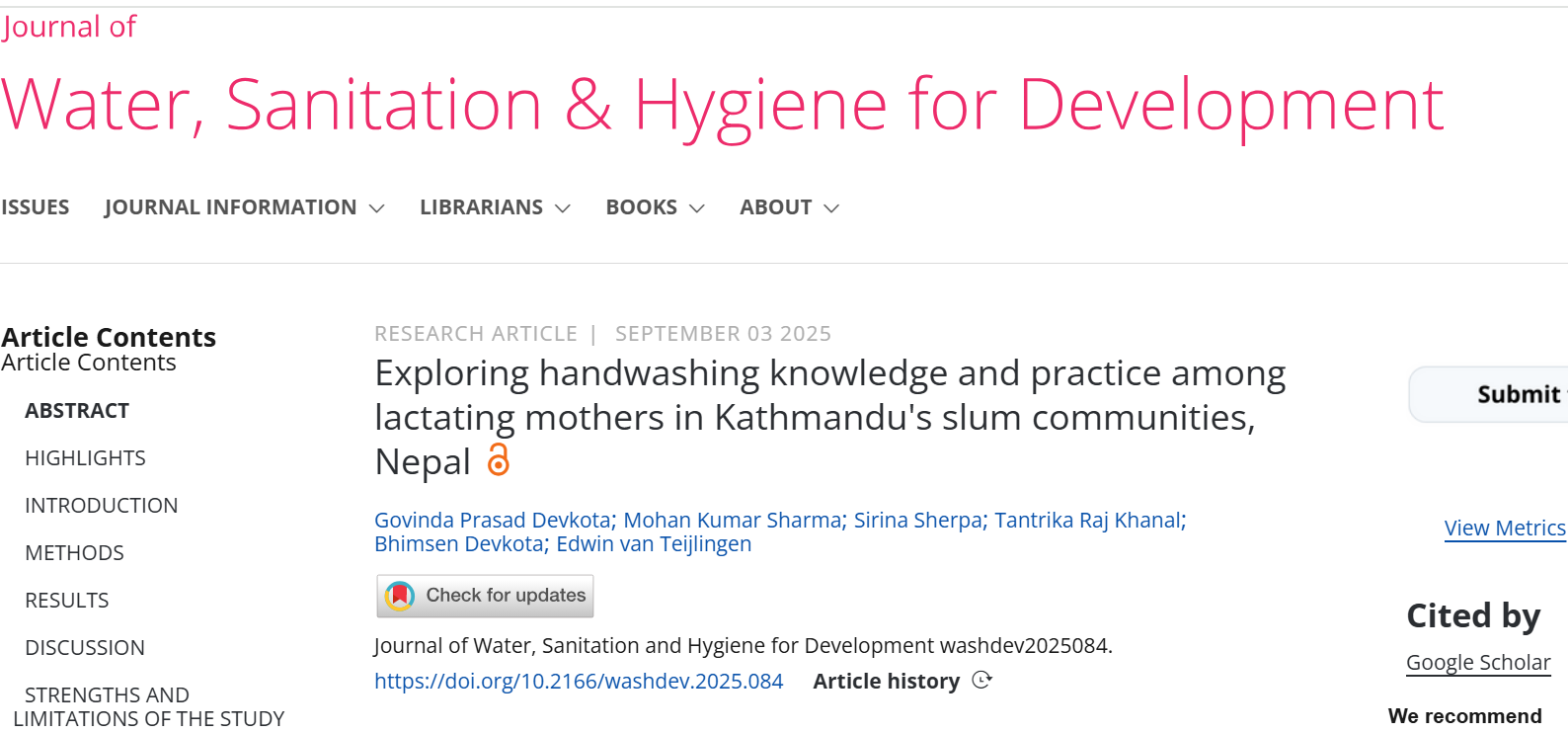
Last week the international Journal of Water, Sanitation and Hygiene for Development emailed to tell that our paper ‘Exploring handwashing knowledge and practice among lactating mothers in Kathmandu’s slum communities’ [1] had been accepted for publication.

It is widely known that poor access to good quality water, sanitation, and hygiene (WASH) lead to high morbidity in young children. The paper reports on a cross-sectional study conducted with 127 breastfeeding mothers in two slum settlements in Nepal’s capital.  It found that most had a good knowledge of WASH and appropriate washing of hands. However, the prevalence of illness among children whose mothers had only basic education was 26% higher than those whose mothers had completed secondary education. Family income and hand-washing practice were also significantly associated with child health (p < 0.01). Nearly three in four (73.2%) of children had experienced health issues, particularly diarrhoea, in the past half year.

The authors concluded that strengthening maternal hand-hygiene education programmes, particularly for lactating mothers, and improving WASH infrastructure are necessary, as well as promoting affordable hand-washing solutions in urban slums.

Prof. Edwin van Teijlingen


Reference:

  1. Devkota, G.P., Sharma, M.K., Sherpa, S., Khanal, T.R., Devkota, B., van Teijlingen, E. (2025) Exploring handwashing knowledge and practice among lactating mothers in Kathmandu’s slum communities, Nepal, Journal of Water, Sanitation and Hygiene for Development, 15:1-10. doi: 10.2166/washdev.2025.084

New paper published on disability in women & girls

Yesterday (25 June) the online journal PLoS One published ‘Life-time experience of violence among women and girls living with disability in Nepal‘ our latest study on disability in Nepal [1].  This cross-sectional study was conducted in 28 municipalities representing all seven provinces as well as all three ecological regions of Nepal. A total of 1,294 women and girls with disability aged 15–59 years participated in  2021. We trained local enumerators using the KoBo application on smartphones or tablets. Both written and oral informed consent was sought from all participants. Cross-tabulations were performed in STATA 18 to determine the distribution of the prevalence of violence. Also, bivariable and multivariable logistic regression models were fitted to establish association between the participants’ characteristics and odds of experiencing violence.


Overall, 457 (35.32%) women living with disabilities had ever experienced violence at a point in their lifetime. Psychological/emotional violence was the most prevalent violence (74.40%) followed by physical violence (31.07%) and denial of services (28.67%). Age was positively associated with the likelihood of experiencing violence. Women belonging to the Brahman/Chhetri ethnic group had reduced odds of violence [AOR = 0.56; 95%CI: 0.37–0.85] compared to Hill Dalits. Divorced or separated women showed a markedly higher likelihood of experiencing violence [AOR = 6.69; 95%CI: 2.31–19.40] compared to currently married women. Participants who had not witnessed violence against other women exhibited significantly higher odds of experiencing violence [AOR = 1.86; 95%CI: 1.20–2.89]. Women living in the Koshi province [AOR = 4.04; 95%CI: 2.54–6.42], Madhesh province [AOR = 2.16; 95%CI: 1.15–4.08] and Bagmati province [AOR = 2.21; 95%CI: 1.41–3.46] reported significantly higher odds of experiencing violence compared to those in Karnali.

The paper concludes oncludes that age, ethnicity, marital status, and provincial residence are significant predictors of violence among women and girls living with disability in Nepal. Interventions aimed at addressing violence against women living with disability in Nepal must prioritize older women and those who were previously married. Also, policy-makers may want to consider giving priority must be given to those provinces where the prevalence and risk of experiencing violence is highest.

The study was funded The United Nations Women Trust Fund,  and the paper is freely available in the Open Access journal.  We previously published on research into disability in Nepal in 2023 [2].

Prof. Edwin van Teijlingen

Centre for Midwifery & Women’s Health

Visiting Faculty, Centre for Disability Studies, Mahatma Gandhi University, Kerala, India.


References:

  1. Simkhada P, Basnet S, Sharma S, van Teijlingen E, Wasti SP, Dahal T, et al. (2025) Life-time experience of violence among women and girls living with disability in Nepal. PLoS One 20(6): e0326659. https://doi.org/10.1371/journal.pone.0326659.
  2. Simkhada, P, Shyangdan, D, van Teijlingen E, Kadel, S, Stephen, J., Gurung, T. (2013) Women’s Knowledge & Attitude towards Disability in Rural Nepal. Disability & Rehabilitation 35(7): 606-13. http://informahealthcare.com/doi/abs/10.3109/09638288.2012.702847

Paper accepted on women and disability in Nepal

The academic editor of PLOS ONE informed us yesterday that our latest paper ‘Life-time experience of violence among women and girls living with disability in Nepal: A cross-sectional study’ [1] has been accepted for publication.  The paper is based on research conducted as part of the Inclusive Partnership Against Violence (INPAV) project in Nepal.  Working with our long-term research paper Green Tara Nepal (GTN) and funded by The United Nations Trust Fund (UNTF) through Nepal Disabled Women Association (NDWA), we have been involved in InPAV. This project included a situation analysis of the existing government setup One-stop Crisis Management Center (OCMC) to understand the inclusiveness of the OCMC services for girls and women with disabilities.  The paper just accepted was part of this research.


Prof. Edwin van Teijlingen

Centre for Midwifery & Women’s Health


  1. Simkhada, P., Basnet, S., Sharma, S., van Teijlingen, E., Wasti, S.P., Dahal, T., Okyere, J., Silwal, R.C., Pyakurel, M. (2025) Life-time experience of violence among women and girls living with disability in Nepal: A cross-sectional study . PLoS ONE (accepted).

Inaugural research meeting for British Academy grant

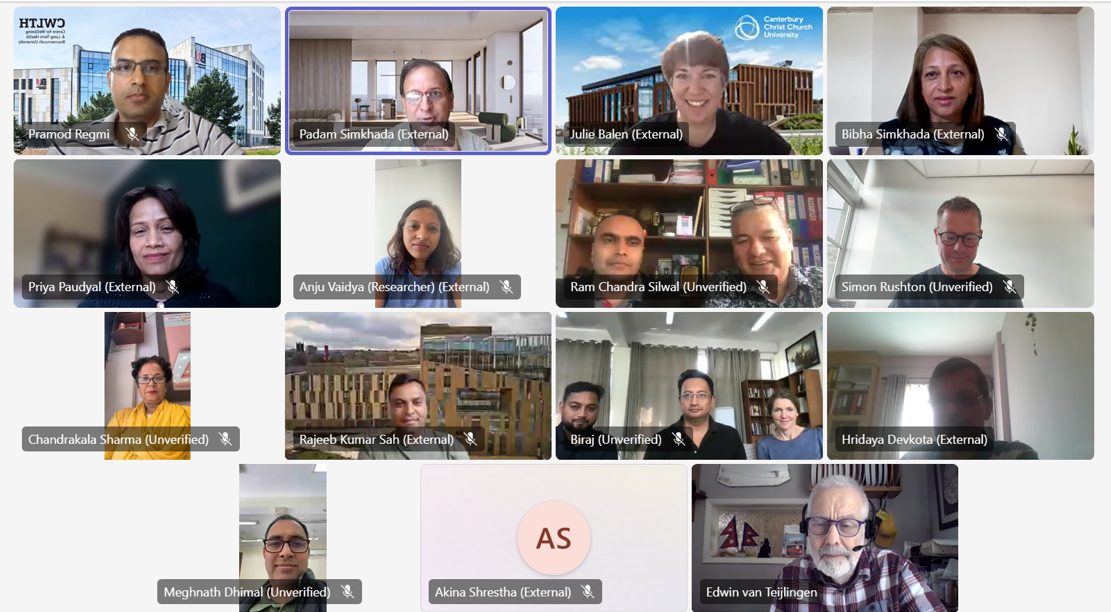
Today we had the introductory meeting of our recently funded ‘British Academy Project on Evidence-Informed Policymaking in Nepal’, the project is coordinated by the University of Huddersfield by Prof. Padam Simkhada, who is also Visiting Professor in Bournemouth University’s (BU) Faculty of Health & Social Sciences.  The co-investigator at BU is Dr. Pramod Regmi (Principal Academic in International Health), with other co-applicants based at the Keele University, Canterbury Christ Church University, the University of Sheffield, the University of Chester, the Nepal Health Research Council (NHRC), Kathmandu University and the research-based charity Green Tara Nepal.

This one year grant is officially starting next month (1st June).  The plans for this project were laid some time ago, and expressed in our 2022 paper ‘Nepal urgently needs a National Evidence Synthesis Centre‘ [1].   Our funded project will focus on the activities of: (1) formative research; (b)  capacity building including evidence synthesis; (c) the establishment of a National Evidence Synthesis Centre; and (d) the evaluation of sustainability planning.  The British Academy see this award also as providing a developmental opportunity, enabling award holders to build connections within the cohort and critically beyond that as well.


Prof. Edwin van Teijlingen

Centre for Midwifery & Women’s Health

Reference:

  1. Simkhada, P., Dhimal, M., van Teijlingen, E., Gyanwali, P. (2022) Nepal Urgently Needs a National Evidence Synthesis Centre, Journal of Nepal Health Research Council, 20 (3): i-ii.


PhD supervision is good for you

Some people in academia (and many outside it) don’t appreciate the importance of PhD supervision .  An academic supervising PhD students is not merely for the educational purposes, or in other words, for the benefits of the postgraduate student.  The value of postgraduate supervision lies in pushing the boundaries of knowledge, about testing new ideas, new approaches or even new methods.

Interestingly, enough it means that PhD supervision for an academic is also about developing their own ideas, expanding one’s CV, and developing one’s career.  Whilst for the university it is also for the wider benefit of research for the wider society.  The latter means that PhD students help improve the REF (Research Excellence Framework) scores for a university, through metrics such as number and proportion of PhD completions, but also through papers based on PhD research co-authored with staff.  It always amazes me how some outsider regard PhD supervision as simply more of the same, i.e. not that different from supervising an undergraduate student.

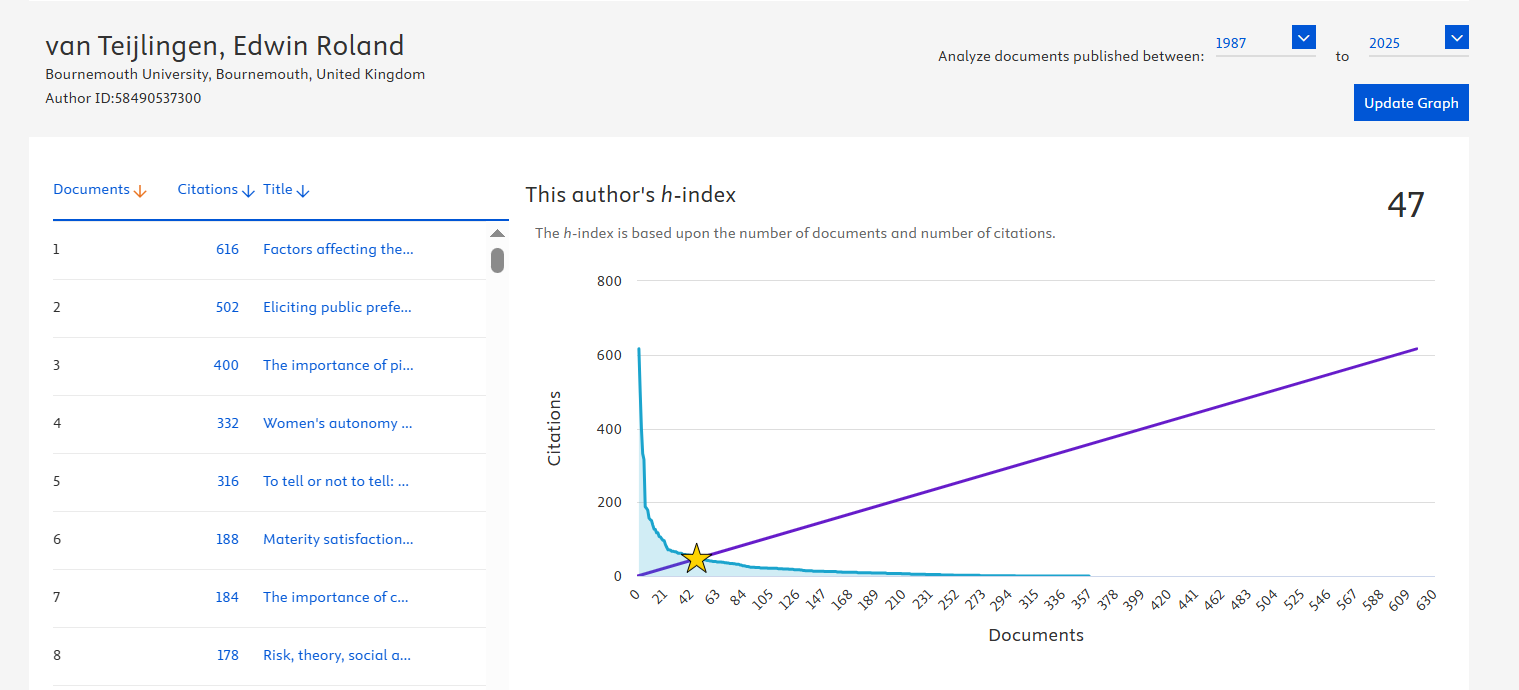
Looking at my ow CV, some of my best papers have been co-written with PhD students, including my most cited paper on SCOPUS [1]. Moreover, as the graph of my h-index [checked SCOPUS for May 19th 2025] shows four of my top eight highest cited papers were co-authored with postgraduate students [1-4].  Papers that would not have been written without the postgraduate student conducting knowledge-advancing research!

Not surprisingly, three of the four former PhD students who co-authored these highly-cited papers are now in academic positions across the UK (the fourth one has retired).  These four highlighted papers are not just looking good on my CV, they are also highly ranked within their respective journals.  The first paper [1] is the 28th most cited paper in the Journal of Advanced Nursing, an impressive 28th position out of 12,762 articles ever published by this international journal.  Similarly, the paper ‘Women’s autonomy in decision-making for health care: Demographic study in Nepal’ [2] is the 10th most cited paper in Reproductive Health, whilst ‘ To tell or not to tell: Barriers and facilitators in family communication about genetic risk’ [3] is the 20th most article in Clinical Genetics.  Last, but not least, ‘Risk, Theory, Social & Medical Models: critical analysis of the concept of risk in maternity care’ [4] is the 17th most cited article (out of 3,910) in the international journal Midwifery.


Prof. Edwin van Teijlingen

Centre for Midwifery & Women’s Health


References:

  1. Simkhada, B., van Teijlingen E., Porter, M., Simkhada, P. (2008) Factors affecting the utilisation of antenatal care in developing countries: a systematic review of the literature, Journal of Advanced Nursing 61(3): 244-260.
  2. Acharya, D.R., Bell, J., Simkhada, P., van Teijlingen, E, Regmi, P.R. (2010) Women’s autonomy in decision-making for health care: Demographic study in Nepal. Reproductive Health 9(15) reproductive-health-journal.com/content/pdf/1742-4755-7-15.pdf
  3. Forrest, K., Simpson, S., Wilson, B.J., van Teijlingen E, McKee L, Haites, N., Matthews E. (2003) To tell or not to tell: Barriers and facilitators in family communication about genetic risk,Clinical Genetics, 64: 317-26.
  4. MacKenzie Bryers H., van Teijlingen, E. (2010) Risk, Theory, Social & Medical Models: critical analysis of the concept of risk in maternity care, Midwifery 26(5): 488-496.


NIHR Global Health Research Academy 2025

The 2025 NIHR Global Health Research Academy Member event will take place on Tuesday 13th and Wednesday 14th May.  The NIHR recognizes that career progression is a common challenge for early-career researchers. This year the event’s theme is ‘Empowering Early-Career Researchers: Navigating Careers in Global Health’. This two-day online event aims to equip participants from across the globe with the skills and knowledge to navigate and build a career in global health research.

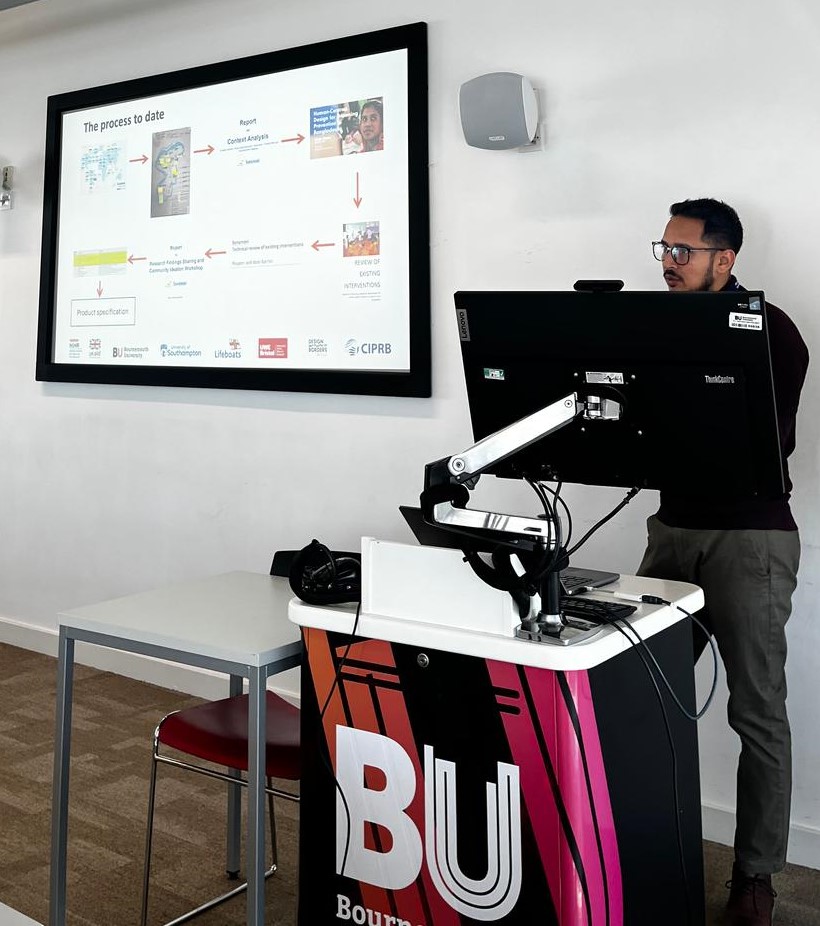
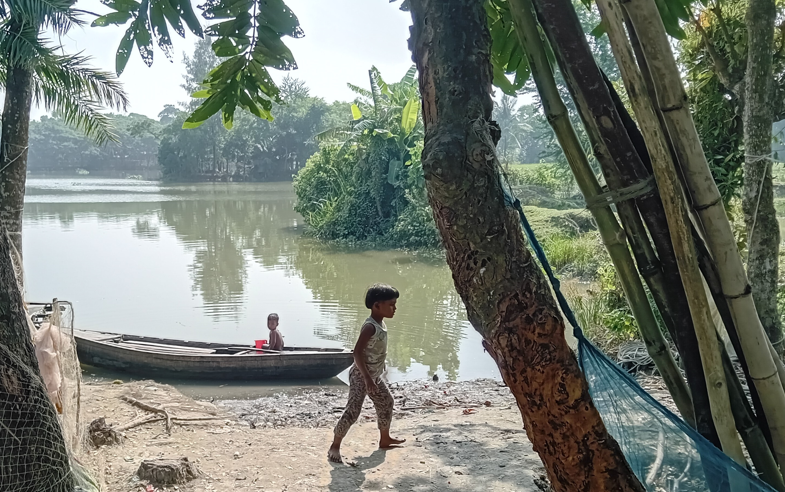
Bournemouth University staff and students participating in the NIHR Research and Innovation for Global Health Transformation Call 4: Drowning Prevention for newly mobile infants under 2 years in Bangladesh programme have been invited.  This NIHR-funded project is called Sonamoni and BU’s student Md. Shafkat Hossain, whose PhD assessed the work in Bangladesh, is one the participants, as is our colleague from Bangladesh Notan Dutta.  In the afternoon BU’s Edwin van Teijlingen who will be chairing a session on ‘Funding & Grant Writing’.

Sonamoni is being coordinated by Bournemouth University in collaboration with the Centre for Injury Prevention and Research (CIPRB) in Bangladesh as well as the University of the West of England, Bristol, the University of Southampton, Design Without Borders (DWB) in Uganda, and the Royal National Lifeboat Institution (RNLI). This project, with Prof. Dr. Aminur Rahman (at CIPRB) as Bangladesh lead,  includes the above mentioned BU-based PhD project.  The interdisciplinary team at Bournemouth University covers three faculties through: Dr. Mavis Bengtsson, Dr. Kyungjoo Cha, Dr. Mehdi Chowdhury, Dr. Yong Hun Lim, Mr. John Powell, and Prof. Edwin van Teijlingen.

Nepal Family Cohort Study meeting in Bournemouth

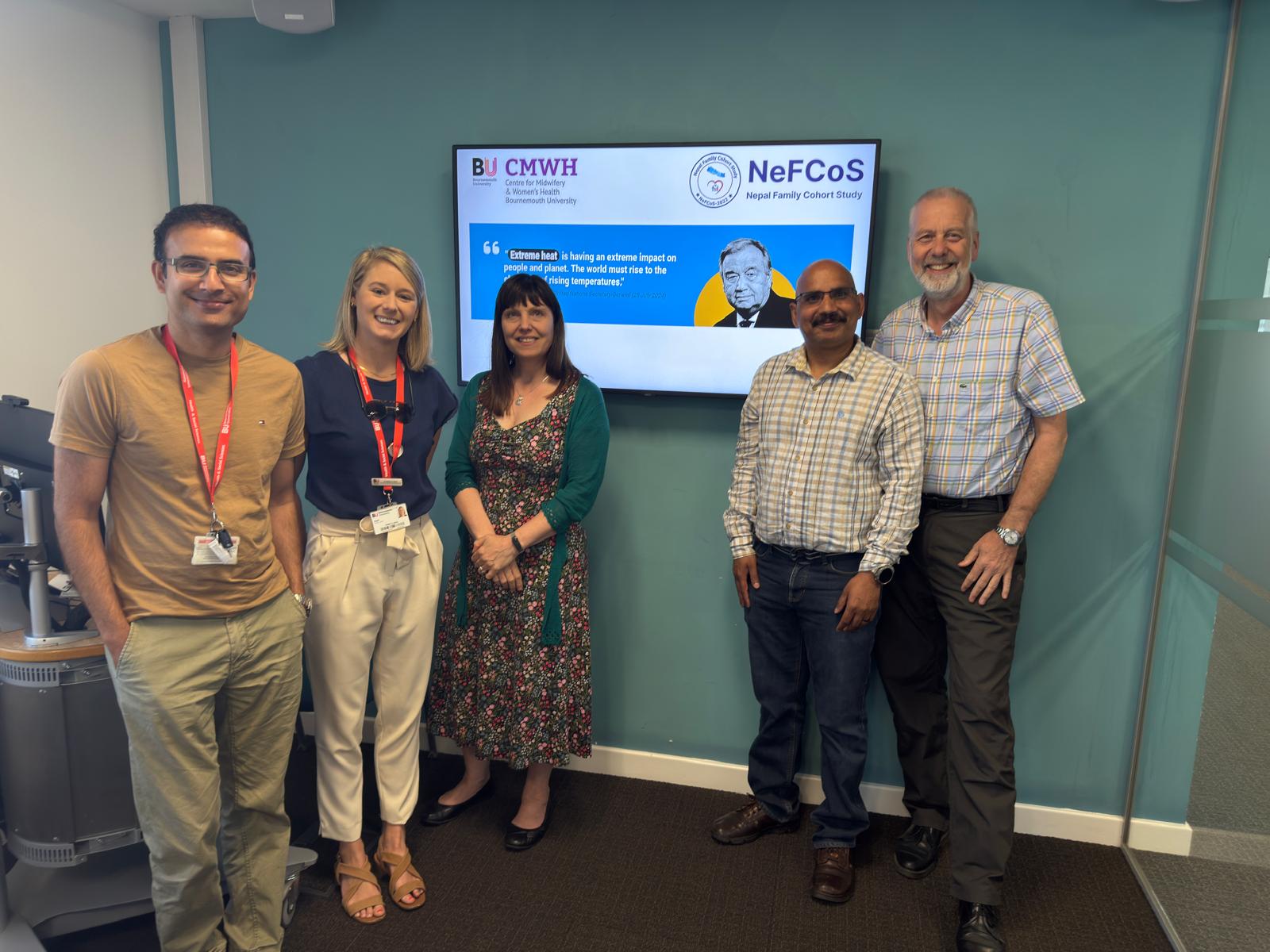
Prof. Om Kurmi who leads the Nepal Family Cohort Study (NeFCoS) joined the Bournemouth University (BU) team today for a research planning meeting in Bournemouth today.  Dr. Om Kurmi, Associate Professor Research in the Centre for Healthcare and Communities at Coventry University.  The BU team comprises Dr. Pramod Regmi (Principal Academic-International Health), Prof. Carol Clark (Professor in Physiotherapy), Prof. Edwin van Teijlingen (Professor of Reproductive Health), Dr. Rebecca Neal (Principal Lecturer in Exercise Physiology) and Dr. Vanora Hundley (Professor of Midwifery).

The Nepal Family Cohort Study (NeFCoS) is a multidisciplinary cohort study into the prevalence, incidence, and determinants of various diseases from childhood to adulthood in children and their parents [1].  NeFCoS has just started to collect date for the first round of follow-up.

Today’s meeting was organised by Dr. Neal and supported by BU’s QR funds.


Reference:
  1. Kurmi, O.P., Chaudhary, N., Delanerolle, G., Bolton, C.E., Pant, P.R., Regmi, P., Gautam, S., Satia, I., Simkhada, P., Kyrou, I., Sigdel, T.K., Hundley, V., Dali, P.R., Lokke, A., Hubert Lam, K.B., Bennett, D., Custovic, A., van Teijlingen, E., Gill, P. Randeva, H., O’Byrne, P.M., and Nepal Family Cohort Collaborators Group, Nepal Family Cohort Study: A Study Protocol, BMJ Open 14:e088896. doi:10.1136/ bmjopen-2024-088896

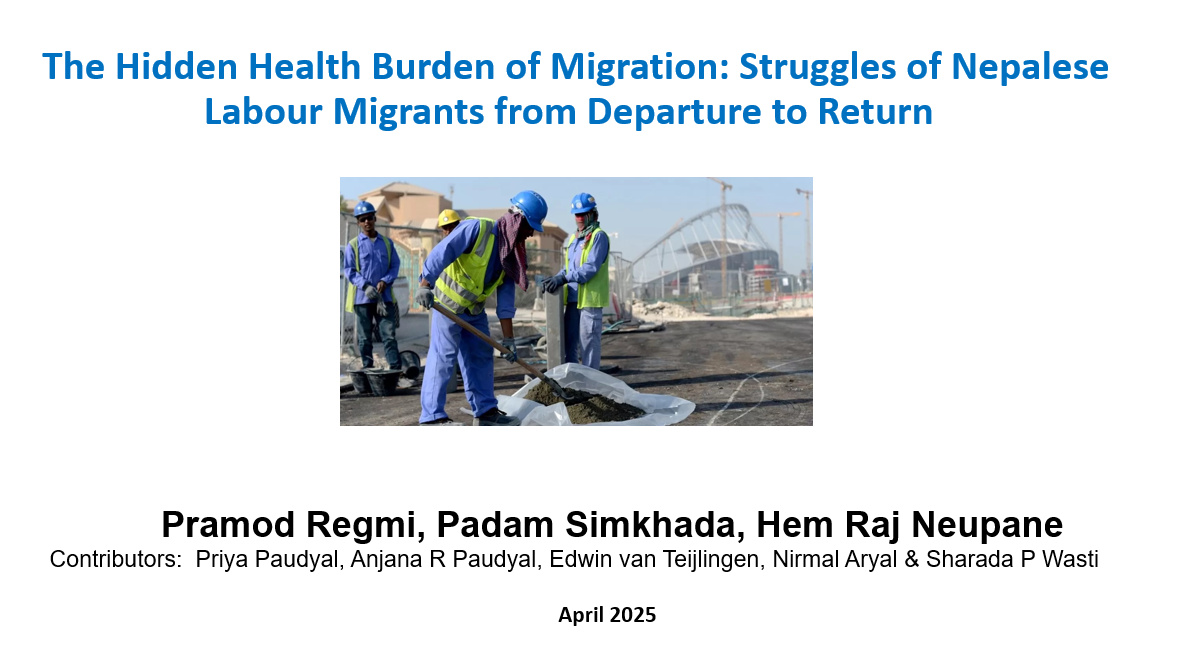
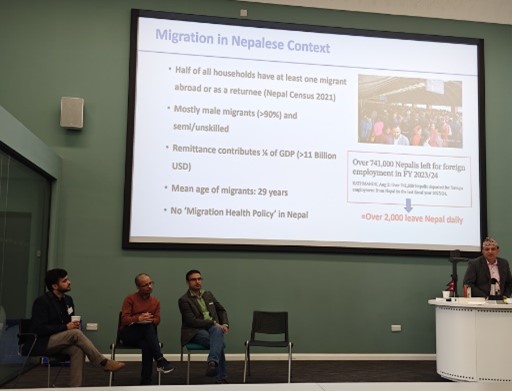
Plenary talk by Dr Regmi on Hidden Health Burden of Nepalese Migrants

Last week, BU academic Dr. Pramod Regmi delivered a plenary talk on the struggles faced by Nepalese migrant workers from departure to return at the 22nd Britain-Nepal Academic Council (BNAC) Conference, held on 24–25 April in Liverpool. The session included two other panelists, including Prof. Padam Simkhada from the University of Huddersfield, he is also a BU Visiting Professor.

Dr. Regmi’s talk highlighted the health burden experienced by Nepali migrants throughout their migration journey. Labour migration from Nepal poses significant risks at all stages. Many aspiring migrants lack access to accurate information and support, while those from lower socioeconomic backgrounds face high documentation costs and illegal recruitment fees, affecting their mental health and placing strain on their families. Abroad, migrants often suffer exploitation, unsafe working conditions, overcrowded and unsanitary housing, limited access to healthcare, and high medical expenses. Female migrants face additional risks such as sexual violence, unintended pregnancy, exploitation, and unemployment. Upon return, especially for those who experienced abuse or trafficking, reintegration is hindered by social stigma and a lack of support services. Nepal’s weak economy further limits their ability to utilise skills gained abroad.

This presentation was informed by a long history of BU research into the health and well-being of Nepalese migrant workers, led by Dr. Regmi, Dr. Nirmal Aryal, Dr. Orlanda Harvey, Prof. Edwin van Teijlingen, and current PhD students Yagya Adhikari and Anjana Regmi Paudyal in the Faculty of Health & Social Sciences.

A round table discussion after the session focused on four questions:

  1. How can we better inform migrants during the pre-migration stage?
  2. How can we reduce the health vulnerabilities of Nepali labour migrant workers abroad?
  3. What are the barriers to, and opportunities for, reintegration when migrants return?
  4. How can we facilitate increased research collaboration in destination countries engaging local academic institutions?

Bournemouth University also contributed to two other presentations related to a project studying the impact of federalisation on Nepal’s health system. This study was funded by the UK Health Systems Research Initiative to examine the consequences of Nepal’s transition from a centralised political system to a federal structure in 2015. These two papers were presented by BU collaborators Prof. Julie Balen (Canterbury Christ Church University) and Ms. Amshu Dhakal (Manmohan Memorial Institute of Health Sciences, Kathmandu, Nepal).

BU’s Dr. Regmi, Prof Edwin van Teijlingen and Dr Nirmal collectively have over 40 publications on Nepalese migrants’ health and well-being issues. Their recent publications on the topic include studies on modern slavery [1], kidney disease [2–4], pre-departure training of aspiring migrant workers in Nepal [5], moral panic and societal fears around migrant workers and COVID-19 [6–7], Nepalese migrant workers in Malaysia [8–9], left-behind families of migrant workers [10], migrant workers and the 2022 FIFA Men’s World Cup [11–12], Nepalese migrants in the UK [13], as well as a comprehensive literature review [14]. They are also a founder members of Health Research Network for Migrant Workers in Asia: www.hearmigrants.org 


References:

  1. Paudyal, A. R., Harvey, O., Teijlingen, E. van, Regmi, P. R., Sharma, C. (2024). Returning Home to Nepal after Modern Slavery: Opportunities for Health Promotion. Journal of Health Promotion, 12(1), 125–132. https://doi.org/10.3126/jhp.v12i1.72713
  2. Aryal, N., Sedhain, A., Regmi, P.R., KC, R. K., van Teijlingen, E. (2021). Risk of kidney health among returnee Nepali migrant workers: A survey of nephrologists. Asian Journal of Medical Sciences, 12(12), 126–132. https://doi.org/10.3126/ajms.v12i12.39027
  3. Aryal, N., Regmi, P.R., Sedhain, A., KC, R.K., Martinez Faller, E., Rijal, A., van Teijlingen, E. (2021) Kidney health risk of migrant workers: An issue we can no longer overlook. Health Prospect 20(1):15-7
  4. Regmi, P., Aryal, N., Bhattarai, S., Sedhain, A., KC, R.K. and van Teijlingen, E. (2024) Exploring lifestyles, work environment and health care experience of Nepalese returnee labour migrants diagnosed with kidney-related problems, PLoS One 19(8): e0309203. https://doi.org/10.1371/journal.pone.0309203
  5. Regmi, P., Aryal, N., van Teijlingen, E., KC, R.K., Gautam, M. and Maharjan, S. (2024). A Qualitative Insight into Pre-Departure Orientation Training for Aspiring Nepalese Migrant Workers. Tropical Medicine and Infectious Disease, 9 (7).
  6. Aryal, N., Regmi, P., Adhikari Dhakal, S., Sharma, S. and van Teijlingen, E. (2024). Moral panic, fear, stigma, and discrimination against returnee migrants and Muslim populations in Nepal: analyses of COVID-19 media content. Journal of Media Studies, 38 (2), 71-98.
  7. Regmi, P., Dhakal Adhikari, S., Aryal, N., Wasti, S.P., van Teijlingen, E. (2022) Fear, Stigma and Othering: The Impact of COVID-19 Rumours on Returnee Migrants and Muslim Populations of Nepal, International Journal of Environmental Research & Public Health 19(15), 8986; https://doi.org/10.3390/ijerph19158986
  8. Chaudhary, M.N., Lim, V.C., Faller, E.M., Regmi, P., Aryal, N., Zain, S.N.M., Azman, A.S. and Sahimin, N. (2024). Assessing the basic knowledge and awareness of dengue fever prevention among migrant workers in Klang Valley, Malaysia. PLoS ONE, 19 (2).
  9. Chaudhary, M.N., Lim, V.C., Sahimin, N., Faller, E.M., Regmi, P., Aryal, N. and Azman, A.S. (2023). Assessing the knowledge of, attitudes towards, and practices in, food safety among migrant workers in Klang Valley, Malaysia. Travel Medicine and Infectious Disease, 54.
  10. Adhikari, Y., Regmi, P., Devkota, B. and van Teijlingen, E. (2023). Forgotten health and social care needs of left-behind families of Nepali migrant workers. Journal of Health Promotion, 10, 1-4.
  11. Regmi, P., Simkhada, P., Aryal, N., van Teijlingen, E. (2022) Excessive mortalities among migrant workers: the case of the 2022 FIFA World Cup. Europasian Journal of Medical Sciences, 4:31-32. https://doi.org/10.46405/ejms.v4i0.455
  12. Simkhada, P., van Teijlingen, E. and Regmi, P. (2022). Migrant Workers in Qatar: Not just an important topic during the FIFA World Cup 2022. Health Prospect: Journal of Public Health, 21 (3), 1-2.
  13. Simkhada, B., Sah, R.K., Mercel-Sanca, A., van Teijlingen, E., Bhurtyal, Y.M. and Regmi, P. (2021). Perceptions and Experiences of Health and Social Care Utilisation of the UK-Nepali Population. Journal of Immigrant and Minority Health, 23 (2), 298-307.
  14. Mahato, P., Bhusal, S., Regmi, P.,  van Teijlingen, E. (2024). Health and Wellbeing Among Nepali Migrants: A Scoping Review. Journal of Health Promotion, 12(1): 79–90. https://doi.org/10.3126/jhp.v12i1.72699


European Migration Research and Impact – Invitation to a Roundtable Discussion

Date: Wednesday, 7th May, 10am-12pm

Venue: K101 Talbot Campus

Ticket booking: European Migration Research & Impact – Invitation to Roundtable Discussion Tickets, Wed 7 May 2025 at 10:00 | Eventbrite

As part of our recently awarded, British Council-funded “Springboard” project, titled ‘Between vulnerability and resilience: gendering anti-migrant nationalism and migrant responses’, we would like to invite colleagues and PGRs from across BU and AUB with related research interest to a Roundtable discussion on European Migration Research & Impact on 7th May, from 10am to 12pm.

The panel will feature European and BU colleagues actively involved in researching migration across the continent and in the UK, bringing together both internal and international, cross-disciplinary expertise and experience of how to build impact into their projects from scratch. It will also benefit from specialised RDS/REF insights on building research impact. We plan to critically explore different types of potential impact, how to develop impactful research, and discuss both opportunities as well as limitations in achieving meaningful impact through migration research. We hope this panel will aid, inform, and inspire both early and advanced academics interested in migration research, including and beyond Europe, and we welcome lively contributions and discussions. The event will also provide an opportunity for academics across disciplines, working on or interested in related topics, to network with colleagues within and beyond the university.

The Springboard grant awarded by the British Council aims at deepening, specifically, German-UK academic collaborations and developing research projects together. The project is led by Stephanie Schwandner-Sievers (PI), Dilvin Dilara Usta and Anna Wimbledon (Co-Is), all of BU’s Centre for Seldom Heard Voices (CSHV). Beyond British Council funding, project development has kindly been supported by BU’s Global Engagement, RDS, and the FHSS faculty teams as well as the CSHV. Our current international partners include (international lead team only) Carolin Leutloff-Grandits from the B/Orders in Motion research centre at the European University Viadrina (EUV), Frankfurt (Oder), Germany; our long-term partner Linda Gusia of the Sociology Institute and Gender Studies Programme of the University of Prishtina, Kosovo; and Emma Shercliff of the Arts University Bournemouth.

This international team, including further senior researchers, ECRs and PGRs from all the involved partners, is coming together in early May for a dedicated workshop to develop its collaborations, links, and future project plans. (To avoid confusion: the Springboard project and workshop is both complementary to and separate from, Dilvin’s and Anna’s current British Academy-funded project on Crimmigration, which runs in parallel and aims at building collaborative networks, specifically, amongst UK-ECRs and with local non-academic partners; see recent announcement for this associated event, taking place on 16th May).

International Springboard team members Carolin Leutloff-Grandits, co-editor of Migrating Borders and Moving Times (2017) and author of Translocal Care Across Kosovo’s Borders; and Dr Marija Grujić, currently co-leading a project on Gendering asylum infrastructures in Germany and the UK, both of the B/Orders in Motion research centre at EUV, Frankfurt (Oder), Germany, have kindly agreed to speak on the European Migration Research & Impact roundtable. Furthermore, we are delighted to welcome Dr Ingrida Kerusauskaite-Palmer of the Lithuanian Centre for Social Sciences (Institute of Law), Vilnius, on the panel, who recently completed policy-relevant research on the local, societal impact of Ukrainian migration to Central Europe, and who also is a Visiting Fellow at FHSS. Finally, we are particularly pleased to confirm attendance of BU academics and migration experts, Alina Dolea (who has studied and advised on Romanian migrations) and Nicola De Martini Ugolotti (who has worked with migrants, refugees and asylum seekers in Italy and the UK), as well as of RDS impact manager, Amanda Edwards, as panellists. Stephanie Schwandner-Sievers will chair the panel discussion who, herself, has a long history in studying, specifically, Albanian migrations and societal responses.