 This week our collaborators on the Sonamoni project traveled from Bangladesh and Uganda to Dorset for a set of research planning meetings. The visitors represented CIPRB (The Centre for Injury Prevention and Research, Bangladesh) and DWB (Design without Borders). They were hosted by colleagues from Bournemouth University, the RNLI (Royal National Lifeboat Institute) and from the University of Southampton. Since Monday we managed to have an intensive week of design workshops, reviewing and incorporating local-community prioritised interventions for child drowning prevention (aged <2years) in Bangladesh. I say ‘we managed’, but I have been at home all week with COVID-19. The past few days I was beginning to feel quite well again, so I was unpleasantly surprised that I was still positive when I tested yesterday, and even more so this morning. Consequently, missing the whole week working with our visiting collaborators.
The Sonamoni project recently presented its own video recording on YouTube,which you can watch here!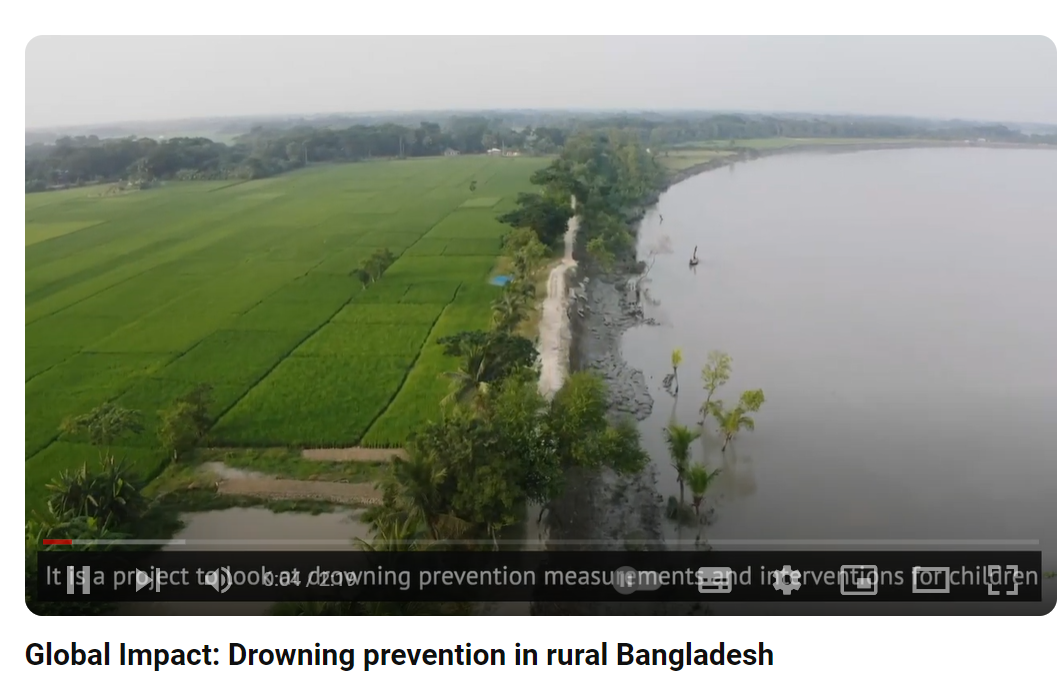
Sonamoni is a public health project is funded by the National Institute for Health and Care Research (NIHR) through its Research and Innovation for Global Health Transformation programme. For more information, visit the NIHR website.

Prof. Edwin van Teijlingen
Centre for Midwifery & Women’s Health (CMWH)












 3C Online Social: Thursday 26 March 1–2pm – Research Culture, Community & Can you Guess Who?
 Four BU students at national midwifery conference
 INRC book roundtable/presentation by Drs Jonathan Cole and Catherine Talbot, Wednesday 22/04/2026, 13:00h, P426
 BU M.Res. student’s evidence to UK Parliamentary Women & Equalities Committee
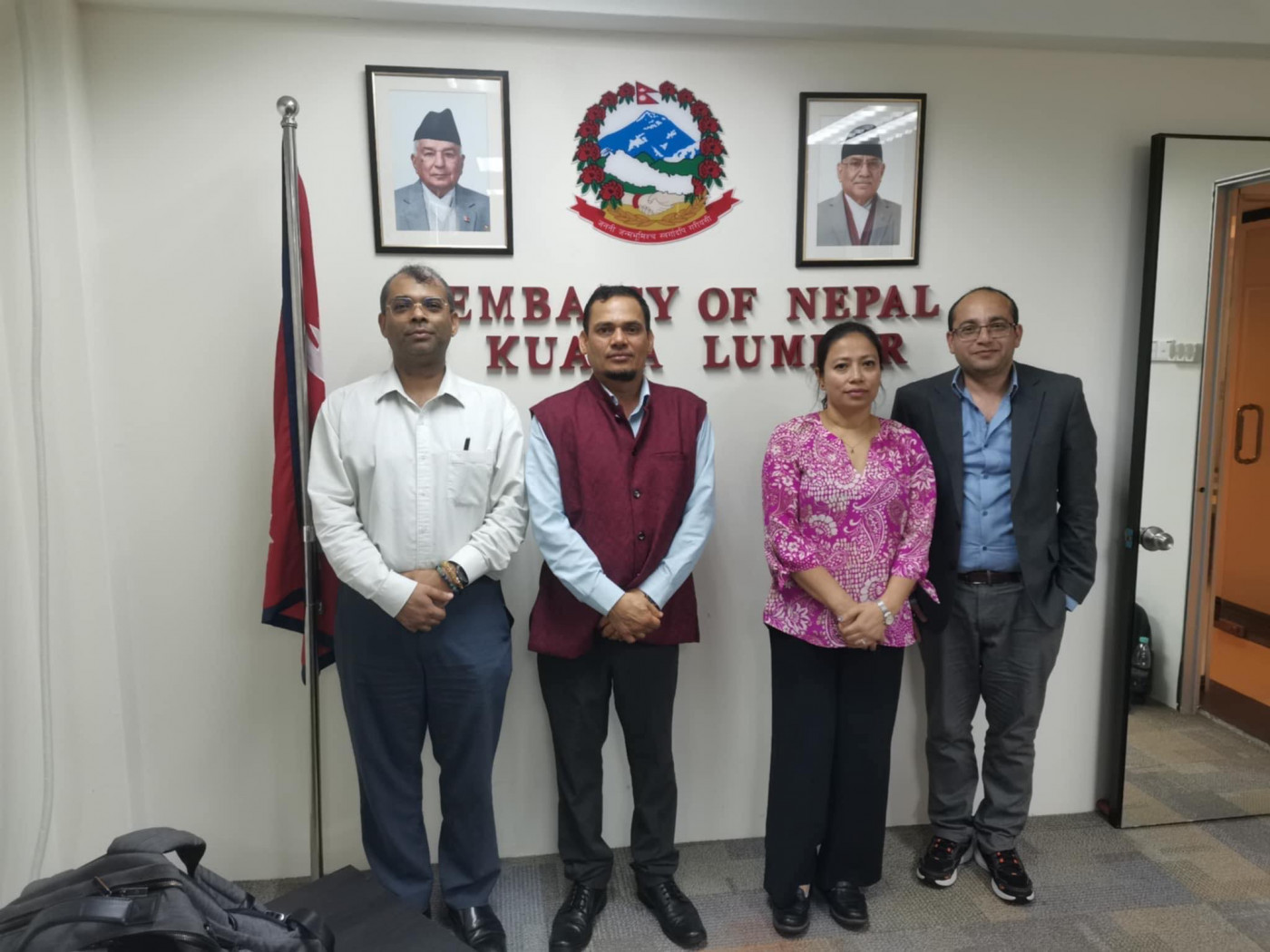
 Prof Marahatta promoting BU-Nepal collaboration
 ECR Funding Open Call: Research Culture & Community Grant – Apply now
 ECR Funding Open Call: Research Culture & Community Grant – Application Deadline Friday 12 December
 MSCA Postdoctoral Fellowships 2025 Call
 ERC Advanced Grant 2025 Webinar
 Update on UKRO services
 European research project exploring use of ‘virtual twins’ to better manage metabolic associated fatty liver disease