The Bournemouth Researcher/Academic Development (BRAD) events programme will run 4th of April – 12th of April 2016.
With less than two weeks to go until our BRAD events programme begins – there is still time to book yourself into one or more of our exciting events through Organisational Development. Please click on the links below to find out more information about each session and to book onto the training courses.
Monday April 4th
- Case For Support with Dr. Andrew Derrington
The workshop is designed to start you working on an extremely efficient ’recipe’ for producing a “Case for Support” for research bids.
- Developing an Effective Search Strategy and Using Researcher Tools with Emma Crowley
This course is intended to provide an overview of information resources.
- What is REF? with Prof. Edwin van Teijlingen
This session will cover the fundamentals of the Research Excellence Framework (REF)
Tuesday April 5th
- Nvivo (Day 2) Advanced with Ben Meehan, Systems Analyst (Nvivo)
Whilst Nvivo Part 1 is largely conceptual, Part 2 is mainly practical and is quite technical.
- Qualitative Research with Dr. Kip Jones
BU’s Centre for Qualitative Research will highlight recent work in the use of arts-based research and dissemination (Performative Social Science) in its outputs.
- Introductory Research Professional Session with Luke George
This will be an introductory session on using Research Professional to help find funding run by Luke George from Research Professional.
- Statistics Refresher with Dr. Zoe Sheppard
This workshop will provide an overview of quantitative research methods and is suitable for staff new to quantitative methods or who fancy a refresher.
Wednesday April 6th
- Nvivo – Building Your Database with Ben Meehan, Systems Analyst (Nvivo)
The balance of Day 1 is conceptual and covers many planning decisions associated with gathering, importing and coding your qualitative data in a database environment, there is a practical element to the day.
Thursday April 7th
- Research Bid Writing with Dr. Martin Pickard
This workshop includes writing grant proposals, and writing effective applications.
- Ethics and Research Governance with Sarah Bell
A 20 minute presentation on ethical considerations, policy, and principles. Followed by a Q & A session on your ethical issues or questions related to your research.
Friday April 8th
- Impact in Research with Genna West
This session will explore what we mean by impact and why it is an increasingly important part of your research career.
- EndNote with Chris Wentzell & Phil Stocks
This workshop will help you learn about EndNote, the industry standard, reference management software.
- The Principles of Grounded Theory with Dr. Liz Norton
This session will introduce the research approach of Grounded Theory.
- Mixed Methods with Dr. Joanne Mayoh
This session will provide a broad overview of the practical and philosophical aspects of mixed methods research.
- Innovation, Enterprise and Industry – Business Engagement and Networking with Rachel Clarke
For both early career researchers and experienced academics alike this session will include tips and information on how to develop and make the most of building relationships and networks with businesses.
Monday April 11th
- Using social Media to Enhance Research Profile with Prof. Dimitrios Buhalis and Dr. Alessandro Inversini
Using Twitter, Blogs, social citations, Face Book, academia.edu and researchgate and online networking to raise your academic profile.
Tuesday April 12th
- Public Engagement with Dr. Steve Dorney, Principal Public Engagement Fellow at the University of Southampton
An overview of the Public Engagement with Research (PER) agenda in the UK and internationally will be covered as part of this workshop.
 Doing a PhD may appeal to midwives and other NHS health professionals, but it often involves having to make difficult choices. Undertaking a part-time PhD means studying on top of a busy clinical position, but starting full-time study involves stepping away from practice, which may lead to a loss of clinical skills and confidence. The Centre for Midwifery, Maternal & Perinatal Health (CMMPH) at Bournemouth University has come up with a novel solution making it easier for midwives to undertake a doctorate while still maintaining their clinical skills. This approach is highlighted in the latest publication by Dr. Susan Way and colleagues, describing a process where CMMPH collaborate with NHS partners to apply for a match-funded PhD. [1] The first partnership was with Portsmouth Hospitals NHS Foundation Trust (PHT), with later partners expanded to cover the Isle of Wight and Southampton. Currently there are negotiations with Dorset Country Hospital NHS Foundation Trust and Poole Hospital NHS Foundation Trust. Non NHS organisations have also showed an interest with the Anglo European Chiropractic College (AECC) our likely next collaborator.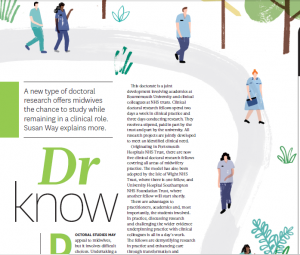



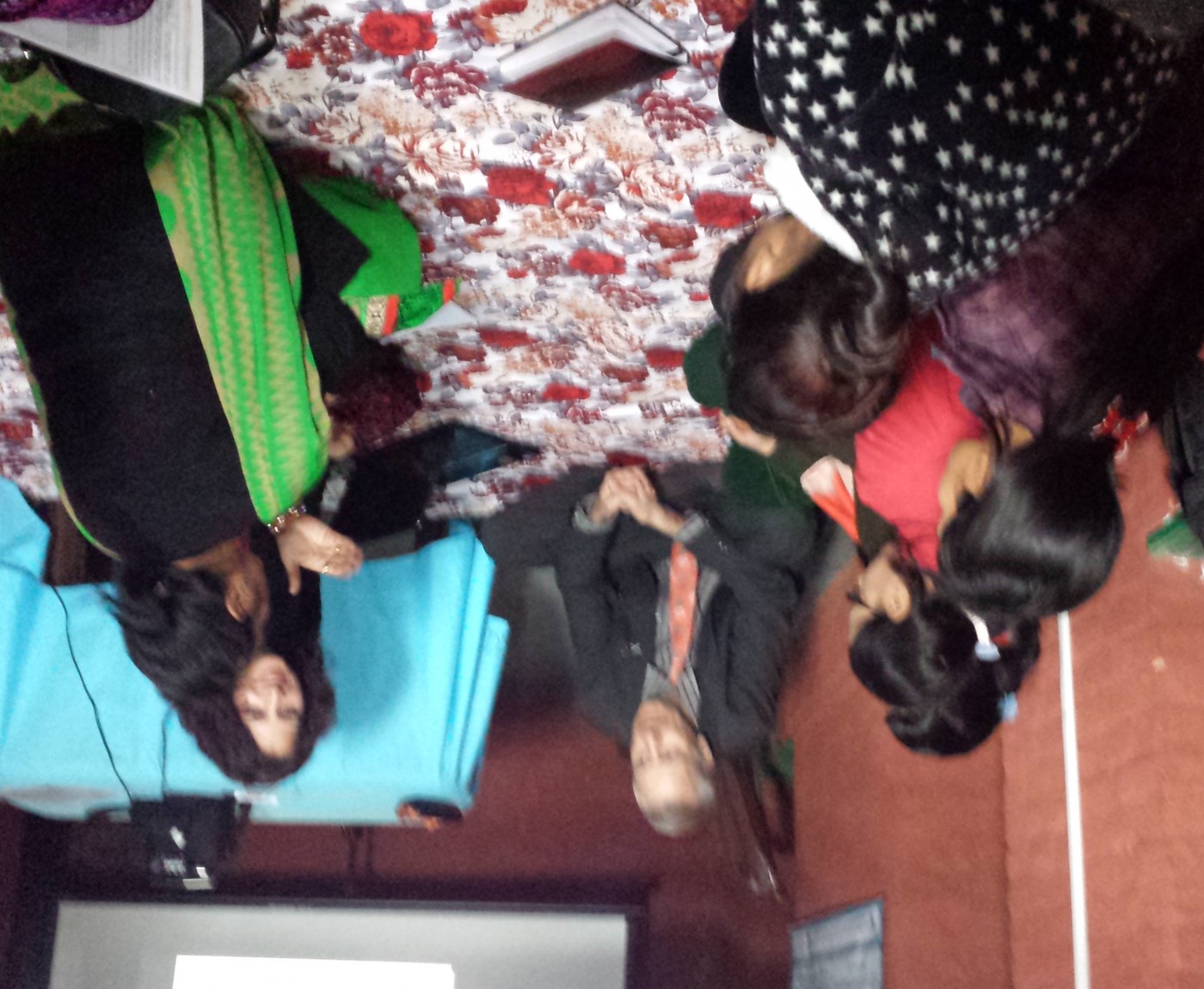

 with BU on a range of health and maternity-care projects. The birthing centre has been improved since our last visit one year ago. There now is a newly build decomposition pit for the disposal of placentas. There is a new postnatal recovery room, and the number of local women giving birth in the facility has been increasing! When we arrived a new baby had just been born an hour or so earlier (second photo with proud father on the right).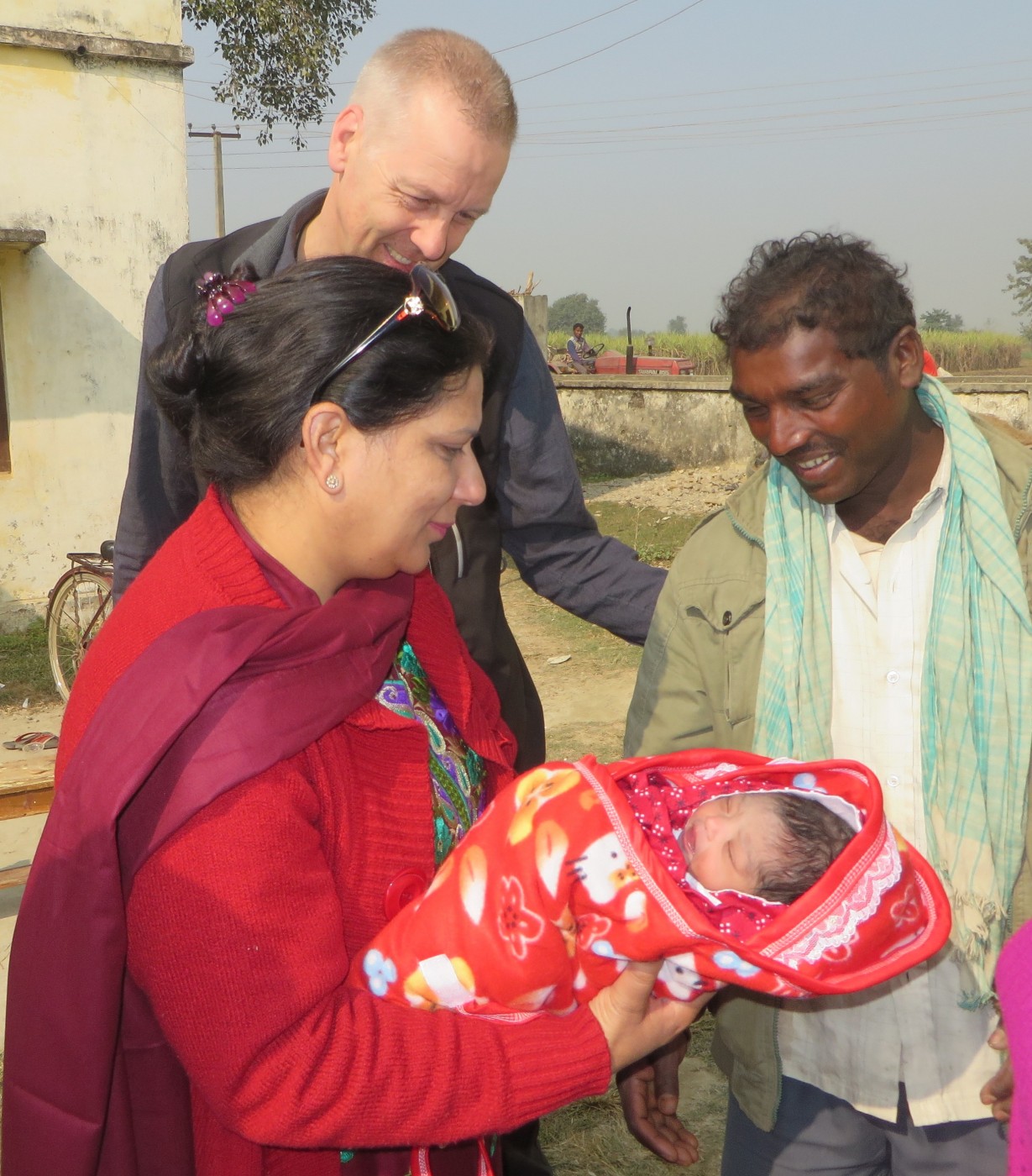
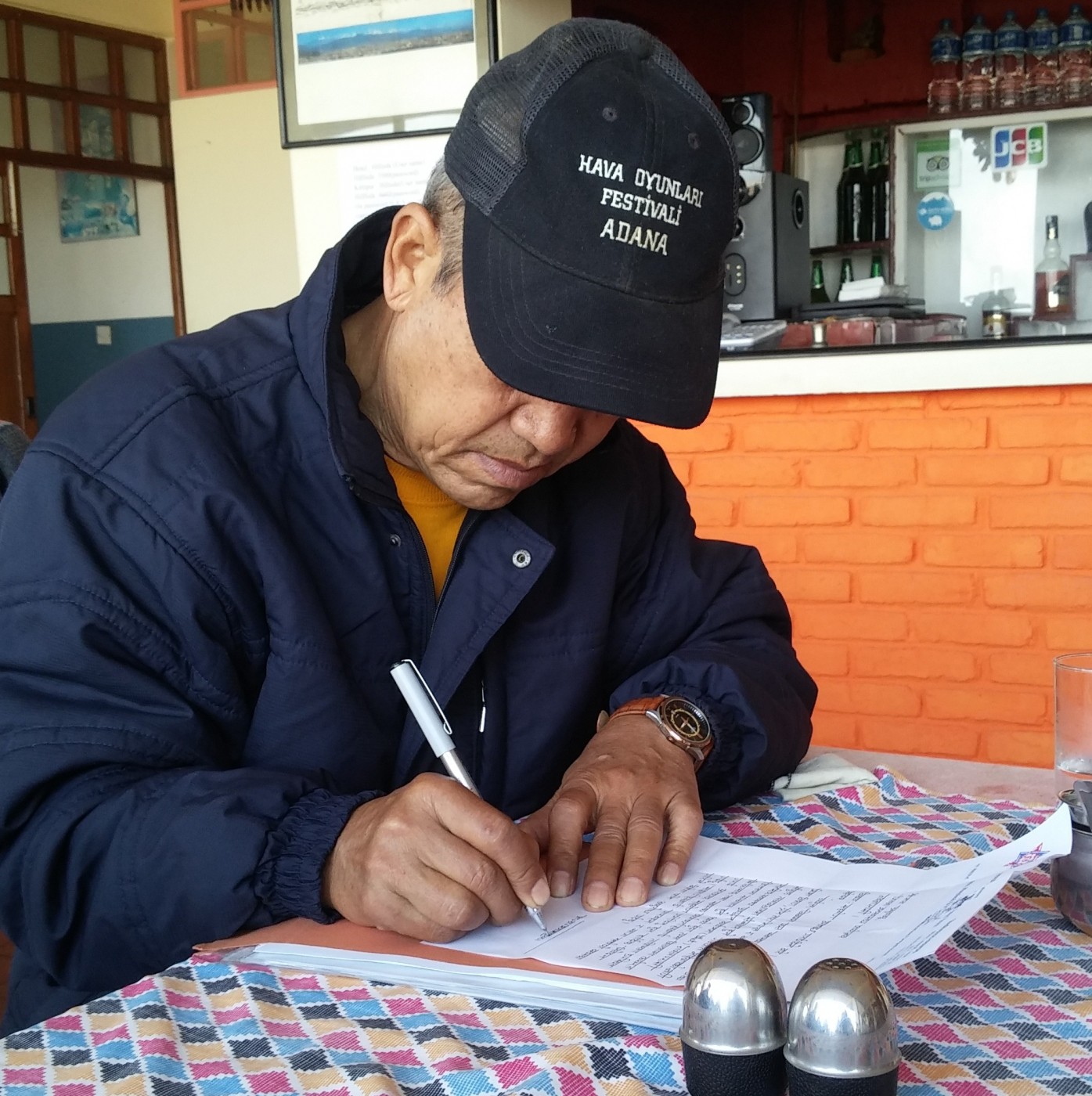



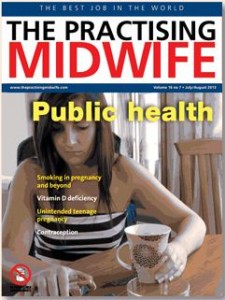 Carol Richardson, joint Portsmouth Hospitals NHS Trust and CMMPH’s PhD student, published her latest article ‘On running for supervisor’ in the most recent edition of The Practising Midwife. Carol as Clinical Academic Doctoral Midwife is conducting her thesis research on the topic of pregnancy and obesity. Her PhD is supervised by FHSS Prof. Vanora Hundley, Dr. Carol Wilkins & Prof. Edwin van Teijlingen.









 SONAMONI contributions to Safety Conference 2026 in South Africa
 Three CMWH presentations at Berlin conference
 New interdisciplinary paper on Nepal
 Horizon Europe Cluster 3 (Civil Security for Society) 2026 Calls Now Open
 MSCA Doctoral Networks 2026 Call Information Webinar
 ESRC Festival of Social Science 2026: Application Deadline Extended to Thursday 25 June 2026
 Reminder: Register for the ESRC Festival of Social Science 2026 Information Session
 ECR Funding Open Call: Research Culture & Community Grant – Apply now
 ERC Advanced Grant 2025 Webinar
 Update on UKRO services
 European research project exploring use of ‘virtual twins’ to better manage metabolic associated fatty liver disease