-
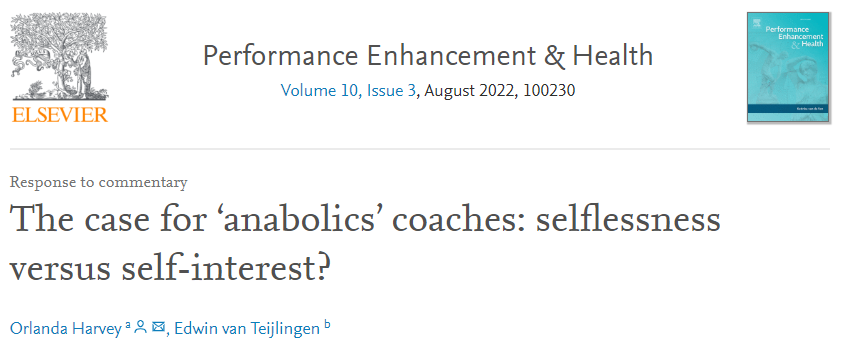
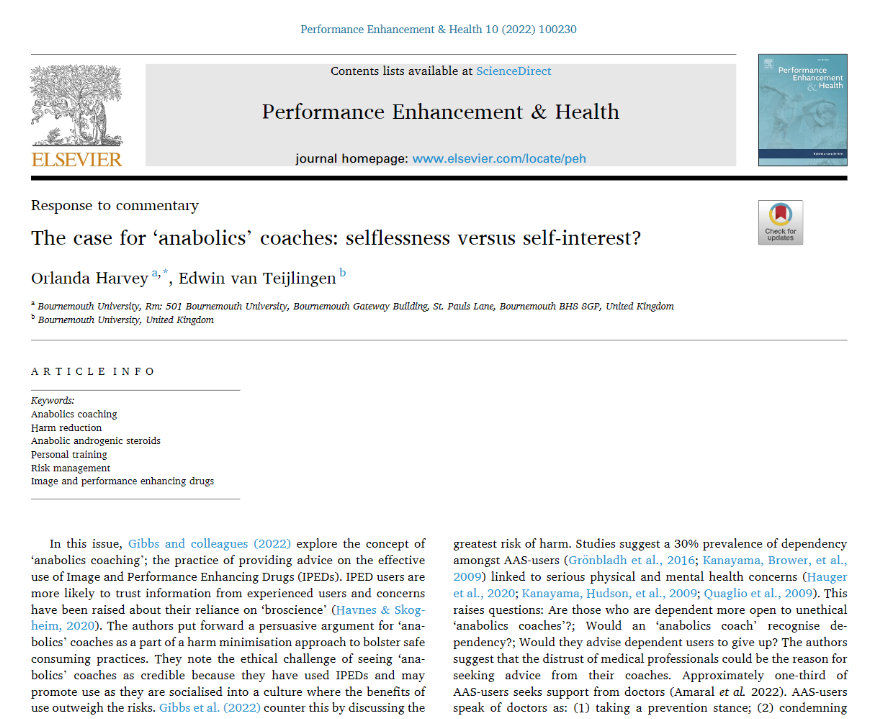
Harvey, O., van Teijlingen, E., Parrish, M. (2022) Mixed-methods research on androgen abuse – a review, Current Opinion in Endocrinology & Diabetes (accepted)
- Harvey, O., Parrish, M., van Teijlingen, E, Trenoweth, S. (2021) Libido as a reason to use non-prescribed Anabolic Androgenic Steroids, Drugs: Education, Prevention & Policy 29:3,276-288,DOI: 10.1080/09687637.2021.1882940
- Harvey, O., Keen, S., Parrish, M., van Teijlingen, E. (2019) Support for people who use Anabolic Androgenic Steroids: A Systematic Literature Review into what they want and what they access. BMC Public Health 19: 1024 https://doi.org/10.1186/s12889-019-7288-x https://rdcu.be/bMFon
- Harvey, O., Parrish, M., van Teijlingen, E., Trenoweth, S. (2020) Support for non-prescribed Anabolic Androgenic Steroids users: A qualitative exploration of their needs Drugs: Education, Prevention & Policy 27:5, 377-386. DOI 10.1080/09687637.2019.1705763
- Harvey, O., (2019) ECR Spotlight: From Social Work to Studying Steroids, HED Matters 2(2):16-19.
Category / Publishing
Dealing with difficult reviewers
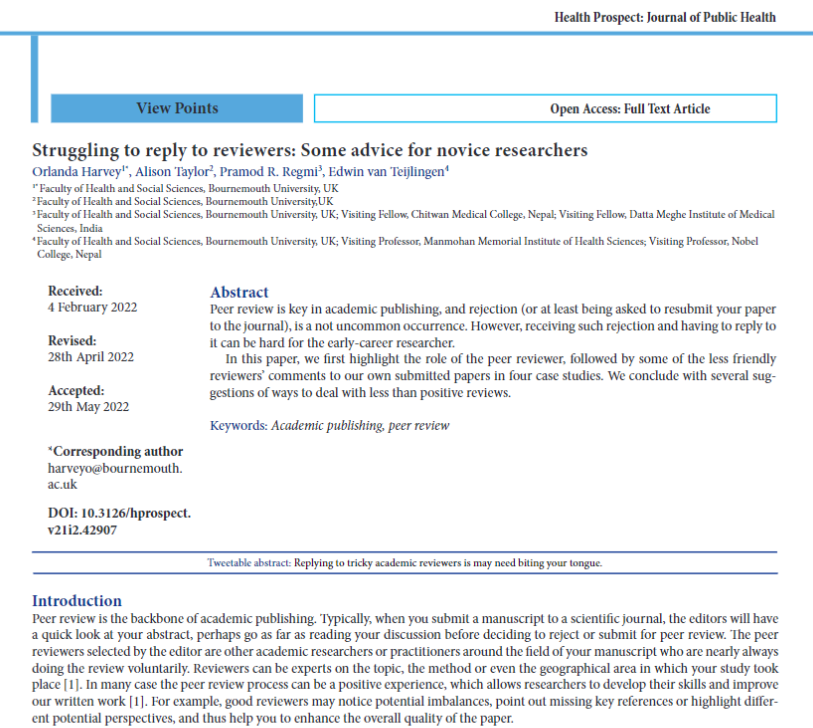
This week saw the publication of another Bournemouth University paper on academic writing and publishing. This latest paper ‘Struggling to reply to reviewers: Some advice for novice researchers‘ has been published in the scientific journal Health Prospect: Journal of Public Health. This journal is published in Nepal and it is Open Access, hence freely available across the globe.
Peer review is the process by which academic journals assess and regulate the quality of content they publish, by inviting academic experts to review your submitted manuscripts. It is a process of quality control. Once you have submitted your paper to a journal the editor will select potential peer reviewers within the field of research to peer-review your manuscript and make recommendations. In many case the peer review process can be a positive experience for you as it allows you to develop your skills and improve your written work. For example, good reviewers may notice potential imbalances, point out missing key references or highlight different potential perspectives, and thus help you to enhance the overall quality of the paper. On some occasions, however a reviewer can be a complete pain in the neck!
The paper is written by a multidisciplinary team based in the Department of Nursing Sciences (Dr. Regmi), the Department of Social Sciences and Social Work (Dr. Harvey), and the Department of Midwifery & Health Sciences (Dr. Taylor & Prof. van Teijlingen). The authors bring their combined expertise in midwifery, social work, health education, sociology and health services research to offers the readers advice how to deal with the more difficult reviewers.
Reference:
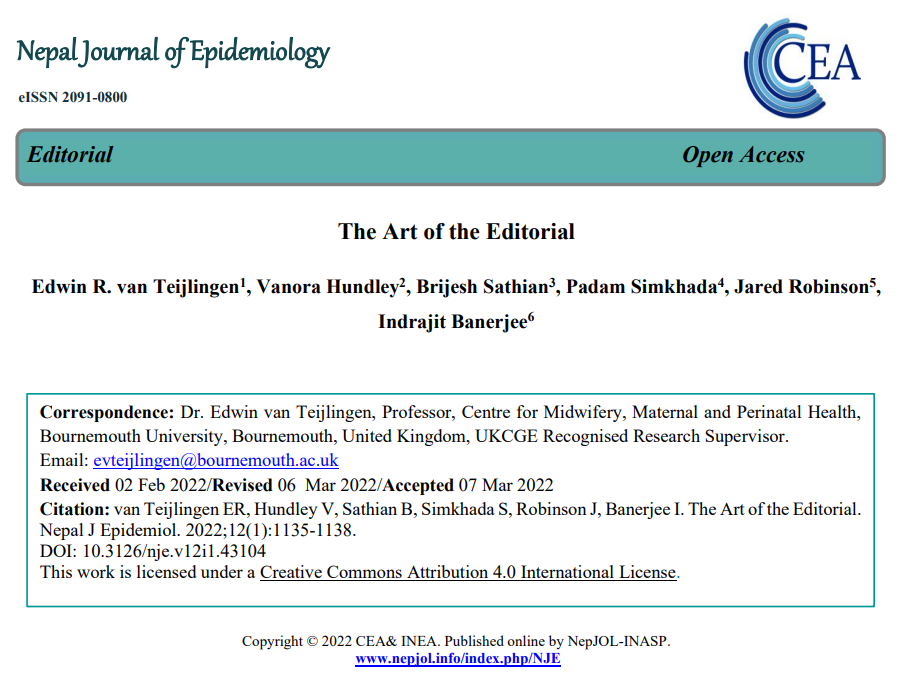
- Harvey, O., Taylor, A., Regmi, P.R., van Teijlingen, E. (2022) Struggling to reply to reviewers: Some advice for novice researchers Health Prospect: Journal of Public Health 21(2):19-22
New paper on COVID-19 rumours in Nepal
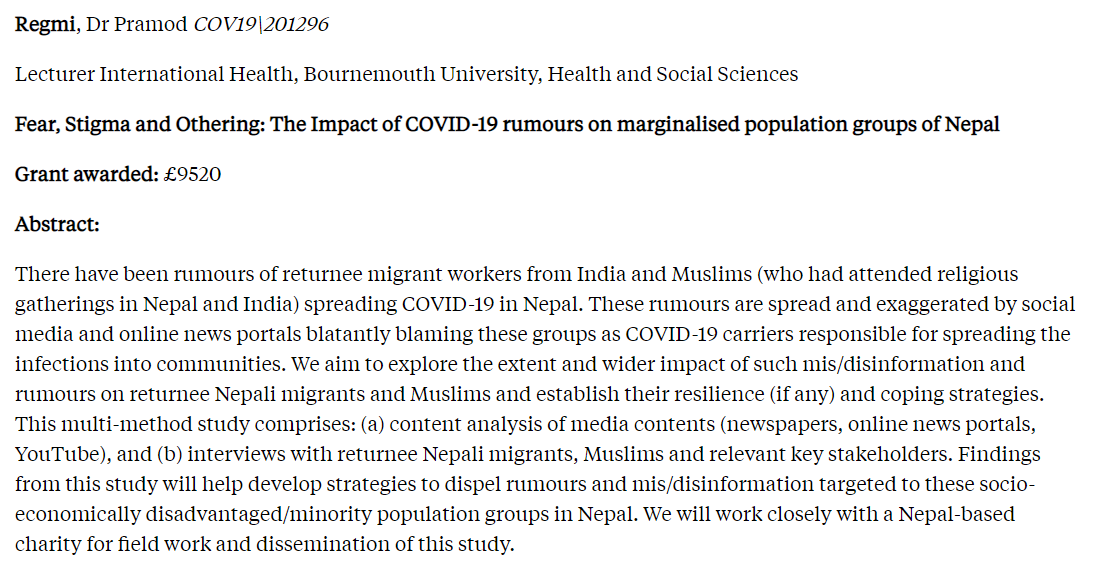
Today the International Journal of Environmental Research and Public Health accepted the latest COVID-19 paper from an multidisciplinary team in the Faculty of Health & Social Sciences (FHSS). The paper ‘Fear, Stigma and Othering: The Impact of COVID-19 Rumours on Returnee Migrants and Muslim Populations of Nepal’ is based on research funded by British Academy Special Research Grants: COVID-19 Awards. This British Academy funded-study brought together social scientists and health researchers interested in social and media aspects of the COVID-19 pandemic.
The project is apart of the Health Research Network for Migrant Workers in Asia and it is led by Dr. Pramod Regmi (Department of Nursing Sciences), Dr. Shovita Dhakal-Adhikari (Department of Social Sciences and Social Work), Dr. Nirmal Aryal (formerly Department of Midwifery & Health Sciences and soon to be appointed in the Department of Nursing Sciences), external collaborator Dr. Sharada Prasad Wasti from the University of Huddersfield, and Prof. Edwin van Teijlingen (Department of Midwifery & Health Sciences).
Reference:
- Regmi, P., Dhakal Adhikari, S., Aryal, N., Wasti, S.P., van Teijlingen, E. (2022) Fear, Stigma and Othering: The Impact of COVID-19 Rumours on Returnee Migrants and Muslim Populations of Nepal, International Journal of Environmental Research and Public Health Accepted
Article in Food Control on adapting the Delphi method (during Covid restrictions) for research in the food sector
The purpose of the study was to present the first stage of work being undertaken to develop and evaluate a maturity framework designed to assess and benchmark the effectiveness, ability to achieve continuous improvement, and optimise processes and functioning of food safety regulatory and enforcement agencies across the world.
To achieve this aim, a comparison of global food safety regulations (desk review), and Delphi-interviews with stakeholders of food safety regulatory and enforcement agencies from Australia, Canada, Ireland, and USA were carried out. There were 4 members in the panel – each member had a minimum of twenty years of experience in the food regulatory world. Due to the Covid-19 pandemic-related lockdown, the panel was interviewed individually using MS Teams. 2 rounds of interviews were carried out. At the end of the first round, data was analysed using inductive, textual data analysis. A report was presented to each panel member, following which, a second round if individual interviews were carried out. This enabled us (the research team) to overcome the limitations posed by global lockdowns and social distancing measures, while carrying out a robust iterative process. Through inductive, textual data analysis, three dimensions and thirteen sub-dimensions were identified that covered cultural and systems elements influencing the quality and impact of food safety regulations across the world as well as the gaps identified by the stakeholders.
The conclusions of the study were that whilst there was broad support by food safety regulators for developing a benchmarking and evaluation framework for food safety regulatory and enforcement agencies, there were also some outstanding challenges such as defining globally applicable measures, buy-in from specialised agencies and senior management to adopt a maturity framework to change the culture within regulatory agencies, and the role played by governments in influencing the efficiency and functioning of regulatory systems.
The paper is Open-Access and resides here.
Feel free to drop me a message to learn more about the study or the methodology.
10 Tips for Getting Started as a Peer Reviewer
Are you thinking about being a peer reviewer but aren’t sure where to start? Are you concerned that you don’t have enough experience to review a manuscript for a journal?
Click on the link below to find out the ten easy things you can do to prepare to be a reviewer and put yourself in a position to start reviewing. Some of these are so simple you can do them in the next five minutes. Get started now!
Celebrating FHSS Visiting Faculty’s contribution
Some people are unsure (or unaware) of the contribution of Bournemouth University’s Visiting Faculty. At many UK universities eminent scholars (researchers, teachers and/or professionals) are offered honorary unpaid appointments to enhance the skills and knowledge of that institution’s academic staff and/or students. Unusually, these Visiting Faculty members are hosted when there already exists a well-developed professional relationship between the Visiting Faculty and the university’s staff. The Faculty of Health & Social Sciences (FHSS) has a number of Visiting Faculty members, including some local, national and international collaborators.
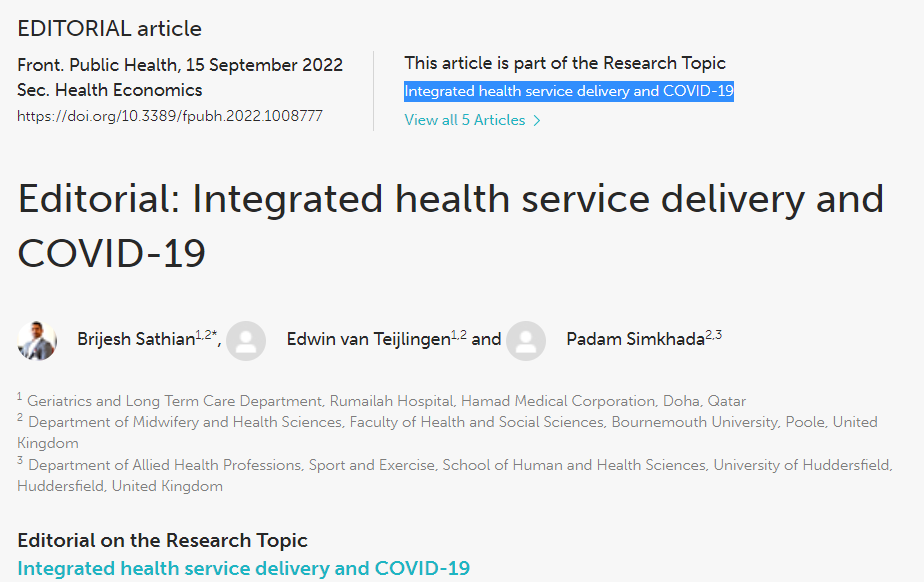
It just occurred to me this morning that my last two scientific publications, including the one highlighted yesterday on the BU Research Blog are co-authored with academics who are FHSS Visiting Faculty. Yesterday’s paper ‘‘A survey of Post-Traumatic Stress Disorder, Anxiety and Depression among Flood Affected Populations in Kerala, India‘ [1], was co-authored by two of our Visiting Faculty: Prof. Padam Simkhada (in the School of Human & Health Sciences at the University of Huddersfield) and Dr. Brijesh Sathian (in the Geriatrics & Long-term Care Department at Rumailah Hospital, Qatar).
Whilst last week’s publication ‘COVID-19 restrictions and psychological well-being of fathers with infants admitted to NICU (neonatal intensive care units)—an exploratory cross-sectional study‘ in the journal Acta Paediatrica [2] was co-authored by two Visiting Faculty members from University Hospitals Dorset NHS Foundation Trust.
The two clinicians, who co-authored this international paper, are both based at Poole Maternity Hospital: Prof. Minesh Khashu (Lead Consultant Neonatologist) and Ms. Jillian Ireland (Professional Midwifery Advocate).
Both papers are Open Access, and hence free to access for anybody across the globe.
References:
- Asim, M., Sathian, B., van Teijlingen, E., Mekkodathil, A. A., Babu, M. G. R., Rajesh, E., Kumar, R. N., Simkhada, P., & Banerjee, I. (2022). A survey of Post-Traumatic Stress Disorder, Anxiety and Depression among Flood Affected Populations in Kerala, India . Nepal Journal of Epidemiology, 12(2), 1203–1214. https://doi.org/10.3126/nje.v12i2.46334
- Adama E.A., Koliouli F., Provenzi L., Feeley N., van Teijlingen E., Ireland J., Thomson-Salo F., Khashu M and FINESSE Group (2022) COVID-19 restrictions and psychological well-being of fathers with infants admitted to NICU—an exploratory cross-sectional study, Acta Paediatrica (forthcoming) https://onlinelibrary.wiley.com/doi/full/10.1111/apa.16455
New BU disaster publication
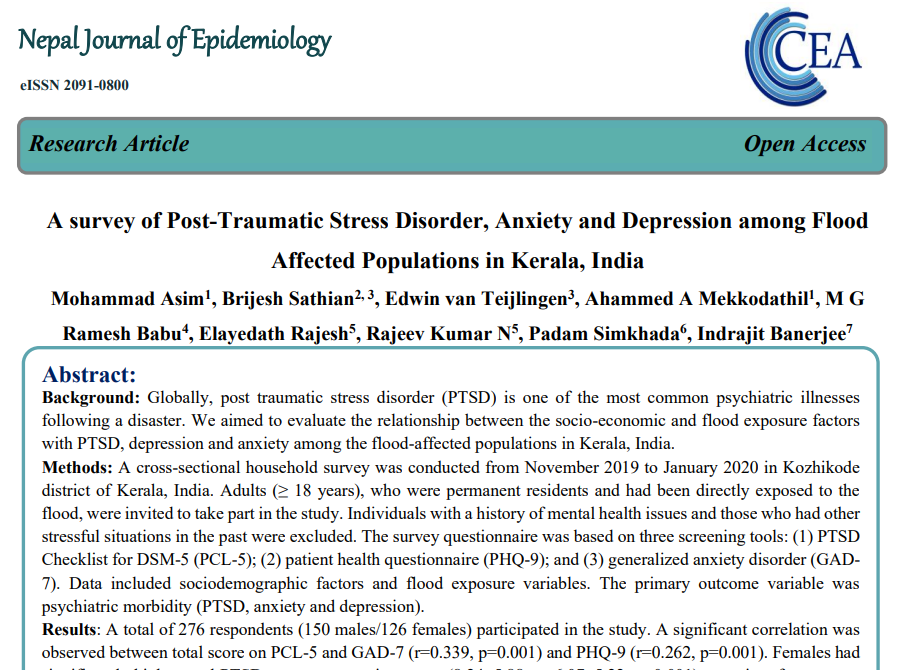
Yesterday the latest issue of the Nepal Journal of Epidemiology carried our paper ‘A survey of Post-Traumatic Stress Disorder, Anxiety and Depression among Flood Affected Populations in Kerala, India‘ [1]. This paper was co-authored by two Faculty of Health & Social Sciences (FHSS) Visiting Faculty, namely Prof. Padam Simkhada (in the School of Human & Health Sciences at the University of Huddersfield) and Dr. Brijesh Sathian (in the Geriatrics & Long-term Care Department at Rumailah Hospital, Qatar). This study is longer-term follow-up of the 2018 floods in Kerala. The authors conducted a cross-sectional household survey between November 2019 to January 2020 in one district of Kerala with adults who had been directly exposed to the 2018 flood. The paper concludes that the vast majority of respondents (92% of women & 87% of men) still showed sub-clinical psychiatric symptoms one year after the flood. An earlier paper had argues for further research in India to explore “the long-term sequelae of catastrophic floods on physical and mental trauma on disaster-affected populations” [2].
Prof. Edwin van Teijlingen
Centre for Midwifery, Maternal & Perinatal Health (CMMPH)
References:
- Asim, M., Sathian, B., van Teijlingen, E., Mekkodathil, A. A., Babu, M. G. R., Rajesh, E., Kumar, R. N., Simkhada, P., & Banerjee, I. (2022). A survey of Post-Traumatic Stress Disorder, Anxiety and Depression among Flood Affected Populations in Kerala, India . Nepal Journal of Epidemiology, 12(2), 1203–1214. https://doi.org/10.3126/nje.v12i2.46334
- Asim, M., Mekkodathil, A., Sathian, B, Elayedath, R., Kumar N.R., Simkhada, P., van Teijlingen, E. (2019) Post-Traumatic Stress Disorder among the Flood Affected Population in Indian Subcontinent, Nepal Journal of Epidemiology 9(1): 755-758. https://www.nepjol.info/index.php/NJE/article/view/24003

Sorry, the publication of your paper is being delayed because….

Yesterday a colleague in Nepal notified me that the publication of our latest paper has been delayed. This paper ‘Writing and publishing a reflective paper: Three case studies’ [1] is another method-type paper on aspects of academic writing and publishing published by BU academics and FHSS Visiting Faculty. A delay in getting in print is not uncommon in academic publishing, but usually the justification is that reviewers are sitting on the manuscript and not returning their report, or the journal editor can’t find academics to volunteer as reviewers, or the editor is ill. Occasionally the journal has too few papers to publish the next issue yet with your accepted paper in it, but this time the excuse was ever rarer. 
We had submitted our paper to a brand new journal. A research collaborator in Kathmandu had asked me to submit a paper for the journal’s inaugural issue, which we did as we saw this a part of our role in academic capacity building in Nepal. The delay in publishing this journal is the shortage of ISSN [International Standard Serial Number] numbers in Nepal. Every good academic journal across the globe will have registered for a unique ISSN number [2]. Apparently the office issuing ISSN numbers in Paris head office has not delivered ISSNs to Nepal, and according to my colleague “many journals are waiting for a number …It’s not good news for the academic writers and scholars but we’re really sorry for late due to the unavailability of ISSN.”
Prof. Edwin van Teijlingen
Centre for Midwifery, Maternal and Perinatal Health
References:
- Arnold, R., Ireland, J., Mahato, P., van Teijlingen, E., (2022) Writing and publishing a reflective paper: Three case studies, Welham College Journal (accepted for publication)
- van Teijlingen, E.R., Dhakal Adhikari, S., Regmi, P.R., van Teijlingen, A., Aryal, N., Panday, S. (2021). Publishing, identifiers & metrics: Playing the numbers game. Health Prospect, 20(1).
New paper on federalisation of health system in Nepal
Earlier this week the editor of the Journal of Nepal Public Health Association informed us the journal had accepted our latest paper ‘Health System Strengthening: The Role of Public Health in Federal Nepal’ [1]. This article addresses some of the key Public Health approaches around the ongoing federalisation of the state of Nepal and the associated decentralisation processes in its health system. This is the third paper of our three-year project, which is UK-funded by the MRC, Wellcome Trust and DFID under the Health Systems Research Initiative and led by Dr. Julie Balen and Prof. Simon Rushton based at the University of Sheffield. The first two papers introduced our international research project ‘The impact of federalisation on Nepal’s health system: a longitudinal analysis’ [2], and focused on COVID-19 when examining the effects of changing Nepal’s constitution towards a federal republic on its health system [3].
Prof. Edwin van Teijlingen
CMMPH (Centre for Midwifery, Maternal & Perinatal Health Research)
References
- Sapkota, S., Panday, S., Wasti, S.P., Lee, A., Balen, J., van Teijlingen, E., Rushton, S., Subedi, M., Gautam, S., Karki, J., Adhikary, P., Marahatta, S., Simkhada, P. for the Nepal Federal Health System Team (2022) Health System Strengthening: The Role of Public Health in Federal Nepal, Journal of Nepal Public Health Association (forthcoming).
- Rushton, S., Pandey, S., van Teijlingen, E., Subedi, M., Balen, J., Karki, J., Simkhada, P. on behalf of the Nepal Federal Health System Team (2021) An Investigation into the Impact of Decentralization on the Health System of Nepal. Journal of Manmohan Memorial Institute of Health Sciences, 7(1): 3–14. https://doi.org/10.3126/jmmihs.v7i1.43146
- Adhikary, P., Balen, J., Gautam, S., Ghimire S., Karki J.K., Lee A.C., Marahatta S.B., Pandey S., Pohl G., Ruston S., Sapkota S., Simkhada P.P., Subedi M., van Teijlingen E.R., on behalf of the NFHS Team. The COVID-19 pandemic in Nepal: Emerging evidence on the effectiveness of action by, and cooperation between, different levels of government in a federal system. Journal of Karnali Academy of Health Sciences. 2020; 3(3)
New paper on Amazonian Dark Earths involving IMSET researchers
Today, Nature Communications published a long-expected Matters Arising in response to a 2021 paper in the same journal: “A new hypothesis for the origin of Amazonian Dark Earths“. The new paper, involving more than 50 leading scholars involved in research on prehistoric Amazonia, affirms a human origin for the dark earths found throughout the central and eastern Amazon basin.
Amazonian Dark Earths (ADEs) are distinguished by their exceptional fertility and richness of archaeological remains. Evidently produced by various kinds of human activity, including but not limited to manuring, rubbish deposition, and biomass burning, they are a distinctive feature of later indigenous settlement of the Amazon river basin.

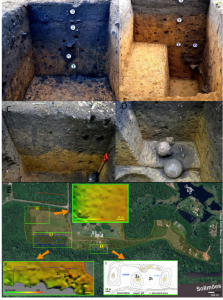
The paper synthesises diverse archaeological, palaeoenvironmental, and historic data to demonstrate the human origin of ADEs. Source: Lombardo et al. 2022
For more information see: Lombardo, U., Arroyo-Kalin, M., Schmidt, M. et al. Evidence confirms an anthropic origin of Amazonian Dark Earths. Nat Commun 13, 3444 (2022). https://doi.org/10.1038/s41467-022-31064-2
British Academy Writing Workshop in Nepal: Call for participants
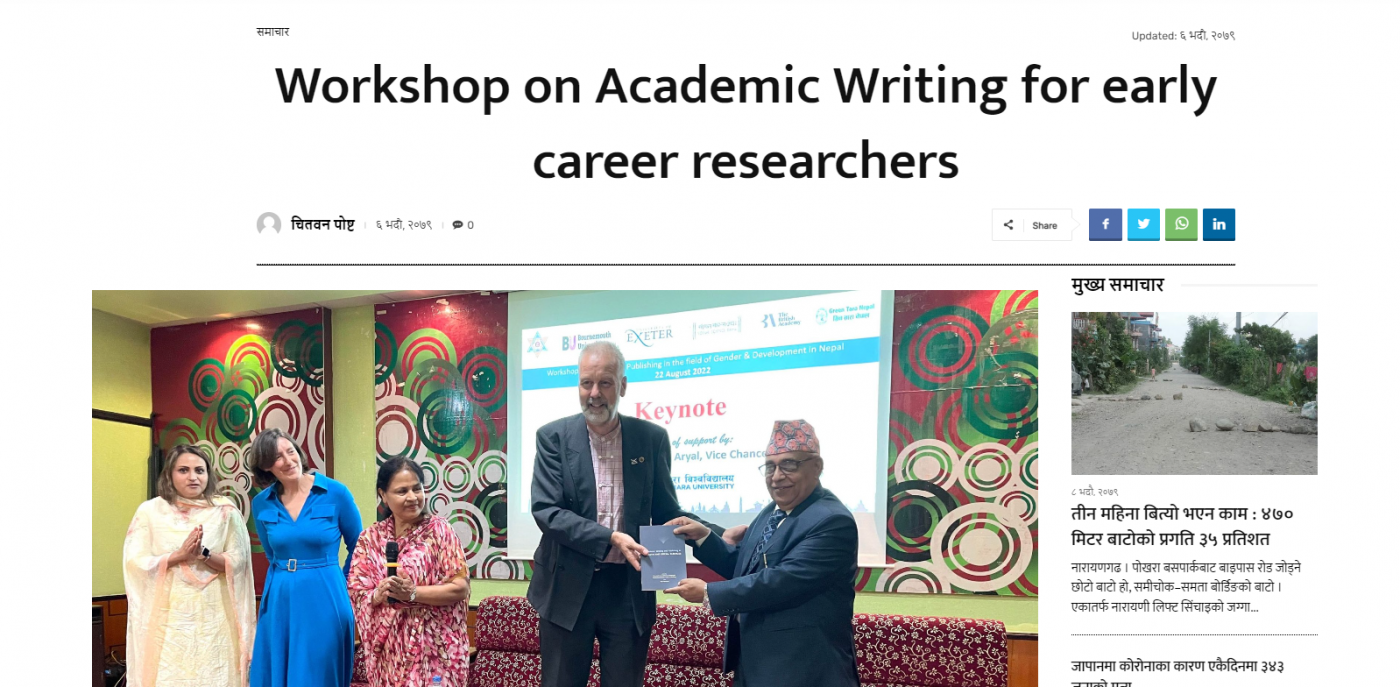
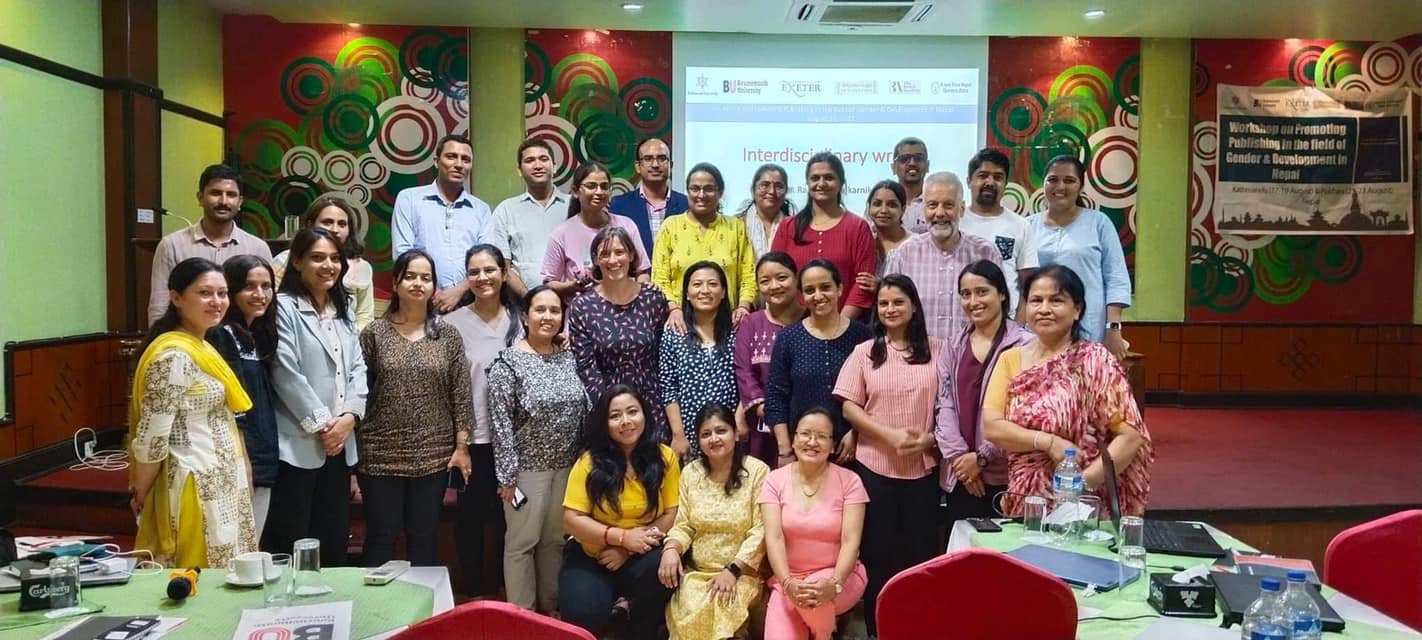
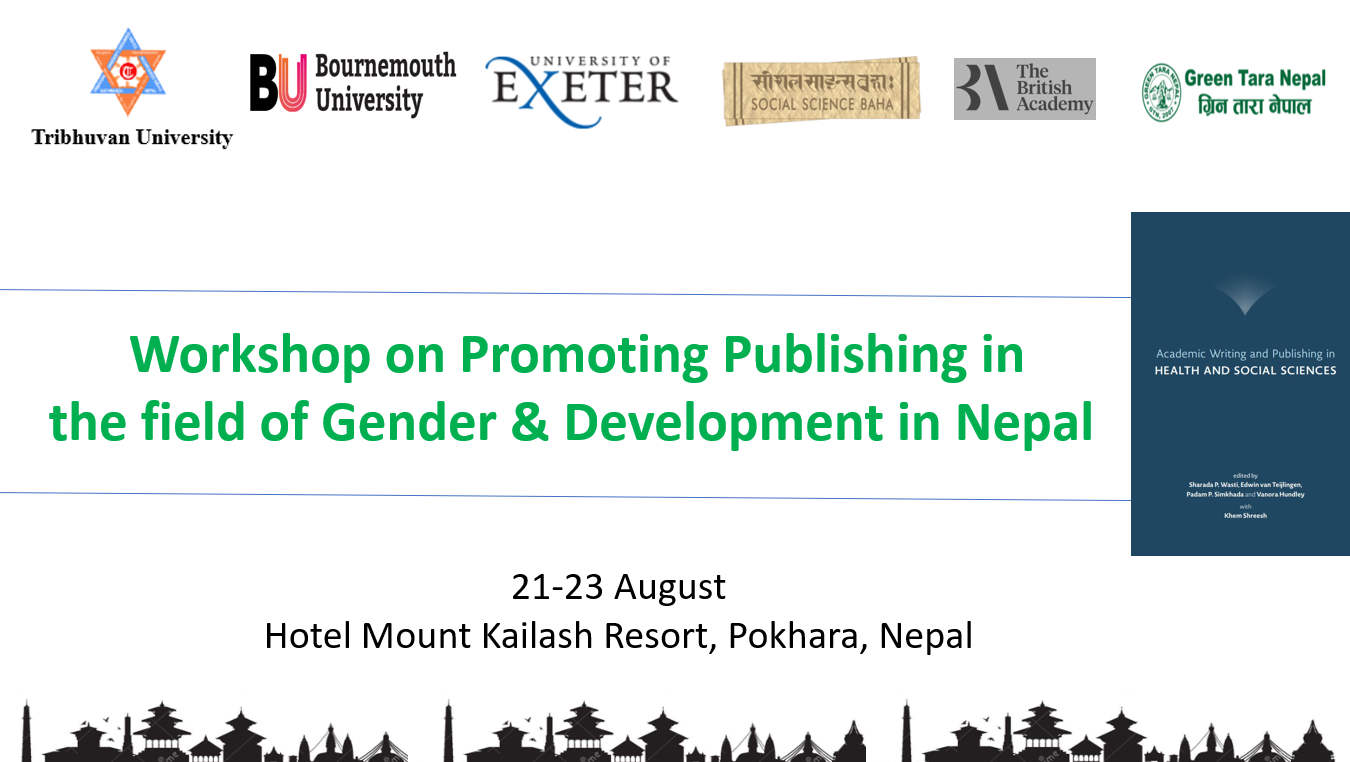
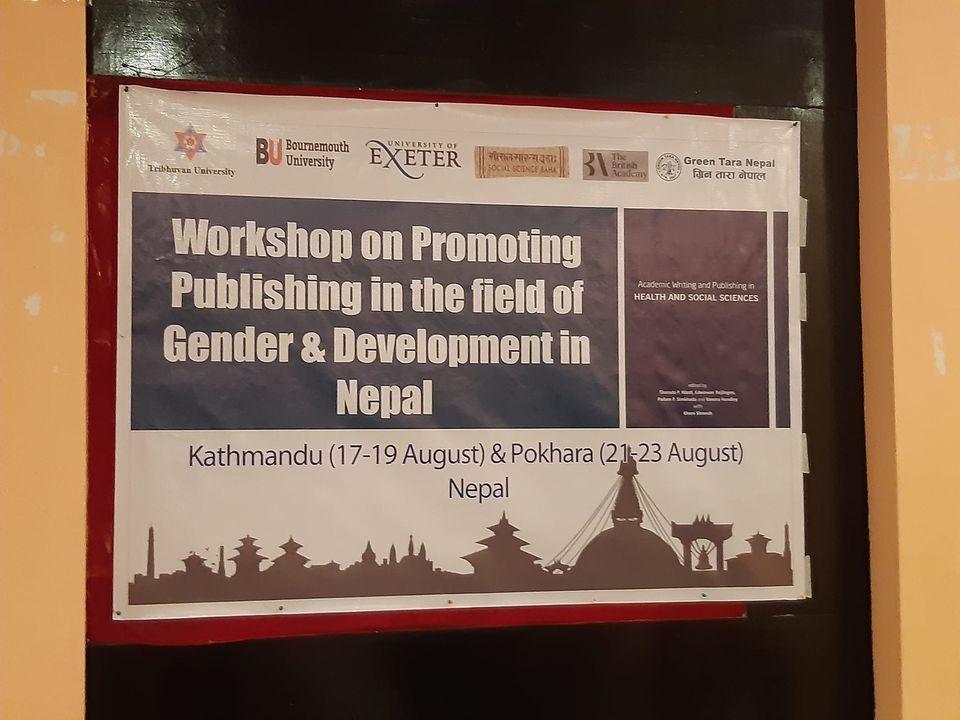
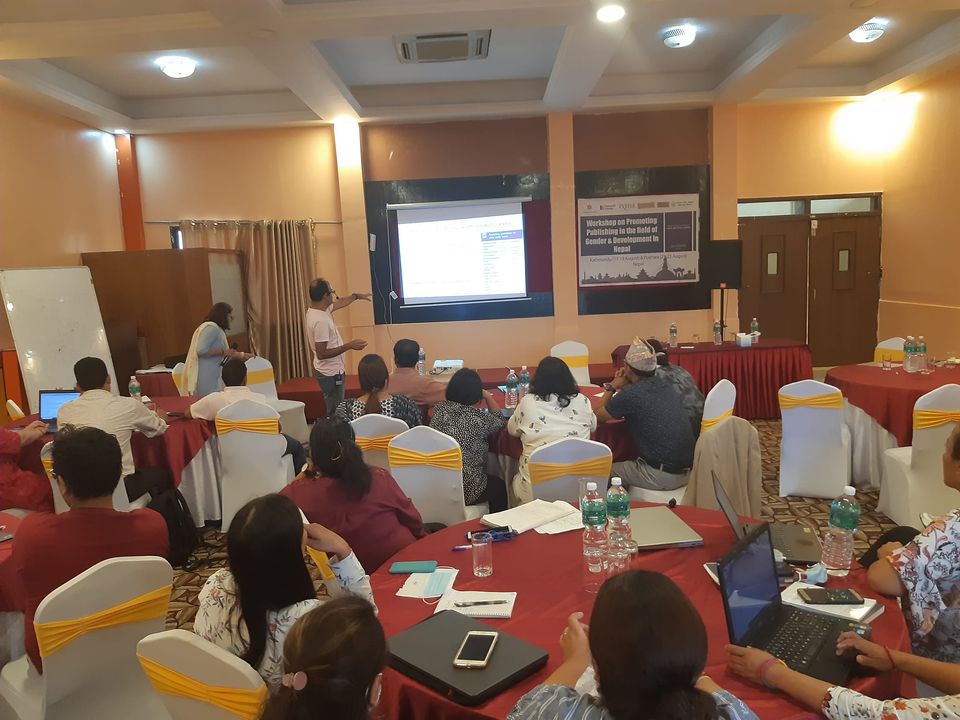
We are inviting expressions of interest for Nepal-based academic with an interest in gender and development issue to participate in our Writing Workshop: “Promoting Publishing in the field of Gender and Development in Nepal”. Bournemouth University is leading two separate three-day workshops for early career researchers (ECRs) working across various universities in Nepal to encourage and support them to publish in peer reviewed journals in the field of social sciences, in Kathmandu (from 17-19 August 2022), and in Pokhara (from 21-23 August 2022). The funding for these exciting workshop is provided by the British Academy. 
There will be a mixture of presentations, group discussion and other interactive exercises, and independent writing exercises. The workshop involves practical sessions to help attendees to make their research idea clear and compelling to reviewers, and finalise their papers for publications. One-to-one sessions with our expert advisers will allow attendees to work through different aspects of their own research papers, methods and ideas.
How to apply: If you are an ECR based in Nepal and have some idea (or/and data) to work towards publication in gender and development, then please send us:
- A short CV – 3 pages maximum;
- An abstract or summary of the proposed paper you wish to develop through the writing workshop- (300 words maximum) by 30thJune 2022.
Female ECRs are highly encouraged to apply. Please use Subject British Academy Writing Workshop 2022 and email to sdhakaladhikari@bournemouth.ac.uk, with a copy to both: pregmi@bournemouth.ac.uk and rashmi.rajkarnikar@cdec.tu.edu.np . The faciliators will inform you about your selection for the workshop by the middle of July 2022. Selected participants will be asked to to submit their first rough draft by 3rd August, so that this can be discussed further during the workshop (17-19 August 2022).
The Writing Workshop facilitators are three BU scholars, Dr Shovita Dhakal Adhikari, in the Department of Social Sciences & Social Work, Dr. Pramod Regmi in the Department of Nursing Sciences, and Prof. Edwin van Teijlingen in the Department of Midwifery & Health Science in collaboration with Dr. Rashmee Rajkarnikar, at Nepal’s oldest and largest university, namely Tribhuvan University.
Another CMMPH COVID-19 publication on fathers
Congratulations to Centre for Midwifery, Maternal & Perinatal Health (CMMPH) Visiting Faculty members Prof. Minesh Khashu and Ms. Jillian Ireland on the acceptance of their paper “COVID-19 restrictions and psychological well-being of fathers with infants admitted to NICU (neonatal intensive care units)—an exploratory cross-sectional study” has been accepted by Acta Paediatrica [1]. 
These authors, both employed by University Hospitals Dorset NHS Foundation Trust, are part of an international team of researchers studying the role of fathers in maternity care. The first author on the paper, Dr. Esther Adama is Lecturer in the School of Nursing and Midwifery at Edith Cowan University in Australia. Previous papers produced by some members of this team were both published in the Journal of Neonatal Nursing [2-3].
Congratulations to my colleagues!
Prof. Edwin van Teijlingen
References:
- Adama E.A., Koliouli F., Provenzi L., Feeley N., van Teijlingen E., Ireland J., Thomson-Salo F., Khashu M and FINESSE Group (2022) COVID-19 restrictions and psychological well-being of fathers with infants admitted to NICU—an exploratory cross-sectional study, Acta Paediatrica (accepted).
- Fisher, D., Khashu, M., Adama, E., Feeley, N., Garfield, C., Ireland, J., Koliouli F., Lindberg, B., Noergaard, B., Provenzi, L., Thomson-Salo, F., van Teijlingen, E. (2018) Fathers in neonatal units: Improving infant health by supporting the baby-father bond & mother-father co-parenting, Journal of Neonatal Nursing 24(6): 306-312 https://doi.org/10.1016/j.jnn.2018.08.007
- Ireland, J., Khashu, M., Cescutti-Butler, L., van Teijlingen, E., Hewitt-Taylor, J. (2016) Experiences of fathers with babies admitted to neonatal care units: A review of literature, Journal of Neonatal Nursing 22(4): 171–176
Another research league table
This week Research.com, a prominent academic platform, published its 2022 Edition of the Ranking of Top 1000 Scientists in the area of Social Sciences and Humanities. Professor Edwin van Teijlingen, in the Centre for Midwifery, Maternal & Perinatal Health (CMMPH), is listed as number 234 in United Kingdom ranking as well as number 1238 in the Social Sciences and Humanities world ranking.
Successful GCRF Systematic Reviewing in Dementia Research Workshop in Nepal
Last Sunday (29th May) Professors Vanora Hundley and Edwin van Teijlingen from the Centre for Midwifery, Maternal & Perinatal Health (CMMPH) run a hugely successful introduction to research workshop in Kathmandu. Their Global Challenges Research Fund (GCRF) funded the Systematic Review on Dementia Research Workshop on Sunday, which was very well attended. They expected (and had budgeted for) 30 people to attend and in the end the audience was closer 50 people
.
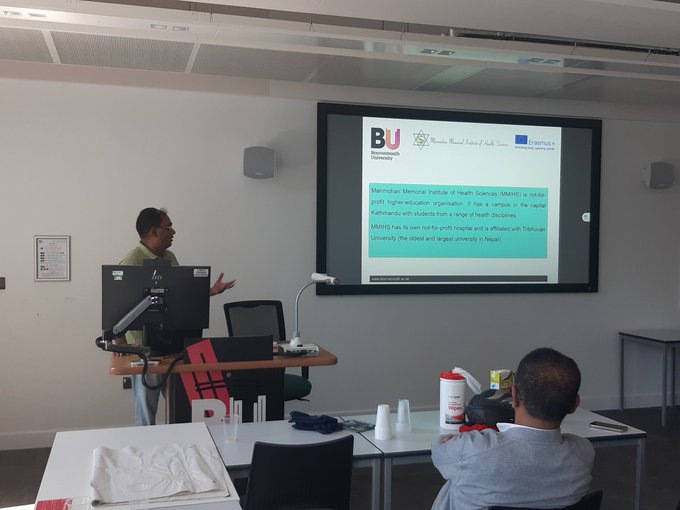
The event was organised by our colleagues at Manmohan Memorial Institute of Health Sciences (MMIHS) in Kathmandu and it was supported by the charity Green Tara Nepal. Professors Vanora Hundley and Edwin van Teijlingen are currently in Nepal as part of the BU-MMIHS ERASMUS+ exchange and added this one-day workshop to their schedule. The audience included Master students in Nursing and Public Health, MMIHS lecturers and post-doctoral researchers. This capacity-building workshop offered an introduction to all aspects of a systematic review, from formulating the systematic review research question at the start to the publication of a systematic review paper. The workshop also benefited from a short presentation by CMMPH PhD student Mrs. Sulochana Dhakal-Rai who also happened to be in Nepal as part of the BU-MMIHS student-exchange.
The planning nearly went wrong as two days before the workshop Prof. van Teijlingen tested positive for COVID-19 on a lateral flow test which was later confirmed by a PCR test. The fact that the event went ahead despite my quarantine in a nearby hotel room was only possible because of Prof. Vanora Hundley hard work on the day. Vanora led the workshop on the whole day whilst Edwin appeared in several sessions via ZOOM. Ironically, sitting only 200 meters away from the university venue in his hotel room. The connection was not always great, it broke up several times during the day, but it worked well enough. The MMIHS colleagues were very thoughtful when it came to the group photo at the end as they included the laptop with his ‘live’ presence on Zoom.
New research paper published by PhD student Hina Tariq
PhD student Hina Tariq, currently undertaking the Clinical Academic Doctorate program at the Department of Social Sciences and Social Work (SSSW), published a new paper titled, “Factors associated with joint contractures in adults: a systematic review with narrative synthesis” Open Access in the journal of Disability and Rehabilitation. This paper is co-authored by her academic supervisors, Professor Sam Porter, Dr Desiree Tait and Dr Kathryn Collins, clinical supervisor, Joel Dunn (Dorset Healthcare University Foundation NHS Trust), and her formal colleague from Pakistan, Shafaq Altaf.
Summary: The review presents latest evidence on factors associated with joint contractures, which are essential to guide clinical practitioners and non-experts in identifying and managing the risk associated with joint contractures. Clinical interventions based on the timely identification of risks related to joint contractures in vulnerable adults can potentially prevent or ameliorate their development or progression.
The review has already crossed over 300 reads. The full text can be accessed by following this link: Full article: Factors associated with joint contractures in adults: a systematic review with narrative synthesis (tandfonline.com)
Congratulations to Dr. Rachel Arnold on her latest paper
Congratulations to Dr. Rachel Arnold in the Centre for Midwifery, Maternal & Perinatal Health (CMMPH) on the publication today of her paper ‘Why use Appreciative Inquiry? Lessons learned during COVID-19 in a UK maternity service‘ [1]. This methodological paper is co-authored with Dr. Clare Gordon who holds a has joint clinical academic post at UCLan and Lancashire Teaching Hospitals NHS Trust, with a focus on developing clinically focused stroke research, education and improvement.
Clare is also a former BU Ph.D. student. Further co-authors from CMMPH are Professors Sue Way and Edwin van Teijlingen. The final co-author, Dr. Preeti Mahato, finished her post in CMMPH two days ago to start her Lectureship in Global Health at Royal Holloway (part of the University of London).
The paper highlights that selecting the most appropriate research method is an important decision in any study. It affects the type of study questions that can be answered. In addition, the research method will have an impact on the participants – how much of their time it takes, whether the questions seem important to them and whether there is any benefit in taking part. This is especially important when conducting research with staff in health services. This article is a reflection on the process of using Appreciative Inquiry (AI) in a study that explored staff well-being in a UK maternity unit. The authors discuss our experience of using AI,the strengths and limitations of this approach, and conclude with points to consider if you are thinking about using AI. Although a study team was actively involved in decisions, this paper is largely based on reflections by dr. Arnold, the researcher conducting the field work in the maternity services.
Reference:
Two new academic papers on COVID-19 research
This month CMMPH has two new research papers focusing on COVID-19. The first one published in World Medical & Health Policy reports on a quantitative study of the availability of hand-washing facilities in households across Nepal [1]. This study used secondary data from Nepal Demographic Health Survey (NDHS) 2016 to assess the association between households’ wealth status to handwashing stations. The findings reported a statistically significant association between age of the household head, residence place, ecological zone, province, wealth status, having of mosquito net, having a radio, and TV at respondents’ household to fixed hand-washing stations at their households.
The second paper published three days ago in Vaccines is a qualitative study of of interviews with Nepali immigrants living in the UK and their attitudes towards COVD-19 vaccination [2]. Vaccination saves lives and can be an effective strategy for preventing the spread of the COVID-19, but negative attitudes towards vaccines lead to vaccine hesitancy. This study aimed to explore the factors influencing the uptake of the COVID-19 vaccine in the Nepali community in the UK. This study found that attitudes towards COVID-19 are generally positive. Nine overlapping themes around barriers to COVID-19 vaccination were identified: (a) rumours and mis/disinformation; (b) prefer home remedies and yoga; (c) religion restriction; (d) concern towards vaccine eligibility; (e) difficulty with online vaccine booking system; (f) doubts of vaccine effectiveness after changing the second dose timeline; (g) lack of confidence in the vaccine; (h) past bad experience with the influenza vaccine; and (i) worried about side-effects. Understanding barriers to the uptake of the COVID-19 vaccine can help in the design of better targeted interventions. Public health messages including favourable policy should be tailored to address those barriers and make this vaccination programme more viable and acceptable to the ethnic minority communities in the UK. This Vaccine paper includes two FHSS Visiting Faculty as co-authors: Prof. Padam Simkhada and Dr. Bibha Simkhada.
Prof. Edwin van Teijlingen
References:
- Sharma, M., Adhikari, R., van Teijlingen, E. (2022) Handwashing station in Nepal: Role of wealth status in establishing a handwashing station, World Medical & Health Policy Accepted
- Simkhada, P., Tamang, P., Timilsina, L., Simkhada, B., Bissell, P., van Teijlingen, E., Sah, S.K., Wasti, S.P. (2022) Factors Influencing COVID-19 Vaccine Uptake among Nepali in the UK: A Qualitative Study, Vaccine 10(5), 780;https://doi.org/10.3390/vaccines10050780
Paramedic science book launch this Friday
Coming Friday the Faculty of Health & Social Sciences has the pleasure of hosting the official launch of a new Mental Health Care in Paramedic Practice written by BU’s Dr. Ursula Rolfe and Mr. David Partlow, Somerset County Council Adult Social Care Strategic Manager. The launch will take place in the Bournemouth Gateway Building at noon on May 6th in room BGB 302.
Mental Health Care in Paramedic Practice is the first guide written specifically to support paramedics in understanding a range of different mental health conditions in their practice. This new book provides essential information on recognising and managing a range of conditions. It offers case studies written by paramedics with first-hand experience of managing mental health issues, and includes a section on legal changes and policy descriptions as well as on the importance of interprofessional working. One of the online reviewers declared that this is an important read for Emergency Medical Service staff.
Congratulations!
Prof. Edwin van Teijlingen
Centre for Midwifery, Maternal & Perinatal Health (CMMPH)
Reference:
Rolfe, U., Partlow, D. (eds.) (2022) Mental Health Care in Paramedic Practice, Class Publishing [ISBN: 9781859599242]


BU contributions to successful Global Health conference
New paramedic science paper by BU’s Dr. Ursula Rolfe
Congratulation on newly published systematic review
Equitable Partnerships in Global Health Research
Horizon Europe Cluster 3 (Civil Security for Society) 2026 Calls Now Open

MSCA Doctoral Networks 2026 Call Information Webinar
ESRC Festival of Social Science 2026: Application Deadline Extended to Thursday 25 June 2026
Reminder: Register for the ESRC Festival of Social Science 2026 Information Session
ECR Funding Open Call: Research Culture & Community Grant – Apply now

ERC Advanced Grant 2025 Webinar
Update on UKRO services
European research project exploring use of ‘virtual twins’ to better manage metabolic associated fatty liver disease