Two Bournemouth University students, Matthew Dray and Amelia (Mimi) Simpson have presented their undergraduate research in Parliament last week, to parliamentarians, policy makers and fellow undergraduates at the annual ‘Posters in Parliament’ 2019 event.
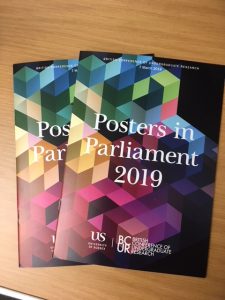
This year’s event was organised by the University of Sussex and showcased more than 50 undergraduate students from around the UK. Now in its sixth year, BU has participated from the start. The annual event is an exhibition to allow MPs and policy makers learn more about the innovative undergraduate research being undertaken in various disciplines by undergraduates from a number of institutions. Other uni’s participating on the day were: Aberdeen, LSE, UCL, King’s College London, Newcastle, Nottingham Trent, Exeter, Plymouth, Sheffield, Reading and Portsmouth, etc.
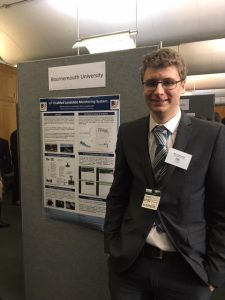
Matthew Dray, a BSc (Hons) Computing student in Faculty of Science & Technology presented his research on IoT (The Internet of Things)-Enabled Landslide Monitoring System. Under the guidance of his tutor Dr Marios Angelopoulos, Matt offers up an innovative landslide monitoring system that combines state-of-the art Internet of Things and Data Analytics and an intuitive front end interface, with the main emphasis of his work on the latter. In collaboration with Bournemouth Borough Council, a pilot of the system has been deployed at East Cliff landslide. Matt says ‘the system was able to provide local authorities with a new means of efficient and remote monitoring, whilst also being a cost effective solution’. Speaking about taking part in Posters in Parliament, Matt said ‘it was an amazing experience to be apart of and was an honour to co-represent Bournemouth University at the event, even more so to be shortlisted for an award’.
‘It was great to see what other research was being done around the country and to hear about that research from other passionate students, and to talk to other students and MP’s about my own project and get their thoughts’. Matt found the experience to be an beneficial one, ‘I found it both educational and beneficial to me, and allowed me to develop key skills both professionally and personally’.
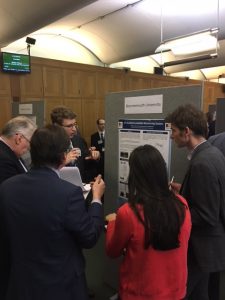
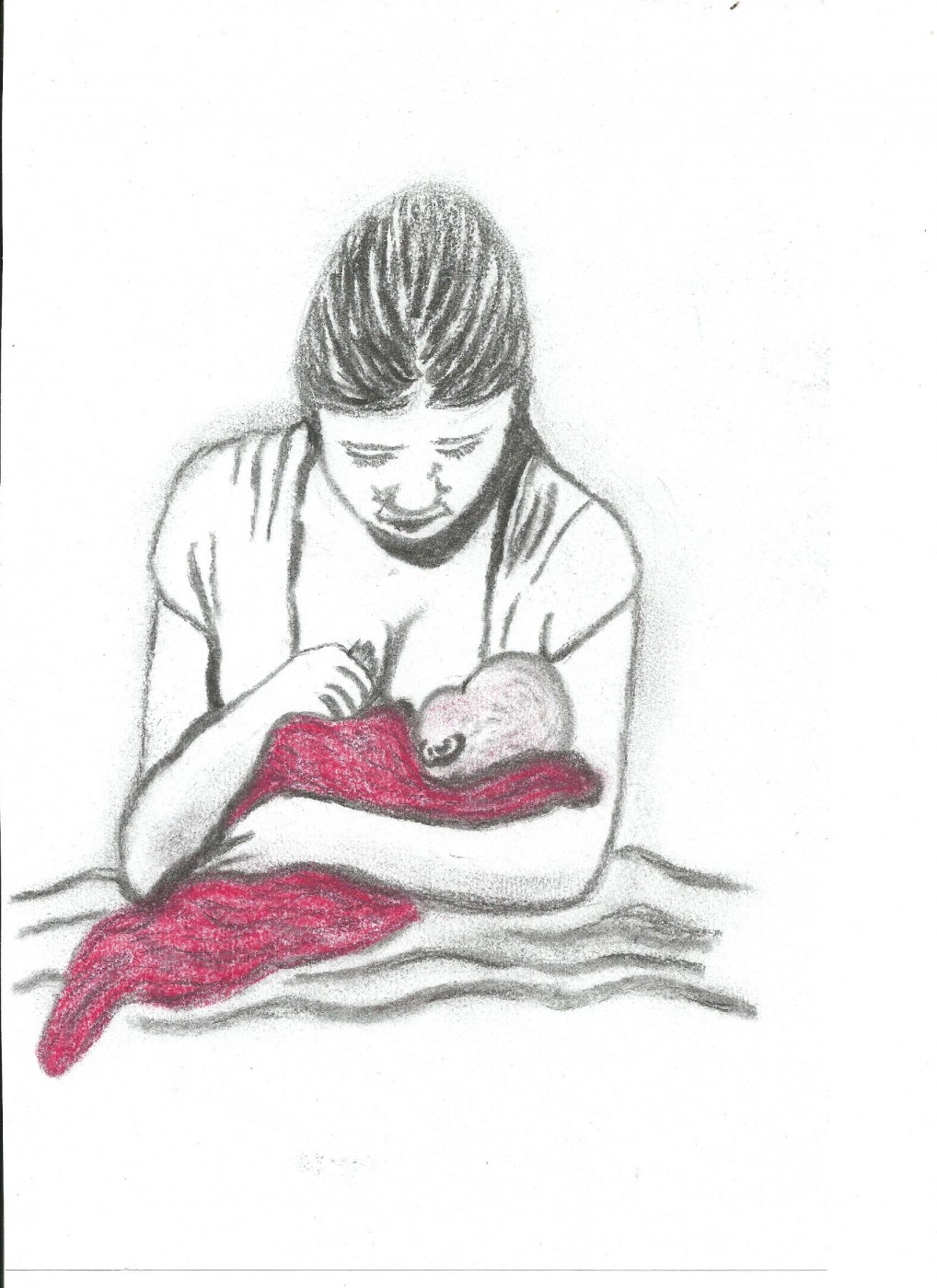
Mimi Simpson, a BA (Hons) Advertising student in Faculty of Media & Communication, shared her research on how Generation Y mothers participate in Online Mothering Communities (OMCs) as a Platform for Breastfeeding Information and Support.
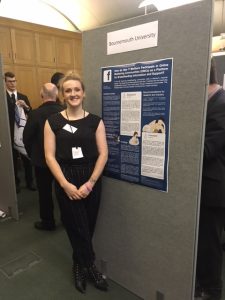
‘My research developed from UNICEF declaring that improving breastfeeding rates was a national priority. As an Advertising student, I was interested in the influence that Facebook communities have on supporting and advising breastfeeding mothers. The research concluded that participating mothers have a more successful breastfeeding experience when supported by life-experienced mothers in social media communities’. Mimi also expressed the benefit of taking part in the event on the day ‘Speaking to other academics at Posters in Parliament helped me in considering future lines of research, specifically in the role social media communities play in supporting other medical areas and needs’.
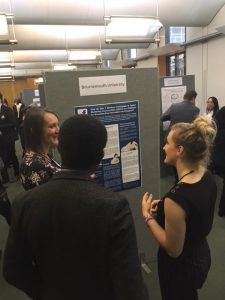
Both Matt and Mimi will be presenting their research at the upcoming SURE 2019 conference in Fusion Building on March 20th. More information about BU’s undergraduate research conference can be found on the SURE website. Staff and students are welcome to take in the conference March 20th building and can book free tickets via Eventbrite.
Posters in Parliament is the prescursor event to the national BCUR 2019 conference, this year being held at University of South Wales, where a number of BU undergrads across all faculties are due to present and share their leading research.
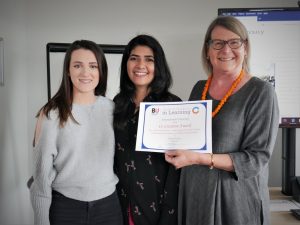
 FHSS PhD student Alice Ladur has been awarded a small but very competitive grant by FfWG, the Funds for Women Graduates. FfWG is the trading name of the BFWG Charitable Foundation and the BFWG (British Federation of Women Graduates), which is affiliated to the International Federation of University Women.

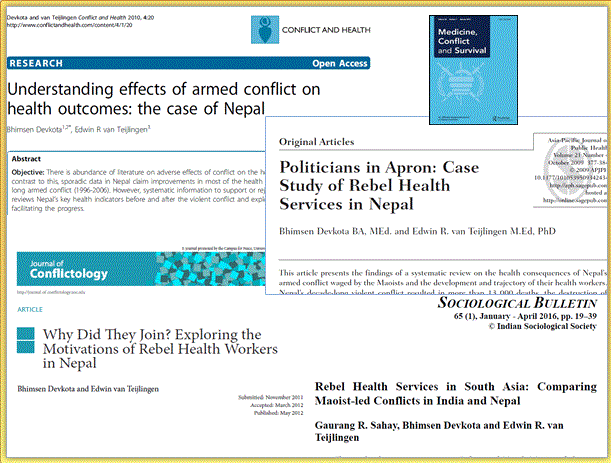

 The article titled “The effects of 8 weeks of inspiratory muscle training on the balance of healthy older adults: a randomized, double-blind, placebo-controlled study” has been published by Physiological Reports.
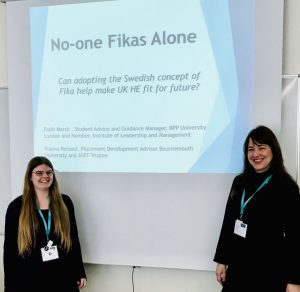 it was a wonderful opportunity to share the key observations and learning gained by my fellow UK delegates during the 2018 AUA Study Trip to Sweden.
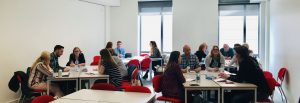 During our conference presentation, my co-presenter Faith Marsh from BPP London and I gave the attendees time to explore at their tables their thoughts on if and how they could foresee implementing a Fika break into their daily patterns. It became very clear that everyone who attended unanimously agreed that whilst a daily break would be frown upon and ultimately impossible, the idea of a weekly or fortnightly staff break would be possible. We discussed how we could all take the initiative forward at our own campuses and given how many of us have been in contact since, we shall see how things progress along the Swedish way!

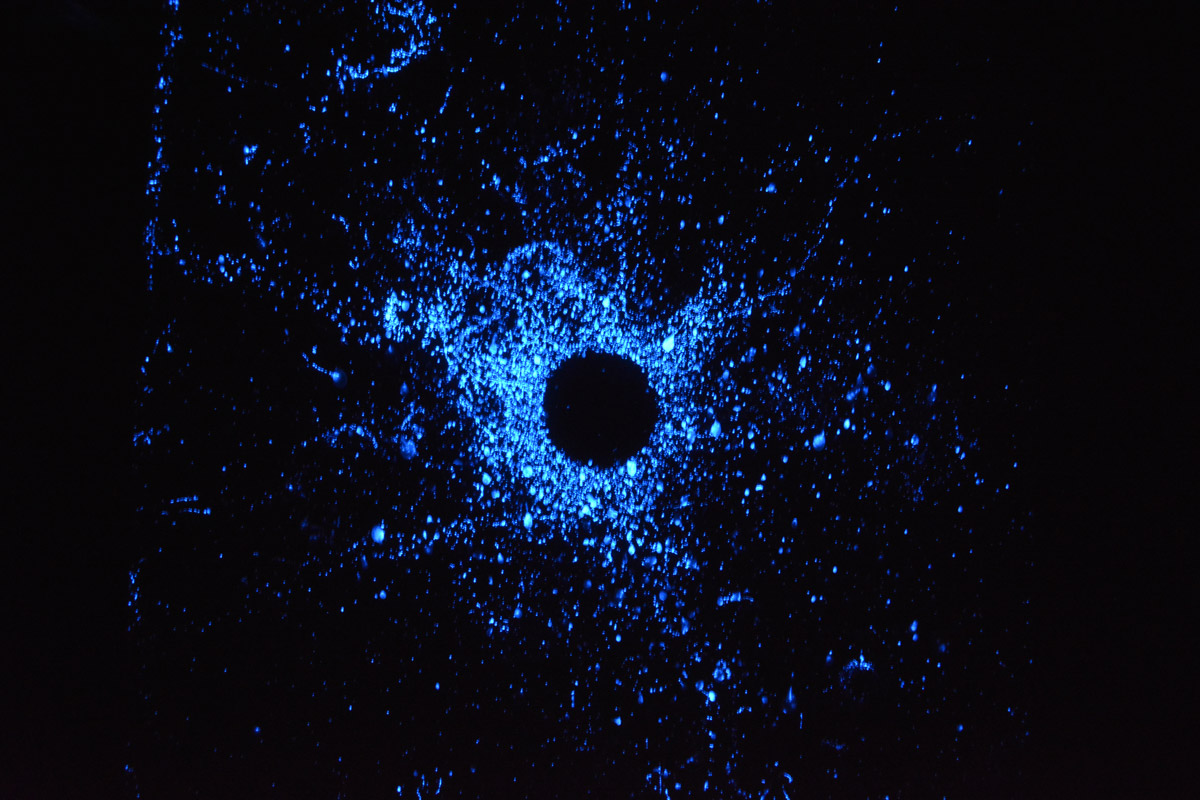

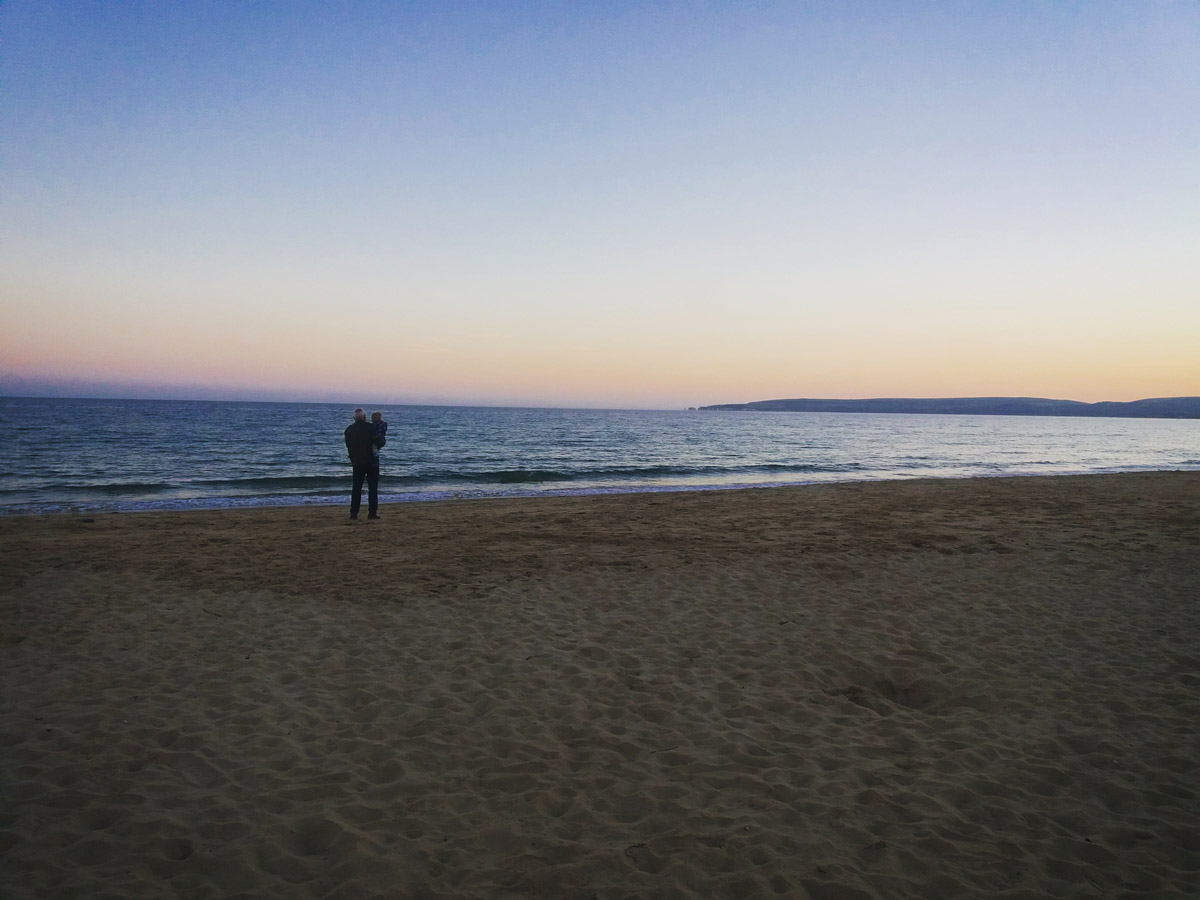
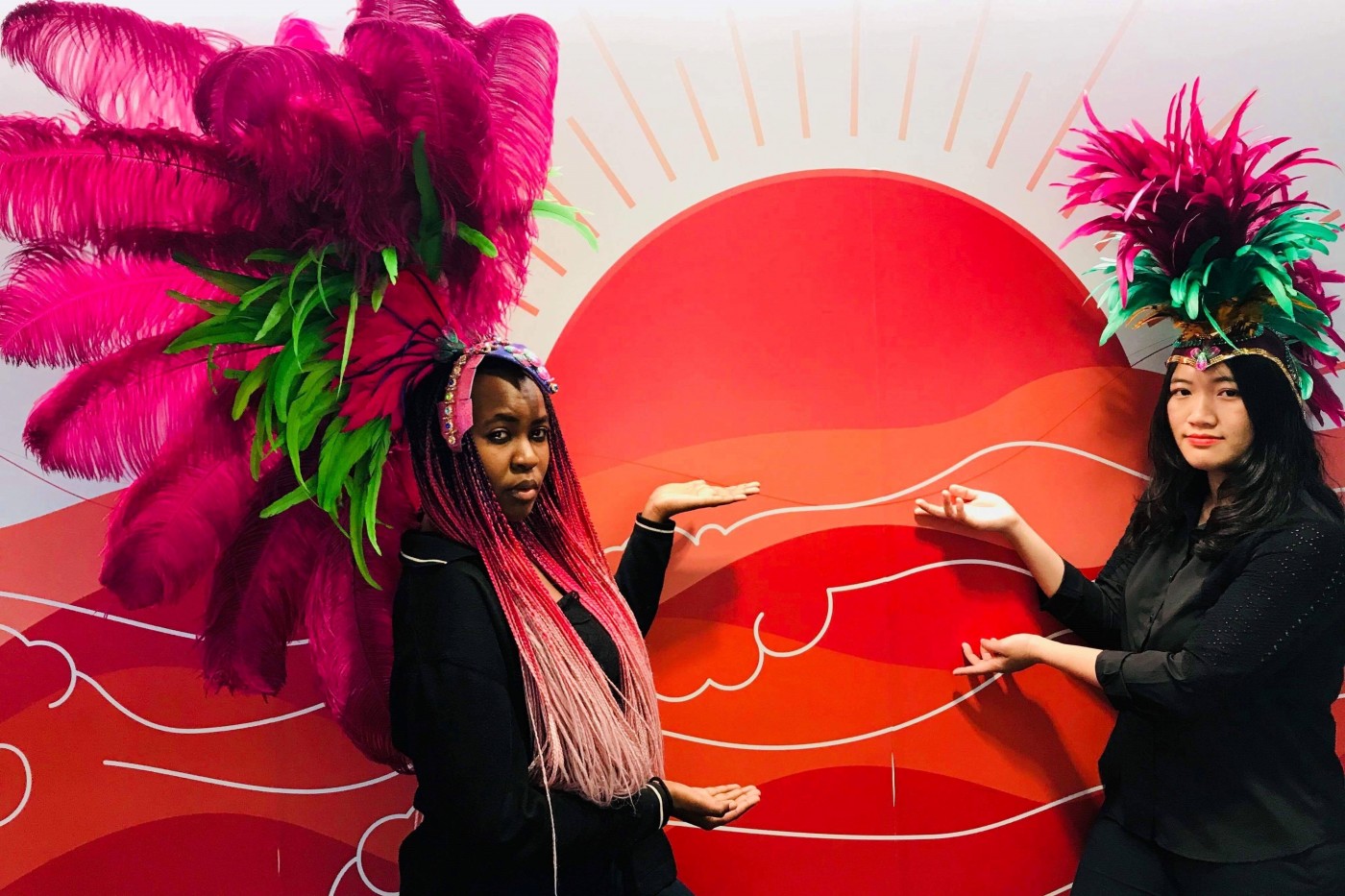 The deadline for the research photography competition is this Wednesday (January 31st.)







 National Postdoc Appreciation Week 2026: The Changing Landscape of Postdoc Careers
 NIHR Insight South West Central Conference 2026 at Bournemouth University
 BU PhD student presented at World Safety Conference in South Africa
 National Research Supervision Recognition: Apply Now & Join the Supporting Workshop on 16 September
 Horizon Europe Cluster 3 (Civil Security for Society) 2026 Calls Now Open
 MSCA Doctoral Networks 2026 Call Information Webinar
 ESRC Festival of Social Science 2026: Application Deadline Extended to Thursday 25 June 2026
 Reminder: Register for the ESRC Festival of Social Science 2026 Information Session
 ECR Funding Open Call: Research Culture & Community Grant – Apply now
 ERC Advanced Grant 2025 Webinar
 Update on UKRO services
 European research project exploring use of ‘virtual twins’ to better manage metabolic associated fatty liver disease