
Tagged / publication

BU hosting IFIP OCCE 2024 Conference

BU is hosting an international conference, IFIP TC3 Open Conference on Computers in Education titled Digitally Transformed Education: Are We There Yet? This International Federation for Information Processing (IFIP) conference is the 4th after past conferences in Austria, India, Tanzania and Finland. BU is honoured to follow the great steps and efforts in defining technology input in education.

The OCCE 2024 will provide a forum for new research results, practical experiences, developments, ideas, and national perspectives, related to the conference focus and themes for all levels of education (preschool, primary, secondary, higher, vocational, and lifelong learning), including the professional development of educators (teachers, trainers and academic and support staff at other educational institutions) and related questions on educational management. The conference will aim to explore the impact of technology across a range of user experiences including those of students, staff and management. This will create an interesting creative tension during the conference.

The conference includes three keynotes from world renowned speakers: Julia Adamson MBE FBCS, Managing Director, Education and Public Benefit at BCS, The Chartered Institute for IT (whose mission at BCS is to give every young person the digital skills they need to succeed in life and work); Professor Deirdre Butler, a Full Professor at the Institute of Education, Dublin City University (DCU) (whose passion in life is exploring what being digital in learning can mean and what skills or competencies are needed to live and thrive in today’s complex globally connected world); and Professor Kai Rannenberg, Chair of Mobile Business & Multilateral Security, Goethe University Frankfurt, Germany (who has coordinated several leading EU research projects, e.g., the Network of Excellence “Future of Identity in the Information Society” and the Integrated Project “Attribute based Credentials for Trust” (ABC4Trust), and is coordinating CyberSec4Europe, a pilot for the European Cybersecurity Competence Network the EU is aiming for).

The conference includes two panel sessions. The first session chaired by Professor Alastair Irons titled the four nations panel includes members Dr. Parveen Samra, Dr. Fiona Mcneil, Professor Tom Crick and Dr. Michael McEnery. The panel focuses on the development of the computing and computing science curriculum in and across colleges and universities as an interesting, challenging and complex issue. It notes the situation in the UK is not uniform, with differences at school, college and university levels across England and the devolved nations (Scotland, Northern Ireland and Wales). It highlights the significant work happening in all four countries in the UK – some in collaboration, for example, degree accreditation, and some devolved, such as the school curriculum.

The second panel session chaired by Dr. Mary Webb is titled Opportunities and challenges for AI in Education: One year after ChatGPT?, and includes members Julia Adamson MBE, Dr. Caitlin Bentley and Professor Angelos Stefanidis. The sudden availability of generative AI to ChatGPT alerted everyone to AI’s rapidly developing capabilities and massive potential. While generative AI, as one type of AI application, can create and edit a range of different media very efficiently, other AI functionalities that are useful to education include: conversational AI, predictive AI, speech recognition, robotics, computer vision, learning and assessment analytics and personalised feedback. But what do all these advances mean for the education sector. The panel will consider this and other themes on this topic.

Other conference activities include 2 symposia, 6 workshops, an invited session and a doctoral consortium. The conference will be held at BU’s Executive Business Centre from 27 February 2024 to 1 March 2024. For more details, please visit the conference website: ww.bournemouth.ac.uk/occe-2024

The conference is being organised by International Programme Committee members:
• Christophe Reffay, IPC Chair, University of Franche-Comté, France
• Margaret Leahy, Editor, Dublin City University, Ireland
• Don Passey, IFIP TC3 Chair, Lancaster University, UK
• Mikko Ruohonen,Tampere University, Finland
• Javier Osorio Acosta, The University of Las Palmas de Gran Canaria, Spain
• Ivan Kalaš, Comenius University in Bratislava, Slovakia

And local Organisation Committee members from BU:
• Nan Jiang, Honorary Chair
• Melanie Coles, Honorary Chair
• Huseyin Dogan, Honorary Chair
• Nicholas Mavengere, Chair
• Lai Xu, Business partnership
• Paul De Vrieze, Finance Chair
• Deniz Cetinkaya, Student volunteers and internal promotion
• Wei Koong Chai, Publicity Chair
• Gernot Liebchen, Volunteers and internal promotion
• Avleen Malhi, Social events
• Mohammad Naiseh, Social events
• Marcin Budka, Digital Chair

Dr. Nicholas Blessing Mavengere
Local organising chair, nmavengere@bournemouth.ac.uk
New paper by FHSS PhD student Abier Hamidi

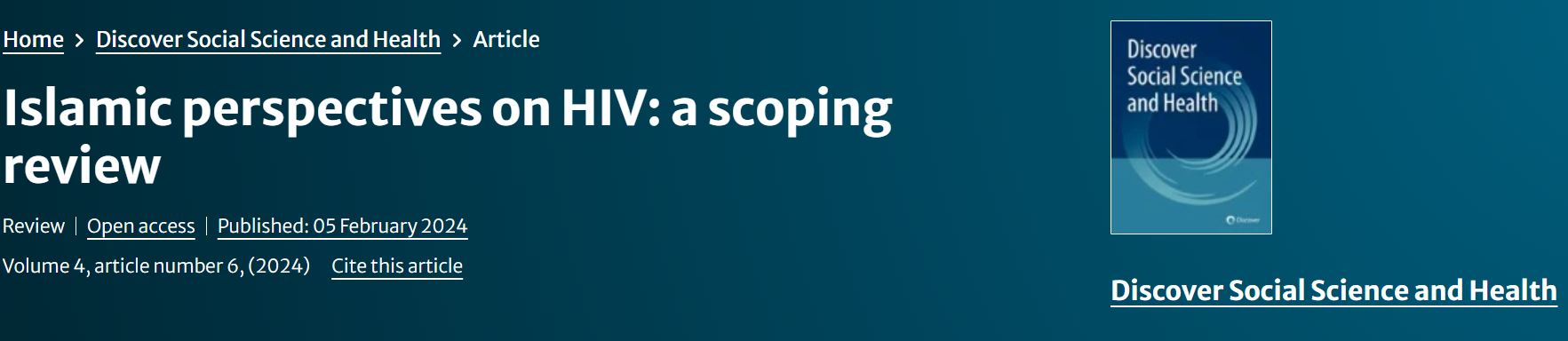
This morning the journal Discover Social Science & Health informed us that Abier Hamidi’s latest paper ‘Islamic Perspectives on HIV: A Scoping Review’ has been accepted for publication [1]Discover Social Science & Health is an Open Access journal publishing research across the full range of disciplines at the intersection of health, social and biomedical sciences.  This latest review is part of Abier’s PhD research project and it follows several earlier related publications [2-7].

Abier is supervised by Dr. Pramod Regmi, Principal Academic-International Health  and the Global Engagement Lead in the Department of Nursing Sciences, and Prof. Edwin van Teijlingen in the Centre for Midwifery & Women’s Health (CMWH).

Congratulations!

References:

  1. Hamidi, A., Regmi, P., van Teijlingen, E. (2024) Islamic Perspectives on HIV: A Scoping Review,  Discover Social Science & Health 4:6  https://link.springer.com/content/pdf/10.1007/s44155-024-00063-7.pdf
  2. Hamidi, A. (2023) Social media now trumps traditional family networks in Libya – my Facebook survey reached 446,000 womenThe Conversation published: April 24.
  3. Hamidi, A., Regmi, P., van Teijlingen, E. (2023) Facilitators and barriers to condom use in Middle East and North Africa: a systematic review, Journal of Public Health, https://doi.org/10.1007/s10389-023-01923-3 
  4. Hamidi, A. (2023) Book Review: Fatma Müge Göçek and Gamze Evcimen, The I.B. Tauris Handbook of Sociology and The Middle EastSociologial Research Online 28(4)
  5. Hamidi A. (2022) HIV prevention – Challenges in reaching Libyan women: A narrative review. Women’s Health. 18: doi:10.1177/17455057221080832
  6. Hamidi, A., van Teijlingen, E., Regmi, P. (2021) Facilitators and barriers to condom use in Middle East and North Africa: a systematic review. PROSPERO CRD42021297160
  7. Hamidi, A., Regmi, P., van Teijlingen, E. (2021) HIV epidemic in Libya: Identifying gaps, Journal of the International Association of Providers of AIDS Care, 20 :1-5 https://doi.org/10.1177/23259582211053964 .


Media coverage in Nepal

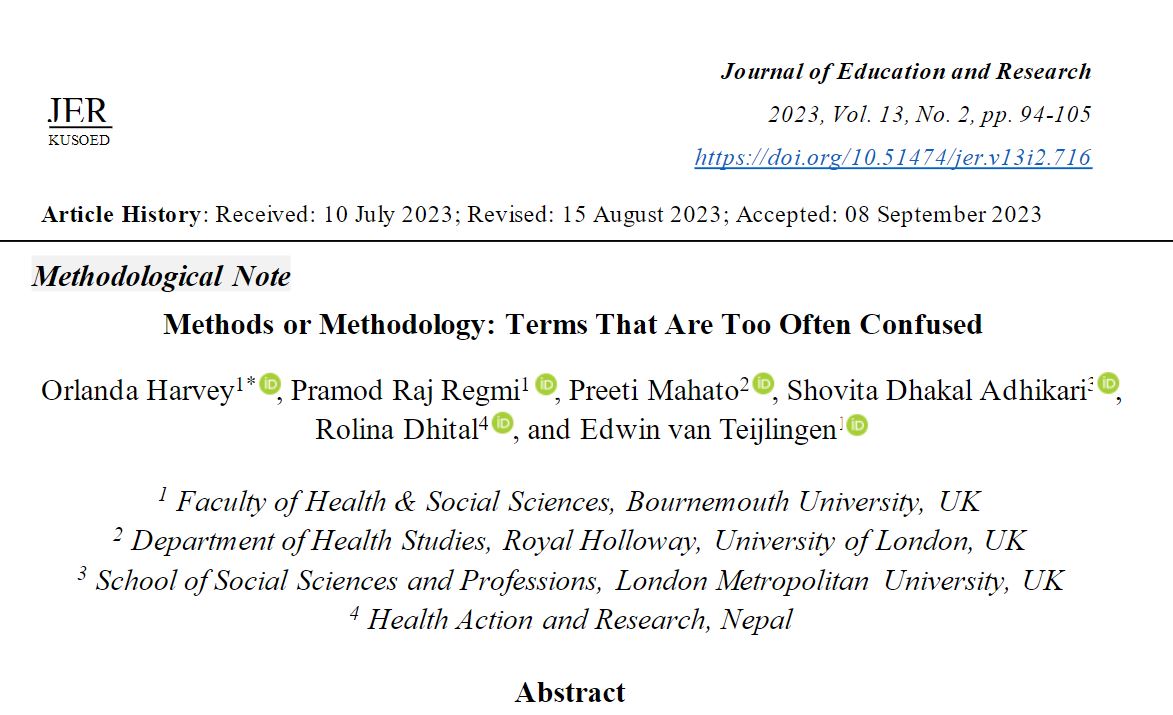
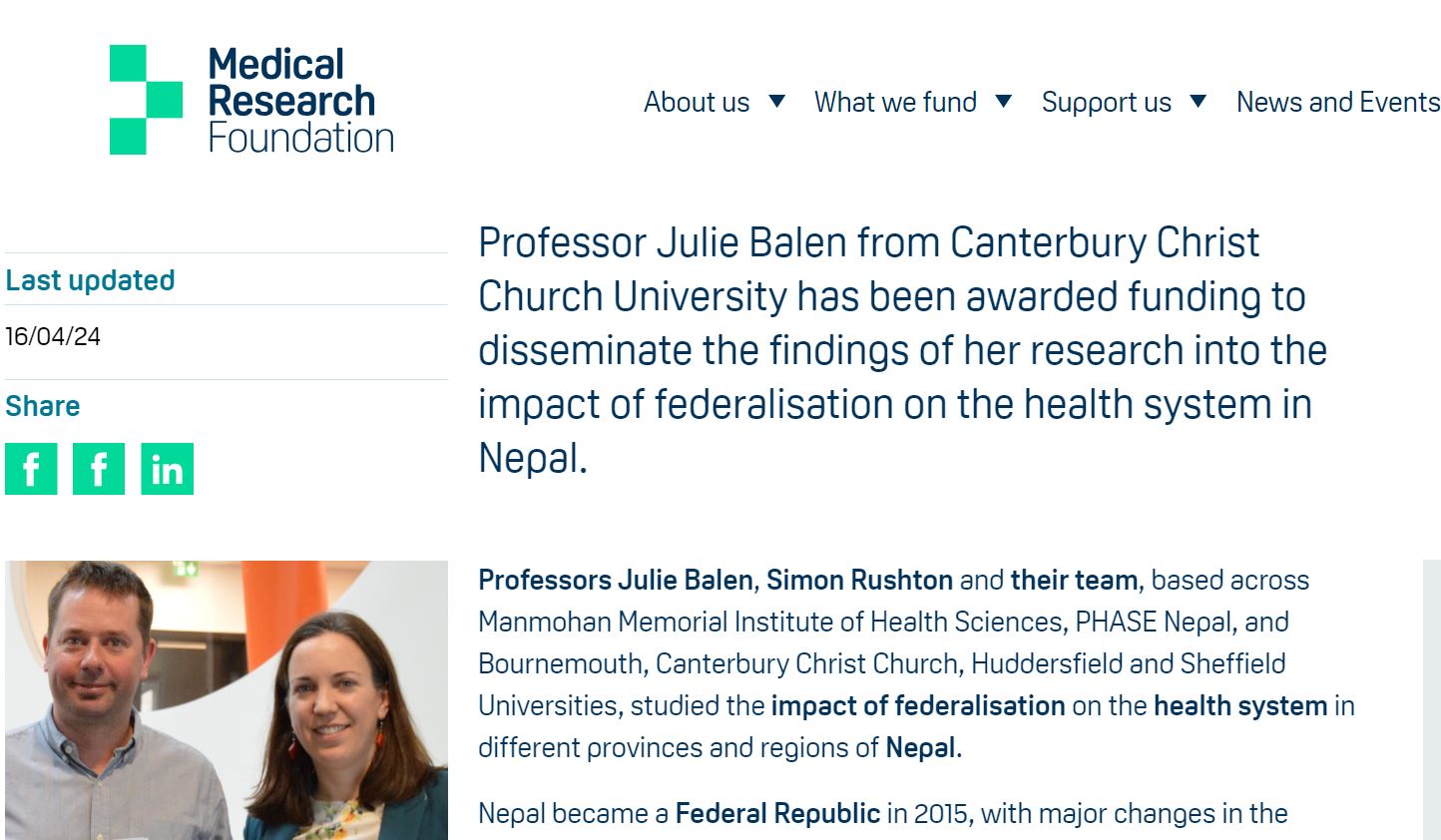
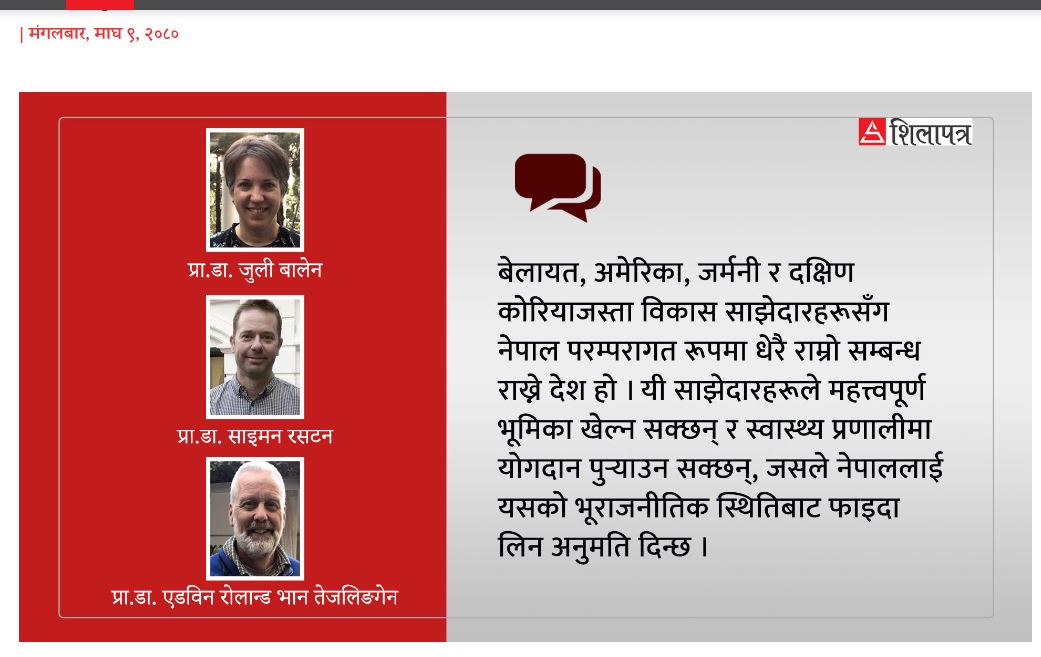
Last week Mr. Yogesh Dhakal, who is Deputy Editor at Shilapatra, an online newspaper in Nepal, interviewed three UK professors: Julie Balen (Canterbury Christ Church University), Simon Rushton (the University of Sheffield) and Edwin van Teijlingen (Bournemouth University).  The focus of the interview (see interview online here) was our recently completed interdisciplinary study ‘The impact of federalisation on Nepal’s health system: a longitudinal analysis’.

In this Nepal Federal Health System Project we studied the consequences for the health system of Nepal’s move from a centralised political system to a more federal structure of government.  This three-year project is UK-funded by the MRC, Wellcome Trust and FCDO (Foreign, Commonwealth & Development Office; formerly DFID) under the Health Systems Research Initiative.  This joint project is led by the University of Sheffield in collaboration with Bournemouth University, the University of Huddersfield, Canterbury Christ Church University and two  institutions in Nepal, namely MMIHS (Manmohan Memorial Institute of Health Sciences) and PHASE Nepal. 

Today (23rd January) the article appeared online in Nepali.  We have seen the transcript in English of the actual interviews with the three of us, but I have no idea how the journalist has edited, selected and translated the relevant text.

Prof. Edwin van Teijlingen

CMWH (Centre for Midwifery & Women’s Health)

Paper published on ‘living evidence’

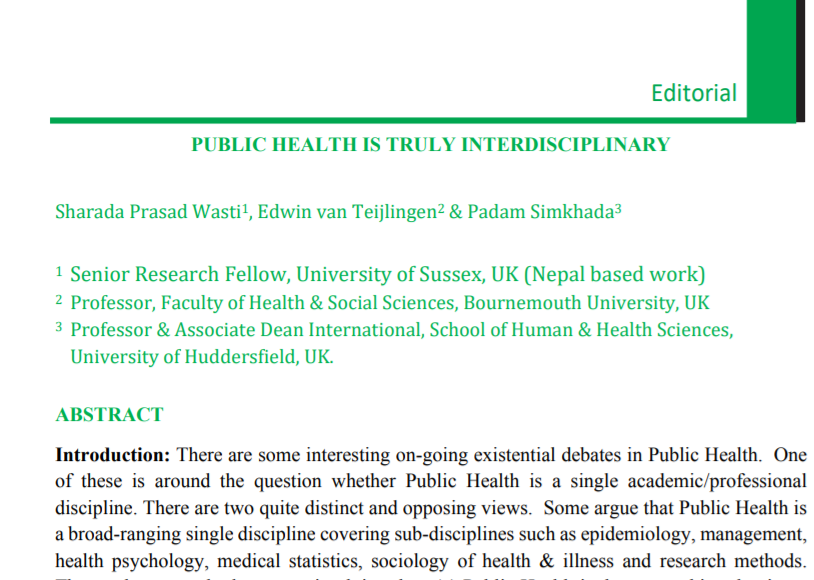
The Nepal Journal of Epidemiology published today carries an article on so-called ‘living evidence’ as an on-going synthesis approach that provides up-to-date rigorous research evidence [1].  This short research methods paper argues that living evidence is particularly useful in rapidly expanding research domains, uncertain existing evidence, and incorporating new research evidence that may impact policy or practice, ensuring that health worker, managers and health-policy makers have access to the best, i.e. the most recent evidence.

The Nepal Journal of Epidemiology is an Open Access journal, and hence freely available to researchers across the globe.  The paper has been co-authored by researchers from the Denmark, Qatar, Mauritius and the UK.


Prof. Edwin van Teijlingen

Centre for Midwifery & Women’s Health (CMWH)


Reference:

  1. Sathian B., van Teijlingen E., do Nascimento I.J.B., Khatib M.N., Banerjee I., Simkhada P., Kabir R., Al Hamad H. (2023) Need for evidence synthesis for quality control of healthcare decision-making. Nepal Journal of Epidemiology 13(3):1288-1291.  DOI: 10.3126/nje.v13i3.61004

Challenges and New Directions in Journalism Education

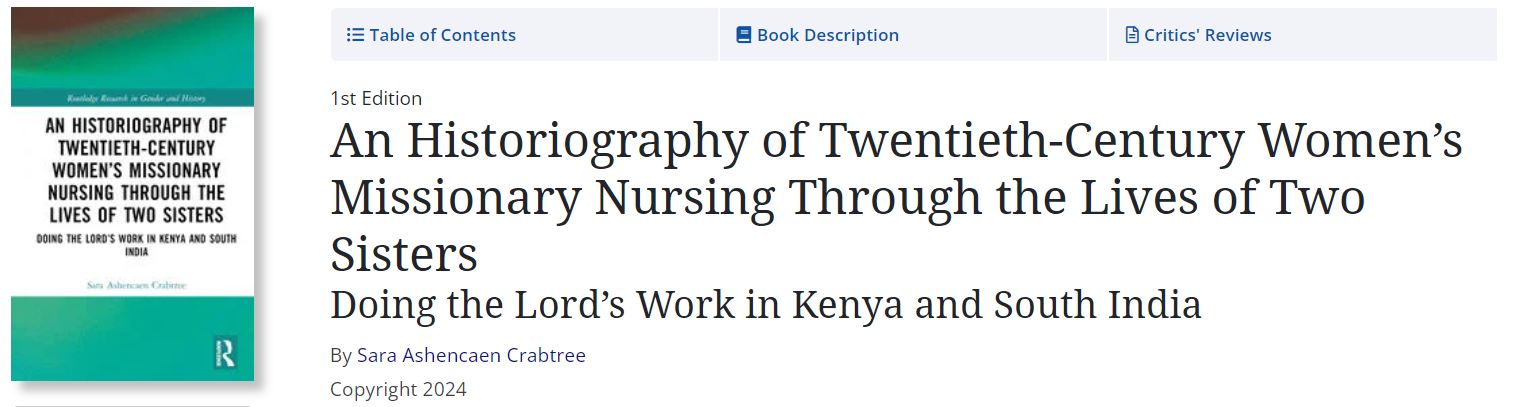
“What journalism should we teach?” “How can the academy drive and lead change in practice?” These questions run like a red thread through a new publication produced by a collective of BU academics. Challenges and New Directions in Journalism Education (Routledge) draws on original and innovative contributions from educators, practitioners and students – including BU alumni. Its aim: to inform our understanding of journalism pedagogy in the context of ongoing shifts in journalism practice that often run deeper than merely technological change. Some observers describe journalism as broken – accused of elitism and often branded as too far removed from the reality of people’s lives. Beleaguered by a persistent crisis of trust, journalists and journalism are often portrayed as core to the problem, rather than the solution. Inclusivity remains an urgent issue with news organisations and industry councils, such as the National Council for the Training of Journalists intensifying protocols in a bid to create more diverse newsrooms.

Against this background, Challenges and New Directions in Journalism Education engages with a series of key themes and objectives: These include discussions around safeguarding, sustainability, journalism’s ‘democratic deficit’, integrating media literacy, podcasting and the ‘post-pandemic’ context. Each chapter draws on a research-informed approach: primary data, case studies and examples to describe and unpack the topic, and concludes with practical suggestions for journalism educators. The core tenet is the importance of listening — to the voices of students, the requirements of industry and to each other.

The book is accompanied by a podcast, in which the chapter authors expand on the final section of the book – Reflections. “ Journalists don’t often have time to reflect on their practice” says the book’s editor, Professor Karen Fowler-Watt “their work is tomorrow’s ‘fish and chip wrapper’ – so it was refreshing to have the time and space to discuss with each other the findings of our chapters and our own thoughts about the process of writing this book”. The book concludes with a Manifesto for Change, drawn up by the authors — it is intended to spark a conversation within and between industry and the academy.

The podcast (deftly edited by Jason Hallett) also includes the findings of a ‘call and response’ exercise with final year students of BA (Hons) Multimedia Journalism. Each chapter author devised a question for the students to debate and produce a call to action in response – this exercise was discussed further with journalism.co.uk. Senior reporter Jacob Grainger devoted the latest podcast to an interview with Karen Fowler-Watt, who is a former BBC journalist, about the book project, the students’ responses and ways of growing the next generation of journalists. They also discuss how journalism schools and news organisations can work together towards the shared goal of producing journalists that are ready to hit the ground running in industry. Never has this been more important than now – the conversation is only just beginning!


Challenges and New Directions in Journalism Education is published by Routledge.
Editor: Karen Fowler-Watt
Chapter authors – Members of the Journalism Education Research Group (JERG):
Andrew Bissell; Jaron Murphy; Graham Majin; David Brine; Michael Sunderland; Jo Royle; Max Mauro and Julian McDougall; Fiona Cownie; De-Graft Mensah (BBC Newsround presenter and BU alumnus); Daniel Henry (ITV News reporter).

The 2 part podcast: I Challenges and II New Directions is available under ‘Support Materials’ for the book.
The journalism.co.uk podcast is available here.

Proofreading your article accepted for publication

It is always a pleasure to see your own paper in print.  If all is properly organised at the publisher, the first time you see you paper as it will look in its final version when you receive the proof copy.  It is the authors’ task to proofread this final copy and pick up any mistakes you may have made or the journal has made putting your word file into the journal’s layout.  More and more journals now ask you to do the proofreading and editing online.  The first message here is that proofreading is exact business and most certainly time consuming.  Moreover, feeding back mistakes you may find in the proofs is not without its trials and tribulations.
Yesterday we received the proofs for a paper accepted by BMC Health Research Policy & Systems [1]. The BMC is part of the publisher Springer , and it uses an online proof system eProofing to which the authors get temporary access, to read and correct text.  This system looks good online, but beware the online version you get to edit does not look the same as the version that will appear in print.  The draft print version generated by eProofing has line numbers which don’t appear online when you are editing the proofs.  So we had to write on the online system separately that we found a set of quotes glued together, as the system does not allow authors to change the lay-out (for obvious reasons). In this case,  we had to write details like: “There needs to be a space after first quote line 421.”  What might look okay in the eProofing version didn’t do so  in the print version, where it was it is wrong.  This is illustrated in the example picture below.


Last month we battled with the proofs of another BU paper forthcoming in the journal Women and Birth [2], which is part of Elsevier.  Again, it has an online system for proofs.  This system does not allow the authors to correct mistakes in in the line spacing.  So we ended up writing to journal manager, not the editor, things like: “There is a very big gap between the end of section 3.7. and Overview of findings section – please could the text be rearranged to get rid of this big gap.”  We also asked for a summary section to be kept on one page, not having an orphan two words on the next page, but that appeared to be too difficult a request.  We think we a little flexibility, i.e. a human intervention the lay-out could have been improved.  See illustration below with text as it appears in the current online-first version.

We like to stress our advice to set plenty of time aside to read and edit the proofs, and to send details instructions to the journal manager or editor about what needs changing.  Changes include typos, grammar and style, but also lay-out of text and illustrations, boxes in the text, tables and figures.  “It is also important to check tables and figures during the proof-reading as the formatting can often go astray during the typesetting process” as we highlighted by Sheppard and colleagues [3].  Also double check correct spelling of names of co-authors and the final author order in the proofs.  Many years ago, I received the proof of pages of a midwifery article [4].

I dutifully read and edited  the proof of the actual text, but I never check the short introduction with the authors’ names which an editor had added to the final proofs.  When the paper came out in print to transpired that this editor has changed the author order, i.e. my name was first, probably because I had submitted the paper on behalf of my co-author.  This cause some problems with my co-author, made all the worse since I am married to her.


Prof. Edwin van Teijlingen

Centre for Midwifery & Women’s Health

References:

  1. Wasti, S.P., van Teijlingen, E., Rushton, S., Subedi, M., Simkhada, P., Balen, J., Nepal Federalisation of Health Team (2023)  Overcoming the challenges facing Nepal’s health system during federalisation: an analysis of health system building blocks. Journal of the Health Research Policy & Systems. (forthcoming).
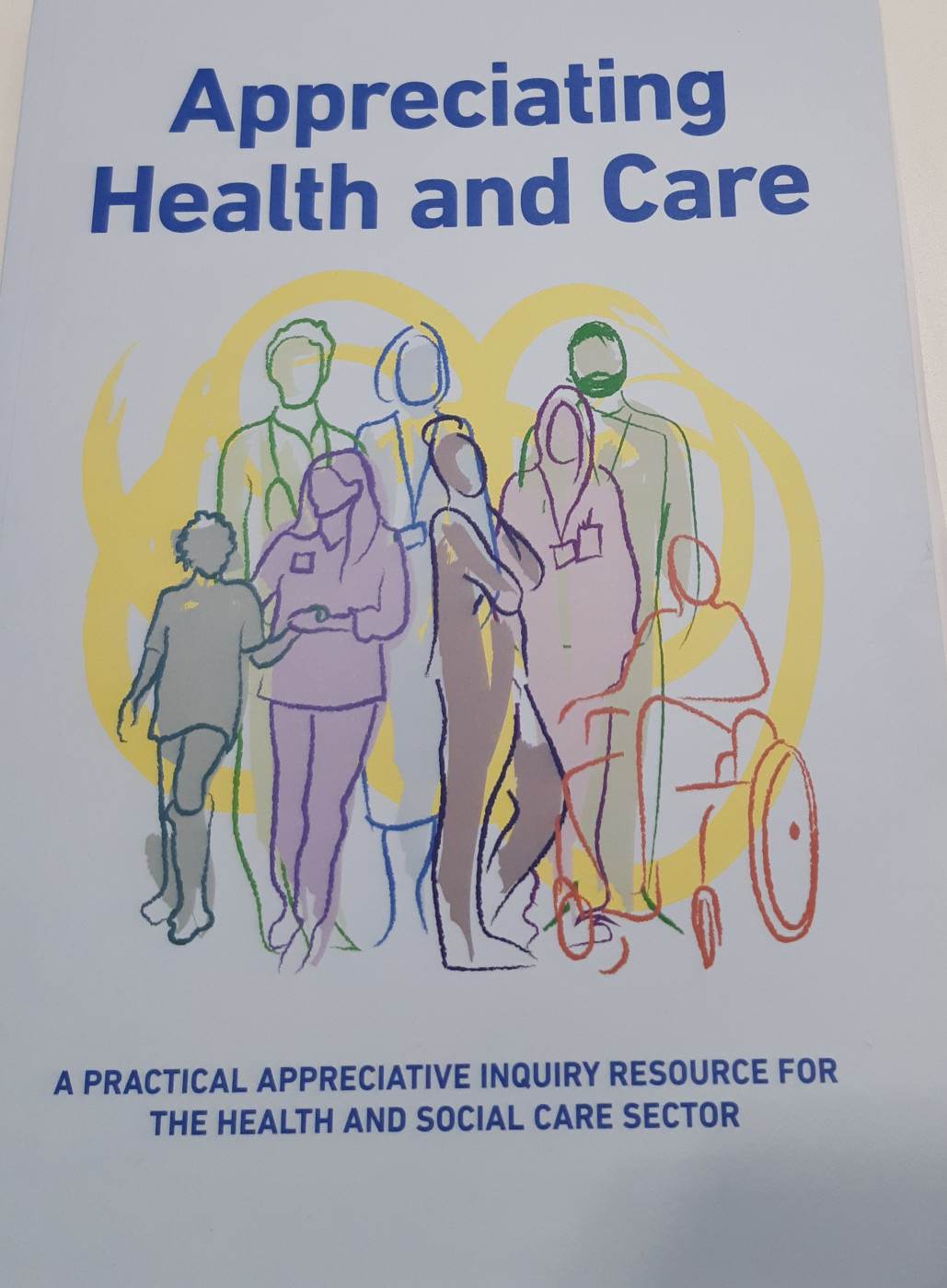
  2. Arnold, R., Way, S., Mahato, P., van Teijlingen, E. (2023) “I might have cried in the changing room, but I still went to work”. Maternity staff managing roles, responsibilities, and emotions of work and home during COVID-19: an Appreciative InquiryWomen & Birth (online first) 
  3. Sheppard, Z., Hundley, V., Dahal, N.P., Paudyal, P. (2022) Writing a quantitative paper, In: Wasti, S.P., van Teijlingen, E., Simkhada, P., Hundley, V. with Shreesh, K. (eds.) Writing and Publishing Academic Work, Kathmandu, Nepal: Himal Books, pp.78-87.
  4. van Teijlingen E., Ireland, J.C. (2014) Community midwives on the go. Midwives 1: 54-55.