 In 2019, BU launched the Global Visiting Fellowship (GVF) Scheme, with the aim of attracting global talent from our international priority partner institutes to contribute to the internationalisation of BU in the SIA areas.
The scheme allows for a small research grant over a three year period to work on research related activities with BU. Each Fellowship is offered for a three year period to support the development of a collaborative partnership between the Fellow and their BU host member of staff. Funding is available to support a range of activities that promote research collaboration between individuals and groups at both institutions. During their Fellowship tenure each Fellow will spend a minimum of one month at BU.
The GVF funding panel and current projects
The GVF scheme is overseen by a BU internal funding panel, Chaired by Professor Darren Lilleker and Deputy Chaired by Dr Fiona Cownie. The full panel membership can be found here. Prof. Lilleker has added that “The scheme represents an excellent opportunity to strengthen and deepen research partnerships through a program of meeting and events involving the Fellow coming to BU and working with research teams and Centres to develop long-term collaboration”. Two rounds have been advertised to date, and these resulted in five awards. Details of these awards is as follows:
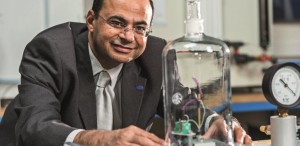
| Prof. Yonggang Meng, Tsinghua University with Prof. Zulfiqar Khan, FST.
|
Joint research in tribology, nano-coating and tribo-chemistry to lead to external funding, publications and impacts in low carbon technology. Fellowship will strengthen existing links between BU and Tsinghua and lead to new opportunities for staff and ECRs, with a view to expanding current collaboration to other areas of interest.
Please see the ‘benefits’ section below for insights from Prof. Khan on the impact of the scheme. |
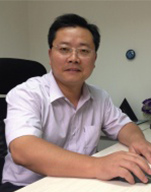
Prof. Li Dangguo, Tsinghua University with Prof. Zulfiqar Khan, FST.
|
Joint research in corrosion, corrosion condition monitoring and advanced materials (nano-coating) to develop synergistic understating of failures within marine, petrochemical and process industry applications. Develop new collaborative links between outstanding researchers, effectively expanding research ideas. It will allow BU staff, ECRs, PDRAs/PGRs the opportunity to engage in new multidisciplinary areas and will benefit from world-leading expertise and resources within THU. |
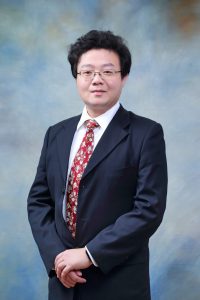
Prof. Junjun Pan, Beihang University with Dr Xiaosong Yang, FMC.
|
Develop patient specific VR surgery simulation and planning, which can effectively shorten the treatment and lower the surgery risk for real patients. Fellowship will further strengthen the international collaboration between two institutions on medical simulation research, establishing a long-term partnership leading to societal impact and joint public engagement. Also, promote the technology transfer and commercialisation in the field of digital health. |
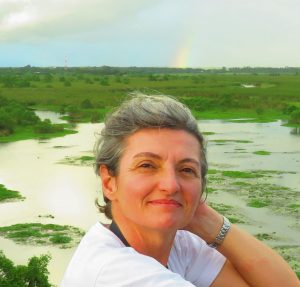
Dr Tatiana Silva, Deputy Director of the Institute of Geosciences, Universidade Federal do Rio Grande do Sul, with Dr Luciana Esteves, FST
|
Joint research to review models and identify pathways for the implementation of Ecological-Economic Zoning approaches in support of sustainable coastal adaptation to climate change, focusing on developing countries. The research integrates social and natural sciences and will collate examples from the literature and experts views obtained through workshops. We hope to involve ECRs and established researchers in new internal and external cross-discipline collaborations. Currently, the collaboration involves co-supervision of PGRs and PGTs and we are progressing with the creation of a BU-UFRGS MoU. |
Dr Nazmul Ahsan, University of Tokyo, with Dr Mehdi Chowdhury, BUBS

|
Collaborative research to analyse the economic impacts of low carbon technologies on vertical farming. The low carbon technologies include solar energy harvesting using concurrent and emerging technologies, rainwater harvesting, recycling, and sanitation with appropriate UV-LED and artificial photosynthesis with visible LED. Data collected will aim to analyse the economic impacts and development of a sustainable vertical agricultural method to be utilised in dense rural and urban locations of developing countries. ECRs will participate and the wider community will benefit from the multidisciplinary approach of this research. |
Benefits of the GVF scheme
The Covid-19 pandemic has made it challenging for all to progress their research aims and planned visits to BU have had to be postponed to date. However, collaborative work has continued despite this. There have been a number of seminars held, co-supervision of PhD and MSc students, several papers and conference proceedings published, and joint applications for external funding. Whilst the achievements have been limited, they have still contributed to BU2025’s research principles of building external and international engagement, which has led to building our research environment and the quality and impact of BU’s research. Deputy Chair of the GVF panel, Dr Cownie, has added: “We are delighted that our academic partnerships have been sustained during the past challenging year. For round three of the GVF scheme, we particularly welcome applications from female academics“.
Prof. Zulfiqar Khan talks about the benefits of this scheme and the impact it has had on his research and that of his Global Visiting Fellows:
“BU and Tsinghua University have established longstanding collaborations in terms of joint publications, joint international conference contributions, research exchange visits between BU and Tsinghua University. Prof. Yonggang Meng has been a BU visiting professor and has been actively engaged in collaborative research which has led to Global Visiting Fellowships between Prof. Khan and Prof. Meng, and Prof. Khan and Dr Dangguo. These fellowships have led to further work in tribology, nanocoating and corrosion. Research collaborations between BU-Tsinghua have been contributing to cutting-edge knowledge in tribology [1, 2]. Tsinghua University is 20th in THE world ranking. The Global Visiting Fellowship scheme has been key in sustaining this high profile, impactful and strategic collaboration.”
Future funding calls
Due to the ongoing restrictions of the pandemic, BU will not launch a call with a closing date in this academic year. Instead, a third call for applications is likely to be launched at the end of this year with a closing date in March 2022.
 Dr Adrian Galdran – Data Science for Medical Imaging, based in FST and working with the Institute of Medical Imaging (IMIV)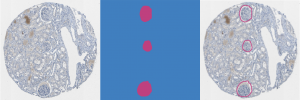

 Dr Rafaelle Nicholson – Sport and Sustainability, based in BUBS
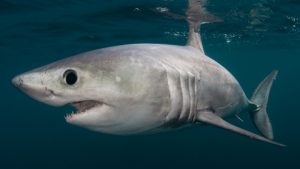 Georgia is also aiming to develop a suite of complementary projects alongside the above and she’s already won funding for a project on kestrel trophic ecology, using stable isotope analysis of feathers to update our understanding of their contemporary diet. She is also developing projects on small mustelids and big cats and has joined international project teams to work on genetic analysis of sharks. Find out more about Georgia’s research and
  Dr Lyle Skains – Health & Science Communication, based in FMC
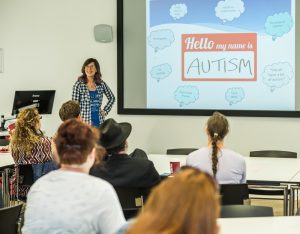

 for best paper from a doctoral dissertation at this year’s conference of the Academy of Management. This nomination is as good as winning a lot of other prizes, I assured her. In business and management, the AoM conference is the largest – and nonetheless one of the most difficult to get into. Melissa has had two papers accepted this year.



 with Alice at the end of her life and witnessing the interactions between healthcare staff and herself which inspired the research. The presentation went on to explore on-going challenges such as poorer health outcomes, social exclusion, discrimination, and lack of cultural sensitivity that many Gypsy, Roma, Travellers face. As well as current problems posed by a lack of robust data collection as healthcare organisations do not use include Gypsy, Romany and Traveller as part of their ethnicity data collected. Dr Heaslip argues argued that failure to do so negatively impacts on developing robust public health initiatives to address these poorer health outcomes and is a key factor in understanding why so little progress have been made over the past two decades.







 SONAMONI contributions to Safety Conference 2026 in South Africa
 Three CMWH presentations at Berlin conference
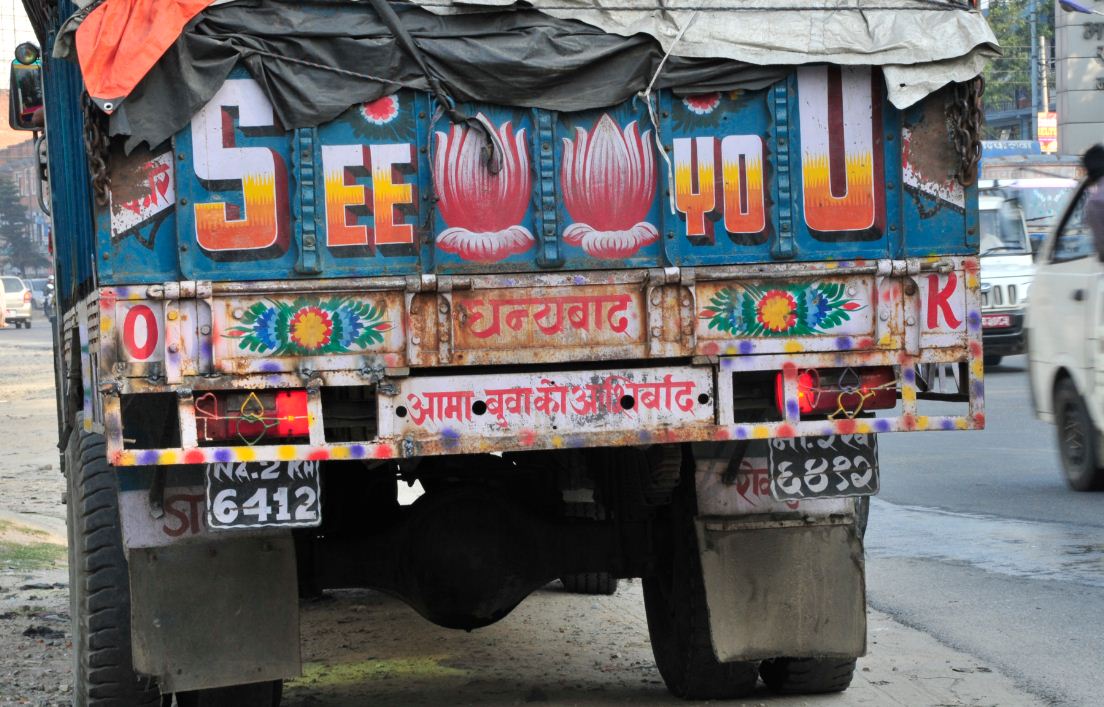
 New interdisciplinary paper on Nepal
 Horizon Europe Cluster 3 (Civil Security for Society) 2026 Calls Now Open
 MSCA Doctoral Networks 2026 Call Information Webinar
 ESRC Festival of Social Science 2026: Application Deadline Extended to Thursday 25 June 2026
 Reminder: Register for the ESRC Festival of Social Science 2026 Information Session
 ECR Funding Open Call: Research Culture & Community Grant – Apply now
 ERC Advanced Grant 2025 Webinar
 Update on UKRO services
 European research project exploring use of ‘virtual twins’ to better manage metabolic associated fatty liver disease