Tagged / publishing

Double congratulations to Prof. Jonathan Parker

Congratulations to Prof. Jonathan Parker, Professor of Society & Social Welfare in the Department of Social Sciences and Social Work, who just published his historical-sociological analysis of British Welfare under the title Analysing the History of British Social Welfare – Compassion, Coercion and Beyond.  The book it is published by Policy Press and will be available next week.   This book offers insights into the development of social welfare policies in Britain. By identifying continuities in welfare policy, practice and thought throughout history, it offers the potential for the development of new thinking, policy making and practice.

In addition Jonathan also published a new edition of his popular textbook Introducing Social Work SECOND EDITION.  This edited volume included chapters by BU academics Dr. Orlanda Harvey (Chapter 26) and Dr. Sally Lee (Chapter 22) as well as an array of internationally renowned social work academics.

Congratulations!
Prof.Edwin van Teijlingen
CMMPH

Publishing Strategy Lunchbyte

Photo by Corinne Kutz on Unsplash

Publishing Strategy Lunchbyte – Developing a Fusion-led Publishing Strategy workshop

We will examine how knowledge can be translated to a range of stakeholders, with a particular emphasis on the value of publishing in non-academic sources as a pathway to developing societal impact.


Workshop Date Time Location
Publishing Strategy Lunchbyte – Developing a Fusion-led Publishing Strategy Thursday, 4th May 2023 10.30 – 11.30 Online


This workshop aimed at all Academic staff and facilitated by Prof John Oliver

To book a place on this workshop please complete the Booking Form.


For queries regarding the content of this session, please contact: Pengpeng Hatch:pphatch@bournemouth.ac.uk or RKEDF@bournemouth.ac.uk


New Delphi study published

Congratulations to Bronwyn Sherriff, Carol Clark, Clare Killingback and Dave Newell.  Their manuscript titled “Musculoskeletal practitioners’ perceptions of contextual factors that may influence chronic low back pain outcomes: a modified Delphi study was recently published in Chiropractic & Manual Therapies  The Delphi study provides initial insights regarding a panel of musculoskeletal practitioners’ attitudes towards contextual factors during chronic low-back pain (LBP) rehabilitation in the UK. If you are interested in their findings, click here: https://doi.org/10.1186/s12998-023-00482-4 or as a PDF: https://link.springer.com/content/pdf/10.1186/s12998-023-00482-4.pdf.   


Congratulations and well done!

Prof. Edwin van Teijlingen (CMMPH)

BU signs up to Jisc agreement with the American Psychological Association

BU authors can now publish OA for free in select journals with American Psychological Association. Read on to find out more!

Authors affiliated with UK institutions participating in APA’s Jisc agreement may publish open access in hybrid journals published by APA at no cost to the author, provided that:

  • The article’s corresponding author is affiliated with a participating institution’s UK campus.
  • The article is accepted after August 1, 2022.
  • The article is an original peer-reviewed research article or review article.

All articles under this agreement will be published under the CC-BY copyright license. Upon publication, articles will be made immediately open access.

You can find further information on how to submit an article for consideration and other key information, such as maximum number of articles, here.

As a reminder, BU holds a number of agreements with key publishers, many of which allow you to publish open access for free. You can read more about them here.

If you have any queries, please contact the Open Access team.

Future of Complex Innovative Trial Design

The latest Faculty of Health & Social Sciences (FHSS) publication on the last day of March is an editorial in the Nepal Journal of  Epidemiology.  This editorial ‘The Promising Future for Complex Innovative Trial Design in Clinical Research’ has as its lead author, FHSS’s Visiting Faculty Dr. Brijesh Sathian.


Reference:

  1. Sathian, B., van Teijlingen, E., Banerjee, I., Asim, M., Kabir, R. (2023) The Promising Future for Complex Innovative Trial Design in Clinical Research. Nepal Journal of  Epidemiology, 13(1):1256-1257.


Finding answers to the problem of workplace bullying in Film & TV

18-months ago we published a major study of the UK’s unscripted TV labour market. We found that a staggering 93% of professionals in this sector had experienced or witnessed bullying or harassment at work. An industry defined by highly sought-after creative work had a shadow side. The picture to emerge was one of a troubled workplace in pressing need of reform. Our report made six recommendations that had implications for both government policy and structural change within the industry.

As the issue of bullying in TV has become more widely acknowledged, we have welcomed a number of recent industry initiatives and interventions introduced to deter it (including a campaign to encourage the reporting of bad behaviour and a free Bullying Advice Service). Yet despite these positive developments, not enough attention has been given to the underlying factors that contribute to workplace bullying. There remains an assumption that this is simply a problem of ‘a few bad apples’, when – in reality – it is the condition in which apples are kept that largely determines the damage caused by a bad one.

In our latest publication we examine this issue in more depth. We argue that it is the nature of television work, its organisational structures and the culture of the industry that creates a set of conditions that makes bullying particularly likely. Many of the characteristics shown by our study to be commonplace in television work, are precisely those identified in the field of organisational psychology as risk factors for workplace bullying. This being the case, we call for a risk management approach to this problem; one that systematically recognises, appraises and minimises these risks.


Christa van Raalte, Richard Wallis & Dawid Pekalski (2023) More than just a few ‘bad apples’: the need for a risk management approach to the problem of workplace bullying in the UK’s television industry, Creative Industries Journal, DOI: 10.1080/17510694.2023.2182101

Peer review picking up weaknesses in a scientific paper

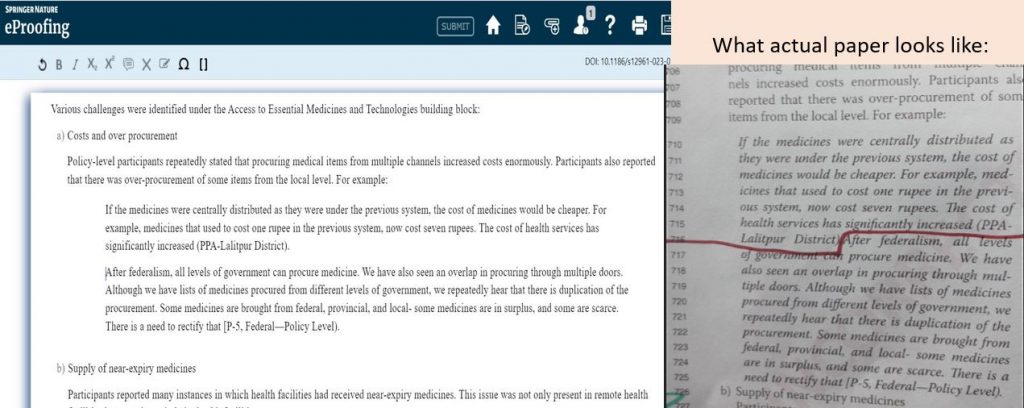
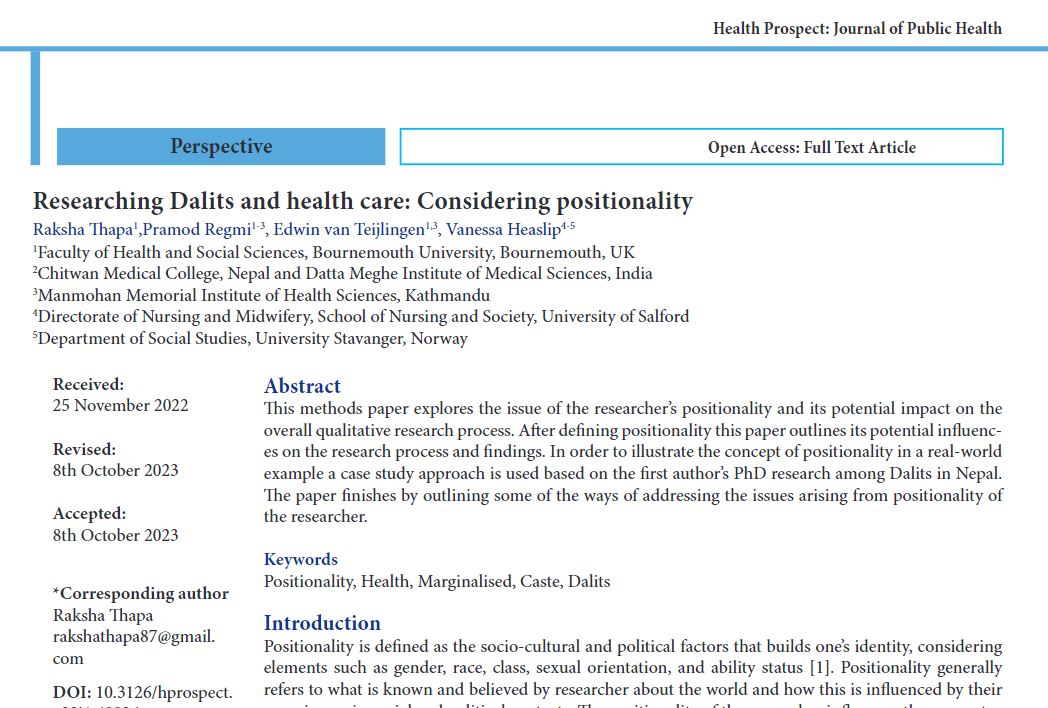
Peer review is the the key pillar of academic publishing.  Peer reviewers will read the submitted paper and assess its knowledge contribution, the appropriateness of the research question, the ethical considerations, the quality of the research methods used and the appropriateness of the discussion, conclusion, and recommendations in the manuscript. [1]  It is worth bearing in mind that most peer reviewers are unpaid volunteers, academics like us who review for journals over and above the day job.[2]  For the authors peer reviewers can give excellent feedback.  Harvey and colleagues remind their readers that peer reviewers reading your manuscript with a fresh pair of eyes, can lead to them raising great questions and offering useful comments.  In short, reviewers’ reservations and misunderstandings can help you to rephrase and better focus your paper. [3]

However, what the review process does not do is picking up every possible minor mistake and typo in a paper.  I was reminded of this last week when I read a peer-reviewed paper in which the basic demographics table (the characteristics of the study participants) did not add up to 100%.  Luckily, the same authors (who shall remain nameless) published a different paper from the same study in another quality journal, which allowed me to check the numbers.  Interestingly, the second paper in another peer-reviewed journal had the same mistake.   In the end I ended up writing to two different editors pointing out this anomaly.   The editors contacted the authors who have since promised to rectify the mistake.

Something similar has also happened to us.  Occasionally I reread one of our articles in a good journal and wonder about some of the unclear sentences or poorly expressed grammar or style.  Neither the editor nor the peer-reviewers spotted it nor did my co-authors and I noticed these mistakes in the paper proofs.


Prof. Edwin van Teijlingen

CMMPH (Centre for Midwifery, Maternal & Perinatal Health)


References:

  1. van Teijlingen, E., Simkhada, P., Shanker, S. (2022) Selecting an Appropriate Journal and Submitting your Paper, In: Wasti, S.P., et al. (Eds.) Academic Writing and Publishing in Health & Social Sciences, Kathmandu, Nepal: Himal Books: 20-31.
  2. van Teijlingen, E., Thapa, D., Marahatta, S.B., Sapkota, J.L., Regmi, P. Sathian, B. (2022) Editors and Reviewers: Roles and Responsibilities, In: Wasti, S.P., et al. (Eds.) Academic Writing and Publishing in Health & Social Sciences, Kathmandu, Nepal: Himal Books: 32-37.
  3. Harvey, O., Taylor, A., Regmi, P.R., van Teijlingen, E. (2022) Struggling to reply to reviewers: Some advice for novice researchers. Health Prospect, 21(2):19-22.


British Academy Writing Workshop in Nepal in 2022

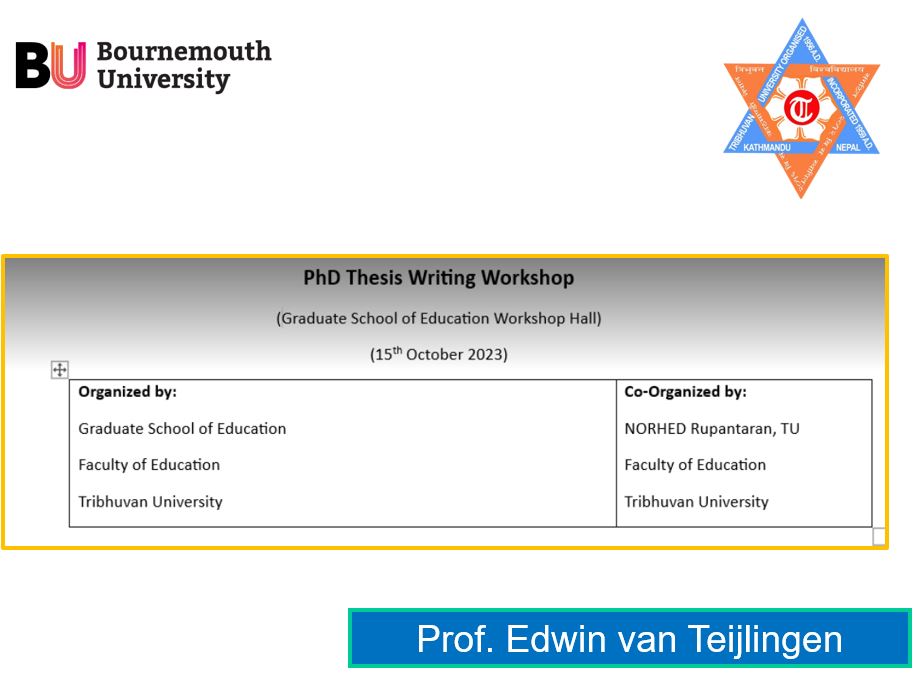
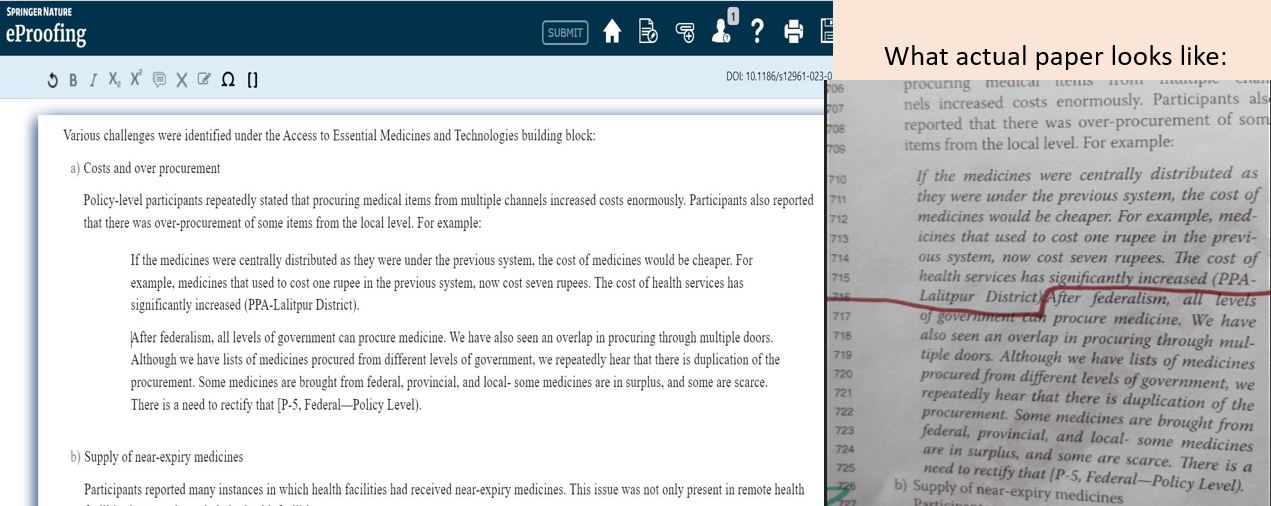
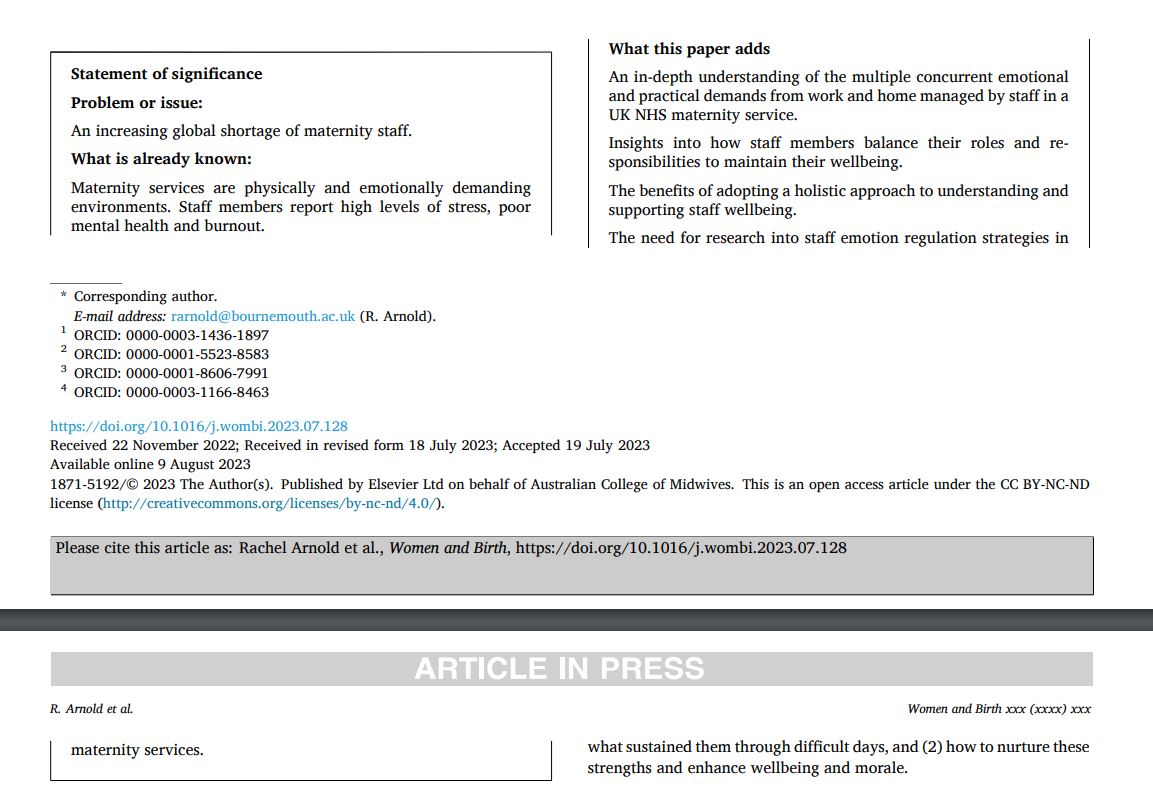
Two days ago one of the participants of our British Academy funded Academic Writing Workshops announced on Facebook that the paper, we had helped her put together, had been published in a peer-reviewed journal.  It is satisfying to see the fruits of our labours in print following two sets of three-day workshops in Kathmandu and Pokhara.  The team running the 2022 workshop comprised three Faculty of Health & Social Sciences’ (FHSS) staff: Dr. Shovita Dhakal Adhikari, Dr. Pramod Regmi, and Prof. Edwin van Teijlingen, and our colleague Dr. Rashmee Rajkarnikar at Nepal’s oldest and largest university (Tribhuvan University) and BU’s Visiting Faculty Dr. Emma Pitchforth, who is Senior Lecturer and Senior Research Fellow in Primary Care at the University of Exeter.  Dr. Shovita Adhikari has since left Bournemouth University to become Senior Lecturer in Criminology & Sociology at London Metropolitan University.

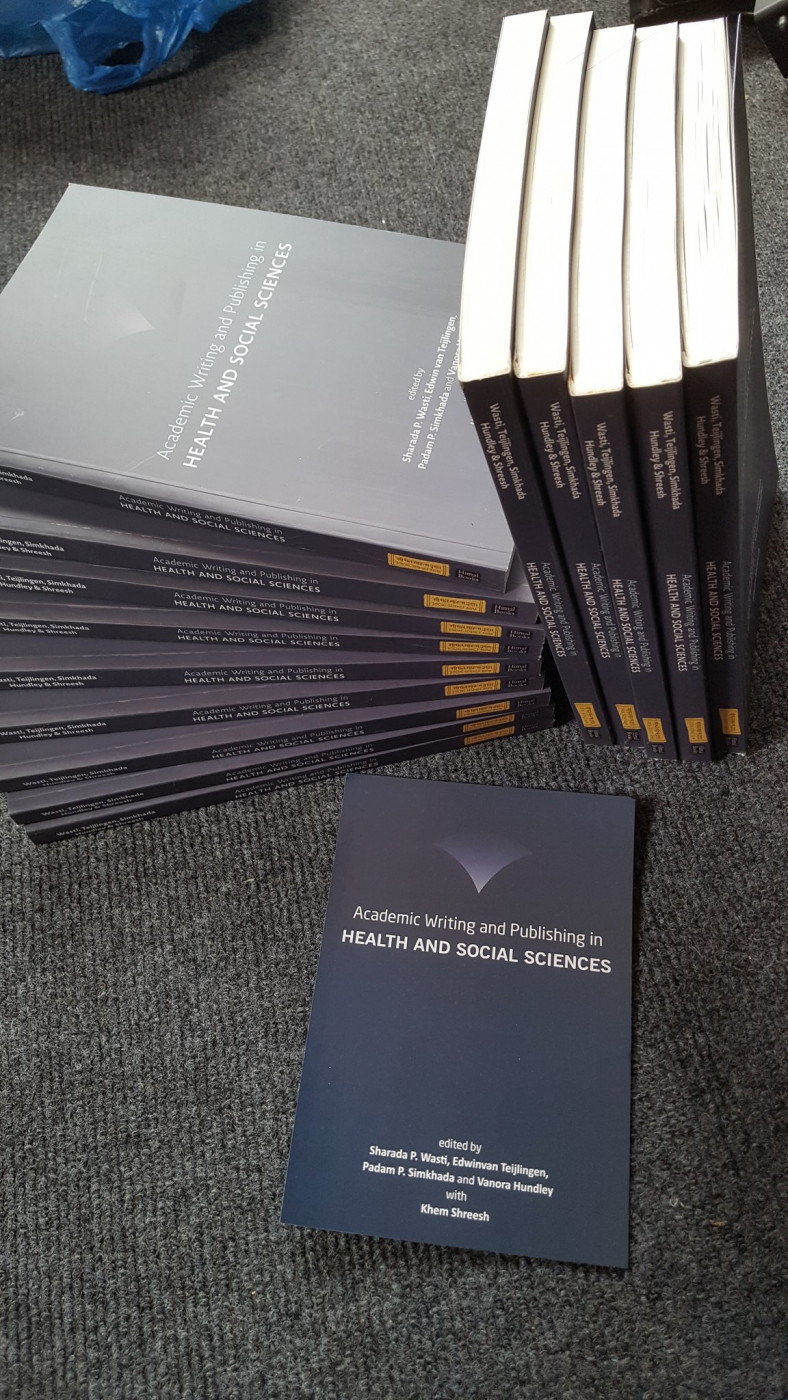
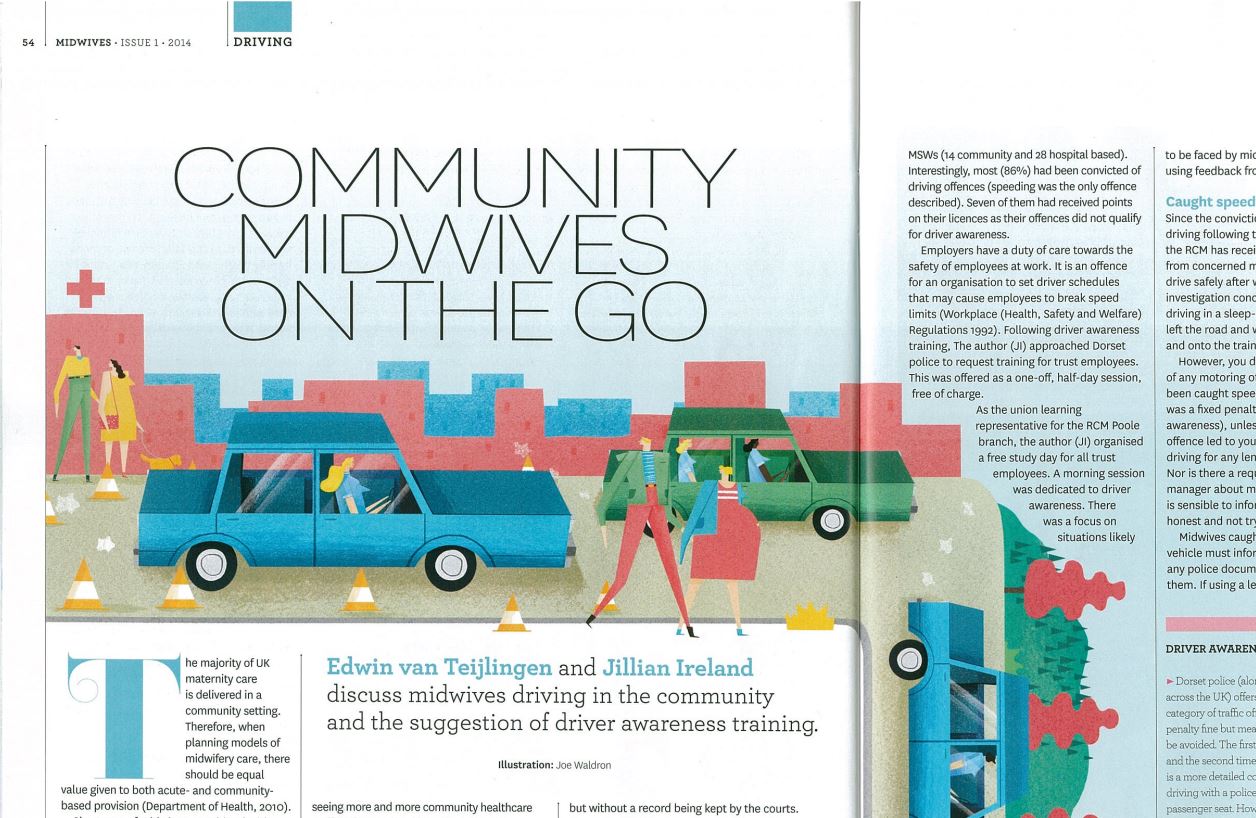
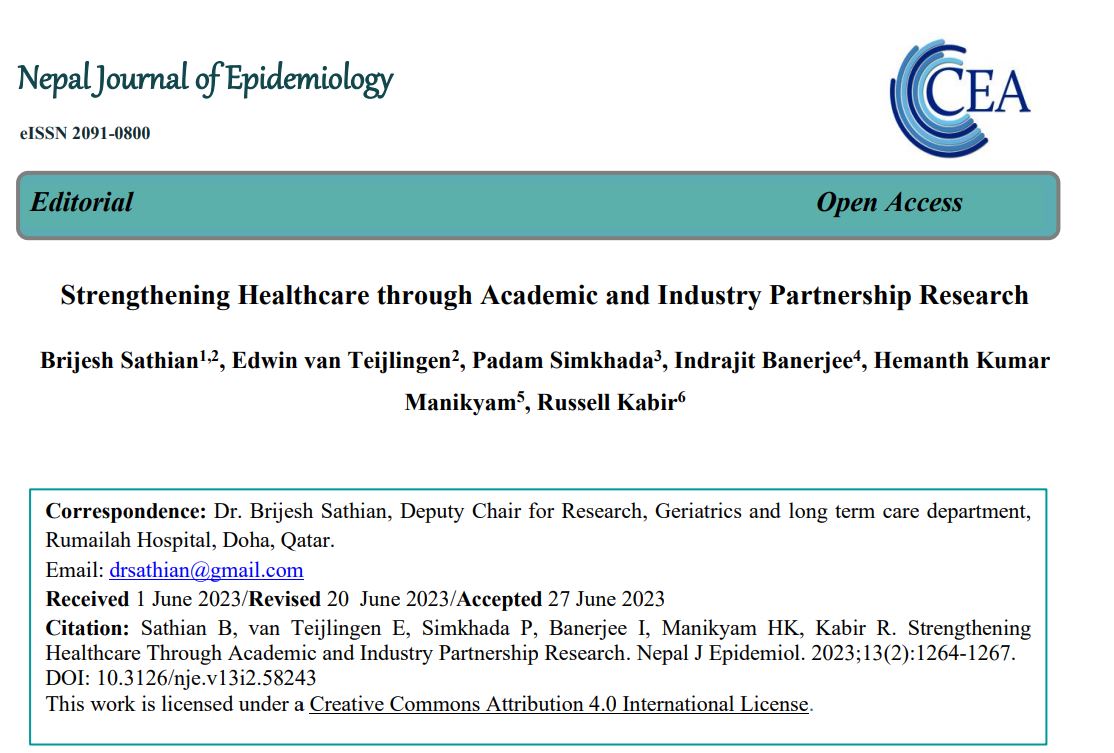
Over the years our team has published a wide range of papers on many aspects of academic writing [1-38].  The authors include: Prof. Vanora Hundley [3-5,8-9,14,16-19,21,23,28-33,36], Dr. Orlanda Harvey [2,22, ], Dr. Pramod Regmi [2,7,13-14,17,22,24-25 ], Dr. Rachel Arnold [20], Dr. Alison Taylor, Dr. Nirmal Aryal [14,24], Prof. Edwin van Teijlingen, PhD student Mrs. Sulochana Dhakal-Rai [8] all in FHSS, Prof. Ann Luce in the Media School [5] and Dr. Shanti Shanker in the Department of Psychology [6] as well as several BU Visiting Faculty: Dr. Brijesh Sathian [1,7-8,21,31,34], Dr. Shovita Dhakal Adhiikari [24-25 ], Dr. Preeti Mahato [11,20, ], Prof. Padam Simkhada [3-4,6,8-9,13,16-19,21,23,25-31,34 ], Dr. Emma Pitchforth [11-12,37], Prof. Bhimsen Devkota [12,16 ], Prof. Sujan Marahatta [7], Dr. Bibha Simkhada [9,14,25,27,29] and Ms. Jillian Ireland [8,20,22,27,31].
has build up capacity in academic writing and publishing in Nepal on many occasions and at many different institutions.  This grant allow us to offer a more systematic approach to capacity building in academic writing, and it build a growing number of paper published by FHSS staff on various aspects of academic writing and publishing.
Prof. Edwin van Teijlingen
Centre for Midwifery, Maternal & Perinatal Health

References:

  1. Sathian B, van Teijlingen E, Banerjee I, Kabir R. (2022) Guidance to applying for health research grants in the UK. Nepal J Epidemiol 12(4):1231-1234.
  2. Harvey, O., Taylor, A., Regmi, P.R., van Teijlingen, E. (2022) Struggling to reply to reviewers: Some advice for novice researchers. Health Prospect, 21(2):19-22.
  3. van Teijlingen, E., Hundley, V., Simkhada, P.P., Wasti, S.P. (2022) Introduction, In: Wasti, S.P., et al. (Eds.) Academic Writing and Publishing in Health & Social Sciences, Kathmandu, Nepal: Himal Books: 1-4.
  4. Simkhada, P., van Teijlingen, E., Hundley, V., Swoveet, P. (2022) Writing an Academic Paper, In: Wasti, S.P., et al. (Eds.) Academic Writing and Publishing in Health & Social Sciences, Kathmandu, Nepal: Himal Books: 6-14.
  5. Hundley, V., Luce, A., Simkhada, P., van Teijlingen, E. (2022) Collaborative Writing for Publication, In: Wasti, S.P., et al. (Eds.) Academic Writing and Publishing in Health & Social Sciences, Kathmandu, Nepal: Himal Books: 15-19.
  6. van Teijlingen, E., Simkhada, P., Shanker, S. (2022) Selecting an Appropriate Journal and Submitting your Paper, In: Wasti, S.P., et al. (Eds.) Academic Writing and Publishing in Health & Social Sciences, Kathmandu, Nepal: Himal Books: 20-31.
  7. van Teijlingen, E., Thapa, D., Marahatta, S.B., Sapkota, J.L., Regmi, P. Sathian, B. (2022) Editors and Reviewers: Roles and Responsibilities, In: Wasti, S.P., et al. (Eds.) Academic Writing and Publishing in Health & Social Sciences, Kathmandu, Nepal: Himal Books: 32-37.
  8. van Teijlingen, E., Ireland, J., Hundley, V, Dhakal Rai, S., Simkhada, P., Sathian, B. (2022) Identifying an appropriate Title, In: Wasti, S.P., et al. (Eds.) Academic Writing and Publishing in Health & Social Sciences, Kathmandu, Nepal: Himal Books: 39-47.
  9. Simkhada, P., van Teijlingen, E., Hundley, V., Simkhada, B, Acharya D.R. (2022) Writing an Abstract for a Scientific Conference, In: Wasti, S.P., et al. (Eds.) Academic Writing and Publishing in Health & Social Sciences, Kathmandu, Nepal: Himal Books: 48-56.
  10. Subedi, M., van Teijlingen, E., Baniya J., Sijapati, B. (2022) Writing the Introduction and Background, In: Wasti, S.P., et al. (Eds.) Academic Writing and Publishing in Health & Social Sciences, Kathmandu, Nepal: Himal Books: 57-67.
  11. van Teijlingen, E., Pitchforth, E., Keenan Forrest, K., Mahato, P. (2022) Writing a Qualitative Paper, In: Wasti, S.P., et al. (Eds.) Academic Writing and Publishing in Health & Social Sciences, Kathmandu, Nepal: Himal Books: 88-97.
  12. Wasti, S.P, Devkota, B., Bhatta, D.N., Pitchforth, E., van Teijlingen, E. (2022) Writing the Introduction and Background, In: Wasti, S.P., et al. (Eds.) Academic Writing and Publishing in Health & Social Sciences, Kathmandu, Nepal: Himal Books: 112-120.
  13. Regmi, P., van Teijlingen, E., Simkhada, P. (2022) Writing up the Discussion, Conclusion and Recommendations, In: Wasti, S.P., et al. (Eds.) Academic Writing and Publishing in Health & Social Sciences, Kathmandu, Nepal: Himal Books: 121-129
  14. Aryal, N., Regmi, P.R., Simkhada, B., Subedi, M., van Teijlingen, E., Wasti, S.P., Hundley, V, Khatri, R. (2022) Being Ethical in Writing and Publishing, In: Wasti, S.P., et al. (Eds.) Academic Writing and Publishing in Health & Social Sciences, Kathmandu, Nepal: Himal Books: 153-161.
  15. van Teijlingen, E., Venter, K. (2022) Writing a Book Review, In: Wasti, S.P., et al. (Eds.) Academic Writing and Publishing in Health & Social Sciences, Kathmandu, Nepal: Himal Books: 162-167.
  16. Devkota, B., Simkhada, P., van Teijlingen, E., Hundley, V, Wasti, S.P. (2022) Writing a Research Proposal, In: Wasti, S.P., et al. (Eds.) Academic Writing and Publishing in Health & Social Sciences, Kathmandu, Nepal: Himal Books: 168-175.
  17. Wasti, S.P. Regmi, P.R., Simkhada, P., van Teijlingen, E., Hundley, V. (2022) Writing a PhD Proposal, In: Wasti, S.P., et al. (Eds.) Academic Writing and Publishing in Health & Social Sciences, Kathmandu, Nepal: Himal Books: 176-183.
  18. Hundley, V., Simkhada, P., van Teijlingen, E. (2022) Converting your Master’s or Doctoral Thesis into an Academic Paper for Publication, In: Wasti, S.P., et al. (Eds.) Academic Writing and Publishing in Health & Social Sciences, Kathmandu, Nepal: Himal Books: 184-189.
  19. van Teijlingen, E., Hundley, V., Simkhada, P., Acharya, J., Silwal, R.C., Wasti, S.P. (2022) Academic Writing: Final Thoughts, In: Wasti, S.P., et al. (Eds.) Academic Writing and Publishing in Health & Social Sciences, Kathmandu, Nepal: Himal Books: 201-20
  20. Arnold, R., Ireland, J., Mahato, P., van Teijlingen, E. (2022) Writing and publishing a reflective paper: Three case studiesWelhams Acad J 1(1): 4-11.
  21. van Teijlingen, E., Hundley, V, Sathian, B., Simkhada, P., Robinson, J., Banerjee, I. (2022) The Art of the Editorial Nepal J Epidemiol12(1): 1135–38.
  22. Harvey, O., van Teijlingen, A., Regmi, P.R., Ireland, J., Rijal, A., van Teijlingen, E.R. (2022) Co-authors, colleagues, and contributors: Complexities in collaboration and sharing lessons on academic writing Health Prospect 21(1):1-3.
  23. Wasti, S.P., van Teijlingen, E., Simkhada, P., Hundley, V. with Shreesh, K. (2022) Writing and Publishing Academic Work, Kathmandu, Nepal: Himal Books
  24. van Teijlingen, E.R., Dhakal Adhikari, S., Regmi, P.R., van Teijlingen, A., Aryal, N., Panday, S. (2021). Publishing, identifiers & metrics: Playing the numbers game. Health Prospect20(1). https://doi.org/10.3126/hprospect.v20i1.37391
  25. Adhikari, S. D., van Teijlingen, E. R., Regmi, P. R., Mahato, P., Simkhada, B., & Simkhada, P. P. (2020). The Presentation of Academic Self in The Digital Age: The Role of Electronic Databases. Int J Soc Sci Management7(1), 38-41. https://doi.org/10.3126/ijssm.v7i1.27405
  26. van Teijlingen, E, Simkhada, PP, Rizyal A (2012) Submitting a paper to an academic peer-reviewed journal, where to start? (Guest Editorial) Health Renaissance 10(1): 1-4.
  27. van Teijlingen, E, Simkhada. PP, Simkhada, B, Ireland J. (2012) The long & winding road to publication, Nepal Epidemiol 2(4): 213-215 http://nepjol.info/index.php/NJE/article/view/7093/6388
  28. Hundley, V, van Teijlingen, E, Simkhada, P (2013) Academic authorship: who, why and in what order? Health Renaissance 11(2):98-101 www.healthrenaissance.org.np/uploads/Download/vol-11-2/Page_99_101_Editorial.pdf
  29. Simkhada, P., van Teijlingen E., Hundley, V., Simkhada, BD. (2013) Writing an Abstract for a Scientific Conference, Kathmandu Univ Med J 11(3): 262-65. http://www.kumj.com.np/issue/43/262-265.pdf
  30. Simkhada P, van Teijlingen E, Hundley V. (2013) Writing an academic paper for publication, Health Renaissance 11(1):1-5. www.healthrenaissance.org.np/uploads/Pp_1_5_Guest_Editorial.pdf
  31. van Teijlingen, E., Ireland, J., Hundley, V., Simkhada, P., Sathian, B. (2014) Finding the right title for your article: Advice for academic authors, Nepal Epidemiol 4(1): 344-347.
  32. van Teijlingen E., Hundley, V., Bick, D. (2014) Who should be an author on your academic paper? Midwifery 30: 385-386.
  33. Hall, J., Hundley, V., van Teijlingen, E. (2015) The journal editor: friend or foe? Women & Birth 28(2): e26-e29.
  34. Sathian, B., Simkhada, P., van Teijlingen, E., Roy, B, Banerjee, I. (2016) Grant writing for innovative medical research: Time to rethink. Med Sci 4(3):332-33.
  35. Pradhan, AK, van Teijlingen, ER. (2017) Predatory publishing: a great concern for authors, Med Sci 5(4): 43.
  36. van Teijlingen, E, Hundley, V. (2002) Getting your paper to the right journal: a case study of an academic paper, J Advanced Nurs 37(6): 506-11.
  37. Pitchforth, E, Porter M, Teijlingen van E, Keenan Forrest, K. (2005) Writing up & presenting qualitative research in family planning & reproductive health care, Fam Plann Reprod Health Care 31(2): 132-135.
  38. van Teijlingen, E (2004), Why I can’t get any academic writing done, Medical Sociol News 30(3): 62-63. britsoc.co.uk/media/26334/MSN_Nov_2004.pdf