We have some great events coming up over the next few weeks to help support you in your research activities :
October
| Tuesday 15th October | RKEDF: Good Clinical Practice ‘Lite’ |
| Wednesday 16th October | RKEDF: Getting started in public engagement with research |
| Thursday 17th October | RKEDF: BRIAN: Building your staff profile |
| Monday 21st October | RKEDF: High Quality Public Engagement |
| Thursday 24th October | RKEDF: Overview of NIHR, CRNs and NIHR portfolio |
| Thursday 24th October | GCRF Best Practice Workshop |
| Wednesday 30th October | RDS Academic and Researcher Induction Event |
November
| Tuesday 5th November | RKEDF: Clinical Research- documentation and filing |
| Wednesday 6th November | RKEDF: Research Outputs – Writing Day |
| Tuesday 19th November | RKEDF: Impact Planning Session |
| Wednesday 13th November | RKEDF: EndNote Desktop for Managing References and Writing for Publication |
| Tuesday 19th November | RKEDF: Advanced Literature Search Techniques |
| Tuesday 19th November | RKEDF: Working with Industry |
| Tuesday 19th November | RKEDF: Building Evidence for REF Impact Case Studies |
| Wednesday 20th November | RKEDF: Leverhulme Prize Drafting Workshop |
| Wednesday 20th November | RKEDF: Inspirational Impact Journey |
| Wednesday 20th November | Leverhulme Trust visit to BU |
| Tuesday 26th November | RKEDF: Evaluation: Developing your approach |
| Wednesday 27th November | RKEDF: Measuring the Impact of Your Research with Advanced Citation Tools. |
You can see all the Organisational Development and RKEDF events in one place on the handy calendar of events.
Please note that all sessions are now targeted, so look closely at the event page to ensure that the event is suitable for you. In addition, RKEDF events now require the approval of your Head of Department (or other nominated approver). Please follow the instructions given on the event page and the template email for you to initiate the booking request.
If you have any queries, please get in touch!


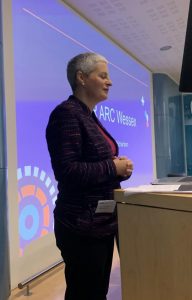 Tuesday saw the launch of the Applied Research Collaboration (ARC) for Wessex. This exciting development brings together health and care organisations (including NHS Trusts, universities, Clinical Research Network, Academic Health Science Network, voluntary organisations) to respond to the needs of the people living in Wessex.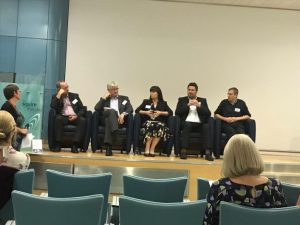
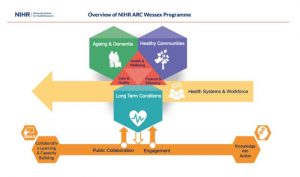 Aging and Dementia – Theme Lead Prof. Helen Roberts

 NERC introduced










 Verbal autopsy paper published two days ago
 ESRC Studentships for 2027 Entry: Opportunity Now Open
 SONAMONI contributions to Safety Conference 2026 in South Africa
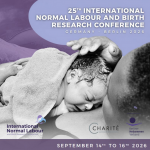 Three CMWH presentations at Berlin conference
 Horizon Europe Cluster 3 (Civil Security for Society) 2026 Calls Now Open
 MSCA Doctoral Networks 2026 Call Information Webinar
 ESRC Festival of Social Science 2026: Application Deadline Extended to Thursday 25 June 2026
 Reminder: Register for the ESRC Festival of Social Science 2026 Information Session
 ECR Funding Open Call: Research Culture & Community Grant – Apply now
 ERC Advanced Grant 2025 Webinar
 Update on UKRO services
 European research project exploring use of ‘virtual twins’ to better manage metabolic associated fatty liver disease